All Activity
- Past hour
-
Content ArticleIf the NHS focused on removing ‘failure activity’, it could transform its productivity One common theme in discussions about NHS productivity is a pervasive pessimism about the impossibility of big improvements. Some, such as NHS Alliance chief executive officer Sir Ciaran Devane, believe the NHS would be lucky to eke out marginal improvements in the rate of productivity growth, and even that might depend on significant additional investment. That pessimism is misplaced. There are huge opportunities to drive big leaps in productivity. To understand why this is the case, we need to consider the misleadingly named concept of Failure Demand, writes Steve Black in this HSJ article.
-
Content ArticleThe National Audit of Dementia (NAD) has published a report on the Service Mapping Exercise carried out across Memory Assessment Services in England and Wales, plus Jersey, in 2025. The report highlighted continuing demand for services, increase in waiting times, and wide variation in service staffing, specific diagnoses, and post diagnostic provision. Analysis of figures provided by services found approximately 2 referrals for every 1000 people in the catchment population. The median waiting time from referral to diagnosis has increased by 5 days to 137 days since the 2023 spotlight audit, despite low staff vacancies reported. There was great variation in staffing numbers and roles, and in services provision, with 23% of services not providing Cognitive Stimulation Therapy post-diagnosis. There continues to be wide variation in diagnoses at a service level, compounded by many services being unable to return data on diagnoses. Services reported low clinical vacancy rates overall. Over half reported joint working with neurology and geriatric medicine to enhance the diagnostic process.
-
Content Article
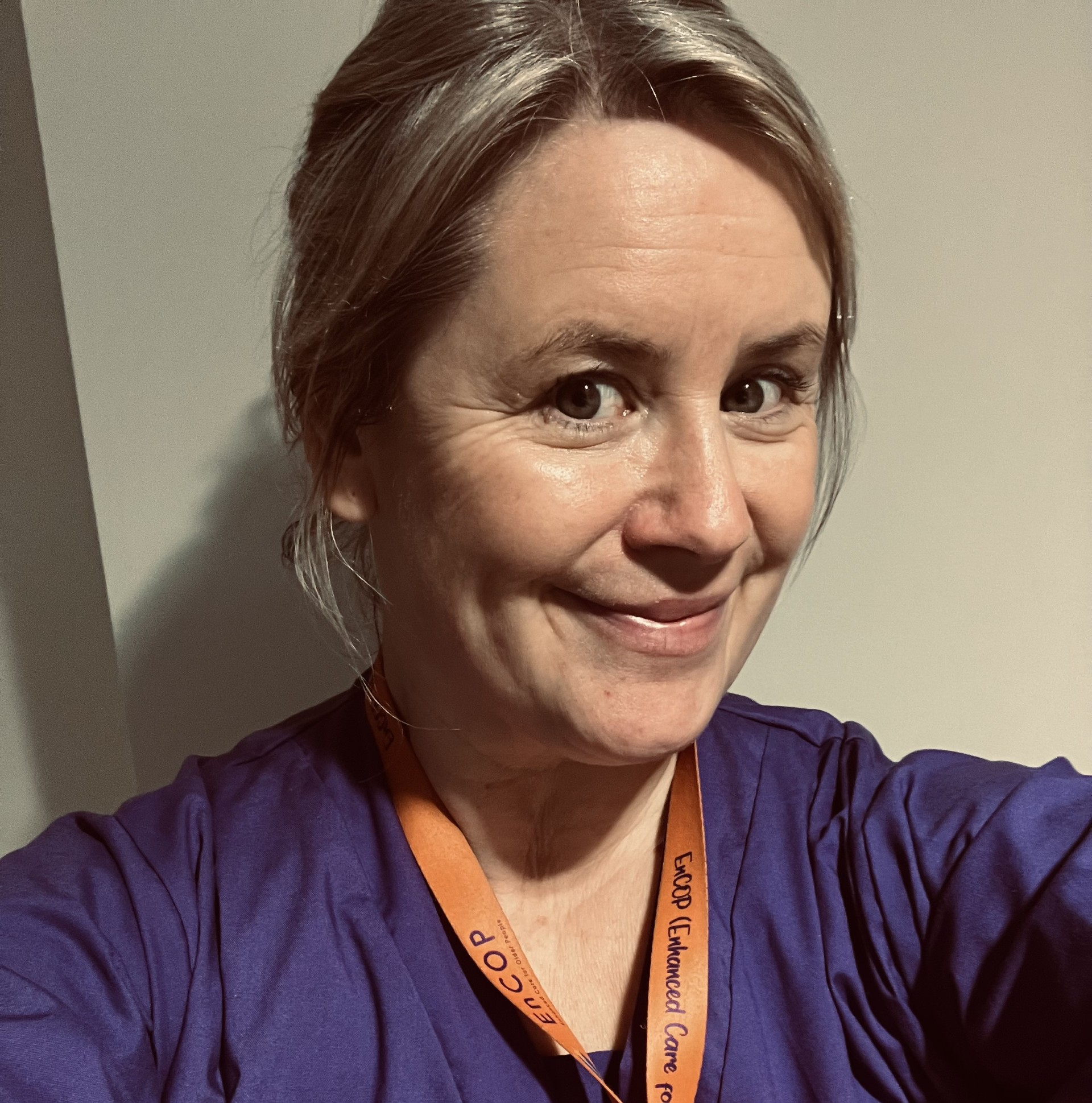 Earlier this year, Clare Collins from Northumbria Healthcare NHS Foundation Trust gave a presentation at the Patient Safety Management Network (PSMN) meeting on how their Trust has aimed to improve patient safety though a project to remove caffeinated drinks. In this blog, Clare shares their journey and what they have learned about implementation, engagement, organisational readiness and sustainability. From a practical idea to a patient safety movement What started as a simple question: “Could changing the type of tea and coffee routinely served on our wards improve patient safety?”, has evolved into a growing quality improvement programme with local, regional and international interest. As a team, we wanted to explore whether a small and practical change to everyday care could contribute to safer, calmer and more restorative ward environments. At Northumbria Healthcare NHS Foundation Trust, we developed the Decaf by Default initiative to explore whether routinely offering decaffeinated tea and coffee to patients could help reduce toileting related falls, improve sleep and hydration, and support calmer, safer ward environments. The project has since expanded across multiple inpatient settings, generated strong staff engagement, and prompted wider conversations around organisational readiness for cultural change in patient safety. Why consider going decaf? For many years, staff across our wards routinely offered caffeinated hot drinks to patients as the default option. While this was often seen as a normal part of care and comfort, emerging conversations within our Care for the Older Person community raised questions about whether this practice unintentionally contributed to avoidable harm. Several factors prompted further exploration: NICE guidance recommends reducing caffeine intake in relation to urinary incontinence and pelvic organ prolapse in women. Caffeine can increase urinary urgency and frequency, potentially increasing the risk of toileting-related falls. Caffeine may negatively impact sleep and contribute to agitation. Non-caffeinated drinks can support hydration, rest, recovery and overall wellbeing. A review of Datix reports also identified that approximately 25% of inpatient falls over a one-month period were related to toileting activities, particularly within older people’s services. This led us to consider whether a relatively small environmental and behavioural change could contribute to safer care. Building the foundations: organisational readiness and engagement One of the strongest themes highlighted through discussions at the PSMN meeting was that success depended less on the decaf itself, and more on organisational readiness, staff engagement and shared ownership. From the outset, we did not approach this as a top-down instruction. Instead, the project focused on creating curiosity, shared ownership and practical collaboration. With senior nursing support, we established a quality improvement multidisciplinary community to explore the issue collectively. Staff from a range of professions and settings contributed ideas, concerns and learning throughout the process. Importantly, we also connected with University Hospitals Leicester, who had previously undertaken similar work. This external collaboration provided valuable insight, reassurance and practical learning. Several factors helped support implementation: Clinical ownership Ward teams were encouraged to shape how the initiative worked within their own environments rather than applying a rigid model. This helped improve engagement and sustainability. Preserving patient choice The initiative was never about removing patient choice. Patients could still request caffeinated drinks if preferred. A Taste the Difference challenge helped staff and patients explore perceptions around decaffeinated drinks. While around 55% of participants noticed a taste difference, approximately 85% said they would be willing to switch once they understood the potential benefits. Consistent messaging Simple, practical education materials were developed for staff, patients and carers, including posters, conversations at ward level and patient information leaflets. For example, digital teams looked at incorporating brief health promotion messaging into discharge documentation: “While in hospital, you were given decaffeinated tea and coffee. It may help to continue this at home.” This will reinforce the intervention beyond admission and encourage patients and carers to consider whether continuing reduced caffeine intake at home might support sleep, continence, anxiety management or falls prevention. Communities of interest One of the most important learning points was the value of building communities of staff who were genuinely interested in improving patient safety. Enthusiasm and local leadership often became stronger drivers than formal instruction. As discussed during the PSMN presentation, staff ownership proved critical to successful implementation. Challenges and learning The project generated important discussions and learning. Questions raised during the PSMN presentation included whether rapid caffeine withdrawal effects had been observed. While no specific reports had been identified, the team acknowledged that individual caffeine intake prior to admission is often unknown. Alternative approaches, such as limiting caffeinated drinks to mornings only, were explored and trialled in one location by a member of the PSMN but were not found to be sustainable in practice. Another PSMN member reported that in their care home, although they had adopted the change successfully, they had not seen a reduction in toileting-related falls. This highlighted the importance of local context, fall data and ongoing evaluation over a longer time period. From local project to wider movement Following pilot work in 2024-2025, Decaf by Default was adopted Trust-wide in December 2025. Since then, interest has continued to grow across the region and beyond. The project is now being explored more widely through collaboration with: the regional NHS Alliance the North East and North Cumbria Integrated Care Board patient safety networks and quality improvement communities. There has also been increasing international interest in the concept as organisations look for low-cost, scalable interventions that may contribute to safer care environments. Alongside the Trust-wide rollout, work has also begun to extend the learning into care homes across Northumberland and North Tyneside. This has created opportunities to explore how similar approaches may support resident wellbeing and reduce risks associated with continence, sleep disturbance, anxiety and falls within community-based settings. A small community pilot project has been developed involving community nurses and Allied Health Professionals (AHPs). Participating staff carry supplies of decaffeinated tea and coffee within their clinical bags and are able to offer this as part of broader lifestyle conversations and personalised care interventions. The aim is not simply to replace drinks, but to encourage wider discussion around hydration, sleep, continence, falls prevention and anxiety management in a practical and accessible way during routine community contacts. What has perhaps resonated most strongly is that the project demonstrates how a relatively small cultural and environmental changes can stimulate wider conversations about patient safety, prevention and personalised care. Key reflections Looking back on the journey so far, several lessons stand out: Small changes can create meaningful conversations about patient safety. Organisational readiness matters as much as the intervention itself. Staff ownership and engagement are essential for sustainability. Preserving patient choice supports acceptability. Quality improvement requires curiosity, testing and adaptation. Simple interventions may have wider wellbeing benefits beyond their original aim. Most importantly, the initiative has highlighted the value of frontline teams identifying opportunities to improve care through practical, evidence-informed innovation. Related resources Go decaf! How a simple change on our wards could reduce falls, slips and trips What happened when we went decaf – the story so far How going decaf could boost patient safety by reducing falls in hospitals Patient flyer - go decaf How to join the Patient Safety Management Network You can join by signing up to the hub today. When putting in your details, please tick Patient Safety Management Network in the ‘Join a private group’ section. If you are already a member of the hub, please email [email protected]. Do you have a patient safety initiative you would like to share more widely. We'd love to hear from you and share it on the hub. Share here (you will need to be a member of the hub and signed in) or email [email protected].
 - Yesterday
-
EventThis conference focuses on recognising and responding to the deteriorating patient, and ensuring best practice in the use of NEWS2. The conference will include national developments, including recommendations on NEWS2, the national PIER approach to the effective management of acute physical deterioration in health and care, the November 2025 NICE Sepsis Guidance, and implementation of Martha’s Rule. The conference will also include reflections on implementing the recommendations from the Healthcare Safety Investigation Branch report Investigation into recognising and responding to critically unwell patients. For further information and to book your place visit https://www.healthcareconferencesuk.co.uk/virtual-online-courses/deteriorating-patient-summit or email [email protected] Follow the conference on X @HCUK_Clare #DeterioratingPatient hub members receive a 20% discount. Email [email protected] for a discount code.
-
EventThis virtual conference focus on the role of the Coroner and preparing and attending Coroner’s Inquests. The conference will also update delegates on the implications of the 2024 Death Certification Reforms and roles, responsibilities and information flows under the new system. From preparing for an inquest, to ensuring change occurs as a result of the prevention of future death reports and local learning the conference will provide an important update on the coroner role and inquest process. For further information and to book your place visit https://www.healthcareconferencesuk.co.uk/virtual-online-courses/coroner-role or email [email protected] Follow the conference on X @HCUK_Clare #CoronerRole hub members receive a 20% discount. Email [email protected] for a discount code.
-
News ArticleThe NHS trust at the centre of a public mental health inquiry estimates it will need to spend £30m to cover the costs of the process. The Lampard Inquiry is looking into the deaths of more than 2,000 people under Essex NHS mental health services between 2000 and 2023. Paul Scott, the former chief executive officer of Essex Partnership University NHS Foundation Trust [EPUT], admitted the figure was "substantial" but said there was no set budget for the legal process. "Our position is we need to spend what we need to spend to serve the inquiry," he said. Scott was called back to give evidence to the inquiry, having appeared at a previous hearing. Chief counsel to the inquiry, Nicholas Griffin KC, said that EPUT had spent £13.5m up to the end of November 2025 on the Lampard Inquiry and its predecessor - the Essex Mental Health Independent Inquiry - but was forecasting a £30m spend overall. Scott left his role at the end of June to become CEO of East Suffolk and North Essex NHS Foundation Trust, which runs Colchester and Ipswich hospitals. Bereaved families criticised the timing of his departure from EPUT when the Lampard Inquiry was still active. Scott apologised to families who had been upset by the move, but told the inquiry: "I'm here…to assure people that I'm not running from anything." He added he was "available to be accountable for my time in EPUT". Read full story Source: BBC News, 7 July 2026
-
News Article
CEO admits underestimating requirements of deaths inquiry

Patient Safety Learning posted a news article in News
A trust has been slow to provide records to an inquiry examining more than 2,000 deaths, because it underestimated the resources needed, its former CEO has admitted. Paul Scott, who left Essex Partnership University Foundation Trust last month, said the trust “underestimated at the outset the scale and complexity of what would be required of it” as the main NHS trust respondent to the Lampard Inquiry. Baroness Kate Lampard is investigating more than 2,000 mental health deaths in Essex between 2000 and 2023, with her inquiry due to report in 2028. In a statement read to the inquiry on Monday afternoon, Mr Scott said: “That underestimation was not in bad faith, but rather an error of planning and resourcing in not appreciating the wide focus which would be put on the delivery of services by it and predecessor trusts. “This had real consequences: it generated delay, eroded the inquiry’s confidence, and [in some cases] directly affected bereaved families.” The problems included a failure to quickly forward 30 “next of kin” letters provided by the inquiry in February. EPUT said it was trying to validate families’ addresses, but has apologised for the unacceptable delay. Read full story (paywalled) Source: HSJ, 6 July 2026 -
News ArticleHealth officials are urgently calling on approximately one million families to ensure their children receive vital vaccinations against potentially deadly childhood diseases. The NHS has initiated a catch-up campaign targeting parents of children aged two to 11 who have missed their measles jabs. This push comes after two children in England tragically died from measles this year, amidst a significant rise in cases. The UK Health Security Agency (UKHSA) reports 801 measles cases already this year, compared with 959 cases in 2025. The MMR/V vaccine provides crucial protection against measles, mumps, rubella, and chickenpox. General practitioners will be contacting parents of children under six to arrange these essential immunisations. Those with children aged six to 11 will be contacted via the NHS App, text, email or letter. Read full story Source: The Independent, 7 July 2026
-
Content ArticleThis white paper from the Beryl Institute examines one of healthcare’s most persistent challenges: waiting. Grounded in insights from their Community Council and healthcare leaders from around the world, this report reveals the innovative ways organisations are addressing the experience of waiting. The findings suggest that organisations making the greatest progress are those reframing wait times through two interconnected lenses: An operational lens: Improving operational flow and reducing unnecessary delays. A human lens: Improving the human experience of waiting itself. Packed with 48 strategies shared by over 30 global leaders, learn how organizations are working to reduce unnecessary delays while also improving how the wait is experienced by patients and families through communication, transparency, empathy, and coordinated care delivery.
-
 maherazan joined the community
 -
News Article
Fresh concerns over safety and quality at maternity scandal trust
Patient Safety Learning posted a news article in News
NHS England took action at a maternity scandal trust over “immediate risks” to women and babies, HSJ can reveal. Leeds Teaching Hospitals was placed in “enhanced support” because of “quality and safety” concerns in its antenatal and newborn screening services last year, according to a letter released following a freedom of information request. The programme includes tests for infectious diseases and some genetic disorders during pregnancy, as well as checks for hearing and some conditions after birth. Senior midwife Donna Ockenden, who earlier this month found hundreds of mothers and babies had suffered avoidable harm in Nottingham, is set to begin a similar exercise in Leeds in the coming months. An independent review into maternity services at the trust was announced in October, amid concerns that its mortality rates were an outlier. Now HSJ has learned NHSE’s screening quality assurance service wrote to the provider in September last year to warn of “immediate risks” to women and babies. This included late or missed interventions and wrongful birth claims, in which disabilities or health conditions that should be detected in pregnancy are not picked up. NHSE said it was not clear the trust had enough staff to safely deliver the service, or that all eligible women and babies were tested, or that there were “timely processes to put things right… when things go wrong in the screening pathway”. Read full story (paywalled) Source: HSJ, 7 July 2026 -
News ArticleDying patients and their loved ones are being "let down" by inadequate communication, a failing that is "adding to their grief," an ombudsman has warned. The Parliamentary and Health Service Ombudsman (PHSO) issued a stark warning, emphasising that such breakdowns can not only impact a patient's immediate care but also lead to "severe consequences" for their families, exacerbating an already difficult time. A new PHSO report highlighted a particularly distressing case where one man, referred to as Mr O, discovered he was dying "by accident". An NHS trust had failed to inform him that his bowel cancer, which had spread to his liver, was terminal. The hospital, according to the PHSO, "failed to clearly and promptly inform" Mr O about the disease's spread and its fatal nature. Instead, he only learned of his terminal diagnosis when his GP "unintentionally disclosed it". The PHSO said this delay “denied Mr O additional time to prepare for the end of his life”. The man’s wife told the PHSO: “What stays with me most is how alone and powerless we felt. “We weren’t kept informed, we didn’t understand what was happening, and we lost precious time that we can never get back." The report also highlights cases of families not being informed and “left unprepared”. The authors add: “It meant families missed the opportunity to spend meaningful time with their loved one in their final days.” Meanwhile, families also described feeling dismissed or not properly listened to. One family member of a dying person told the PHSO: “There were comments around the fact that I was a nuisance… It was obvious anyway, that I was not welcome.” Read full story Source: The Independent, 7 July 2026
-
Content ArticleGood end of life care depends on good communication. When patients and families receive clear, honest and timely information, they are better able to face what lies ahead. When communication breaks down, the consequences can last a lifetime.Since 2020, the Parliamentary and Health Service Ombudsman (PHSO) have investigated complaints about palliative and end of life care services across England. They found that communication is the most common failing - patients not told their diagnosis, families kept in the dark, and vital information lost when people move between services.This PHSO report draw on the experiences of families and clinicians to set out where communication most often falls short and what needs to change. Recommendation 1. The Modern Service Framework should include a detailed strategy to address skills and confidence gaps in communication. The Modern Service Framework should include a system-wide strategy to tackle longstanding gaps in confidence and skills in talking about death, dying and palliative care. This should establish communication about the end of life as a core competency across the workforce.Clinical education should set the expectation that skilled communication about the end of life is an essential, invaluable part of all healthcare roles. We echo the recommendation of the Commission on Palliative and End-of-Life Care that training on palliative and end of life care should be a mandatory part of undergraduate medical education. Mandatory training at postgraduate level in provider settings should include:: psychologically informed elements such as understanding common patterns of distress at the end of life, and core skills for responding to and understanding clinicians’ own anxiety so they are able to stay present and sit with distress; skills practice with feedback and rehearsal of challenging scenarios. To be effective, training must be accompanied by ongoing ‘on-the-job’ support. This needs to be understood as an important part of implementation, not an optional add-on to training. For example, providers should consider developing clinical supervision structures that support professionals to increase their skills and confidence while maintaining their own resilience and wellbeing. This reflects the fact that embedding skills into practice, and seeing them valued in the working environment, is important for consistent delivery. Recommendation 2. The Modern Service Framework should develop clear outcome measures to assess the performance of end of life care services, centred on patient and family experience. Outcome measures should include an assessment of how effectively services communicate with patients and those close to them. One consideration in this is the role of large-scale surveys that ask bereaved people about experiences of end of life care for their loved one. The National Audit of Care at the End of Life (NACEL) is extremely valuable as a national comparative audit of the quality and outcomes of care experienced by the dying person. But it covers only the final hospital admission rather than experiences across all settings and at earlier points in the care journey. The Modern Service Framework should consider options for a bereavement survey that asks for feedback about the experience of all deaths, including deaths at home, in care homes and in hospices, in addition to those in hospitals. This will be particularly important given the ambitions around shifting care, including end of life care, from hospitals to the community. Recommendation 3. Prioritise end of life care in the rollout of the Single Patient Record. Dying patients often move between hospitals, GPs, community palliative care teams, hospices and ambulance services. Patient information must be readily accessible across these different settings. The Single Patient Record must make sure that important end of life care information – including advance care plans, ReSPECT forms and DNACPR decisions – is consistently accessible and editable across all care settings. The Single Patient Record must build on and learn from the important work that has gone before, including the development of Electronic Palliative Care Coordination Systems (EPaCCS). Joined up, accessible systems are necessary, but they also depend on the quality of information that goes into them. The Single Patient Record programme must include sufficient investment in training on how patient record systems should be used on the frontline.
-
News Article
Rapid endometriosis tests to be made available on NHS in England and Wales
Patient Safety Learning posted a news article in News
Two tests that can dramatically speed up diagnosis of endometriosis are to be made available on the NHS in England and Wales, in a move hailed as a “gamechanger” for millions of women. One in 10 women of reproductive age are affected by the condition, where tissue similar to that found in the womb lining grows elsewhere, such as the ovaries and fallopian tubes. Symptoms include painful periods, painful bowel movements, pain when urinating and pain during or after sex. Current tests include ultrasound scans, MRI or a laparoscopy – where a camera is inserted through a tiny cut in the stomach. But despite the devastating effect it can have on a woman’s physical and mental health, and the large numbers affected, getting a diagnosis can take years. Now the National Institute for Health and Care Excellence has given the green light to two tests, EndoSure and Endotest. It says they will help rapidly reduce the time it takes for women to be told whether they have the condition. One provides results in just 45 minutes. Dr Anastasia Chalkidou, Nice’s healthtech programme director, said: “A diagnosis of endometriosis can for some women take the best part of a decade, with the UK average standing at nine years and four months, and rising to 11 years for those from ethnically diverse communities.” Delays meant chronic pain, affecting daily life, relationships and work, she said. “These technologies have the potential to change that by giving primary care professionals better non-invasive tools to identify endometriosis earlier, allowing earlier and better treatment. “Our draft guidance reflects our commitment to getting promising innovations to patients quickly, while making sure the evidence to support their wider use is built in a rigorous way.” Read full story Source: The Guardian, 7 July 2026 -
News Article
First complaints made over clinician use of AI
Patient Safety Learning posted a news article in News
The first complaints about the alleged inappropriate use of AI by clinicians have been received by professional regulators, HSJ can reveal. The General Medical Council received eight complaints against the same number of individual doctors in 2025. It received a further six complaints concerning five individual doctors in the first half of 2026. Two of the 2025 complaints progressed to investigation, with one still ongoing and one closed. The other six complaints were closed at triage. The Nursing and Midwifery Council saw its first four referrals in 2025 and has received one to date in 2026. All the complaints involve different registrants. One of the referrals has progressed to a full investigation. In response to this new class of complaint, The GMC has published guidance which states: “Doctors, physician associates, and anaesthesia associates are responsible for the decisions they take when using new technologies like AI, and the principles in our professional standards continue to apply. “For example, it’s important to discuss the use of innovative technologies with patients, what other options may be available and any uncertainties and limitations, so they can make informed decisions. This is in line with the principles set out in good medical practice and our guidance on decision making and consent.” Organisations, in contrast, would be responsible if, for example, AI was used to share data inappropriately via electronic patients records. However, there remain considerable grey areas in what is a fast-developing field and Alastair Denniston’s review on AI regulation commissioned by government is considering this and is due to report this summer. Read full story (paywalled) Source: HSJ, 6 July 2026 -
 Melissa Olidan joined the community
 -
Content Article
 Francine Gilmore, a patient with vestibular migraine, has written a report in a personal capacity* examining a patient safety gap where migraine prescribing overlaps with mental health risk. Drawing on Freedom of Information responses from 26 organisations and related evidence, the report identifies fragmented safeguards, unclear ownership and potential barriers to suitable treatment for clinically complex patients. In this blog, Francine shares her experience, the findings from her report and the actions she would like to see taken. The findings point to a clear need for change: migraine pathways must make mental health risk visible, owned in governance, recorded in clinical systems and reviewed for patient-safety learning. *The full report can be downloaded from the attachment at the end of the page. My (wobbly) journey I did not set out to write a patient safety report. I was trying to understand why so many medicines with potential contraindications had been offered to me. Quite literally a year to the date, since returning from the USA after my 30th birthday, I have been living with ongoing symptoms of what is now known to be vestibular migraine. The dizziness is relentless. When the dizziness starts, I am a safety risk. The headache pain can make life unbearable. So can photophobia, when ordinary light becomes too much to tolerate. Sunglasses are my new best friend. Somewhere along the way, I entered a state of medical hypervigilance. I was angry, frightened and exhausted. It felt as though, in trying to repair my physical health, I was once again being asked to risk my mental health. Every treatment decision felt like a game of medical Whac-a-Mole: solve the migraine problem, worry about mental health issues popping up later. Returning to full-time work has been a huge achievement. But doing so while still managing pain, dizziness and photophobia has also shown me how much invisible effort this condition demands. Yet migraine is only part of my picture. I also live with bipolar disorder and have a history of suspected serotonin syndrome (a serious condition caused by medications that build up high levels of serotonin in the body requiring hospitalisation). That means migraine treatment is not simply about whether a drug might help. It is also about whether it could destabilise my mental health, interact with other risks or cause another kind of harm. There. I have disclosed it publicly, likely where my professional networks will see it. But I am saying it because it matters and I know the risks. Managed mental illness should not be a nice to have consideration; it should make joined-up prescribing decisions more important. Before appointments, I print reports listing the medicines I am concerned about. I sit there trying to explain what I can and cannot take, aware that I may sound difficult, but also aware that I am the person who will live with the consequences if those risks are missed. I could probably deliver a TED Talk entitled 10 Things I Hate About Migraine Prophylaxis Options. The trouble is that there are considerably more than ten. The evidence The report is based on Freedom of Information responses and related information routes. The project file covers 26 organisations or evidence routes and more than 30 documents, so 1000+ pages of evidence. I used AI as a research and drafting tool, but every substantive finding was checked against the underlying evidence. Given the volume of material and the impact of disabling migraine, this was an accessibility tool as much as a drafting tool. The Migraine Trust states that migraine affects around one in seven people. My report also cites systematic review evidence showing increased odds of depression in people with migraine, increased odds of anxiety, and estimated bipolar disorder prevalence among people with migraine of 5.9% in population studies and 9% in clinic-based studies. The relationship is clinically relevant because migraine, mood disorders and some preventive medicines can overlap through neurological, psychiatric and medication-safety pathways. For patients already managing mental health medication, migraine prescribing is rarely a cleanly separate issue. There is also crossover in the medicines themselves. Amitriptyline, venlafaxine and nortriptyline are antidepressants and migraine preventives, while topiramate and valproate raise neuropsychiatric or psychiatric safety considerations. Greater occipital nerve blocks may also involve steroid exposure. Only last week I was offered lamotrigine and had to point out that this is also a centrally acting medicine with psychiatric relevance, particularly for someone with bipolar disorder. What I found in my research was a system that could point to safeguards in theory, but not clearly show who owned the risk in practice. NICE guidance, the British National Formulary, product warnings, local formularies, prescribing systems, referral routes and clinical judgement all matter. For patients like me, that gap affects which medicines feel safe to try, how much responsibility we are forced to carry and whether the whole picture is visible to the people making decisions. It also affects access. Some patients cannot safely use standard migraine preventives because of psychiatric history, psychotropic medication, previous adverse reactions or physical contraindications. If access to some specialist treatments depends on trying previous prophylaxis options, pathways need to show how contraindication, intolerance or clinical unsuitability are recorded and counted. Otherwise, patients can fall into a cruel gap: too complex for the standard route but not clearly signposted towards safer alternatives The report makes practical recommendations: clearer flagging of mental health and medication-safety risks defined ownership of the prescribing interface triggers for psychiatry or specialist pharmacy input better documentation and escalation processes recognition of contraindication, intolerance and clinical unsuitability when assessing access to specialist migraine treatments. Parliamentary questions asked On the eve of Patient Safety Learning publishing my report and blog, something unexpected happened. A number of parliamentary questions had already been tabled in the House of Commons about the issues the report raises. To me, the early answers seemed to confirm the gap the report had identified. On 15 June 2026, the Department of Health and Social Care (DHSC) said it had made no specific assessment of national arrangements for identifying, recording and acting on psychiatric history, psychotropic medication or previous psychiatric adverse drug reactions before someone starts a preventive migraine treatment. A second answer pointed to the Getting It Right First Time (GIRFT) programme as a way of reducing variation in migraine access. That sounded promising, until two follow up answers narrowed the position again. The DHSC then confirmed it had no plans to look any further than its 15 June position. Asked whether GIRFT covers governance for this prescribing interface, it confirmed on 1 July that it does not. GIRFT sets no formal governance requirements here. Those decisions are left to local providers and commissioners. Then came the House of Lords answer. On 6 July, the Government confirmed that the Medicines and Healthcare products Regulatory Agency (MHRA) now plans to review the evidence on mental health and related risks for licensed migraine prophylaxis medicines after receiving a report from a patient. It will consider whether product warnings need updating, and will look at suspected adverse drug reactions reported in the psychiatric disorders category. The answer records that this followed a report made to the MHRA. So the question is no longer just whether the risks are recognised. It is this: if the MHRA moves, how quickly will the rest of the system move with it?
 -
Content Article
 This article provides an overview of an Adjournment Debate in the House of Commons discussing the implementation of recommendations from the Review of patient safety across the health and care landscape. The debate focused on the proposed transfer of functions of the Health Services Safety Investigations Body (HSSIB) to the Care Quality Commission (CQC). What is an Adjournment Debate? There is a 30 minute Adjournment Debate at the end of each day's sitting of the House of Commons. They provide an opportunity for an individual backbench MP to raise an issue and receive a response from the relevant Minister. Unlike many other debates, these take place without a question which the House of Commons must then make a decision on. Review of patient safety across the health and care landscape On 7 July 2025, the Department of Health and Social Care (DHSC) published the findings of the Review of patient safety across the health and care landscape in England, chaired by Dr Penny Dash. The review looked at six specific organisations that were established to either assure—or contribute to improving—the safety of care, while also making reference to the wider landscape of organisations influencing quality of care. Its final report issued a number of recommendations, which included several proposed changes organisational changes: Transferring the functions of the HSSIB to the CQC. Closing Healthwatch England, moving its functions to a new directorate for patient experience in DHSC. Combining the statutory functions of Local Healthwatch relating to healthcare with involvement and engagement functions in Integrated Care Boards (ICBs), with social care functions transferred to local authorities. Transferring the hosting arrangement of the Patient Safety Commissioner for England to the Medicines and Healthcare products Regulatory Agency (MHRA). Closing the National Guardian’s Office, transferring its functions to NHS England. Contributions from Bernard Jenkin MP This debate was tabled by Sir Bernard Jenkin MP. He made a number of points concerning the transfer of the functions of the HSSIB to the CQC. He said that safety management is intrinsic to safety and public confidence in other safety-critical activities, such as aviation, but is alien to NHS culture. He asked without HSSIB, which independent body will promote a coherent understanding of safety system management in health, and who is to hold the NHS and Government to account for safety failures. He stated his view that neither the National Quality Board (NQB) nor the CQC should control investigations. He noted that the Air Accidents Investigation Branch cannot be prevented from making independent recommendations by the Civil Aviation Authority, the Transport Secretary or airlines themselves. He asked therefore why should the NQB, which will be subject to political direction, be allowed to decide what safety recommendations should be made and what should be investigated. He highlighted that the Dash Review incorrectly states that HSSIB was originally established to look at specific cases or incidents of severe harm, but it has since broadened its work into making more systemic recommendations. He noted that it was always intended by Parliament that HSSIB should make systemic recommendations arising from the investigation of specific incidents or groups of incidents. He questioned whether the CQC in its role as regulator and compliance enforcer could also be an independent investigator. He said that the Dash Review also says that the CQC internal successor should collaborate through the NQB to agree the scope of any investigations it carries out and agree the recommendations. He described this proposal as a direct attack on the independence of investigations. He stated that the Dash Review fails to look at the comparative cost of HSSIB investigations versus the cost of public inquiries. He noted that HSSIB at the moment only costs £6.3 million per year. He suggested that to save money the Secretary of State should request that HSSIB conducts far more investigations into matters which he thinks are important, provided that he also provides the funding for the necessary capacity. An example he gave was that HSSIB, has conducted eight investigations into mental health suicides since 2023. Each was completed in a few weeks or months, costing a total of £850,000. In comparison, he noted that the Lampard inquiry into the Essex partnership university trust, also investigating patient safety concerns in mental health, is expected to cost more than £5 million. Contributions from other MPs Jeremy Hunt MP highlighted concerns that moving HSSIB into the CQC, which has a legal duty ot act on information it receives, creates a worry for people talking to HSSIB that the information that they give to it may no longer be protected as they currently are. Anna Dixon MP noted that recent inquiries into maternity services, infected blood and pelvic mesh underline that professionals and those working inside the NHS must be able to speak freely when things go wrong in order to learn lessons and that that this is only possible with an independent investigating organisation. James Naish MP stated his concerns about the abolition of Healthwatch. He noted that there is a strong desire to see independent patient voice maintained outside the system and that Healthwatch was established due to issues within health structures, including, notably, the Mid Staffordshire scandal. Jim Shannon MP emphasised the need for lessons learned on data collection, streamlined complaints and patient safety culture are shared with the Northern Ireland Assembly Minister, Mike Nesbitt, as health is a devolved matter. Rachael Maskell MP stated that there was a wider issue, which she felt that the Health Bill completely misses, around the accountability systems within the NHS. She stated that these reforms are not going to deliver accountability, but will weaken it, and as a result we will see more requests for investigations into patient safety. Government response Responding to this debate on the Government’s behalf, Preet Kaur Gill MP, Parliamentary Under-Secretary of State for Health Innovation and Safety, made the following points: The investigation function within the CQC will be expert and full time, and it will be able to conduct investigations in the same cheap and quick way that HSSIB does now. In future, there will be the same opportunity to use the CQC investigation function instead of needing a public inquiry as there is currently with HSSIB. The criteria for disclosing protected information outside the investigative function are set out in the Bill. Those criteria set a high bar for any disclosure—as high as it is currently with HSSIB—and the CQC will publish further guidance setting out much more detail. As the Bill sets out, the CQC will appoint a responsible person who will decide whether the case matches the criteria and whether it warrants information sharing outside the safe space. That person is likely to be the CQC’s chief executive officer. Dash reforms are not about saving money; they are about strengthening patient safety and patient voice across the system. She stated that the abolition of HSSIB and the transfer of its functions to the CQC play an important part in making the system of patient safety much more effective. The NQB has been revitalised by giving it a stronger role in providing a single, authoritative view of quality across the system. That will help reduce duplication, bring greater clarity to recommendations and ensure that effort is focused where it has the greatest impact. The purpose of these reforms is not to weaken investigation, but to strengthen the link between investigation, learning and improvement. The investigation function in the CQC will have autonomy to launch investigations into any part of the health system and will be able to make recommendations on any part of the system, just as HSSIB does now. There will be no barrier to an investigator finding out that CQC inspections are causing unintended harm. The Health Bill also allows for the investigation function to make recommendations to the CQC in its report, and the CQC would be legally required to respond to such recommendations. How to watch the debate You can watch the full debate here and find the full transcript on Hansard at the bottom of this page. Related reading Review of patient safety across the health and care landscape: Patient Safety Learning's response (15 July 2025) The future of the Health Services Safety Investigations Body: a recent discussion at the Patient Safety Management Network Is the patient voice fading? Reflections on patient safety in a changing NHS
 - Last week
-
 Shishy joined the community
 -
 Debs1966 joined the community
 -
EventDiscover how Cornwall Council is using AI to make Easyread and accessible information creation faster and easier and the impact it has had. Making information truly accessible remains a challenge for many public sector organisations. Too often, important information is difficult to understand, limiting engagement and creating barriers for residents who need support most. Join this practical 60-minute webinar where we'll share the story behind Cornwall Council's accessibility initiative, demonstrate Ask Vera in action, and hear about the impact from the council's perspective. The session will cover: Why Cornwall Council set out to improve access to information How the partnership and solution evolved A live demonstration of Ask Vera, our AI-powered Easy Read assistant Cornwall Council's perspective on the experience and outcomes Open Q&A Whether you're exploring accessibility, inclusion, resident engagement, or better public health outcomes, this session will provide practical insights from a real public sector initiative. Register
-
 Abdulrahman Sabri joined the community
 -
 Frances Riley joined the community
 -
 Haimanot joined the community
 -
 Ilias Elsdon-Rentoulis joined the community
 -
 MariaY joined the community
 -
News Article
Daily weight loss pill available in UK pharmacies from today
Patient Safety Learning posted a news article in News
Pharmacies are “bracing themselves” for an influx of patients seeking weight loss drugs as the Wegovy pill becomes available. The Wegovy tablet, manufactured by Novo Nordisk, became the first GLP-1 pill for weight loss to be approved by the UK’s medicines regulator last month. The starting dose is 1.5mg, gradually increasing to 4mg, 9mg and 25mg, with patients required to remain on each dose level for at least a month before progressing. From Monday, the initial 1.5mg and 4mg doses will be accessible to eligible patients through weight management programmes in select pharmacies. A recent survey conducted by the National Pharmacy Association (NPA) among 310 pharmacies revealed that 76 per cent expect to start a significant number of new eligible patients on the pill in the coming months. Olivier Picard, chairman of the NPA, said: “This is a significant day and pharmacies are bracing themselves for a surge in demand for this new form of weight loss treatment. This is particularly significant for patients who cannot or do not want to take an injectable medicine. “The NHS rollout remains extremely slow and community pharmacy is ready to support a wider rollout, which will help eligible patients access treatment safely and help mitigate the impact of obesity on the NHS.” Read full story Source: The Independent, 6 July 2026 -
News Article
NHS to use AI on its app to direct patients to appropriate services
Patient Safety Learning posted a news article in News
The NHS will begin using AI on its app to direct patients to the appropriate services, it has been announced. The tool will be used to triage patients and to ascertain if they should be allocated a GP appointment. Some may be advised to attend a pharmacy or their local A&E department instead, depending on the severity of their condition. The update is expected to reach 200,000 patients over the next year and be available to all users by April 2028. The health secretary, James Murray, said he was “certain” that new technological advances would “get patients to the right care faster, free our brilliant clinicians from mountains of paperwork, and help drive down waiting times”. However, health leaders said there was a need for a broader long-term strategy about the use of AI across the NHS. They expressed concerns that there was limited evidence about the productivity improvements it could offer. They also said they were worried that patient privacy could be compromised, and that those who were less confident using technology could be disadvantaged. Lynn Woolsey, chief nursing officer at the Royal College of Nursing, said the app rollout could be “an important step in upgrading technology in the NHS” but added: “There are also warnings to heed, with growing concerns about overstated, overly optimistic assessments of the productivity benefits from AI. “We cannot have situations where it increases bureaucracy through the need to correct flawed or inaccurate work. “Patients must be reassured that any new systems handling their information, such as ambient voice technology, are accurate and properly protect confidentiality.” Read full story Source: The Guardian, 4 July 2026 -
News Article
NHS to rate English trusts on tackling violence and racism towards staff
Patient Safety Learning posted a news article in News
The NHS will rate trusts according to how well they tackle racism, violence and sexual misconduct towards staff, the government has announced. From July, all NHS acute, ambulance and mental health trusts in England will be judged and ranked in published league tables on six main measures of wellbeing, affecting more than 1.5 million staff. All secondary care NHS bodies are affected by the announcement. Primary care, which includes GP practices, is excluded for now, but ministers hope to roll it out there in “future years”. The new performance standards will rate hospitals and ambulance services on success in tackling racism, preventing violence, improving sexual safety, promoting flexible working, line management, and health and wellbeing support. They will receive a score of one to four for each measure, which will contribute to trusts’ overall ratings. For the first time, trusts’ progress on workforce wellbeing – assessed via the NHS staff survey – will directly affect their overall performance rating alongside waiting list and A&E metrics. The minister for secondary care, Karin Smyth, said: “NHS staff are the backbone of our health service, and they deserve to be treated with dignity and respect. “The levels of racism, violence and sexual harassment reported by staff are completely unacceptable, and for too long there has been no formal accountability for employers to address them. “These new standards – a 10-year health plan commitment – change that. For the first time, how trusts treat their employees will be measured and published, because we know that when staff are supported, patients get better care.” Read full story Source: The Guardian, 6 July 2026 -
News Article
Watchdog launches investigation into NHSE claims of FDP effectiveness
Patient Safety Learning posted a news article in News
The UK statistics watchdog has confirmed it is “reviewing” NHS England’s use of figures to promote the federated data platform, HSJ can reveal. The Office for Statistics Regulation has told HSJ it is “reviewing the issues raised” by NHSE’s recent admission that widely used figures do not prove the effectiveness of the FDP. The claim the national data sharing platform has contributed to the service carrying out more than 110,000 additional operations has been repeatedly used in official statements defending the use of the FDP. For example, it was recently quoted by health minister Preet Kaur Gill under questioning from the health and social care select committee. However, on its web page outlining the methodology used to calculate FDP benefits, NHSE has added a caveat stating that it cannot “draw conclusions about cause and effect as other variables have not been controlled for”. The methodology used to calculate the 110,000 figure involved comparing the number of patients treated after adopting the FDP against “an expected baseline derived from pre-adoption activity”. Read full story (paywalled) Source: HSJ, 3 July 2026 -
Content ArticlePatient Power Payments (PPPs) are a proposed NHS policy that would allow patients to influence whether a small proportion of provider funding is released or redirected to a fund for service improvements. The scheme, first announced in the Ten Year Plan for Health, will be piloted in some gynaecology services during 2026/27. This briefing draws on Picker's experience of measuring patient experience and focuses on: Their view on PPPs . Questions that need to be answered as part of the pilot, including on: Methodology Payment Reporting Limitations Outcome, impact and evaluation.
-
Content ArticleAI mental health self-help tools are growing fast but protection for the people using them isn't keeping pace. This paper from David Gilbert and the Centre for Mental Health finds people’s use of AI to support mental health has outpaced the development of robust mechanisms to mitigate problems. Oversight is uncoordinated, and there are significant gaps in evidence, accountability and patient safety. While these tools may improve access and affordability for some, the paper warns that the benefits won't be distributed evenly - and that the risks of generative AI mental health systems are likely to fall disproportionately on people who are already vulnerable. Large language models can also absorb and repeat patterns of structural discrimination, reinforcing stereotypes or invalidating certain identities.
-
Content Article
.jpg.3a99675c54b97a4052c41c2206b5418c.jpg.adc3ed4de3fe8c4e372e55c0fb801775.jpg) This month marks the fifth anniversary of the Patient Safety Management Network (PSMN)—a significant milestone for a community that has grown into a vital space for connection, shared learning and peer support across the patient safety landscape. What began as a small group coming together to make sense of complex challenges has evolved into a thriving network, bringing together people from across organisations, roles and sectors to learn from one another and improve care. A key part of strengthening that shared learning has been understanding what difference the network makes in practice. We are delighted to share the findings from research led by Elsa, a Masters student at University College London (UCL), who has recently completed an in-depth evaluation of the PSMN. Her work offers important insights into how networks like this support those working in patient safety and how learning is translated into action. Patient Safety Learning doesn’t have the resources to undertake a full evaluation of the PSMN and is very appreciative of the support from UCL and Elsa is undertaking this small scale but invaluable work. Why this review matters Patient safety work is rarely the responsibility of one person, team or organisation. People working in patient safety are expected to learn from problems, improve systems and share good practice, but reports and procedures cannot answer every question that comes up in real work. People also need opportunities to compare experiences, hear how others approach similar challenges and think through difficult issues with those who understand the pressures involved. That is why the PSMN is worth engaging with and supporting, and why we wanted to examine how well its meeting its ambition for shared learning, engagement and driving improvement. This evaluation explored what members gained from the PSMN, how it supported learning and connection, and why useful learning did not always lead to visible local change. What the evaluation looked at The evaluation was based on interviews with 15 PSMN members, supported by background information about how the network operates. It looked at what members valued or found difficult, how taking part shaped the way they thought about patient safety work, and what helped or limited the movement of learning from network discussions into everyday local practice rather than staying within meetings. Findings For many members, the value of the PSMN lay not simply in the information exchanged, but in recognising that others were wrestling with similar problems. Patient safety work can feel lonely, especially when people were trying to influence complex systems from different roles or levels of authority. In that context, hearing familiar concerns and suggestions voiced by others helped some members feel less isolated; one described it as a sense that “you’re kind of all in it together.” Taking part, however, did not always mean speaking often. Some members contributed regularly, while others listened, followed the chat or came along when the topic felt close to their own work. This quieter involvement still seemed meaningful. It suggests that the network’s value should not be judged only through the most visible contributions, but also through the perspective, reassurance and connection it made available. Another important part of the PSMN’s value was the discussion that happened around patient safety issues. Formal information and presentations were useful, but members often seemed to gain just as much from hearing how others made sense of similar problems in practice. These examples helped broad ideas feel more concrete and easier to connect with their own local settings. The value was not simply in picking up tips or ready-made solutions, it was also in comparing interpretations, noticing different ways of framing the same issue, and understanding why a problem might look different across roles or organisations. In this way, the PSMN seemed to help members turn general patient safety ideas into more usable forms of understanding. The learning it supported was not only practical, but also reflective and interpretive. Why useful learning doesn’t always become change Useful learning did not, however, move straightforwardly from the network into local practice. Members could leave PSMN with new ideas, reassurance or a clearer way of thinking about a problem, but what they were able to do with that depended on their local context. Some PSMN members had the authority, time or relationships to share examples, adapt ideas or use the discussion to support conversations in their own organisations. Others had fewer opportunities to act, particularly where workload, seniority or organisational priorities limited what felt possible. As one member put it, “it’s very difficult to just learn something in the network, take it, go into your organisation, do it, and that’s it.” This matters because it challenges a simple view of learning as something that moves directly from discussion to implementation. The PSMN could help members think through problems and sometimes give them the language or confidence to approach them differently; however, it could not remove the local conditions that shaped whether learning became action. Therefore, its influence was useful, but uneven and often indirect. Even when the PSMN did not lead to immediate action, members could still leave with something useful. For some, this was more reflective than practical: the network helped them name a problem, recognise that it was shared or think about what might be possible later. Although this kind of value is less visible than a new project or policy change, it may still shape confidence, judgement and readiness to act. What this means for practice For the PSMN and networks like it, the findings suggest that value lies not just in the material shared, but in the kind of discussions the network makes possible. Networks may need to preserve space to talk honestly about the realities of patient safety work, including uncertainties and frustrations that formal guidance cannot always address. Importantly, this also positions the PSMN as a valuable bridge between frontline practice and the wider patient safety system, helping national bodies such as the Care Quality Commission (CQC), Health Services Safety Investigation Body (HSSIB) and NHS Resolution better understand ‘work as done’ and supporting more informed policy and improvement approaches. At the same time, learning is more likely to become useful beyond the meeting when people have time, support and realistic ways to adapt ideas in their own settings. Participation also needs to be understood broadly. Some members may contribute by listening, reflecting or taking ideas back later, rather than by speaking often. Therefore, the practical task is not simply to generate more activity, but to protect the conditions that make learning usable. This evaluation drew on interviews with members who chose to take part, so it cannot reflect every possible experience of the PSMN. It focused on how members described the network’s value and influence, rather than measuring direct changes in patient outcomes. Still, the findings suggest that spaces like PSMN may matter by helping people discuss, interpret and sometimes act on patient safety work that might otherwise feel harder to navigate alone. As we celebrate five years of the PSMN, Elsa’s research gives us a valuable opportunity to reflect, not just on what the PSMN has achieved, but on why it matters. It highlights the importance of creating spaces where people can come together openly, share uncertainties as well as successes, and build collective understanding. Thank you to everyone who has contributed to, supported and shaped the PSMN over the past five years. Whether you have shared experiences, asked questions or simply joined to listen and reflect, your involvement is what makes this community so powerful. The continued growth of the PSMN reflects a shared commitment to learning and improvement and ultimately to safer care for patients. How to get involved Are you working in patient safety and interested in joining the PSMN? You can join by signing up to the hub today. When putting in your details, please tick ‘Patient Safety Management Network’ in the ‘Join a private group’ section. If you are already a member of the hub, please email [email protected].
This month marks the fifth anniversary of the Patient Safety Management Network (PSMN)—a significant milestone for a community that has grown into a vital space for connection, shared learning and peer support across the patient safety landscape. What began as a small group coming together to make sense of complex challenges has evolved into a thriving network, bringing together people from across organisations, roles and sectors to learn from one another and improve care. A key part of strengthening that shared learning has been understanding what difference the network makes in practice. We are delighted to share the findings from research led by Elsa, a Masters student at University College London (UCL), who has recently completed an in-depth evaluation of the PSMN. Her work offers important insights into how networks like this support those working in patient safety and how learning is translated into action. Patient Safety Learning doesn’t have the resources to undertake a full evaluation of the PSMN and is very appreciative of the support from UCL and Elsa is undertaking this small scale but invaluable work. Why this review matters Patient safety work is rarely the responsibility of one person, team or organisation. People working in patient safety are expected to learn from problems, improve systems and share good practice, but reports and procedures cannot answer every question that comes up in real work. People also need opportunities to compare experiences, hear how others approach similar challenges and think through difficult issues with those who understand the pressures involved. That is why the PSMN is worth engaging with and supporting, and why we wanted to examine how well its meeting its ambition for shared learning, engagement and driving improvement. This evaluation explored what members gained from the PSMN, how it supported learning and connection, and why useful learning did not always lead to visible local change. What the evaluation looked at The evaluation was based on interviews with 15 PSMN members, supported by background information about how the network operates. It looked at what members valued or found difficult, how taking part shaped the way they thought about patient safety work, and what helped or limited the movement of learning from network discussions into everyday local practice rather than staying within meetings. Findings For many members, the value of the PSMN lay not simply in the information exchanged, but in recognising that others were wrestling with similar problems. Patient safety work can feel lonely, especially when people were trying to influence complex systems from different roles or levels of authority. In that context, hearing familiar concerns and suggestions voiced by others helped some members feel less isolated; one described it as a sense that “you’re kind of all in it together.” Taking part, however, did not always mean speaking often. Some members contributed regularly, while others listened, followed the chat or came along when the topic felt close to their own work. This quieter involvement still seemed meaningful. It suggests that the network’s value should not be judged only through the most visible contributions, but also through the perspective, reassurance and connection it made available. Another important part of the PSMN’s value was the discussion that happened around patient safety issues. Formal information and presentations were useful, but members often seemed to gain just as much from hearing how others made sense of similar problems in practice. These examples helped broad ideas feel more concrete and easier to connect with their own local settings. The value was not simply in picking up tips or ready-made solutions, it was also in comparing interpretations, noticing different ways of framing the same issue, and understanding why a problem might look different across roles or organisations. In this way, the PSMN seemed to help members turn general patient safety ideas into more usable forms of understanding. The learning it supported was not only practical, but also reflective and interpretive. Why useful learning doesn’t always become change Useful learning did not, however, move straightforwardly from the network into local practice. Members could leave PSMN with new ideas, reassurance or a clearer way of thinking about a problem, but what they were able to do with that depended on their local context. Some PSMN members had the authority, time or relationships to share examples, adapt ideas or use the discussion to support conversations in their own organisations. Others had fewer opportunities to act, particularly where workload, seniority or organisational priorities limited what felt possible. As one member put it, “it’s very difficult to just learn something in the network, take it, go into your organisation, do it, and that’s it.” This matters because it challenges a simple view of learning as something that moves directly from discussion to implementation. The PSMN could help members think through problems and sometimes give them the language or confidence to approach them differently; however, it could not remove the local conditions that shaped whether learning became action. Therefore, its influence was useful, but uneven and often indirect. Even when the PSMN did not lead to immediate action, members could still leave with something useful. For some, this was more reflective than practical: the network helped them name a problem, recognise that it was shared or think about what might be possible later. Although this kind of value is less visible than a new project or policy change, it may still shape confidence, judgement and readiness to act. What this means for practice For the PSMN and networks like it, the findings suggest that value lies not just in the material shared, but in the kind of discussions the network makes possible. Networks may need to preserve space to talk honestly about the realities of patient safety work, including uncertainties and frustrations that formal guidance cannot always address. Importantly, this also positions the PSMN as a valuable bridge between frontline practice and the wider patient safety system, helping national bodies such as the Care Quality Commission (CQC), Health Services Safety Investigation Body (HSSIB) and NHS Resolution better understand ‘work as done’ and supporting more informed policy and improvement approaches. At the same time, learning is more likely to become useful beyond the meeting when people have time, support and realistic ways to adapt ideas in their own settings. Participation also needs to be understood broadly. Some members may contribute by listening, reflecting or taking ideas back later, rather than by speaking often. Therefore, the practical task is not simply to generate more activity, but to protect the conditions that make learning usable. This evaluation drew on interviews with members who chose to take part, so it cannot reflect every possible experience of the PSMN. It focused on how members described the network’s value and influence, rather than measuring direct changes in patient outcomes. Still, the findings suggest that spaces like PSMN may matter by helping people discuss, interpret and sometimes act on patient safety work that might otherwise feel harder to navigate alone. As we celebrate five years of the PSMN, Elsa’s research gives us a valuable opportunity to reflect, not just on what the PSMN has achieved, but on why it matters. It highlights the importance of creating spaces where people can come together openly, share uncertainties as well as successes, and build collective understanding. Thank you to everyone who has contributed to, supported and shaped the PSMN over the past five years. Whether you have shared experiences, asked questions or simply joined to listen and reflect, your involvement is what makes this community so powerful. The continued growth of the PSMN reflects a shared commitment to learning and improvement and ultimately to safer care for patients. How to get involved Are you working in patient safety and interested in joining the PSMN? You can join by signing up to the hub today. When putting in your details, please tick ‘Patient Safety Management Network’ in the ‘Join a private group’ section. If you are already a member of the hub, please email [email protected]. -
Content ArticleDon't risk your health: always check an online pharmacy is on our register before you use it All legitimate pharmacies operating in Great Britain have to be on the General Pharmaceutical Council’s register. Fake online pharmacies are operating illegally, and sell medicines that are unsafe and could cause you serious harm. Check the pharmacy register now.





.jpg.3a99675c54b97a4052c41c2206b5418c.jpg.adc3ed4de3fe8c4e372e55c0fb801775.jpg)