


Mark Hughes
Members
-
Joined
-
Last visited
Everything posted by Mark Hughes
-
News article
 Hundreds of thousands of women have accessed the morning-after pill at high street pharmacies in the first 5 months since the NHS made it available free-of-charge. New NHS figures show that almost 305,000 doses of the emergency contraceptive pill were supplied at pharmacies between October 2025 and March 2026 without women needing to book a GP or sexual health clinic appointment. Now women can visit their local pharmacy and have a confidential consultation with a pharmacist or trained pharmacy technician, before receiving the emergency contraceptive pill on the same day. Pharmacy teams can also support women with their ongoing contraception. Since February 2024, pharmacies have carried out more than 1.2 million consultations for women continuing their oral contraceptive pill, alongside a further 192,000 consultations for women starting it. Around 4 in 5 people in England live within a 20-minute walk of a community pharmacy, and by making both emergency and ongoing contraception available closer to home, the NHS is making it easier and more convenient for women to access the support they need. Read full article. Source: Department of Health and Social Care, 28 July 2026
 -
News article
 NHS England has appointed a charity CEO to the new role of national director of patient experience. National Voices chief executive Jacob Lant will take up the role in the autumn, and will oversee the creation of a new “patient experience directorate” across NHSE and the Department of Health and Social Care. Mr Lant will be tasked with “overhauling” the complaints system, and strengthening how the service listens to, and involves, the public in the role jointly created by NHSE and the DHSC. Read full article (paywalled). Source: Health Service Journal, 27 July 2026
 -
News article
 The Democratic Republic of Congo (DRC) has recorded more than 3,000 confirmed cases of Ebola, as it continues to battle the fastest-growing outbreak of the disease in history. According to government data, the number of Ebola cases has increased to 3,075, while the number of deaths has risen to 1,354. That comes just three days after the DRC reported more than 1,000 deaths from the outbreak, which was declared on 15 May and is driven by the Bundibugyo strain that has no approved vaccines or treatments. This outbreak has killed people at a faster rate than any previous outbreak, including the 2013-2016 epidemic, which killed more than 11,000 people out of 28,000 cases, and is considered the worst on record. Meanwhile, around 100 health workers at an Ebola treatment centre in eastern DRC have gone on strike over unpaid performance bonuses, disrupting care for patients in the epicentre of the country's rapidly growing outbreak. Read full article. Source: Sky News, 26 July 2026
 -
News article
 A damning review of a trust’s senior leadership found “adversarial and mistrustful” relationships had fostered “a divisive and toxic culture”, and staff felt “fearful, anxious and unable to speak openly”, HSJ reports. Authors of the unpublished review said the relationship between Mersey Care Foundation Trust’s board leaders was “widely regarded as dysfunctional, resulting in a pervasive culture of anxiety across the organisation”. They also warned a focus on internal politics was “seen to detract from patient care, operational performance, and staff wellbeing”. Read full article (paywalled). Source: Health Service Journal, 27 July 2026
 -
News article
 Misleading health claims online pose a “huge danger to public safety”, experts have warned, after research has shown that AI-generated doctors are gaining millions of views on TikTok by spreading dubious health advice. The British Medical Association council deputy chair, Dr Emma Runswick, flagged the risks posed by AI accounts that “peddle medical myths and promote so-called miracle cures”. AI-generated physicians were found to have spread disproven myths about cancer, including that microwaving food in plastic, using deodorants and sleeping next to your phone could all cause cancer – all claims which have been refuted by Cancer Research UK. The research was published this month by Hallam, a digital marketing agency. It follows warnings by the NHS that health misinformation on social media was a “real threat to public health”. The research found that AI-generated content appeared in 40% of top health-related TikTok videos, with most posted by a growing number of deepfake influencer accounts designed to resemble real doctors. For some specific search terms, such as “health tips”, 84% of videos were classed as AI-generated or AI-assisted content. Read full article. Source: The Guardian, 27 July 2026
 -
Content ArticleFatigue is more than a personal wellbeing issue: it is a proven contributor to clinical and laboratory errors, delays, and compromised decision-making. In transfusion practice, where accuracy and vigilance are critical, unmanaged fatigue can lead to serious harm. Organisations and individuals must have capacity plans which actively identify fatigue signals and embed safeguards into daily work. The practical solutions highlighted in this document outline how teams can recognise fatigue early, take appropriate actions to reduce risk, strengthen safety culture, and improve patient outcomes. This document was produced by SHOT (Serious Hazards of Transfusions), the UK’s independent, professionally-led haemovigilance scheme.
-
Content ArticleStaff fatigue is a critical but under-recognised threat to transfusion safety. While clinical and laboratory staff may recognise fatigue as a personal challenge, it is rarely acknowledged as a system-level safety hazard that requires organisational risk mitigation. This document highlights why fatigue matters in transfusion practice, explores its contribution to safety incidents, and provides practical approaches to integrating fatigue risk management into incident investigations and daily practice. This document was produced by SHOT (Serious Hazards of Transfusions), the UK’s independent, professionally-led haemovigilance scheme.
-
Content Article
 This week the new Quality strategy for NHS-funded care in England has been issued. This has been published by NHS England on behalf of the National Quality Board (NQB), the principle national forum for quality across the healthcare system in England. The NQB brings together leaders from NHS England, the Department of Health and Social Care (DHSC), arm’s length bodies and clinical leadership. In this article, Patient Safety Learning sets out its initial reflections on the new Quality Strategy.
 -
Content ArticleThis strategy, published on behalf of the National Quality Board, provides a new structured approach to making quality the organising principle for all NHS activity in England over the next decade. Its purpose is to ensure people receive high‑quality care consistently across all NHS-funded services. By doing so, it aims to: improve health outcomes improve patient satisfaction with NHS services reduce health inequalities. It applies system-wide, guiding national bodies, NHS leaders, the wider healthcare workforce and partners whose actions influence the quality of care in local communities. You can read Patient Safety Learning's initial response to this here.
-
Content Article
 NHS Resolution is an arm’s length body of the Department of Health and Social Care. It provides expertise to the NHS on resolving concerns and disputes fairly, sharing learning for improvement and preserving resources for patient care. It handles negligence claims on behalf of NHS organisations and independent sector providers of NHS care. Their annual report and accounts for 2025/26 reflects on the first year of their three-year strategy, Resolution Through Collaboration, providing an overview of the work of NHS Resolution over this period.
 -
Content Article
 This article provides an overview of an Adjournment Debate in the House of Commons discussing the implementation of recommendations from the Review of patient safety across the health and care landscape. The debate focused on the proposed transfer of functions of the Health Services Safety Investigations Body (HSSIB) to the Care Quality Commission (CQC).
 -
Content ArticleNHS England are seeking views from manufacturers and users of health and social care technology products to help them improve the clinical risk management standards DCB0129 and DCB0160. These mandatory standards protect patients by ensuring all health IT systems are properly assessed for clinical risks before they are used in patient care. DCB0129 sets out requirements for technology manufacturers and DCB0160 covers how health and social care organisations deploy and use these systems safely. This consultation closes on Friday 11 September 2026.
-
Content Article
 On the 23 June 2025 the Secretary of State for Health and Social Care (DHSC) announced a rapid, national, independent investigation into NHS maternity and neonatal services. This final report highlights key areas of concern, identifies barriers to delivering change and sets out a robust package of eight recommendations aimed at delivering long-term systemic and cultural transformation in maternity and neonatal care. It builds on an interim report published in February 2026.
 -
Content ArticleThe Independent review of maternity services at Nottingham University Hospitals NHS Trust was commissioned in June 2022 and looks at the provision of maternity and neonatal care at the Trust between 2012 and 2025. More than 2,500 families and over 800 staff have contributed to this review. It concluded that there were potentially avoidable outcomes relating to 444 maternity cases examined up to May 2025, alongside 76 neonatal cases. Key issues identified in this report include insufficient staffing and funding across perinatal care settings; the inability of staff to undertake even basic (often, mandatory) training; a persistent failure to listen to and believe mothers and fathers; and a corresponding failure to investigate, and therefore learn from, mistakes.
-
Content ArticleThe long-awaited report into maternity failures at Nottingham University Hospitals NHS trust, the largest investigation of its kind in the UK, involving about 2,500 families, will be published shortly. Led by the senior midwife Donna Ockenden, the inquiry investigated stillbirths, neonatal deaths, maternal deaths and babies or mothers who suffered brain damage and other injuries between 2012 and 2025. In this article some of the families affected share their stories about what happened to them in Nottingham, and explain why this is such a landmark moment.
-
EventThis webinar will examine the occupational risks of formaldehyde exposure in healthcare and the practical steps organisations can take to protect their workforce. Hosted by the European Biosafety Network, this session brings together regulatory expertise and international occupational health insight to examine the hazards facing healthcare workers who handle formalin, the legal obligations now placed on employers, and the changes needed to make safer practice a reality. Josh Cobb, Secretary of the EBN, will explore why exposure in laboratories and operating theatres can reach concentrations far exceeding safe levels, why the updated CMRD (2022) and COSHH Regulations require employers to eliminate exposure at source, and why closed-system specimen containers represent the proven solution that meets this legal standard. Dr Acran Selman Navarro, Chair of the ICOH Scientific Committee on Occupational Health for Health Workers, will examine the health effects of formaldehyde exposure, what rigorous exposure controls look like in practice, and how organisations can strengthen training and establish continuous monitoring programmes. This session is intended for laboratory managers, theatre leads, occupational health teams, safety leads, and policymakers with an interest in protecting healthcare workers from formaldehyde exposure. Register here.
-
EventAs health care systems grow increasingly complex, pharmacists are key members of the patient care team. This webinar, held by the World Patients Alliance in collaboration with the International Pharmaceutical Federation, will explore how pharmacists contribute to safer care through medication management, patient empowerment, and interprofessional collaboration. It will also highlight the patient perspective by showing how patients and families contribute to safer medication use through shared decision-making, early reporting of concerns, health literacy, and partnerships with pharmacists and other health professionals. Agenda Co-Chairs: Marianne Ivey, Professor, Division of Pharmacy Practice and Administrative Sciences, College of Pharmacy, the University of Cincinnati, USA Helen Haskell, Chair of WPA Patient Safety & Quality Council, World Patients Alliance (WPA), USA Advancing patient safety: The expanding role of pharmacists across health systems John Hertig, Adjunct Assistant Professor, Purdue University; Founder and President, Hertig Healthcare Advising LLC, USA From intervention to impact: reducing medication errors through patient-centred care Mohamed Elsabakhawi, Pharmacist/Owner, Shoppers Drug Mart, Mississauga, Canada Improving teamwork and communication for medication safety and patient-centred care Regina Mariam Namata Kamoga, Executive Director, for Community Health and Information Network (CHAIN), Uganda Panellists: John Hertig, Adjunct Assistant Professor, Purdue University; Founder and President, Hertig Healthcare Advising LLC, USA Regina Mariam Namata Kamoga, Executive Director, Community Health and Information Network (CHAIN), Uganda Mohamed Elsabakhawi, Pharmacist/Owner, Shoppers Drug Mart, Canada Register here.
-
Content ArticleHealthcare organisations have experienced a steady rise in data breaches, many of which expose large amounts of patient information. This analysis reviewed more than 7,300 reported incidents to identify the factors linked with the most extensive breaches. Cyberattacks involving hacking were most frequently associated with large‑scale events, particularly when attackers accessed network servers. Breaches that involved business associates, such as external vendors, also tended to affect more individuals. Hacking became increasingly common over time and now represents the majority of breaches. These results highlight critical weaknesses in healthcare systems and emphasize the need for stronger security practices and tighter oversight of third‑party partners.
-
Content ArticleFollowing revelations in 2017 of the abuse of patients by staff at Muckamore Abbey Hospital, the Minister for Health in Northern Ireland ordered a public inquiry be held into that abuse and related matters. The Inquiry, chaired by Tom Kark KC, and heard from 235 witnesses, including a number of service users, and over 90 relatives of service users. It found that patients had been abused and systematically bullied by staff members at Muckamore Abbey Hospital whose job it was to look after them. The report includes 106 recommendations.
-
Content ArticleThis report from the Men's Health Forum examines the role of community pharmacy in improving men’s health in the UK, the theme of Men’s Health Week 2026. The report sets out a five-point plan that pharmacies should adopt to become a male-friendly pharmacy, which encourages more men to engage.
-
Content ArticleThese two reports summarise findings from the National Commission into the Regulation of Artificial Intelligence (AI) in Healthcare’s research and engagement activities and call for evidence. The Commission’s purpose is to advise the Medicines and Healthcare products Regulatory Agency (MHRA) on improving its regulatory framework and to accelerate safe access to AI in healthcare and across the NHS. You can read a summary of Patient Safety Learning’s response to this call for evidence here.
-
Content ArticleThis update presents statistics from the Learn from Patient Safety Events (LFPSE) service, a national NHS system for the recording and analysis of patient safety events that occur in healthcare. The LFPSE definition of a patient safety incident is something unexpected or unintended has happened, or failed to happen, that could have or did lead to patient harm for one or more person(s) receiving healthcare. This report shares the patient safety incident data from January to March 2026.
-
Content Article
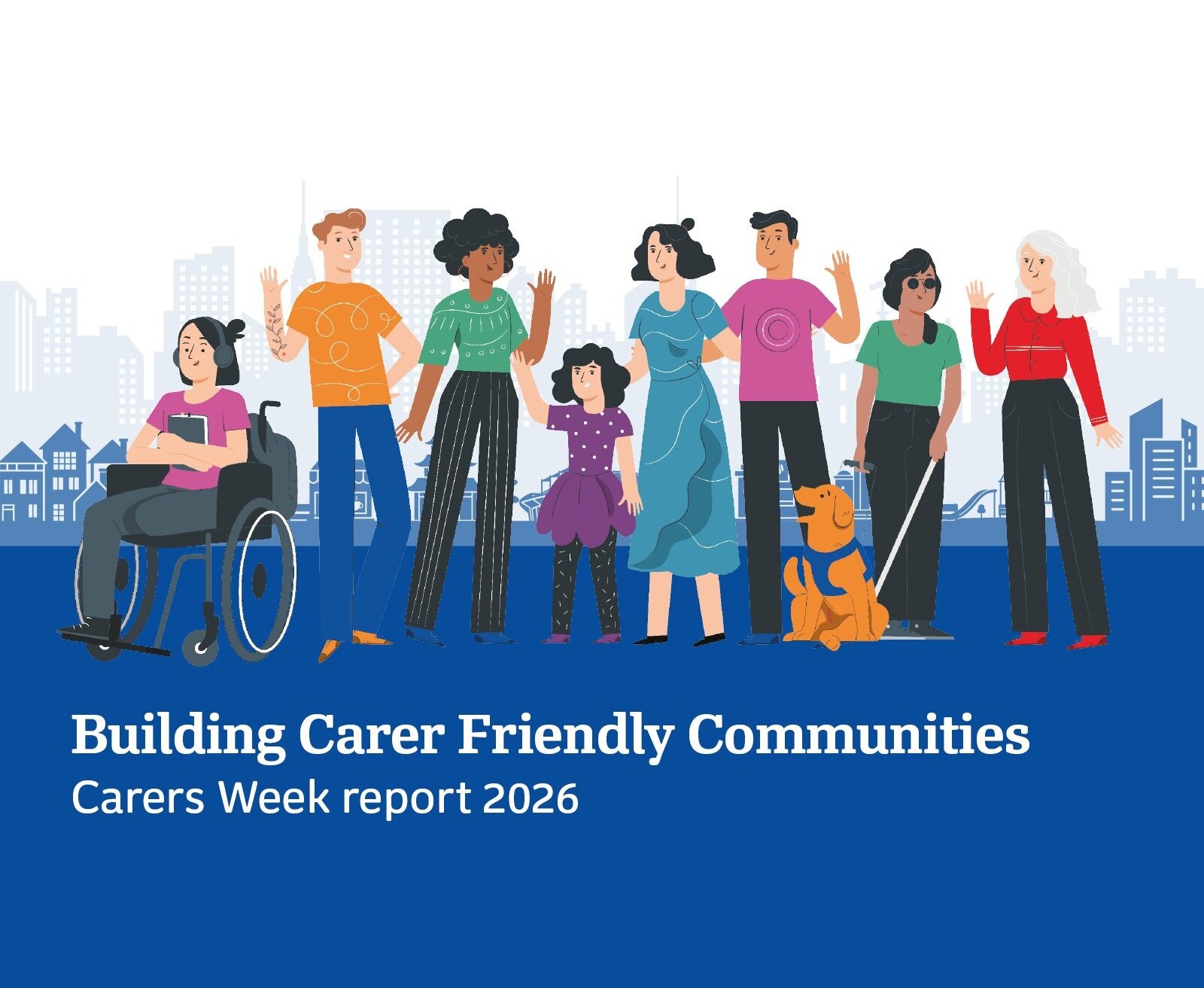 To mark Carers Week 2026, this report from Carers UK and Carers Week supporter charities shares new research about carer friendly communities. Carer friendly communities are places, spaces, services and community groups where unpaid carers are recognised, understood, and valued.
 -
Event
until
Hosted by RLDatix, this event brings together Europe’s largest community of health, care, and social care professionals, uniting leaders in service planning, clinical operations, workforce management, and safety to share insights, exchange best practice to help raise the standard of care, everywhere. Over two days, you’ll hear from leaders tackling some of the biggest challenges in healthcare today, from workforce transformation to patient safety and system-wide innovation. Agenda Register -
EventJoin patient safety and risk leaders from across NHS Wales for a focused, high-impact event exploring how to strengthen patient safety through learning, insight, and collaboration. Hear real-world examples and expert perspectives on building learning organisations, using data to drive improvement, and embedding a culture of safety enabled by digital and AI. Hosted by RLDatix, this event is a unique opportunity to step back and reflect on how we learn, improve and deliver safer care across NHS Wales. By bringing together leaders and practitioners from across organisations, the event creates space to share experiences, explore challenges openly and learn from what’s working in practice. Whether you’re shaping strategy or working on the frontline of safety and quality, this event will provide practical ideas and connections to support your work. You’ll hear directly from peers and experts who are: Turning insight from incidents, complaints and data into meaningful improvement Embedding cultures where learning is prioritised and acted upon Using digital tools and AI to enhance safety and decision-making Driving system-wide collaboration to improve patient outcomes You can find the agenda here and register here.

