


Mark Hughes
Members
-
Joined
-
Last visited
Everything posted by Mark Hughes
-
Content Article
 This update presents statistics from the Learn from Patient Safety Events (LFPSE) service, a national NHS system for the recording and analysis of patient safety events that occur in healthcare. The LFPSE definition of a patient safety incident is something unexpected or unintended has happened, or failed to happen, that could have or did lead to patient harm for one or more person(s) receiving healthcare. This report shares the patient safety incident data from April to June 2026.
 -
Content Article
 For World Patient Safety Day 2026, with the theme "Safe care for noncommunicable diseases (NCDs)”, World Health Organization (WHO) is proposing a set of goals to facilitate action for improvement at the point of care. These goals highlight priority areas where health facilities, organizations, health care leaders, managers and health practitioners can make tangible changes to reduce avoidable harm and improve safety for people living with noncommunicable diseases.
 -
Content Article
 In September 2025 the Medicines and Healthcare products Regulatory Agency (MHRA) announced the creation of a new National Commission into the Regulation of AI in Healthcare. The Commission’s purpose was to advise the MHRA on improving its regulatory framework and to accelerate safe access to AI in healthcare and across the NHS. This report summarises the Commission's final recommendations.
 -
Content ArticleNoncommunicable diseases account for the majority of the global disease burden, and patients often navigate complex care journeys that place them at increased risk of preventable harm. Advancing safer care for these patients is essential to improving outcomes and strengthening health systems worldwide. This Joint Commission International (JCI) Patient Safety Pathways Grand Rounds webinar featured conversation between a panel of global experts on this topic: Sir Aziz Sheikh, MBBS, MD - Pro-Vice-Chancellor, Head of Department and Nuffield Professor of Primary Care Health Sciences at the University of Oxford; Professorial Fellow at Harris Manchester College United Kingdom Dr. Alarcos Cieza, MSc, MPH, PhD - Head of Noncommunicable Diseases (NCD) Management, Department of NCDs and Mental Health, World Health Organization (WHO) Switzerland Dr. Albert W. Wu, MD, MPH - Fred and Juliet Soper Professor of Health Policy and Management, Johns Hopkins Bloomberg School of Public Health, United States You can access the webinar recording from the link below.
-
EventThis webinar, hosted by Patients for Patient Safety (PFPS) US, will also highlight emergent developments and solutions to longstanding patient safety challenges in the United States. The PFPS US programme opens with a welcome from Carole Hemmelgarn, Chair of the PFPS US Board of Directors, followed by remarks on the bipartisan Saving Lives and Reducing Health Care Waste by Improving Diagnosis in Medicine Act from US Senator Chris Van Hollen, an original sponsor of the bill. PFPS US President & CEO Sue Sheridan will outline a Call to Action urging national leaders to invest in diagnostic safety research and measurement, advance AI-enabled patient reporting of lived experience, and use Medicare policy levers to drive nationwide adoption of the Patient Safety Structural Measure and Age Friendly Hospital Measure. The agenda also features Leah Binder, President and CEO of the Leapfrog Group, speaking to the importance of transparency to patient safety progress. Patricia McGaffigan, Senior Advisor for Patient Safety at the Institute for Healthcare Improvement, and her colleague KellyAnne Johnson, Senior Advisor, Age-Friendly Hospital Systems, will discuss how the Age-Friendly 4Ms Framework for older adults can ensure safe care for those with noncommunicable diseases, the thematic focus of WPSD 2026. A panel led by Karen Feinstein of the Jewish Healthcare Foundation will present Safe by Design, a new model for “Ambition Health System,” an ideal, safety-focused, technology-powered health system designed by the Coalition for Safe Healthcare (CASH). Michael Rosen of Johns Hopkins Medicine and Robert El-Kareh of the University of California San Diego will join as panelists. The program closes with commentary from Michelle Schreiber, Deputy Director for Quality and Value at the CMS (Centers for Medicare & Medicaid Services) Center for Clinical Standards & Quality. Register here. PFPS US WPSD2026 Webinar Agenda.pdf
-
Event
until
Join this regional webinar and explore how we can advance safer care for people living with noncommunicable diseases (NCDs). Organized by the WHO Office on Quality of Care and Patient Safety in Athens, this special event will bring together leading experts and patient representatives for an engaging panel discussion. Why join? Explore patient safety risks linked to NCDs and multimorbidity Discover innovative approaches to improving safe, high-quality care Hear evidence, experiences and patient perspectives Promote person-centred care and collaboration across health systems Be part of the conversation and help advance safer care for everyone. Register here. -
Event
until
This webinar, hosted by the International Alliance of Patients Organizations, is being organised to mark World Patient Safety Day 2026, aligned with the theme safe care for noncommunicable diseases – 'Safe care for life!'. This 90-minute interactive session will feature a moderated panel that will bring civil society, patient organisations and health professional societies into conversation, in two rounds: 1) where and how harm happens across the noncommunicable diseases care journey, and 2) what partnership for safe care between patients and other stakeholders looks like in practice. The webinar closes with each panellist stating one concrete commitment their constituency makes towards safer noncommunicable diseases care. Dr Blerta Maliqi, Head of the Patient Safety and Quality of Care Unit (World Health Organization, HQ) will deliver the opening address and Dr Ratna Devi, IAPO board member, will serve as the session moderator. Register here. -
Event
until
Sustained education and scholarship over more than 20 years have increased baseline knowledge about the link between surgical workforce diversity, equity, inclusion and patient safety. However, emerging evidence suggests that translation of knowledge into collegial actions such as noticing and addressing inequity remains uneven. This Royal College of Surgeons of Edinburgh webinar will present a research update and practical suggestions for how to use micro-assertions effectively, both verbal and non-verbal. Aims To strengthen the ability of clinicians and leaders to recognise and address inequity in surgical workplaces through timely, effective workplace actions. Learning Objectives By the end of this webinar, attendees should be able to: Summarise current evidence on surgical workforce diversity, equity and inclusion and its link to patient safety Identify examples of behavioural, environmental and structural inequity arising in surgical contexts. Plan and practice effective micro‑assertions to raise awareness, prompt reflection, reinforce expectations and support colleagues. Register here. -
Content Article
 The Health Services Safety Investigations Body (HSSIB) Knowledge Exchange is designed to improve access to practical guidance, learning and expertise for those involved in patient safety investigations. The resource is intended to support a wide audience, including patient safety specialists, healthcare professionals, commissioners and policymakers, as well as staff, patients, families and carers involved in investigations. The Knowledge Exchange will bring together learning resources and practical guidance aimed at helping those conducting and involved in investigations to ensure they are high-quality, professional compassionate, and trauma-informed. Resources will include learning tools, guidance, webinars, blogs and practical materials, with more content being released over the coming weeks and months.
 -
Content Article
 Did you know that some healthcare titles are not legally protected so anyone can use them even if they have no training or qualifications? The Professional Standards Authority (PSA) has launched Look Before You Book, a campaign encouraging people to look for the PSA Quality Mark. When you see the Quality Mark, shown here, it's a sign that you are booking an appointment with a practitioner who is on a government-backed register. This means they are qualified, need to have the right insurance and have a complaints process you can use if something happens that you're not happy with. Their website allows you to check practitioners across different fields, including counsellors, sonographers and cosmetic practitioners. The PSA is the UK’s independent regulatory oversight body helping to protect the public by improving the regulation and registration of health and care practitioners. They review and monitor performance, produce guidance, share knowledge and expertise.
 -
Content Article
 ADHD (attention deficit hyperactivity disorder) and autism affect how people think, learn and experience the world. Getting a diagnosis and the right support can make a huge difference to someone's education, work and wellbeing. Many people trying to access ADHD and autism services face long waits, unclear information about their choices, and inconsistent care depending on where they live. This can leave people without the diagnosis or support they need for months or even years, affecting their education, work and mental health. In this report, the Parliamentary and Health Service Ombudsman (PHSO) look at the complaints people have brought to them about ADHD and autism services, to understand what is going wrong and why. They have seen a sharp rise in the number of people contacting us about these issues, more than 200% over the past four years. They share case summaries showing the impact these problems have had on people's lives, and set out what needs to change so services work better for everyone.
 -
News article
 AI technology that listens to and transcribes patients’ consultations with doctors can put them at risk by getting the names of drugs and illnesses wrong, an NHS watchdog has warned. In one case a woman was left badly shaken when the AI scribe’s summary of her conversation wrongly said she had demyelination – serious nerve damage that can lead to multiple sclerosis. It was only when the patient, an NHS health professional, queried the AI tool’s record of the result of her MRI scan that the hospital corrected it to what it should have been – “null demyelination”. Healthwatch England has highlighted the case and other mistakes by AI scribes to show that the technology, which the NHS is rolling out rapidly, is a potential threat to patient safety. Unless detected, errors could end up in patients’ medical records and affect their care, it said. Read full article. Source: The Guardian, 31 August 2026 Related reading Ambient voice technology: exploring the patient safety risks (Patient Safety Learning)
 -
News article
 Doctors have agreed the world’s first universal definition of a heart attack, paving the way for millions of women to finally receive better treatment after decades of being “deprioritised”. In one of the biggest procedural shake-ups in a generation, the world’s four leading cardiovascular health groups have signed off on new guidance for healthcare professionals when seeing suspected heart attack patients. Historically, some less common forms of heart attack, which evidence shows typically affect women far more than men, have been coded as less important, with treatment and care often worse as a result. Until now, experts said, women had been getting less effective treatments, which did not always target the specific cause of their heart attack and could even make them more unwell. The new guidance will upgrade three types of attack that are up to 10 times more common in women and often caused by childbirth, exercise and emotional stress. Read full article. Source: The Guardian, 28 August 2026 Related reading Women’s heart health is a patient safety issue
 -
News article
.png.4df285bf275f356ef17a0e2d2efda616.png) An MP has written to Northern Care Alliance NHS Foundation Trust’s Chief Executive seeking answers following reports of alleged failures in patient care across its hospitals. An investigation by The Independent and Channel 4 reported allegations from whistleblowers that patients had died during surgery without adequate investigation, while others had experienced delays to cancer diagnoses. The investigation also reported claims that some patients had been left dying or in pain in overcrowded A&E corridors, while others had undergone invasive treatments that might have been avoided if their care had not been delayed. The reports have prompted Elsie Blundell, MP for Heywood and Middleton North, to contact the Trust’s Chief Executive. Read full article. Source: Building Better Healthcare, 28 August 2026
An MP has written to Northern Care Alliance NHS Foundation Trust’s Chief Executive seeking answers following reports of alleged failures in patient care across its hospitals. An investigation by The Independent and Channel 4 reported allegations from whistleblowers that patients had died during surgery without adequate investigation, while others had experienced delays to cancer diagnoses. The investigation also reported claims that some patients had been left dying or in pain in overcrowded A&E corridors, while others had undergone invasive treatments that might have been avoided if their care had not been delayed. The reports have prompted Elsie Blundell, MP for Heywood and Middleton North, to contact the Trust’s Chief Executive. Read full article. Source: Building Better Healthcare, 28 August 2026 -
News article
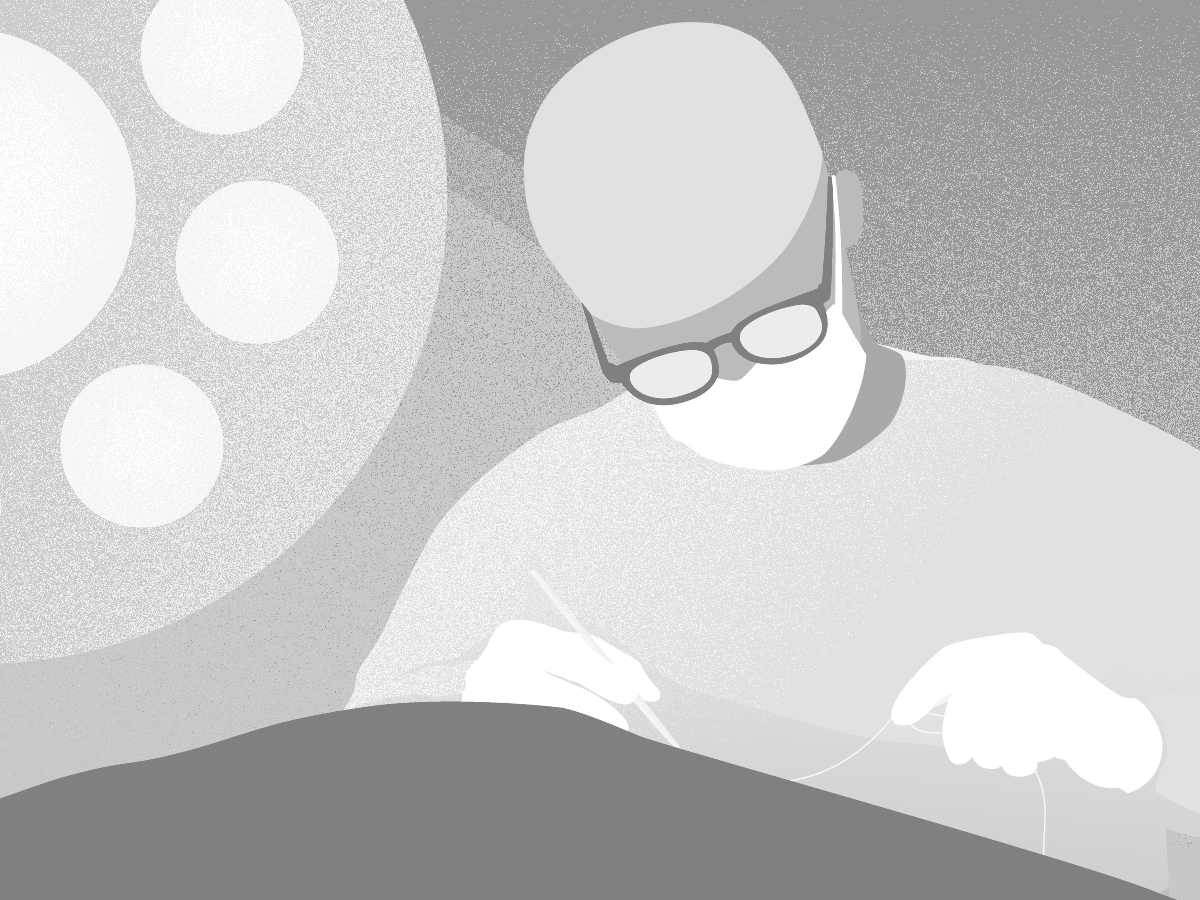 A teenage girl has become the first UK patient to receive a dissolvable implant designed to close a hole in her heart roughly the size of a 10 pence piece. Lillie Yale, a 14-year-old from Warrington, had previously faced the prospect of a permanent metal device, which could have disrupted her dream of becoming a professional rugby player. Instead, the biodegradable device will serve as a scaffold, allowing Lillie’s heart to repair itself over coming months and years before fully dissolving and leaving no trace behind. The operation was carried out in June by surgical experts at Alder Hey Children’s NHS Foundation Trust in Liverpool. The hospital secured a special licence from the medicines regulator to use Memosorb on Lillie. Read full article. Source: The Independent, 28 August 2026
 -
News article
 One of the NHS’s most troubled trusts made an unsuccessful attempt to prevent the Care Quality Commission issuing it with a warning notice. The CQC inspected East Kent University Foundation Trust’s Queen Elizabeth, the Queen Mother Hospital in Margate in January. The commission found the hospital’s urgent and emergency services under severe pressure and on the point of declaring a critical incident. At one stage, the inspectors observed that 28 patients were being cared for in temporary escalation areas, with 50 more in the main waiting area and others in specialty and observation areas. East Kent appealed against the warning notice, but this was not upheld by the CQC. However, two points relating to monitoring of nutrition and hydration, and inconsistent physical health monitoring in the mental health lounge were removed from the required actions. Read full article (paywalled). Source: Health Service Journal, 28 August 2026
 -
News article
 Autism and ADHD care is at risk of descending into chaos, NHS bosses are warning, as costs spiral out of control and unregulated private providers capitalise on the huge demand for help. The NHS Alliance, which represents health managers, says the current system represents a "bad deal" for patients and taxpayers alike. It points to big variations in what the NHS is being charged for assessments and care - in one case, a local health board was paying £300 to £3,000 for similar services. The group says there has been a rapid expansion in new providers – both private firms and charities are involved - and NHS managers are struggling to ensure the quality and safety of care being provided. The government said an independent review into services and what is behind the rising demand, including whether there is over-diagnosis of these conditions, would be published soon. Read full article. Source, BBC News, 28 August 2026
 -
Content Article
 The Medicines and Healthcare products Regulatory Agency (MHRA) regulates medicines, medical devices and blood components for transfusion in the UK. This roundup provides a summary of their latest safety advice for medicines and medical device users. It includes details of medicine recalls, medical device field safety notices and details of how to report drug reactions and device incidents.
 -
News article
 Surgical teams at Stockport NHS Foundation Trust are leading the way in patient safety innovation after becoming the first NHS trust in the UK to pilot a groundbreaking voice recognition system in a surgical setting. The new Voice-Care technology is designed to improve compliance with critical safety procedures, reduce the risk of human error and streamline operating theatre workflows. The hands-free digital platform enables surgical teams to complete essential safety checks through spoken commands, removing the need for manual paperwork while supporting full compliance with World Health Organisation Surgical Safety Checklist standards. Operating theatres are fast-paced environments where distractions can occur. Voice-Care acts as a digital co-pilot for clinical teams, guiding staff through key safety protocols and ensuring crucial steps are not missed. By automating documentation, the system also reduces administrative burden and allows clinicians to focus more of their time on delivering patient care. Read full article. Source: National Health Executive, 24 August 2026
 -
News article
 An independent assessor is required to determine appropriate staffing levels at Cork University Hospital (CUH), consultants have urged. In a letter to Minister for Health Jennifer Carroll MacNeill on Wednesday, the consultants wrote that a staffing shortfall was “already affecting patient services and will increase the risk to the safety of CUH patients heading into the winter period”. “We believe that this has occurred as a result of years of underfunding relative to other similar-sized hospitals. This, we contend, is due, in part, to a recurring desire of CUH management over many years to stay within their budget allocation when other hospitals did not.” On Wednesday morning the Minister said CUH must improve in managing its budget and deploying its resources. Read full article. Source: The Irish Times, 26 August 2026
 -
News article
 Involving a patient's family and friends as part of a new approach to mental health treatment makes it three times less likely they will be admitted to psychiatric hospital, research has found. Patients rated their recovery and quality of life more highly than those who were treated in the traditional way, the study published in The Lancet Psychiatry also found. It is the first major study of Open Dialogue, a way of providing treatment and organising mental health services that involves focusing on the patient's priorities, seeing the same clinicians, and involving people close to them. But, the trial, in five NHS trust areas, found it did not stop patients suffering relapses, and some critics say there needs to be further research into its effectiveness. Read full article. Source: BBC News, 27 August 2026
 -
News article
 Almost 200 patients suffered harm after a major teaching trust failed to manage its neurological waiting lists effectively, Health Service Journal has discovered. A total of 195 multiple sclerosis patients were affected at University Hospitals Birmingham Foundation Trust after missing appointments and opportunities to start treatment, documents obtained by Health Service Journal under the Freedom of Information Act show. Securing the information from the trust took more than six months. Read full article (Paywalled). Source: Health Service Journal, 27 August 2026
 -
News article
 A 48-year-old man has become the first patient in the world to have a brain tumour removed while medical teams used real-time artificial intelligence during surgery. Surgeons at the National Hospital for Neurology and Neurosurgery, part of University College London Hospitals NHS Foundation Trust, operated on Rhys Hibbert using novel technology which helps identify miniscule brain anatomy by colour coding, or segmenting, crucial structures to help clinicians recognise them safely. The hospital has been using the technology as a research tool for some time, but the operation, which was conducted in May, marked the very first occasion it has been used on a live patient. Specialists used the innovative tool to remove a growth on Mr Hibbert’s pituitary gland. Mr Hibbert, from Bedfordshire, said the operation saved his sight and he is now back at work as a customer services manager and a community volunteer. Read full article. Source: The Independent, 27 August 2026
 -
Content Article
 This indictor explores patient safety in hospitals by examining inpatient falls and pressure ulcers, blood clots following hospital care and whether patients are told about medication side effects to watch for. This has been published by the Nuffield Trust as part of QualityWatch, a research programme supported by the Health Foundation monitoring how the quality of health and social care is changing over time.
 -
Event
until
Join WHO for the World Patient Safety Day 2026 Global Dialogue under the slogan "Safe care for life!" The webinar will bring together people with lived experience, policy-makers, health care leaders, health practitioners, civil society and international partners to shed light on the human and public health burden of unsafe care for people living with noncommunicable diseases (NCDs), identify priorities for safer care and explore how patient safety can be integrated into NCD policies, programmes and services. Programme highlights include: Opening addresses from WHO leadership. A voice of lived experience. Launch of the World Patient Safety Day 2026 campaign and Goals Preliminary findings from a global systematic review on the burden of unsafe care in NCDs. Initial results from the OECD report on the economic implications of patient safety in the management of NCDs. Global dialogue on strengthening patient safety acros NCD policy and service delivery, moderated by Sir Liam Donaldson. Partner commitments to advance patient safety in NCD care. Register here. WPSD 2026 Webinar_Safe care for noncommunicable diseases.pdf

.png.4df285bf275f356ef17a0e2d2efda616.png)
