


Patient Safety Learning
Administrators
-
Joined
-
Last visited
Everything posted by Patient Safety Learning
-
News article
 Politically unpopular and “very difficult” decisions are required to tackle rising maternal death rates and improve safety, a leading academic has warned. Marian Knight, who investigates maternal deaths for the MBRRACE-UK programme, said a lack of capacity for C-sections was a “patient safety issue we need to be actively managing”. She said the NHS had to think about “consolidation into fewer, bigger [maternity] units” to better manage C-sections, which currently account for around half of births in England. Professor Knight’s comments follow the publication of the programme’s most recent report into maternal mortality last week. It found that women who died between 2022 and 2024 had faced delays and postponements of scheduled C-sections, with assessors warning that limited availability of operating theatres and appropriately skilled surgeons may have worsened their outcomes. The report said that “it was not clear if the safety of services is maintained in light of [the] increased demand [for C-sections].” It therefore recommended that the Department of Health and Social Care review theatre and workforce capacity planning guidance to manage the additional workload. Read full story (paywalled) Source: HSJ, 15 September 2026
 -
Content Article
 Samia Sukama from West Hertfordshire Teaching Hospitals NHS Trust shares a poster used to support staff involved in an investigation.
 -
News article
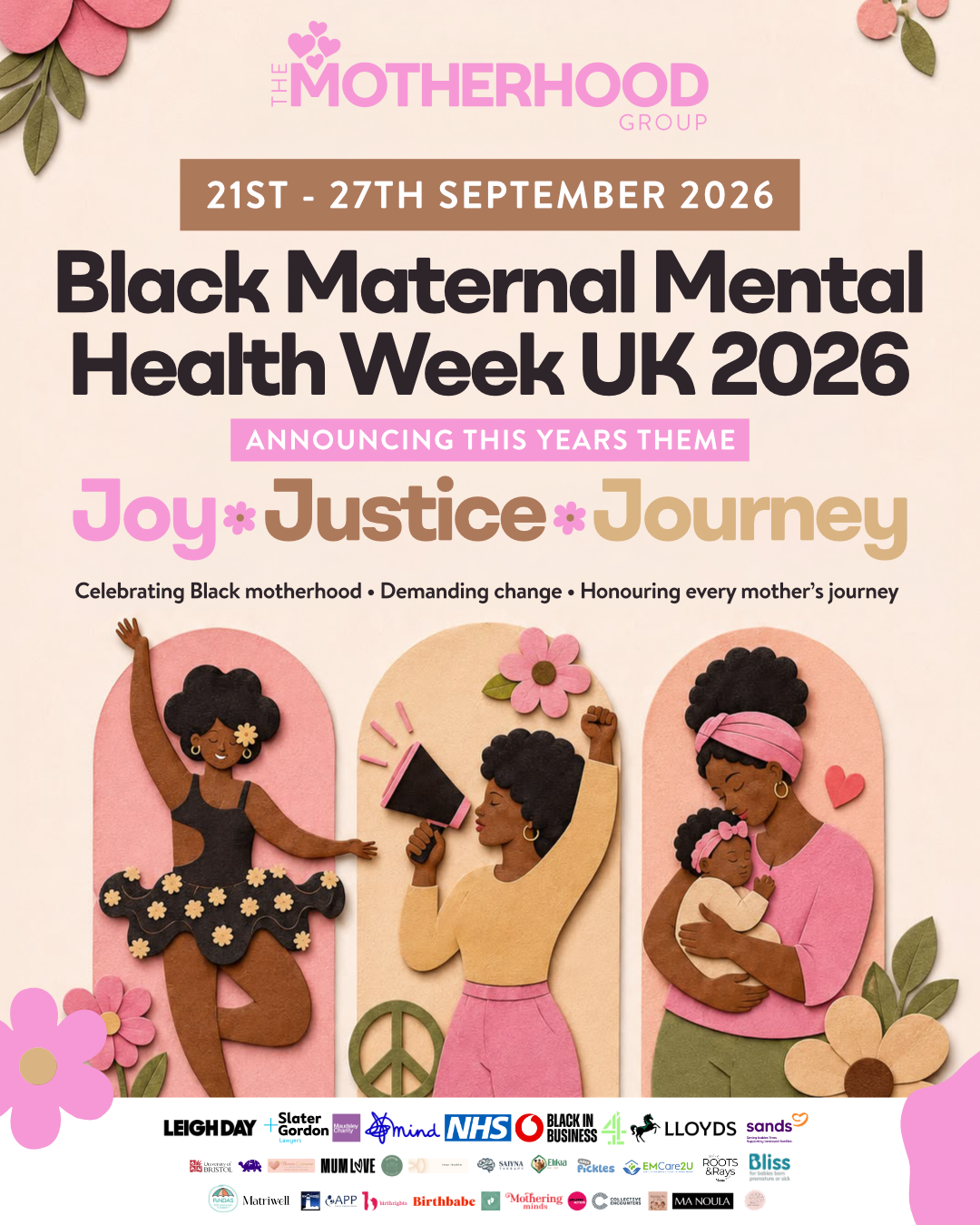 Sandra Igwe MBE is Founder and CEO of The Motherhood Group, which began with mothers connecting and speaking honestly about experiences that too often remained invisible. It has since supported more than 18,000 mothers through community, counselling, peer support, programmes, advocacy, research, training and partnerships with health services and other institutions. That same principle sits behind Mumbrite, a new digital maternal wellbeing and community platform. Mumbrite is designed to help mothers discover support, connect with others and feel that they belong. Through live audio conversations, expert-led sessions, culturally responsive wellbeing support, community profiles and events, mothers can enter a space without the pressure of having to perform or explain every part of themselves. Digital and community provision can be especially valuable for a mother who is isolated, caring for a baby, returning to work, coping with baby loss or birth trauma, or not yet ready to walk into a clinical setting. It can help create a bridge. It must be responsibly governed and linked to appropriate professional pathways, but it should be recognised as part of the wider safety ecosystem rather than treated as peripheral. In August, Channel 4 and Lloyds named Mumbrite one of four 2026 Black in Business winners. The award includes £200,000 of Channel 4 advertising airtime, a bespoke television campaign produced with Quiet Storm, and six months of marketing support and business mentoring from Lloyds. The advert is due to air in 2027. This is not a £200,000 cash grant. Its significance is visibility and reach. It will allow a platform created from Black mothers’ lived experience to enter homes across the country and reach women who may never have known that culturally responsive support existed for them. For Black founders and Black communities, it is also a reminder that our ideas, expertise and solutions deserve investment, national visibility and room to grow. Most importantly, the opportunity can help more mothers find community and support earlier. Visibility alone does not reform a system, but visibility can open a door. What happens after that door opens must be backed by safe pathways, skilled practitioners, sustainable commissioning and meaningful partnership with the communities being served. Black Maternal Mental Health Week UK 2026 takes place from Monday 21 to Sunday 27 September.
 -
News article
 A body being prepared for release in a hospital mortuary was visible from a publicly accessible footpath through a fire exit door propped open in hot weather, inspectors have found. The Human Tissue Authority said the mortuary office fire exit door at Worthing Hospital was “frequently opened for ventilation during periods of hot weather” and, when propped, gave “unrestricted access to the body store”. The camera covering it was not working, though the trust provided evidence on this before the report was published. Inspectors could also see into the body store from the same footpath through the funeral directors’ entrance, where the doors were slow to close and had been left substantially open after a release. The inspection, on 7 and 8 July, came less than three weeks after NHS England ordered every trust to review mortuary security, CCTV, estates, and staffing following “shocking” findings at Nottingham University Hospitals Trust. Read full story (paywalled) Source: HSJ, 14 September 2026
 -
News article
 America’s cancer treatment centres are continuing to face a years-long cancer drug shortage with implications for patient care, a new survey of more than 30 academic facilities reveals. All of the centres included in the survey report experiencing a shortage for at least one anti-cancer therapy and more than 20% of centres are currently in shortage for five or more different medications. The drugs treat some of the top-killing cancers, including testicular, bladder, uterine, ovarian, lung and breast cancer. "It is disheartening that we remain in the same situation, including recurring or continued shortages of some drugs, despite years of raising the alarm," Dr. Crystal Denlinger, CEO of the non-profit National Comprehensive Cancer Network, said in a statement. While care centers have developed strategies for keeping patient care and clinical trials on track, the shortages takes time and attention from treatment and adds stress to an already burdened system, she noted. Some of the drugs most affected include ovarian cancer-fighting carboplatin, lung cancer-treating ifosfamide and bladder cancer-targeting cisplatin - though the drugs also work to treat other cancer types. The Trump administration told The New York Times in June that the Department of Health and Human Services was working to alleviate the shortages and considering temporarily allowing imports of medications from companies that do not typically send supplies to the U.S. Read full story Source: The Independent, 11 September 2026
 -
News article
 GP leaders and experts are warning of an ‘increasingly urgent’ need to switch patients with diabetes from Levemir insulin before it is discontinued at the end of this year. Local medical committees in London are among those writing to the integrated care board with patient safety concerns after pharmacies in the area are already reporting intermittent supply problems. Manufacturer Novo Nordisk informed the Department of Health and Social Care in September 2024 that it would be withdrawing several older insulins including Levemir (insulin determir) in both its Penfill and Flexpen options. Joint guidance has been issued from professional diabetes associations on alternatives to mitigate against knock-on shortages of other insulins. It is thought thousands of patients could still be using Levemir and experts warned that switching was complex. Dr Stephen Lawrence, a GP and associate clinical professor in primary care at Warwick University, said the discontinuation of Levemir was a ‘genuine patient safety concern’. ‘Insulin detemir cannot simply be replaced through an automatic prescription substitution. ‘There is no direct like-for-like alternative: the choice of basal insulin, dose, injection timing and delivery device must be tailored to the individual, with education and closer glucose monitoring during the early weeks after the change.’ He added it would be ‘unsafe’ to expect already pressured practices to absorb a large programme of reviews without safeguards. "General practice may be well placed to deliver many switches, particularly where practices have established diabetes expertise. "But it must be accompanied by protected capacity, training, a funded and clearly commissioned pathway, robust clinical governance and timely access to specialist diabetes advice for more complex patients." Read full story Source: Pulse, 11 September 2026
 -
News article
 A €5bn (£4.3bn) EU fund which invests in some of the continent's most promising scale-up technology companies is leading a $100m (£73.9m) funding round for Tandem Health, an AI medical assistant which has built a presence at the epicentre of Britain's private healthcare industry. Sky News has learnt that Swedish-based Tandem Health will announce on Monday that it has finalised a Series B fundraising led by the Scaleup Europe Fund, which is managed by the Stockholm-based private equity behemoth EQT. Tandem Health was launched with the aim of reducing the administrative burden associated with clinical healthcare by using AI to generate notes while medical experts speak to patients. In the UK, the company has a partnership with Accurx which has given hundreds of thousands of NHS practitioners access to Tandem Health's technology. Tandem Health cites evidence showing that clinicians using its products report a 29% reduction in the amount of time they spend on administrative tasks. Its AI medical assistant prepares patient summaries prior to appointments, provides clinical decision support during consultations and automatically handles the documentation and coding which follows. Tandem Health says it is used by 10,000 care organisations across 14 European countries. Read full story Source: Sky News, 13 September 2026
 -
Content Article
 Dementia is the biggest health and care issue facing our society today. Around one million people live with the condition in the UK and prevalence is set to rise to 1.4 million by 2040.[1] The focus of this year’s World Patient Safety Day is "Safe care for noncommunicable diseases” and highlights the need to reduce preventable harm for people living with long-term conditions by emphasising the importance of early diagnosis, coordinated care, a skilled workforce and meaningful involvement of people with lived experience. This is also reflected in the World Alzheimer’s Month campaign this September: "The earlier you know, the more you can do: A dementia diagnosis matters", which seeks to tackle the persistent stigma and discrimination surrounding dementia by shining a spotlight on the timely and important issue of early diagnosis. In this blog, Bella Smith, a Policy Officer at Alzheimer’s Society, reflects on what safe care means for people living with dementia. This blog is part of a series on noncommunicable diseases, in support of World Patient Safety Day 2026 (WPSD26).
 -
Content Article
 Safety cases are discussed widely in the literature, and have seen adoption within industry. Although steps have been made to increase their effectiveness, these have typically focused on the content of safety case arguments in isolation. However, such an approach overlooks a key question: who is making the argument for safety, and, more importantly, who are they arguing to? From a sociolinguistic perspective, argumentation is an element of social communication involving cooperation and persuasion between parties to gain mutual understanding. By understanding how people argue, it may be possible to suggest new and practical insights for improving safety cases, by understanding the people who create and interact with them. This paper applies a sociolinguistic perspective to safety cases to understand how argumentation is used. In doing so, two insights are learnt: the persuasiveness of the language used within safety case arguments is context-dependent, and safety cases are not just a product but a process by which discussions and arguments around safety are conducted. Implications for viewing safety cases in this way are explored, as well as future research directions.
 -
News article
 The NHS has received its first clinical negligence claims related to the use of artificial intelligence, HSJ can reveal. NHS Resolution, which handles compensation claims brought against NHS trusts, yesterday confirmed it had received a “small volume of claims” in which “the use of AI in delivering patient care is a potential factor”. It is the first time AI has been cited as a factor in patient harm in the UK. HSJ earlier this year revealed the General Medical Council had received its first referrals over doctors misusing the technology. NHS Resolution, an arm’s-length body of the Department of Health and Social Care which handles billions of pounds worth of compensation payments each year, would not give any details about the claims. A spokesperson said: “Given the small volume of claims, we’re unable to discuss these due to the risk of identification of individuals.” However, in guidance this morning the organisation said there were three likely categories for AI negligence claims: clinicians inappropriately relying on the AI and not applying their own judgement, using an AI for which a clinician is not trained, and ignoring the “known limitations/performance concerns” of an AI system. The submission of the first claims does not necessarily mean patient harm occurred, or that AI is the main cause. Read full story (paywalled) Source: HSJ, 11 September 2026 Related reading on the hub: Ambient voice technology: exploring the patient safety risks (Patient Safety Learning) MHRA: Medical device regulation for ambient voice technology products Balancing promise and risk: AI hallucinations, confabulations and omissions in healthcare National Commission into the Regulation of AI in Healthcare: Recommendations for a future regulatory framework
 -
Event
until
Consent is a process of communication and shared decision-making, where patients should have the information they need to make a genuine and informed choice about their care. Patient consent is given, not taken. And is much more than just signing forms and saying yes. This webinar will explore what meaningful consent looks like in practice, for both patients and healthcare professionals. We will consider the difference between simply agreeing to something and giving informed consent, what information patients should expect to receive, and how healthcare professionals can support people to ask questions, express concerns and make choices that are right for them. It will also explore consent as an ongoing process rather than a one-off event, including what happens when circumstances or preferences change. The webinar will consider how we can move away from consent being treated as a form or tick-box exercise and towards a culture where patients feel able to speak up and where healthcare professionals genuinely listen. Register -
News article
 The NHS came under its most intense strain ever as a result of the summer’s five heatwaves, amid warnings that extreme heat is having an unprecedented impact on human health. A&E units, ambulance services and the NHS 111 telephone advice line all experienced record demand for their services in England in June, July and August as Britain experienced record temperatures. NHS England’s latest performance statistics, published on Thursday, prompted claims that the growing climate emergency has left the NHS with a “twin crisis” as it struggles to meet patients’ need for care in the summer as well as winter. “Extreme heat is now an NHS pressure point, not just a weather story,” said Sarah Woolnough, the chief executive of the King’s Fund health thinktank. “The NHS is now facing a twin crisis, with summer joining winter as a major pressure on services and leaving little room for staff and the system to recover between peak periods. “One major factor is climate change. As its effects become more pronounced and record-breaking heatwaves become more frequent, the impacts on people’s health and our health system are becoming more obvious,” she added. Read full story Source: The Guardian, 10 September 2026
 -
News article
 Nearly half of health boards in England are deliberately delaying care for patients by imposing minimum waiting times, The BMJ can reveal. A total of 17 of the 36 integrated care boards (ICBs) have introduced minimum waits of between 12 and 16 weeks for procedures including hip, knee, and cataract surgery, freedom of information requests show. The Royal College of Surgeons said it was “concerned by the scale” of measures that can prolong patients’ pain, while the Royal College of General Practitioners said the thresholds were “difficult to justify.” The minimum waits are being used by local ICBs as a rationing tool to slow down the rate of procedures and control costs. But experts pointed out that imposing blanket 16 week waits, in particular, meant that patients were likely to breach the 18 week target. Reacting to the data, the Royal College of Surgeons of England’s president, Tim Lane, said, “We are concerned by the scale of this and, particularly, by the variation in approaches between ICBs. “Patients should be able to expect that access to treatment is determined by their clinical need, not by where they live. “We recognise the significant financial and capacity pressures facing the NHS, but minimum waits risk meaning that patients who are clinically ready for treatment are deliberately made to wait. He added, “For patients, this can mean living with pain, living with reduced mobility, experiencing anxiety for longer, as well as being unable to work or carry out normal activities. “There is also a risk that a patient’s condition may deteriorate while they are waiting, potentially changing their clinical needs and priority for treatment.” Read full story Source: BMJ, 9 September 2026
 -
News article
 Concerns over patient safety at a north Wales hospital have prompted a call for a health board chief executive to resign. Healthcare Inspectorate Wales (HIW) visited the emergency department at Ysbyty Glan Clwyd, Denbighshire, in May and said it needed "significant improvements." A follow-up last month found progress had been made but challenges remained and "enhanced oversight" of the department was still needed. The emergency department at Ysbyty Glan Clwyd came out of special scrutiny in 2024 before being given the designation again in summer 2026. In its report, HIW said it identified "several immediate assurance concerns that required urgent action by the health board" relating to waiting area safety, paediatric emergency care, medicines and equipment management, and safeguarding oversight. Patients, relatives and carers also shared their experiences in 660 survey responses, highlighting long waiting times, overcrowding and issues relating to privacy and dignity - though they also recognised the compassion and professionalism of staff. A follow-up visit over two days in August found improvements including in staff wellbeing and engagement, patient flow, and paediatric governance. But the HIW report also flagged challenges still which remained in waiting room oversight and reducing delays in medial and surgical referrals. It said enhanced monitoring would focus not just on if actions had been completed, but also on whether they were "delivering measurable improvements, reducing risk and making a sustained difference to the experience of patients and staff." Read full story Source: BBC News, 10 September 2026
 -
Content Article
 Psychologically safe environments, in which patients feel respected, able to ask questions, and comfortable raising concerns, are key aspects of person-centred care and overall quality of care. Examining the psychological aspect of managing medications remains underexplored despite its potential to improve patient safety and quality of care. To date, there is limited research on the perceptions of psychological safety among patients when discussing medications with their healthcare providers (HCPs). To address this gap, the authors of this study explored perceptions of patient psychological safety during clinical encounters for medication management within primary and community care settings.
 -
News article
 People will be able to go to their local chemist in England this autumn and get on-the-spot treatment for 12 common conditions without going to their GP first. Pharmacists can already prescribe medication for seven conditions - sore throat, earache, sinusitis, shingles, impetigo, infected bites and urinary tract infections. Five more - migraines, acne, scabies, ear infections and badly blocked noses - are now also being added to that list. NHS England said the move was to ease pressure on busy GPs and A&E departments while making sure people could get treatment quickly and conveniently. Read full story Source: BBC News, 10 September 2026
 -
News article
 Alan was diagnosed with lung cancer after a nodule was found in June last year. The 70-year-old was meant to be operated on within weeks but ended up waiting nearly five months, by which time the cancer had spread, making his surgery more complex. "I was so frustrated and angry and couldn't understand why they would leave me like that," says Alan. On two occasions, scans were cancelled because machines had broken and for weeks he heard little or nothing from the hospital about when he would eventually have the urgent surgery. Alan is one of thousands each month in England who are not being treated within the target timeframe. Earlier this year, the government's National Cancer Plan, along with the NHS Planning Guidance, set out that 80% of patients in England would start treatment within 62 days from urgent GP referral by March 2027. This was to reach 85% by March 2027. But in the months since the government announced this ambition, performance has got worse, according to NHS England data, not better. Now, 69.9% of patients start cancer treatment within the 62 day timeframe. Previously it was 71.9%. Prof Pat Price, a leading UK clinical academic oncologist, says the government targets "are now simply impossible to hit", after what she describes as a "complete loss of momentum". Price attributes the current failures to a "complete lack of a plan or accountability". Read full story Source: BBC News, 10 September 2026
 -
News article
 Scientists say they have uncovered genetic "footprints" responsible for 85 per cent of prostate cancers, offering vital insights into why the disease turns fatal in some men. Describing the findings as "hugely exciting", experts said the discovery might eventually ensure high-risk cancers are detected sooner, enabling men to receive more personalised treatment options. For the new study, published in the journal Nature, researchers evaluated tumour tissue samples provided by 959 men. In total, scientists identified eight distinct genetic "footprints" that explain approximately 85% of prostate cancer cases. Crucially, four of these "integrated mutational footprints" were associated with aggressive tumours that were more prone to spreading outside of the prostate. The new study, from the Pan Prostate Cancer Group (PPCG) – a global consortium which has now collected molecular data on more than 2,000 prostate cancers, also found other footprints were linked to age and ancestry, including patterns that were more common in black men. The research team said the next step is to use the findings to develop and test classification systems for prostate cancer tumours using molecular information. This could in turn help identify aggressive cancers sooner and help guide personalised treatment decisions, they added. “Ultimately, we hope this knowledge will lead to better tests, earlier identification of high-risk cancers and more personalised care, so that more patients receive the right treatment at the right time.” Read full story Source: The Independent, 9 September 2026
 -
News article
 The UK needs new regulations for AI products used in the NHS and other healthcare settings, says Britain's industry watchdog. The Medicines and Healthcare Products Regulatory Agency (MHRA), which regulates all medical devices and licenses treatment drugs in the UK, has published 44 recommendations to update its policies as the use of AI in the sector rises. The technology will soon be routinely used within the NHS, MHRA chief Lawrence Tallon told the BBC. "What I would expect is that patients will... increasingly see AI as part of the way that normal NHS healthcare is delivered," he said. "That should happen in a way that they can maintain their trust and their confidence in what's happening." The report was compiled by an independent commission and involved input from more than 12,000 people including patients and clinicians. The recommendations include: Continuously monitoring AI products and removing them from regulatory approval if they malfunction or become less effective over time Giving patients the right to know whether AI is involved in their care, and easy access to information about the products involved The power to penalise the developers of an AI product if it fails to meet required standards An AI "L plate" system which would make it easier for new AI models to be trialled by healthcare professionals under close supervision Read full story (paywalled) Source: BBC News, 10 September 2026
 -
Content Article
 At Patient Safety Learning we believe that sharing insights and learning is vital to improving outcomes and reducing harm. That's why we created the hub; providing a space for people to come together and share their experiences, resources and good practice examples. In this Top picks, we’ve pulled together tools, quality improvement projects, blogs and reports shared on the hub to help reduce and prevent falls in healthcare settings.
 -
Content Article
 Ambient artificial intelligence scribes (ambient scribes) are increasingly used across healthcare systems to support clinical documentation. Implementation strategies and associated research have been mainly concerned with the ability to accurately and efficiently produce clinical notes. Some concerns have been raised, such as potential hallucinations or omissions that require editorial work of clinicians, but this research has not moved beyond the technical performance of ambient scribes. This study published in BMJ Digital Health and AI sought to synthesise emerging evidence and perspectives on ambient scribes from a sociotechnical perspective, focusing on how these systems interact with existing clinical work practices and organisational processes. The authors of the study identified few empirical studies examining the risks of ambient scribes, and even fewer investigating their implementation and adoption in practice. Existing research has focused predominantly on their potential to reduce administrative burden and improve efficiency. However, ambient scribes do more than automate note-taking. They actively shape clinical workflows and patient-clinician interactions and change the nature and function of clinical documentation. This suggests that there has been a de facto acceptance by policymakers and practitioners of the value proposition without critically examining the underlying assumptions and broader consequences. Ambient scribes must be understood as complex interv
 -
News article
 Ministers have indicated they will amend the Health Bill in the Lords to preserve an independent local voice for patients and care users. Speaking in the Commons last night, health minister Karin Smyth committed to “review these provisions [on the abolition of Healthwatch] and ensure that our approach sufficiently empowers and devolves to local populations”. HSJ understands MPs have been assured there will be changes to the bill, although details have not been decided. Rachael Maskell, the backbench Labour MP who has campaigned to retain and strengthen Healthwatch, said ministers now accepted its independent role was important and had pledged to develop the detail of their new proposals with her and other MPs. As Greater Manchester mayor last November, Andy Burnham argued against abolishing Healthwatch, saying: “People speak to Healthwatch because they are outside the system – they are impartial, trusted, and provide a safe space for concerns to be shared.” Read full story (paywalled) Source: HSJ, 9 September 2026
 -
Content Article
 Americans understandably worry about affording healthcare. But they should also be concerned about its safety. Every day patients are harmed - not due to lack of medical advancement, but because our health system too often fails to learn from its own mistakes. As a result, medical errors are estimated to be the third leading cause of death behind only heart disease and cancer. Many patients assume our health system continually learns how to prevent these avoidable harms. That's the goal, but that learning doesn't happen by accident. The federal agency, the Agency for Healthcare Research and Quality (AHRQ), is dedicated to conducting and funding scientific research that makes patient care safer. AHRQ, established with bipartisan support in Congress, has a mandate that evolved to study how and why patients are harmed; develop practical tools for hospitals, clinicians, and patients; measure quality; identify best practices; and translate research into everyday care. Implementing safe care practices is a win-win for all - avoiding harm and enhancing affordability. But this summer, there has been a large wave of AHRQ grant cancellations, which will halt research into pressing patient safety issues and is a cause for concern.
 -
News article
 For 10 of Healthgrades’ “triple crown” awardees, the source of their success is a strong culture focused on the patient-first mindset and staff empowerment. Healthgrades recognised the 16 hospitals that earned Outstanding Patient Experience, Patient Safety Excellence, and America’s Best Hospitals distinctions for 2026 — making them “Triple Crown” awardees. The organisation evaluated 3,020 hospitals that submitted at least 100 patient experience surveys to CMS’ Hospital Consumer Assessment of Healthcare Providers and Systems between January and December 2024. Hospitals were evaluated on patient survey data on 10 patient experience measures. Recipients of the outstanding patient experience award earned the highest overall experience scores. Becker’s asked leaders at these hospitals what operational or cultural factors were pivotal in becoming a Triple Crown awardee, and what results these factors have led to. David Bernard, CEO of Houston Methodist The Woodlands (Texas), said: "Our focus on safety, quality and patient experience has led to better outcomes, safer care and a more compassionate, personalised experience for the patients and families we serve. It has also shaped a culture where safety, quality and service are inseparable, what we often refer to as our sacred ‘AND.’ We believe patients should never have to choose between exceptional clinical outcomes, a safe environment and an outstanding care experience. That commitment challenges every member of our team to work together and continuously elevate all three. The result is highly reliable, patient-centred care that improves lives, earns the trust of our patients and families and strengthens our ability to meet the evolving healthcare needs of our growing community for years to come". Shabnam Lankarani, DO. Chief Medical Officer at Inova Fair Oaks Hospital (Fairfax, Va.) said: "Our philosophy has always been simple: do the right thing for patients and team members, and the results will follow. We have built a strong culture of safety and psychological safety, where team members are encouraged to speak up, learn from near misses and great catches, and address challenges early. Daily huddles and our 3×5 Safety Toolkit — a high reliability framework built to strengthen a culture of safety and team performance — help make those practices part of our everyday work. Just as importantly, our team members are at the center of everything we do. We invest in them, listen to them and work together across the system to continuously improve care." Read full story Source: Becker's Clinical Leadership, 14 August 2026
 -
News article
 Cyber resiliency analyst Jonathon Guthrie unspools 150 feet of ethernet cable across a UC San Diego campus lawn toward undergraduate student Almog Bar-Yossef. They hook the cable up to a metal antenna that receives a satellite internet connection. The cable extends down a staircase into the UC San Diego School of Medicine Simulation Training Center, where it will be connected to a hub that generates a private wireless 5G cellular network. Here, physicians Jeff Tully and Christian Dameff, join computer scientists, engineers and students as they unload multiple laptops, a server, patient monitors and clinical equipment from giant black hard cases. The team is preparing to run a test deployment of Project CRASHCART. “Project CRASHCART is a hospital IT system in a box,” said Tully, a clinical associate professor of anesthesiology at the School of Medicine, who co-directs the UC San Diego Center for Healthcare Cybersecurity together with Dameff, an associate professor of emergency medicine, biomedical informatics and computer science. The mobile backup computing system — which fills most of a nine-foot cargo van — is designed to restore essential digital tools, such as patient records, communication networks and clinical workflows to a 20-bed emergency department at a small hospital in the wake of a malicious cyberattack. “We’re seeing more and more cyberattacks on critical hospital infrastructure,” said Dameff. As clinicians, Tully and Dameff have witnessed firsthand how cyberattacks can disrupt patient care and compromise safety. “We take care of patients — often very sick patients — every day in the hospital, and we rely on dozens of tools and technologies connected to the internet,” said Tully. Everything, from ambulance communications systems and electronic health records (EHRs) to imaging equipment and laboratory systems, is at risk. “Ransomware and other attacks on national critical health care infrastructure are a serious patient safety problem. They can disrupt the care of patients with time-sensitive medical conditions, such as stroke, heart attack or sepsis, and lead to worse outcomes.” That’s where Project CRASHCART comes in. It can be deployed to ensure that essential networked technologies are available during a cyberattack on a hospital, significantly reducing hospital downtime and potentially saving lives. Read full story Source: UC San Diego Today, 19 August 2026
