-
Posts
1,180 -
Joined
-
Last visited
Mark Hughes
MembersContent Type
Communities
Learn
News
Events
Gallery
Everything posted by Mark Hughes
-
Content Article
WHO: The Global Smart Pharmacovigilance Strategy (7 November 2025)
Mark Hughes posted an article in WHO
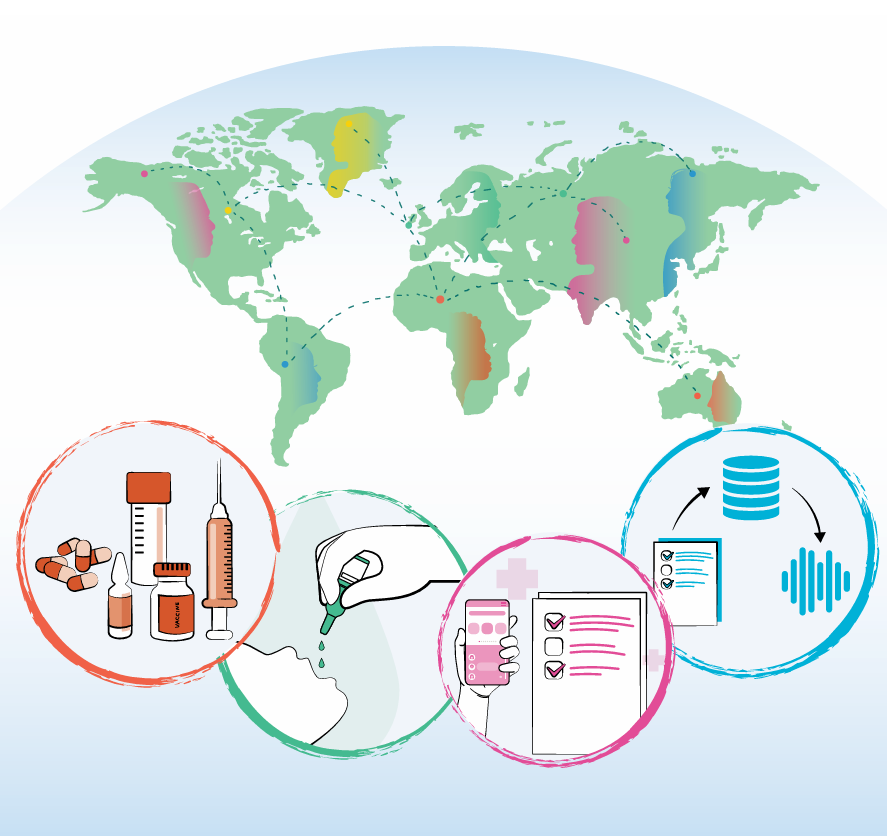
The World Health Organization’s Global Smart Pharmacovigilance Strategy seeks guides countries in building and strengthening pharmacovigilance systems (activities related to detecting, assessing, understanding, and preventing adverse effects or any other drug-related problems). It is intended as a reference document for national regulatory agencies, expanded programmes on immunization and pharmacovigilance partners in countries. This report sets out: How to implement the Global Smart Pharmacovigilance Strategy. How to approach measuring the uptake and impact of the Strategy. Examples of the application of its principles to case studies from Brazil, Egypt, Ethiopia, Indonesia and Japan. The strategy focuses on four aspects that countries need to consider when building or strengthening their pharmacovigilance systems: Previous efforts, lessons learnt and existing pharmacovigilance resources - pharmacovigilance has advanced significantly since the launch of the WHO Programme for International Drug Monitoring in 1968. It encourages building on this achievements. Risk-based approach and prioritisation - in the context of limited resources, countries are encouraged to prioritize their pharmacovigilance efforts by focusing on: products of specific relevance to their settings (e.g. medicines for endemic conditions); safety data that are unlikely to be generated elsewhere; and active participation in global pharmacovigilance efforts for new products introduced simultaneously across high-, middle-, and low-income countries. Work-sharing and reliance – encouraging countries to prioritise pharmacovigilance activities based on their available resources and regulatory capacity, and to tailor development plans accordingly. The principles of work-sharing and reliance are central to enabling this flexible, context-specific approach. Anchoring pharmacovigilance in the overall regulatory system-strengthening efforts - for PV to be sustainable, the Strategy it must be integrated into the overall regulatory framework. -
Event
untilThis event brings together experts in patient safety and artificial intelligence with resident doctors and medical students. The summit will focus on how artificial intelligence (AI) is being safely and effectively integrated into healthcare to address the increasing pressures on the NHS. Discover how AI is transforming clinical practice, the real-world challenges of implementation, and the safety considerations being addressed to ensure responsible use. The event offers a rich programme of keynote talks, interactive workshops, and thought-provoking discussions, all designed to inspire fresh thinking and offer practical solutions to take back to clinical teams and organisations. Attendees will also have the opportunity to network with peers and leaders from across the healthcare sector. By attending this event, you will: Gain experience in presenting projects (either as one of the selected oral presentations, or during the mini poster presentations of all the accepted posters) Network with clinicians & students across the country, broadening ideas for patient safety improvements to take back to their teams Learn how AI is being safely implemented in the health service, its safety challenges, and the responsibilities of a clinician using AI The Patient Safety Section: Students and trainees' prize will also be presented and awarded at the conference. Register here. -
Content Article
This report sets out the findings of the independent review which looked at the response of NHS England to the service failures in children’s hearing services. It found that the failed or late identification of deafness has had a profound impact on many affected babies and children, and their families, and that initial estimates that nearly 300 children (as of May 2025) have come to harm is an underestimation. The review makes 12 key recommendations grouped into 3 themes: addressing the immediate areas for improvement with the NHS England’s Paediatric Hearing Services Improvement Programme placing services on a secure footing looking at commissioning, staffing, data, research and deaf awareness lessons for similar at-risk services to mitigate future crises, including workforce and culture changes Key findings of this review The failed or late identification of deafness has had a profound impact on many affected babies and children, and their families. The NHS England Paediatric Hearing Services Improvement Programme that was established in 2023 has not met the target it set for recalling affected babies and children and has lost the confidence of external stakeholders. Communication between NHS England and the Department of Health and Social Care (DHSC) about the service issues in children’s hearing services did not follow expected practice and there was no dedicated DHSC lead. There has been no assurance of quality, as measured by safety, effectiveness and patient experience, in children’s hearing services in England, for some time. Service delivery is highly varied and so it follows that outcomes are unacceptably variable. Children’s hearing services are rarely on anyone’s radar - regionally, at ICB and at provider level - nor among regulators, for example the Care Quality Commission. The audiology workforce has been neglected for years, their status and profile is low. There is little professional governance and fragmented professional representation. There is a lack of coherent workforce planning and little investment in research. The findings of this review are highly relevant to any service which attracts little attention, investment or scrutiny, but has the potential to cause lifelong harm when quality standards are not upheld. Summary of recommendations Theme 1 – Understanding the scale of the problem The role and remit of the current Paediatric Hearing Services Improvement Programme needs urgent review to focus on completing review and recall. Theme 2 – Placing these services on a secure footing for the future Children’s hearing services should be commissioned using a modern service framework and model commissioning contract. Professional registration of audiologists must be a requirement in the NHS and relationships between national organisations and organisations representing audiologists should be reset and formalised. Children’s hearing services should be delivered by a network model, rather than a ‘hub and spoke’ model. NHS trusts and Integrated Care Boards (ICBs) should implement improved governance arrangements for audiology and apply these to other healthcare sciences. Improved data on individual children’s hearing services should be used by NHS trusts and ICBs to monitor service quality and outcomes. Undergraduate and postgraduate training pathways for audiologists working in children’s hearing services need wholescale review and redesign, as does the approach to CPD. National research funding bodies should invest in research activity and capacity in audiology. Children’s hearing services should be setting the standard for deaf awareness and improve processes for seeking feedback from patients and their families. Theme 3 – Applying the lessons learning to similar services The next NHS Workforce Plan should include workforce modelling and recommendations specific to the healthcare science workforce, including audiology, and action should be taken to improve workforce culture and morale in children’s hearing services. A regional incident response process should be formalised to enable a more structured response to service issues which do not meet NHS emergency preparedness, resilience and response (EPRR) criteria, including clear guidance around public communications and action should be taken to improve early identification of emerging issues. Written guidance should be provided for all officials regarding how and when to raise service issues with ministers and horizon-scanning processes should be subject to review.- Posted
-
- Deafness
- Organisation / service factors
- (and 3 more)
-
Event
untilContinuing with the JCI Patient Safety Grand Rounds, the next session of the Grand Round “Safety Culture and Leadership: Leading the Pathway to Safer Care” on 10 December 2025. This will feature a compelling conversation between internationally recognized leaders in the field – Prof Kok Hian Tan, Group Director & Senior Associate Dean at the SingHealth Duke-NUS Institute for Patient Safety & Quality (IPSQ), Singapore; Dr. Abdulelah Alhawsawi, Board Member, Joint Commission Resources, Former Director-General, Saudi Patient Safety Center, Kingdom of Saudi Arabia; Dr. James I. Merlino, Executive Vice President and Chief Innovation Officer, Joint Commission, United States of America; and Dr. Neelam Dhingra, Vice President and Global Chief Patient Safety Officer, Joint Commission International, Former Head, WHO Patient Safety and Blood Safety (2000-2024), Switzerland. JCI invites you to register now to be part of this important initiative, and please also share this information with your networks and social media channels. The registration is complimentary. Register. JCI-Grand-Rounds-Flyer 10 DEC.pdf -
Content Article
This study, published in BMC Nursing, used in-depth qualitative methods to explore the concept of patient safety culture and its dimensions from the perspectives of nurses working in the neonatal intensive care unit (NICU). Data was collected through in-depth semi-structured interviews with 15 NICU nurses working in Riyadh, Kingdom of Saudi Arabia. The study’s findings consider the influence of systemic barriers (staffing shortages, workload, communication gaps) and facilitators (teamwork, leadership support, peer mentoring). Furthermore, it brings out emotional and ethical dimensions of safety such as fear of blame, moral distress when unable to deliver optimal care.- Posted
-
- Maternity
- Safety culture
-
(and 3 more)
Tagged with:
-
Content Article
In this blog, Fiona Garín McDonagh reflects on a conversation with Helen Hughes, Chief Executive of Patient Safety Learning, about the persistence of avoidable harm in health and care. She reflects on why progress in reducing this has been slow, how the implementation gap continues to undermine safety efforts, and why we must reframe patient safety as a system-wide priority, not just a frontline concern.- Posted
-
1
-
- Implementation
- Technology
-
(and 2 more)
Tagged with:
-
Content Article
This report summarises the outcome of an unannounced maternity services inspection to the Royal Infirmary of Edinburgh, NHS Lothian on Monday 23 and Tuesday 24 June 2025. This inspection resulted in five areas of good practice, two recommendations and 26 requirements. Healthcare Improvement Scotland summarised their key findings as follows: Throughout the inspection they observed staff working hard to provide compassionate and responsive care in very challenging circumstances. The multidisciplinary team within maternity services spoke highly of the clinical working relationship. In some areas staff were complimentary and described their line manager as supportive. However, the majority of the multidisciplinary team they spoke with expressed feeling frustrated at staffing levels which they believe left areas short staffed and staff unsupported. Staff told them this presented a safety risk for women, babies and families within their care which they raised on multiple occasions with managers. The majority of the staff they spoke with shared their concerns and feelings of being overwhelmed, described feeling unsupported and believed they were not being listened to. Staff informed inspectors this has impacted staff confidence to escalate staffing concerns due to lack of feedback and resolution when concerns are raised. They observed delays to the induction of labour process of up to 29 hours and other delays to women who required ongoing care within the labour ward due to lack of staff availability, capacity and increased acuity. Staff they spoke with described suboptimal skill mix, low staffing levels and high acuity resulting in challenges in providing and maintaining one-to-one care for women within the labour ward. Staff also described staffing impacting on timely care such as delays in undertaking maternity early warning score (MEWS) observations or escalation of clinical concerns. Women told them of mixed experiences within Royal Infirmary of Edinburgh maternity services. In some areas women were highly complimentary of the care they experienced, describing it as exceptional; however, other women described their experience leaving them feeling alone and vulnerable. Whilst some women were complimentary of their care, they also informed inspectors of poor communication, leaving them feeling uninformed and with no ‘voice’ in their care. Their inspection has highlighted gaps in incident reporting and what appears to be a reluctance to submit incident reports with staff describing a culture of mistrust. These are concerning issues that may have significant impact on the learning from adverse events within the system, reducing opportunities to improve safety. During the course of this inspection, Healthcare Improvement Scotland escalated serious concerns with NHS Lothian through the Healthcare Improvement Scotland and Scottish Government Operating Framework. These concerns related to culture, oversight of patient safety and staff wellbeing within Royal Infirmary of Edinburgh maternity services. Other areas for improvement have been identified within maternity services within Royal Infirmary of Edinburgh. These include fire safety requirements, safe storage of cleaning products and required improvements to the environment. -
News Article
Breast mesh implants promoted as “internal bra” supports have become the subject of legal and regulatory scrutiny. Not cleared for this use by the FDA, the mesh implants have been linked to higher rates of infections, reoperation and implant failure. The “internal bra” technique uses synthetic or biologic mesh in combination with other breast surgeries to lift breasts and enhance results. In November 2023, the FDA released a safety communication emphasizing that no surgical mesh products are cleared or approved for use in breast surgeries. Despite this, mesh products have seen increased off-label use for internal bra techniques in breast surgeries with implants. There are approximately 100,000 breast reconstruction surgeries per year and more than 300,000 breast augmentation surgeries per year in the US. The use of breast mesh in these procedures could put people at risk of higher complication rates. Read full article. Source: Drugwatch, 30 October 2025- Posted
-
- Womens health
- Legal issue
-
(and 2 more)
Tagged with:
-
News Article
NHS Lothian will face increased intervention from the Scottish Government, the health secretary has said, after a damning review found a “culture of mistrust” had led to patients being harmed at one of Scotland’s busiest maternity units. The decision comes as the director of NHS Lothian apologised after a report from Healthcare Improvement Scotland (HIS) found “serious concerns” about staffing shortages for maternity care at Edinburgh Royal Infirmary. Health Secretary Neil Gray announced in the wake of the report the health board had been escalated to level three on the NHS support framework, meaning “significantly enhanced support” would now be provided. He said a Scottish Maternity and Neonatal Taskforce would be set up, to listen to “women’s experiences of maternity services”, as he said he was “deeply disappointed and concerned” by the HIS report. Read full article. Source: The Scotsman, 29 October 2025- Posted
-
- Culture of fear
- Scotland
-
(and 2 more)
Tagged with:
-
Content Article
NHS England annual report and accounts 2024 to 2025
Mark Hughes posted an article in NHS England
This annual report contains information on NHS England’s work in 2024/25. It highlights their achievements, challenges and how the organisation has performed against its priorities. It also incudes financial statements for 2024/2025.- Posted
-
- Healthcare
- Accountability
-
(and 1 more)
Tagged with:
-
Content Article
10 years ago, waiting 12 hours in A&E was a rarity. Now long waits are routine, happening during 1 in 10 major A&E attendances. In this report, the charity Age UK sets out the devastating impact that corridor care and long accident and emergency waits can have on older people. They argue that this is a crisis hiding in plain sight in our hospitals and that the Government need to act urgently to tackle this. You can find further articles and reports on the patient safety issues surrounding corridor care here. The report highlights that: 1 in 3 (one third or 32%) of those aged 90 and older are waiting 12 hours or more in A&E to be admitted or discharged home in 2024/25. The number of instances of ‘corridor care’ of 12 hours or more has increased 525-fold since 2015/16. Between 2019/20 and 2024/25 the number of attendances to A&E that resulted in a 12-hour wait for a bed increased by nearly 2000%. Last year, 532,451 people experienced corridor care of 12 hours or more. It calls for the Government to implement the following package of measures: Urgently produce a funded operational plan to reduce the number of long A&E waits and end Corridor Care, with specific deadlines and milestones. Establish a robust system to collect and publish regular data on Corridor Care (as well as long A&E waits), and their impacts on the public, including by age and ethnicity. Make a Minister in the Department of Health and Social Care accountable for reducing long A&E waits and ending corridor care and require them to report on progress to Parliament every six months. Turbo-charge a peer learning programme for hospitals and local health organisations (Integrated Care Boards) to share proven solutions, tackle barriers to discharge and protect and support NHS staff. Work at pace to implement the 10 Year Health Plan, especially the ‘hospital to home’ shift and creation of a Neighbourhood Health Service, ensuring social care and the VCSE (Voluntary Community and Social Enterprise) are fully involved – so fewer older people need to go to A&E in the first place.- Posted
-
- Older People (over 65)
- Hospital corridor
- (and 3 more)
-
News Article
Elderly patients have been left languishing in their own excrement and puddles of urine for hours on end in NHS hospitals, a major charity has said. Corridor care is a “crisis in plain sight” in A&Es across the country, charity Age UK warned ministers, as it described “truly shocking” incidents of poor care of elderly people waiting days on end for attention. In a new report, The Longest Wait, Age UK revealed “heartbreaking” incidents of poor care, including a woman dying from a heart attack after being left to wait; a patient who was “lost” after being put on a disused corridor; and a man left hooked up to an IV drip in a chair for 20 hours, who soiled himself because he was unable to get to the toilet. Age UK warned that many patients are unwilling to go to A&E, even if they are in a life-threatening situation, because of their past experiences. It called on the government to “urgently” tackle corridor care as it warned that older people are disproportionately affected. Read full article. Source: The Independent, 31 October 2025 Related reading Corridor care and patient safety - a series of blogs shining a light on some of the key patient safety issues surrounding corridor care- Posted
-
- Accident and Emergency
- Long waiting list
- (and 2 more)
-
News Article
Health officials worried as flu season comes five weeks early
Mark Hughes posted a news article in News
The UK's winter flu season has begun five weeks earlier than usual, health officials are warning. The UK Health Security Agency said cases were rising quickly among children and young people – and warned the virus would soon start to spread across older age groups. The organisation urged people eligible for the flu vaccine to come forward to get protected. But they said it was too early to say how difficult and serious this year's flu season would be. One of the concerns is that the flu season could peak before the majority of the vulnerable groups have got immunised - the vaccination campaign has only been running a few weeks. Two of the worst winter flu seasons of the past decade have been seen in the last three years, something partly attributed to the bounce-back of the virus after Covid restrictions and when immunity has been low. Last year nearly 8,000 people died from flu and in the 2022-23 flu season there were nearly 16,000 deaths. Read full article. Source: BBC News, 30 October 2025 -
Content Article
This report from the Northern Ireland Public Services Ombudsman relates to the care and treatment the Northern Health and Social Care Trust provided to a patient. The patient, who was 85 years old at the time, has now sadly passed away. The complainant is the patient’s son. He said the Trust provided his father with substandard care, causing him severe bed sores. He found his father in a wet state on several occasions, indicating staff did not meet his toileting needs for extended periods of time. The investigation founding several failings in pressure damage care and treatment in this case. This included a failure to reassess the patient’s pressure ulcer risk appropriately; a failure to reposition the patient appropriately on several occasions; and a failure to develop an appropriate care plan for managing the patient’s incontinence. Its recommendation is that the Trust apologises to the complainant for the failures and injustice identified and that it provides refresher training on certain aspects of pressure damage care and treatment to relevant staff and reviews its protocol for managing patients’ incontinence.- Posted
-
- Northern Ireland
- Complaint
-
(and 1 more)
Tagged with:
-
Content Article
Smart digital technologies are rapidly transforming perioperative care through tools such as clinical decision support systems, wearable sensors, and electronic checklists. Despite growing adoption, their specific impact on patient safety in the operating room remains insufficiently understood. This narrative review, published in the journal Patient Safety in Surgery, explores recent advancements in perioperative digital health and examines how innovations like AI-assisted systems, electronic WHO checklists, and physiological monitoring wearables contribute to safer surgical care. The evidence suggests that these tools can enhance complication detection, protocol adherence, and team communication. However, their effectiveness is tempered by challenges including alert fatigue, fragmented data systems, and added digital workload for healthcare staff.- Posted
-
- Digital health
- Technology
-
(and 4 more)
Tagged with:
-
Content Article
This report is intended for healthcare organisations, healthcare staff, policymakers, higher education institutions and the public to help improve patient safety in how 12-lead electrocardiograms (ECGs) are carried out in ambulance services. It shares findings and recommendations from an investigation that considered the use of ECGs to help identify ST elevation myocardial infarction (a type of heart attack) and the support available to ambulance crews in making this identification. This report focuses on the equipment and support systems that are used by and assist ambulance crews in diagnosing a STEMI. The findings highlight key issues concerning not only the ECG equipment’s ability to recognise a STEMI, but also the ambulance crews’ recognition and the level of clinical support available to them during interpretation. HSSIB heard from ambulance crews that it was easy to interpret an obvious or “barn door” STEMI from a 12 lead ECG. However, it was more challenging to identify one where patients had less obvious signs and symptoms. Safety recommendations HSSIB recommends that NHS Supply Chain reviews and amends the procurement framework for monitors/defibrillators to help ambulance services ensure they are fully considering the defibrillation/monitoring and cardiac diagnostic functions of the device when making purchasing decisions, to better reflect how these devices are used in practice. HSSIB recommends that NHS England/Department of Health and Social Care reviews and amends the service specification for primary percutaneous coronary intervention (PPCI) centres, to include a requirement for a function enabling two-way communication with ambulance crews for shared decision making about patients with a suspected STEMI. This is to ensure that patients are taken to the correct place of care and PPCI teams are responding to confirmed STEMI cases. Safety observations Regulatory bodies can improve patient safety by supporting standardisation across manufacturers in how information from ECG traces is displayed. Manufacturers can improve patient safety by identifying the potential design barriers and enablers for ambulance crews entering information about a patient’s age or sex into a monitor/defibrillator. This could inform future device design to increase the likelihood that this information is entered when carrying out a 12-lead ECG using auto-interpretation. Algorithm developers can improve patient safety by collecting data from different ethnic groups across different geographical locations to help increase the global representation and accuracy of auto-interpretation algorithms for STEMI. Ambulance services can improve patient safety by informing regulators and manufacturers of instances where the use of monitor/defibrillators has impacted on patient safety.- Posted
-
- Ambulance
- Medicine - Cardiology
-
(and 3 more)
Tagged with:
-
News Article
This mum faces a nightly battle to keep her daughter alive - but the NHS won't help her
Mark Hughes posted a news article in News
For Shelley Mclean, every night is a sleepless one, just to keep her 11-year-old daughter alive. Missy was born with a rare genetic condition that affects her breathing, digestion and movement. She spent the first nine months of her life in hospital before coming home with a breathing tube in her throat, a feeding tube in her stomach, and a line into her bowel. At first, the family had some NHS-funded nighttime care to help keep Missy safe while she slept. But when her local NHS body decided she no longer met the threshold, that support was taken away. Now, Missy's mother is responsible for her care. Children like Missy who leave hospital but still need intensive support are meant to receive what's called NHS continuing care - specialist help for those with the most complex, life-limiting or life-threatening needs. But new figures obtained by Sky News reveal just how uneven continuing care has become. NHS spending on children's continuing care ranges from just 80p to £6 per head depending on where families live. Out of almost 100,000 children in England with a life-limiting or life-threatening condition, only around 4% - roughly 4,400 - receive NHS continuing care funding. And more than half of all disabled children referred for this kind of support are rejected. Read full article. Source: Sky News, 30 October 2025- Posted
-
- Carer
- Community care
-
(and 2 more)
Tagged with:
-
Event
Patient Safety Forum 2026
Mark Hughes posted an event in Community Calendar
Patient safety remains inconsistent as a priority and there is a need for a forum through which stakeholders can engage in collaborative, challenging and meaningful debate. The Patient Safety Forum aims to provide this platform by convening the patient safety community to discuss how to embed patient safety as a core purpose of health and care. This event is hosted by Public Policy Partnerships, in partnership with Patient Safety Learning. Topics for discussion: Current and future opportunities to leverage technology and data to improve patient and staff safety The delivery of safer care to improve patient outcomes and efficiency - what is the role of technology within this? Optimising the patient safety benefits and minimising the risks of AI in healthcare The development of digital clinical safety in the NHS – delivering standards and mitigating patient safety risks Leveraging innovation to improve medicines safety Patient, family and carer engagement; why not listening is a huge patient safety concern and how to improve patient-provider interaction Safety management system approaches and organisational patient safety improvement planning Why leadership and culture matter for patient safety PSIRF and LFPSE progress; are we actioning learning to improve patient safety? Benefits of attending: Join high-level strategic conversations with patient safety industry leaders and NHS decision makers Unparalleled sector intelligence concerning patient safety from leading experts Shape the future of patient safety in the UK Gain key insights from our bespoke line-up of experts as they debate the health system’s biggest patient safety challenges Hear exclusive insights from PPP expert analysts Register here- Posted
- 2 comments
-
- System safety
- Digital health
-
(and 1 more)
Tagged with:
-
Content Article
National Guardian Office champions animation
Mark Hughes posted an article in Speak Up Guardians
This short animation from the National Guardian's Office highlights the unique role that Freedom to Speak Up champions can play in fostering a speaking up culture, alongside Freedom to Speak Up Guardians. It is designed for organisations to use for in internal communications, onboarding, and awareness campaigns to embed the Champion role effectively and ensure every voice is heard. In the video, you’ll learn: How Champions contribute to a culture where workers feel safe to raise concerns. How Champions and Guardians work together to provide support. Practical ways organisations can use Champions to strengthen Freedom to Speak Up arrangements.- Posted
-
- Speaking up
- Staff safety
-
(and 2 more)
Tagged with:
-
Content Article
High-reliability organisations (HROs), such as nuclear power plants, petrochemical plants, or aviation are complex systems in which safety is a critical component when it comes to achieving success and preventing catastrophic accidents. The WHO Global Patient Safety Action Plan identifies building high-reliability health systems and health organisations as a key objective in seeking to protect patients from avoidable harm. In HROs, upward voice (the willingness and ability of lower-status or frontline personnel to speak up about concerns, errors, near misses, or potential safety threats to those in higher authority) contributes to a proactive approach to safety and allows the early identification of potential problems before they cascade into tragic consequences. This study responds examines the relationship between upward voice and safety performance, and the mediating role of team learning in this relationship, looking at a sample composed of 617 workers from two nuclear power plants of the same organisation.- Posted
-
- High reliability organisations
- Safety culture
- (and 2 more)
-
Content Article
Artificial intelligence (AI) is changing health and health care on an unprecedented scale. Though the potential benefits are massive, so are the risks. This article summarises issues discussed at The JAMA Summit on AI concerning how health and health care AI should be developed, evaluated, regulated, disseminated and monitored. Key observations: Health and health care AI is wide-ranging, including clinical tools (e.g, sepsis alerts or diabetic retinopathy screening software), technologies used by individuals with health concerns (e.g, mobile health apps), tools used by health care systems to improve business operations (e.g, revenue cycle management or scheduling), and hybrid tools supporting both business operations (e.g, documentation and billing) and clinical activities (e.g, suggesting diagnoses or treatment plans). Many AI tools are already widely adopted, especially for medical imaging, mobile health, health care business operations, and hybrid functions like scribing outpatient visits. All these tools can have important health effects (good or bad), but these effects are often not quantified because evaluations are extremely challenging or not required, in part because many are outside the US Food and Drug Administration’s regulatory oversight. A major challenge in evaluation is that a tool’s effects are highly dependent on the human-computer interface, user training, and setting in which the tool is used. Numerous efforts lay out standards for the responsible use of AI, but most focus on monitoring for safety (e.g, detection of model hallucinations) or institutional compliance with various process measures, and do not address effectiveness (i.e, demonstration of improved outcomes). The paper notes that ensuring AI is deployed equitably and in a manner that improves health outcomes or, if improving efficiency of health care delivery, does so safely, requires progress in 4 areas. Multistakeholder engagement throughout the total product life cycle is needed. This effort would include greater partnership of end users with developers in initial tool creation and greater partnership of developers, regulators, and health care systems in the evaluation of tools as they are deployed. Measurement tools for evaluation and monitoring should be developed and disseminated. Beyond proposed monitoring and certification initiatives, this will require new methods and expertise to allow health care systems to conduct or participate in rapid, efficient, and robust evaluations of effectiveness. The creation of a nationally representative data infrastructure and learning environment to support the generation of generalizable knowledge about health effects of AI tools across different settings should be a priority. An incentive structure should be promoted, using market forces and policy levers, to drive these changes.- Posted
-
- AI
- Regulatory issue
-
(and 1 more)
Tagged with:
-
Content Article
On the 8 September 2023 Keith James Hankin was admitted to Goring Hall Hospital for an elective surgical optical urethrotomy for long standing urethral strictures. Shortly after the procedure Mr Hankin developed sepsis and was transferred to Worthing Hospital later that afternoon. Despite supportive intensive care management Mr Hankin died at the hospital on the 11 September 2023. The Coroner’s report into his death identifies failings in the community management, pre-operative assessment, intra-operative and post operative care at Goring Hall Hospital on a background of poor clinical governance of the Community Urology Service (CUS) materially contributed to his death. She states that there was a gross failure to provide basic medical attention to Mr Hankin when he was dependent on it and concludes that Mr Hankin died from a recognised complication of a surgical procedure contributed to by neglect. The report identifies the following matters of concern: Lack of clinical governance of the Community Urology Service (CUS) by the Integrated Care Board (ICB) who commissioned the service and Sussex Medical Chambers (SMC) who were responsible for providing the service. The Coroner states that neither the ICB nor SMC were able to provide any evidence of robust clinical governance or multi-disciplinary team processes to ensure best practice of urology services from inception to date. Lack of Integration of the CUS with NHS Hospital Urology Services. The Coroner said that the ‘silo’ effect of these two services was such that they effectively worked independently of each other. There was an absence of any appraisal and/or mandatory assessments within the CUS or the ICB and SMC for the associate specialist clinicians who were working extra-contractually outside of their NHS work. The Coroner notes that this case gives rise to a concern that there is a lack of robust assessment and guidelines, both locally and nationally, as to how clinicians are given practicing privileges to work independently outside of the NHS to the potential detriment of patient care. The lack of an independent review prevented any proactive learning and changes in practice following the death of Mr Hankin. The Coroner stated that this gives rise to a concern that the system within the ICB and SMC are insufficiently robust and could – as it was with Mr Hankin – prevent transparency and openness as to the circumstances of his death and limit any learning and or necessary changes in practice to prevent future deaths. There were multiple omissions in the pre-operative, intra-operative and post operative care provided by Goring Hall Hospital which individually and collectively contributed to Mr Hankin’s death. This included a failure to recognise Mr Hankin underlying medical co- morbidities rendered him unfit to have his operative procedure at the hospital.- Posted
-
- Patient death
- Medicine - Neurology
- (and 2 more)
-
Content Article
In this article Jeremy Hunt MP, who served as secretary of state for health, later secretary of state for health and social care, from 2012 to 2018, reflects on maternity safety in the NHS at the start of Baby Loss Awareness Week. He highlights the different rates of maternal deaths in the UK compared with other high-income countries and how significant numbers of staff don’t feel comfortable speaking up about safety concerns. He also talks about the potential benefits of the NHS adopting a system of no-fault compensation following medical error, similar to the one operated in Sweden.- Posted
-
- Maternity
- Patient harmed
-
(and 3 more)
Tagged with:
-
News Article
Patients are being left in hospital corridors for “dangerously long periods” health leaders have warned. The long waits mean patients are missing timely access to specialist care. New data shows fewer than one in five acutely unwell patients are receiving their first assessment in an acute medical unit (AMU), the The Society for Acute Medicine (SAM) said. AMUs are short stay assessment and admission units for patients who need specialist assessment and/or opinion. Patients are referred to AMUs by emergency department (A&E) doctors, other hospital departments, or directly by a GP. Read full story. Source: The Independent, 10 October 2025 Related Reading Corridor care and patient safety- Posted
-
- Hospital corridor
- Deterioration
-
(and 1 more)
Tagged with:
-
News Article
More than 153,000 people harmed in Canada's hospitals last year, study finds
Mark Hughes posted a news article in News
One in 17 hospitalizations in 2024-2025 — representing more than 153,000 people — resulted in someone experiencing a potentially preventable harm such as a drug error, hospital-acquired infection, a “patient accident” like a fall or radiation burn or some other incident serious enough to require treatment or a prolonged stay, according to the Canadian Institute for Health Information. In a quarter of those cases, people experienced two or more harmful “events” during their stay. The data are based on 2.6 million hospital stays. The overall rate of harm has remained at six per cent for the fifth year in a row, higher than pre-COVID years. Read full story. Source: National Post, 9 October 2025- Posted
-
- Patient harmed
- Data
-
(and 1 more)
Tagged with: