


Claire Cox
Members
-
Joined
-
Last visited
Everything posted by Claire Cox
-
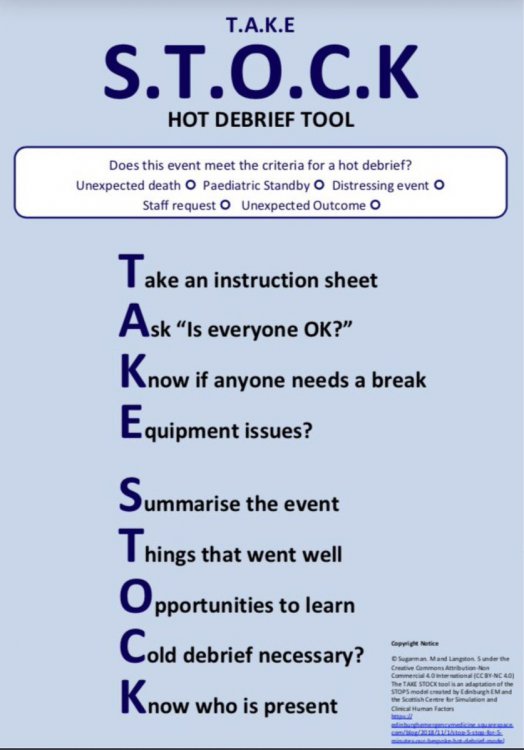
Community PostAfter a shift or after a 'difficult situation' try using this prompt card to aid a debrief
-
Content ArticleHealth Education England has published a set of materials and films which aim to support staff through difficult conversations arising from the COVID-19 outbreak.
-
Content ArticleTo meet the challenge of improving the effectiveness and efficiency of the services GPs and their teams offer patients , a quality improvement approach is vital. This guide by the Royal College of General Practitioners, is available as a booklet or 'one pagers' on key tools – demonstrate accessible and workable interventions at practice level. The potential improvements that can be made using this guide are a significant step towards implementing improvement science.
-
Content ArticleThis is a guide from the British Psychological Society, for leaders and managers of healthcare services who will need to consider the wellbeing needs of all healthcare staff (clinical and non-clinical) as a result of the Coronavirus outbreak. It offers practical recommendations for how to respond at individual, management and organisational level involving the appropriate utilisation of expertise within their practitioner psychologist and mental health professionals and anticipates the psychological reactions over time, and what people may need to recovery psychologically from this.
-
Content ArticleA conversation between WIRED editor in chief Nicholas Thompson and Carbon Health co-founder Caesar Djavaherian.
-
Content ArticleThis podcast from the Kings Fund asks, what’s the scale of the challenge currently facing the NHS workforce? Helen McKenna talks to Prerana Issar about the NHS People Plan, her career journey and what inspired her to take up her role as Chief People Officer for the NHS.
-
Content ArticleCould prisons be an opportunity to address serious health inequalities? Or do they lead to worse health for people living in prison? In this podcast from the Kings Fund, Anna Charles explores the health and wellbeing of people living in prison, their access to health and care services, and what happens on release. She’s joined by: Dr Jake Hard, Chair of the Royal College of General Practitioners Secure Environments Group Christina Marriott, Chief Executive Officer of Revolving Doors Chantal Edge, Public Health registrar and NIHR research fellow Kate Morrissey, National Implementation Lead for RECONNECT at NHS England and NHS Improvement.
-
Content ArticleWhat makes a great leader? In this TED talk, management theorist Simon Sinek suggests, it’s someone who makes their employees feel secure, who draws them into a circle of trust. But creating trust and safety, especially in an uneven economy, means taking on big responsibility.
-
Community PostDifferences between masks.

-
Content ArticleEmotional resilience has become a buzzword in the helping professions. Although resilience has been incorporated into the “official discourse” of social work, it is important to consider: • What does resilience mean? • To what extent do we as social workers need to be resilient? • Can resilience really protect our wellbeing and improve our professional practice? • Perhaps most importantly, how can we build our resilience to help us thrive in a profession that, although rewarding, can be very stressful? This evidence-based resource by Community Care Inform, aims to provide some guidance to help you navigate your professional journey. Based on their own research and that of others, they highlight the importance of emotional resilience in protecting your personal wellbeing and enhancing your professional practice and suggest ways to help you develop this important quality.
-
Content ArticleUsing human factors science increases the likelihood of obtaining well-designed and easy to use products to deliver safe patient care. Poor designs, by contrast, can cause unintended harm to patients. This guide, developed by the Clinical Human Factors Group, is to help staff working in procurement or with medical devices and equipment, to use human factors to specify and select the best and safest products to use in healthcare. This is important because conformity with regulations and standards does not always guarantee safe outcomes when products are used in practice. This guide is particularly relevant to medical devices but can be used for other healthcare products.
-
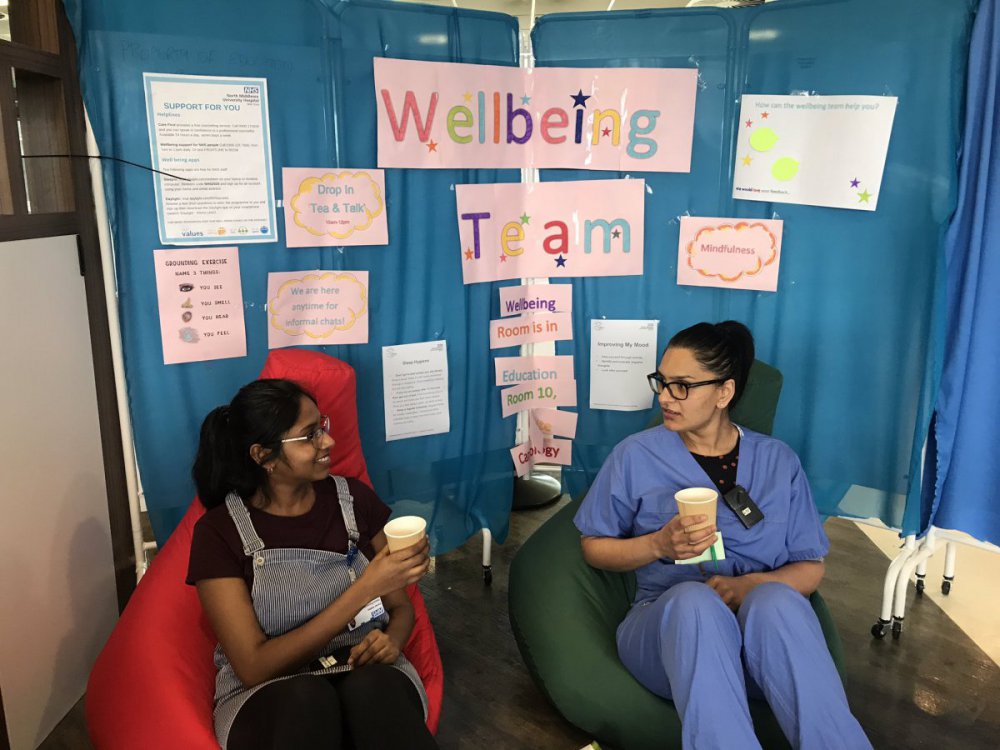
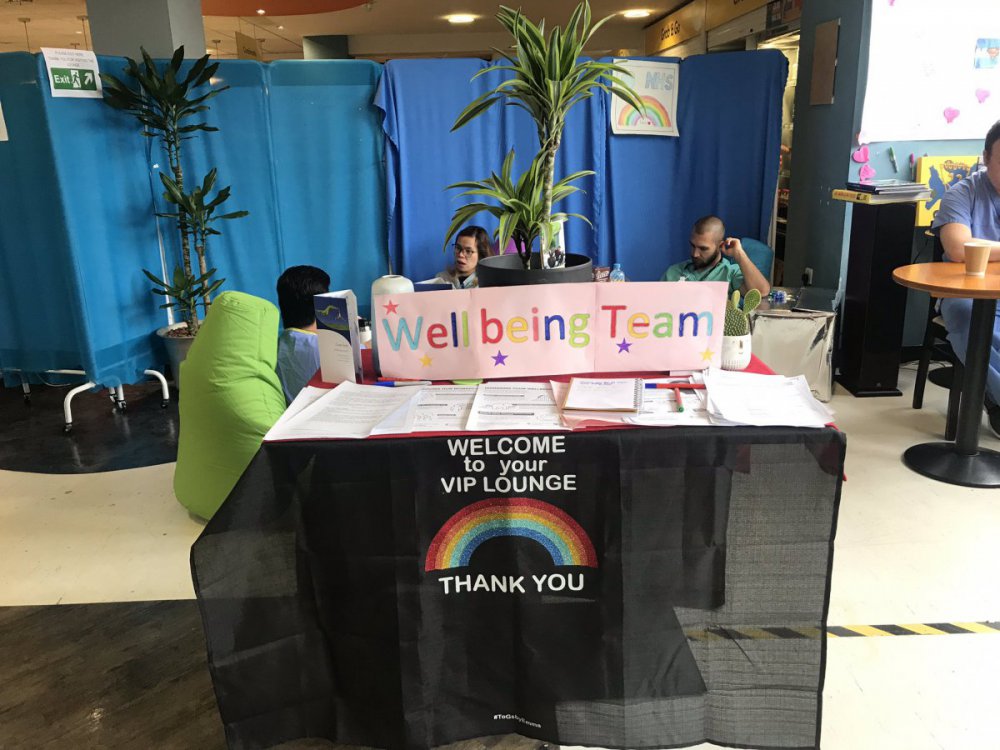
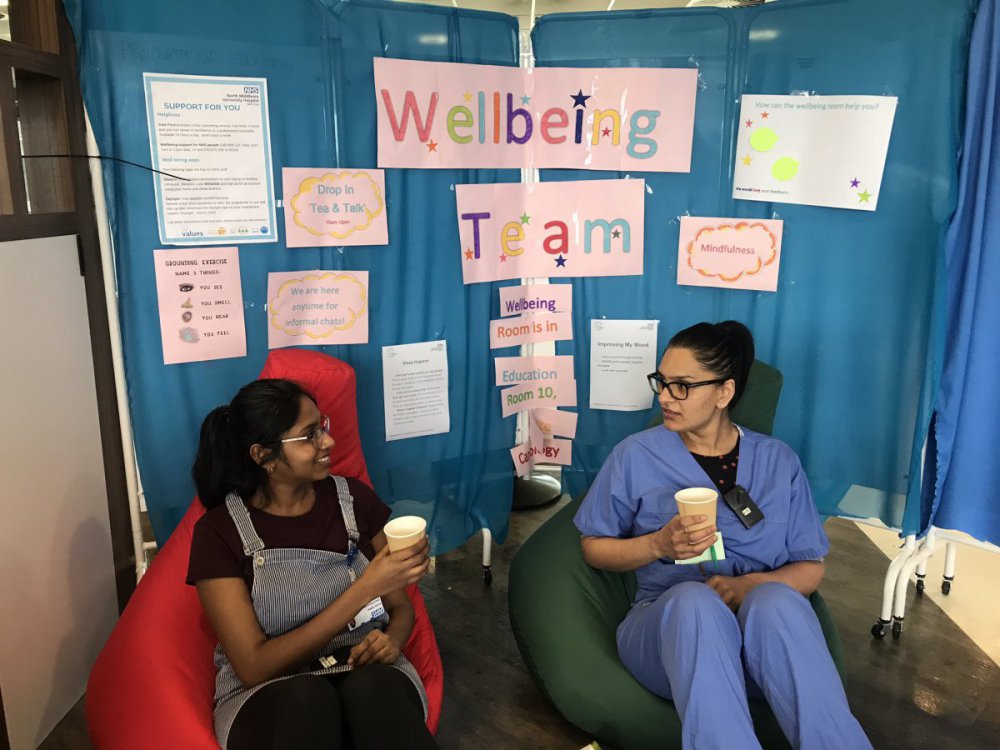
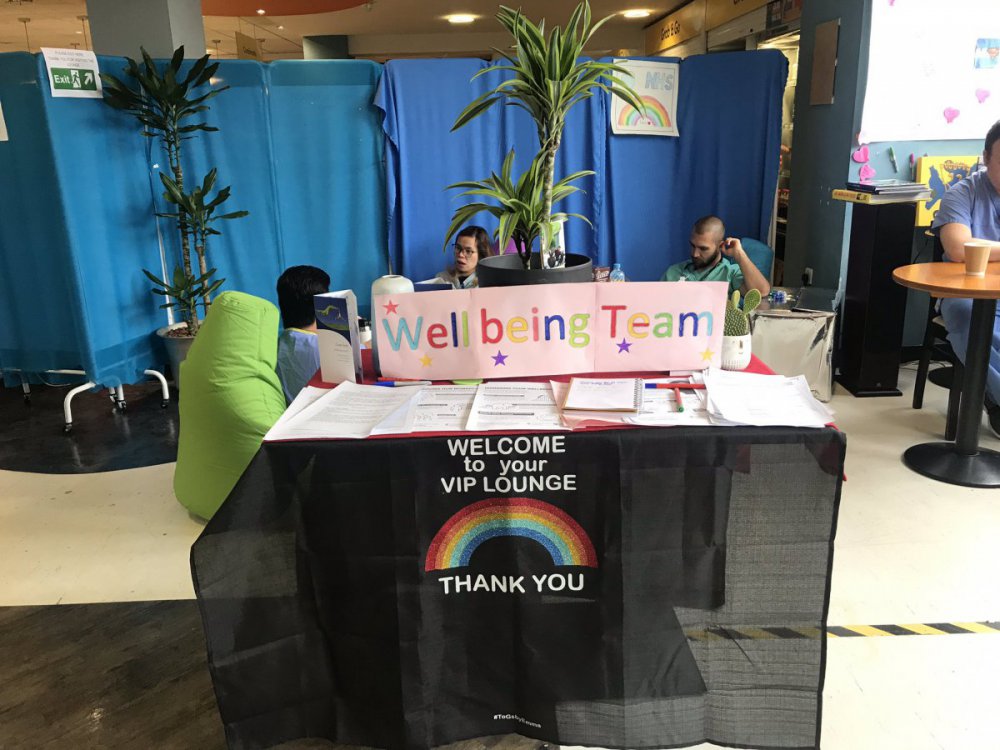
Community PostNorth Middlesex have introduced well being teams and well being areas for staff to unwind and have a chat during the pandemic
-
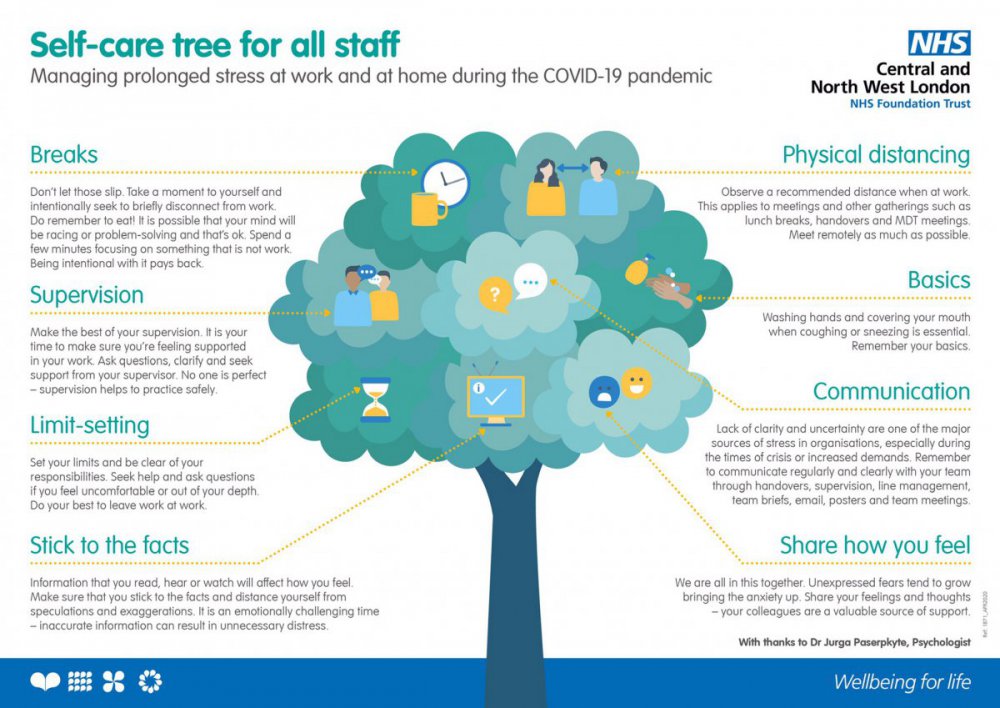
Community PostCentral and Northwest london have produced this infographic on self care during the pandemic
-
Community PostNorth Middlesex Hospital has introduced well being rooms and well being teams for their staff. A place to unwind and have a chat.
-
Content ArticleStandard operating procedure on how to run a safe and effective medicines reuse scheme in a care home or hospice during the coronavirus outbreak.
-
Content ArticleThese instructions are for patients who have been advised to undertake 'conscious proning'. Proning is the medical term for lying on your tummy or front. Proning has been proved to help with breathing in patient who have coronavirus.
-
Content ArticleThe COVID-19 pandemic is an unprecedented challenge for society. Supporting the mental health of medical staff and affiliated healthcare workers (staff) is a critical part of the public health response. This paper from Walton et al., published in the European Heart Journal, details the effects on staff and addresses some of the organisational, team and individual considerations for supporting staff (pragmatically) during this pandemic. Leaders at all levels of healthcare organisations may find this a valuable resource.
-
Content ArticleIn part two of the BMJ Supportive and Palliative Care article, Dr Tavabie and Dr Ball explore the themes from frontline palliative care staff during the pandemic. In the time since their previous article, the news reports of escalating numbers of people dying from the virus, inadequate personal protective Equipment (PPE) provision and continued discussions of an impending ‘peak’ for the outbreak has painted a worrying picture. Further conversations with clinicians working to help patients dying from COVID-19 will hopefully provide readers with a diary and a window into the experiences of people working through the pandemic as the tide rises in the UK. Read part one of this article
-
Content Article CommentHi danni. yes we have a walkie talkie held by someone outside the room and a hearing mike (like Madonna wears) inside the room. That was mmmmm they can communicate together. Head sets are great with a hood while the hand held is good for the mask. something like this. https://www.ebay.co.uk/i/322527046245?chn=ps&norover=1&mkevt=1&mkrid=710-134428-41853-0&mkcid=2&itemid=322527046245&targetid=879554672798&device=m&mktype=pla&googleloc=9045161&poi=&campaignid=9441268971&mkgroupid=96107915015&rlsatarget=pla-879554672798&abcId=1139366&merchantid=118933575&gclid=Cj0KCQjw7qn1BRDqARIsAKMbHDZsGmoMFhewp_G9MTh3IB2bLy5fq6UDTcu37NojZHTiwivfTx2lm14aAjXNEALw_wcB
-
Content ArticleToday we find ourselves in the middle of a pandemic. COVID-19 has swept across the globe with thousands dead, more seriously unwell, and a sense of anxiety and uncertainty within healthcare professions that is unlike anything we have seen. As the course of the viral illness becomes clearer, management guidelines are being produced, including around the topics of supportive and palliative care. To understand the real life implications of working on the front line, Dr Tavabie and Dr Ball, in this BMJ Supportive and Palliative Care article, conducted a series of short structured interviews with clinicians across the UK in a variety of healthcare settings, discussing their experiences and looking for themes arising from the current COVID-19 outbreak. They hope that quotes from these conversations make for an accurate description of our current time, and may be of interest now and in future. Read part two of the article
-
Content ArticleDr Esther Murray is a Health Psychologist working at Barts and the London School of Medicine and Dentistry. She has a keen interest in moral injury, the term used when people are witness to shocking or traumatic events that change their outlook on the world. In this podcast, from General Broadcast, the East England Ambulance Service Patient Safety Integration Lead talks to Esther about moral injury and how it can impact ambulance crews, as well as what we can all do to help each other.
-
Content ArticleA recent evaluation looked at how an acute hospital trust placed into special measures implemented online patient feedback. Rebecca Baines, a Community Engagement Officer at Well Connected & PhD Student, shares her finding with the Point of Care Foundation.
-
Content ArticleA learning disabilities service in Leicester found that experience based co-design (EBCD) was the ideal way to bring together users, families and staff to share experiences of care and design and implement change. Leicestershire Partnership NHS Trust used co-design to improve the way they cared for patients with learning disabilities. In a series of videos, Jane Parr, from the My Care, My Voice project at Leicestershire Partnership NHS Trust, shares her reflections about how the project used Patient Experience programme methodologies to improve communication with patients with learning disabilities. Find out more about EBCD
-
Content ArticleThis toolkit from The Point of Care Foundation includes short videos from staff and patients involved in experience-based co-design (EBCD) projects to help bring to life the successes and intense rewards of running this type of improvement project.
-
Community PostStaff have been redeployed to many differing areas. North West Anglia NHS Trust have designed these badges to help. What a brilliant idea!


