All Activity
- Today
-
EventuntilImproving productivity is vital to achieving better health outcomes and patient experience within the resources available, while ensuring that the NHS remains on a sustainable footing. This is why the NHS Productivity Commission was established by the Health Foundation. Over the last 18 months, they have been building the evidence and solutions to boost NHS productivity in England over the next decade. This event marks the launch of the Commission’s final report. It will bring together policymakers, NHS leaders and other stakeholders to discuss the Commission’s findings and recommendations. Attendees will hear from the Commission’s co-chairs, Anita Charlesworth CBE and Tera Allas CBE, alongside other members of the Commission. The event will take place at the Wellcome Collection in Euston on Tuesday 22 September 2026 from 10.30am–12.30pm and will be followed by lunch. A detailed agenda will be shared closer to the event. Register here.
-
EventuntilArtificial intelligence is no longer confined to experimentation in healthcare, it is becoming embedded in real-world clinical practice. As healthcare systems face mounting pressure to improve patient outcomes, increase efficiency and deliver safer, data-driven care, leaders are being challenged to move from ambition to implementation. This in-person meeting, organised by Elsevier in paid partnership with The Royal Society of Medicine, brings together senior healthcare leaders, clinicians, innovators and decision-makers to explore how AI can be implemented responsibly and effectively to transform patient care at scale. Through panel discussion, evidence-based case studies and interactive discussion, attendees will gain practical guidance from organisations already deploying AI in clinical settings, including Guy's and St Thomas' NHS Foundation Trust and Imperial College. Designed to provide actionable insight into what successful AI adoption looks like in practice, this event will help attendees navigate complexity, avoid common pitfalls and confidently lead AI transformation within their own organisation. Why attend? Hear evidence-based case studies and implementation experiences from industry leaders. Explore practical approaches to governance, ethics, patient safety, regulation and risk management as AI adoption accelerates Discover how to integrate AI into clinical workflows, measure impact and move from isolated pilots to organisation-wide transformation Join an influential audience of healthcare leaders and innovators for high-value discussion, collaboration and networking opportunities Aims of the meeting: To explore how artificial intelligence can be applied in clinical practice to transform patient care, improve outcomes and deliver quality at scale To provide practical, evidence-based guidance on implementing AI safely, including governance, risk management, data quality and ethical considerations To equip attendees with actionable approaches to integrating AI into clinical workflows and moving from pilot to organisation-wide adoption Learning outcomes: Evaluate applications of AI in various care settings Identify and address common pitfalls in AI deployment Apply governance, risk management and ethical frameworks when planning and implementing AI in clinical settings Who should attend? This event is designed for senior leaders and decision-makers across healthcare, including: C-suite executives and board members, including CEOs, CMOs, CNOs, CIOs and Medical Directors Clinical leaders within innovation, safety or quality remits, including Clinical Directors and Consultant Physicians Digital, data and AI professionals, including Chief Digital Officers, Directors of Digital Transformation and Clinical Informatics Leads Governance, safety and compliance professionals, including Directors of Patient Safety, Clinical Governance leads and Risk and Compliance Directors Health policy advisors and healthcare strategy directors Register here.
-
 Jonathan Vause joined the community
 -
 DanWS joined the community
 -
 Emma Slater joined the community
 -
 charlotte ward joined the community
 -
Content Article
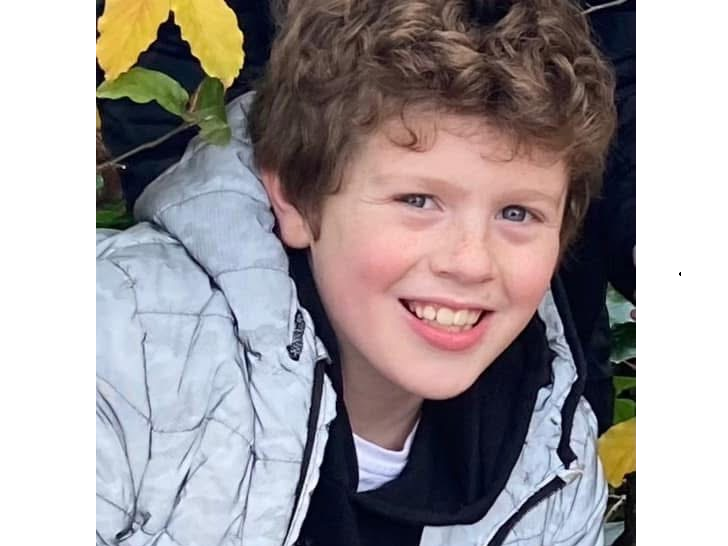 In December 2022 Dylan Cope, a 9 year old boy, died of sepsis after being discharged from hospital. A coroner found the boy's death “would have been avoided if he had not been erroneously discharged”, and said what happened "amounts to a gross failure of basic care”. In this long-read article, Dylan’s mum Corinne draws parallels between her son’s care and the death of Ethan Hanson, who died last year from perforated appendicitis, generalised peritonitis and sepsis. She argues that GP referrals for urgent care need to be appropriately escalated and that widespread system learning from individual preventable deaths is critical to saving lives. A recent article in Pulse Today highlights concerns about the initial assessment of children with potentially serious illness in urgent care settings. It raises questions about whether children referred by a GP with a working diagnosis of a potentially life-threatening condition (such as appendicitis) should be reviewed by a clinician of equivalent seniority to a doctor, rather than undergoing repeated triage in which key diagnostic concerns may not be fully carried forward. It also emphasises that learning from such cases should be shared and embedded across NHS organisations, rather than remaining local. This is something I have also advocated since my son Dylan’s death. Some striking parallels Although I do not know the full circumstances of the tragedy referenced, some parallels with Dylan’s experience are striking in terms of system design, escalation, and reliance on prior clinical assessment. In Dylan’s case, a GP had already identified appendicitis as a working diagnosis and communicated this directly to the hospital. That concern was not reflected in the subsequent hospital assessment and discharge decision. His father who conveyed him to hospital on first attendance did not have sight of the GP referral until after Dylan’s death. At inquest, it emerged that the GP referral had been available to clinicians but was not read. The Coroner described a “culture of not reading GP referrals” and stated there was “no good reason” for this practice. An advanced nurse practitioner (ANP) assessed Dylan, and a doctor stated she later agreed discharge without seeing him or reviewing the referral. A paediatric expert concluded that Dylan’s final observations should have resulted in admission. These issues raise broader questions about whether current systems provide sufficient clarity and escalation when a GP has already identified a potentially serious diagnosis and referred a child for urgent assessment. Although Dylan’s care took place in Wales and the recent case reported in Pulse Today relates to England, the underlying patient safety issues are cross system in nature. Lessons from preventable deaths often don’t translate to action I understand there are established mechanisms within the NHS intended to identify, investigate and share learning from serious incidents and preventable deaths. However, my experience, and that of many others, raises concerns about how consistently this learning is embedded in practice across organisations. I fully recognise that healthcare is complex and that no system can eliminate every adverse outcome. However, avoidable harm arising from known and preventable system failures should not persist where improvements are already understood and capable of being implemented. One preventable death of a child, or indeed any individual, should be sufficient to drive determined learning across the wider NHS. Families should not discover that learning identified following one child’s death was not embedded before another child dies in similar circumstances. Grieving families pushing for safety improvements Throughout the investigation into Dylan's death, I was alarmed by how many improvements were only implemented after persistence from me. Several actions that were ultimately accepted into the Serious Incident (SI) action plan had initially been dismissed as unnecessary or impractical. These included checklists, IT prompts, improved recording and management of the hospital’s ‘open access’ system, retention of CCTV monitoring following patient safety incidents, and strengthened safety-netting processes. These were basic process improvements to not only safeguard patients but staff as well. It is difficult to understand why they were not identified and implemented from the outset through a robust patient safety investigation. Perhaps most concerningly, identified learning did not always translate directly into proportionate action. For example, the SI investigation concluded that a root cause of Dylan’s death was that his father had not received appropriate abdominal safety netting advice and that, had he done so, Dylan would likely have returned to hospital sooner. However, when I eventually obtained a copy of the “generic” safety netting leaflet introduced in response - more than a year after Dylan’s death, during which time I had been informed it was in routine use - it did not, in my view, contain the specific abdominal advice identified as missing in the investigation. “Red flags” had been selected with no clear rationale. From my perspective, this appeared not only to fall short of addressing the identified root cause, but to risk perpetuating the very problem the investigation had concluded had contributed to Dylan’s death. After repeatedly raising these concerns, I ultimately undertook my own review of the evidence and drafted proposed safety-netting materials. These were drafted or both children and adults and intended to address not only the investigation's findings but also wider patient safety considerations, including recognised human factors, pressures on staff, appropriate signposting to NHS services, and the hospital's open access arrangements. My intention was that these improvements should support greater consistency locally and, ultimately, across Wales. Whilst I was pleased that aspects of this work were taken forward, it should not have required a bereaved parent to identify and develop what were, in my view, fundamental patient safety improvements. Patient safety investigations need more rigor to be effective Patient safety investigations should not simply identify what happened; they should determine what safeguards are necessary to prevent the same or similar failures recurring. The improvements implemented should directly and comprehensively address the risks identified by the investigation, be evaluated to ensure they achieve their intended purpose, and, where appropriate, be shared across all other NHS organisations so that learning is translated into meaningful improvements in patient safety beyond the organisation in which the harm occurred. I have no doubt that many responsible for investigating serious incidents are committed professionals with considerable expertise. My concern is not about individual capability, but about systems. Given that expertise, I struggle to understand why investigations do not consistently demonstrate the level of rigorous process analysis, implementation, and verification that preventable deaths demand. My concern is that dedicated clinicians may often be working within systems that have not been strengthened by sufficiently robust safeguards, despite opportunities to do so having been identified previously. Where systems are not designed to reliably support safe practice, both patients and staff remain exposed to avoidable risk. The independent paediatric expert at inquest identified shortcomings in the ANP’s assessment, including that she had a misunderstanding of one of the key manual tests to identify appendicitis (straight leg raise vs PSOAS). He was explicit in that these expectations were a standard for that of any nurse assessing children, not of himself as an expert. He also concluded that Dylan’s final observations should have resulted in hospital admission. The Coroner was critical that the final observations were omitted from the SI report, and that the nurse who recorded them did not provide a statement (despite repeated requests from me). Safety systems and processes are a postcode lottery Following Dylan’s death, I was informed that a requirement had been introduced at the hospital that cared for him for all children being discharged to be seen face to face by a doctor. This raises an important question: if this is necessary in one setting, what is the expected standard across other acute paediatric services? I feel it pertinent to highlight here there are also aspects of Dylan’s care where the identity of all clinicians involved has not been fully established; this includes reference to an unidentified male ‘doctor’ described in a text message from Dylan’s father to me that night as a “surgeon”, and another doctor (or possibly even the same individual) involved in discharge according to the senior male nurse that discharged Dylan. For the purpose of this piece, I am solely relying on named clinician evidence and formal findings when considering the care provided. However, this situation clearly also remains a concern in terms of transparency and learning. More broadly, variation in practice between hospitals means families may receive different levels of protection depending on where they are treated. Core safety processes - particularly around GP referrals, escalation, senior review, and discharge decisions - should be consistent and evidence based. It should not be a postcode lottery. We are left with three key questions… I am not suggesting individual professional failings. The concern is system design. When a GP has assessed a child, identified a potentially serious condition, and communicated that directly to hospital services, there must be assurance that this information is reliably considered in decision making. The recurrence of similar themes in serious incident reports across different organisations suggests that learning is not always being effectively shared or embedded. This raises a fundamental question about whether current arrangements are sufficient to prevent repetition of avoidable harm. Ultimately, patient safety investigations should not only identify what happened, but ensure that resulting improvements are implemented, evaluated for effectiveness, and shared where relevant across the wider NHS. This raises three key questions: whether there should be a consistent national standard for face-to-face medical review before discharge for all children referred with suspected serious illness; and how learning from preventable deaths can be more consistently embedded and shared across NHS organisations throughout the UK, so that improvements are implemented before similar harm recurs elsewhere, with clearer responsibility not only at organisational level but also through national bodies, regulators and government to ensure learning is actively led, coordinated and sustained; and a wider question about how we ensure that when a child dies, organisations consistently apply the level of depth, scrutiny and critical thinking that such events demand - so that learning is not only appropriately identified but fully translated into meaningful and sustained system change across the wider health system. One avoidable death should be enough to prevent another. Photo is of Dylan Cope, Corinne's son. Related content BMJ News: Deaths of two children prompt calls for patients referred to hospital by GPs to be assessed only by doctors Investigating harm with humanity - practical guidance for NHS investigators, clinical teams and legal representatives (by Corinne Cope) Destructive investigations: our experience of the investigation into our son's death Seeking better sepsis awareness in Wales (a film by Corinne and Laurence Cope) Dylan's Story (Welsh Ambulance Services University NHS Trust)
 -
Content Article
SAFEST Patient Safety COMPASS

Mark Hughes posted an article in Surgery
SAFEST Patient Safety COMPASS is a conceptual guide that includes 101 Perioperative Patient Safety Recommendations to enhance safety and quality of care in hospitals and other healthcare settings. The Compass serves as a reference for safety policies, healthcare training, and standard evaluation, fostering a culture of safety and quality in medical care, for doctors, patients, nurses, and all healthcare team members. The compass originates from the European SAFEST project, which aims to enhance patient safety by harmonizing perioperative care across European countries. -
Content ArticleThis strategy sets out a ten-year vision and priority statements which aim to minimise preventable infection across health and social care in Scotland, supporting safer care, stronger systems and a person-led, rights-based approach to infection prevention and control. Purpose To set out the long-term national vision for infection prevention and control (IPC) in Scotland. Ten-year vision A Scotland where preventable infection is minimised for people accessing, using or providing health and social care. Priority statements 1: Political commitment, governance, leadership and policies Demonstrate visible and sustained leadership and action-orientated political commitment to ensure: IPC is a national priority, with effective and embedded governance and accountability, and recurring, risk-based investment to enable improvement across health and social care. Policies align with existing standards (Healthcare Improvement Scotland IPC standards29) and are developed through a human rights-based approach that considers both the context of, and setting for, care delivery and lessons learnt from public inquiries related to infection prevention and control. 2: Pro-active national and local IPC programmes Integrate and embed IPC as an active and implicit part of everyday care. Build on progress towards meeting (as a minimum) the WHO core components of IPC across health and social care; with an emphasis on continuous improvement, resilience and preparedness. Implement IPC interventions using key aspects of behavioural science, including in the context of implementing the UK National Action Plans under the 20-year vision for antimicrobial resistance; and Strengthen IPC knowledge and practice across health and social care in the context of preparedness, operational readiness and response for public health emergencies (such as, disease outbreaks, pandemics and national learning opportunities) at the national and facility levels. Develop and deliver programmes which involve – and are developed in partnership with – those delivering and receiving care 3: IPC integration and coordination Consistently coordinate and integrate IPC with other relevant priorities, including those on: antimicrobial resistance, quality improvement, public health and Scottish Government health and social care strategies and policies. Ensure equity of governance and IPC knowledge and skills competencies across health and social care settings. Embed risk-based, proportionate and context-specific approach to implementation of IPC measures in health and social care. 4: IPC education, training and IPC career development for health and social care workforce Using the IPC education curriculum for non-specialists and associated IPC Specialist Career pathway, ensure IPC education and training is embedded in health and social care workforce development, ensuring appropriate level of general to specialist competence. Ensure a recognised career pathway and job opportunities for IPC specialists which empower their diverse roles. Development of educational resources to support those receiving care and their unpaid carers and families utilising novel approaches. 5: Data for action Establish and/or better utilise available systems for regular data collection with a focus on IPC indicators and Health and Social Care associated infection surveillance with appropriate statistics and information governance enablement. Ensure that the data collected are meaningful, risk based and proportionate to support reduction of unnecessary harm from infection, and support data sharing where appropriate to maximise impact. Ensure that any data collected serves multiple purposes, with a focus on quality improvement and learning as well as assurance, measuring impact, analysing and interpreting data and informing resource allocation within the context of a quality management system. Develop, implement, measure, and regularly update locally tailored and actionable local improvement plans. Establish mechanisms for accountability based on IPC and Health and Social Care associated infection data. Ensure training and expertise for data collection, analysis, interpretation and quality control. 6: Advocacy and communications Embed a human-rights based, compassionate, sustainable and proportionate approach to IPC in Scotland. Incorporate learning from behavioural science research outcomes into development, implementation and evaluation of IPC programmes. Organise, implement or align with/ complement existing campaigns to promote and raise awareness of IPC themes, risks and targets. Actively engage with, listen to and act on the feedback from staff, patients, service users, unpaid carers and families. Provide tailored, accessible and consistent communications for the public and health and social care staff from authoritative sources, based on science and adapted for different audiences; and aligned with public health and antimicrobial resistance messaging. Provide innovative advocacy approaches through a range of communication channels. Evaluate messaging campaigns and impact; adapting and tailoring the messages based on the outcome Read the full document via the link below.
-
News Article
Machine that keeps lungs alive outside the body set for NHS use
Mark Hughes posted a news article in News
A machine that keeps donated lungs alive outside of the body is set for use on the NHS, offering hope for the 170 people waiting for a new lung. The move by the National Institute for Health and Care Excellence (Nice) will give organs that would otherwise be discarded a chance to be transplanted. According to NHS Blood and Transplant (NHSBT), only 23% of all lungs that meet suitability criteria for transplants are used. The machine warms donated lungs to body temperature and pumps a fluid through them that mimics blood plasma. It also ventilates them to mimic normal breathing. The machine allows transplant teams to treat infection, drain excess fluid, reinflate collapsed areas and monitor how the lungs are functioning. Read full article. Source: The Independent, 27 July 2026 -
News Article
GPs and ambulance trusts must do more to combat winter pressures, insists NHS England
Mark Hughes posted a news article in News
Primary and community care will be expected to play a much bigger role in helping the NHS deal with winter pressures this year, NHS England has told the service. NHSE has also issued a specific set of measures that ambulance trusts must undertake as part of the service’s winter response for the first time. The 2026-27 winter planning guidance instructs integrated care boards to ensure GPs have enough capacity to meet demand, including during “surge periods”, and to check they are contractually compliant in their ability to offer online consultations, same-day appointments, and NHS 111 direct booking. Read full article (paywalled). Source: Health Service Journal, 28 July 2026 -
 Dr. Waqas Javed joined the community
 -
News Article
Health board records highest number of 'never events' in Wales in 12-month period
Mark Hughes posted a news article in News
Betsi Cadwaladr University Health Board recorded the highest number of "never events" in Wales last year, according to its latest annual report. The health board logged 11 new never events during 2025/26 – an increase of six compared with the previous year. The report states the Welsh health board with the second-highest total recorded seven. The figures are contained in the health board’s annual report, which is due to be discussed at its annual general meeting on Wednesday, July 29. Never events are serious, largely preventable patient safety incidents that should not happen if national safety guidance is followed. Examples of never events can include operating on the wrong part of the body, leaving surgical instruments inside a patient after an operation, or administering medication by the wrong route. Read full article. Source: North Wales Live, 28 July 2026 -
News ArticleHundreds of thousands of women have accessed the morning-after pill at high street pharmacies in the first 5 months since the NHS made it available free-of-charge. New NHS figures show that almost 305,000 doses of the emergency contraceptive pill were supplied at pharmacies between October 2025 and March 2026 without women needing to book a GP or sexual health clinic appointment. Now women can visit their local pharmacy and have a confidential consultation with a pharmacist or trained pharmacy technician, before receiving the emergency contraceptive pill on the same day. Pharmacy teams can also support women with their ongoing contraception. Since February 2024, pharmacies have carried out more than 1.2 million consultations for women continuing their oral contraceptive pill, alongside a further 192,000 consultations for women starting it. Around 4 in 5 people in England live within a 20-minute walk of a community pharmacy, and by making both emergency and ongoing contraception available closer to home, the NHS is making it easier and more convenient for women to access the support they need. Read full article. Source: Department of Health and Social Care, 28 July 2026
- Yesterday
-
 Anne Payne joined the community
 -
Content Article
.png.ee06bd5ad71e3ffe63d7316ef5eed129.png) Julie Plumridge is a Senior Safety Partner at Great Ormond Street Hospital. This video is part of a series on paediatric patient safety investigations. The first video focused on involving families and the second focused on providing meaningful feedback. In this 1-minute video Julie talks about the importance of supporting staff doing emotionally challenging patient safety work. Other videos in this series
Julie Plumridge is a Senior Safety Partner at Great Ormond Street Hospital. This video is part of a series on paediatric patient safety investigations. The first video focused on involving families and the second focused on providing meaningful feedback. In this 1-minute video Julie talks about the importance of supporting staff doing emotionally challenging patient safety work. Other videos in this series -
 Mona joined the community
 -
News Article
NHS England hires charity chief to create new directorate
Mark Hughes posted a news article in News
NHS England has appointed a charity CEO to the new role of national director of patient experience. National Voices chief executive Jacob Lant will take up the role in the autumn, and will oversee the creation of a new “patient experience directorate” across NHSE and the Department of Health and Social Care. Mr Lant will be tasked with “overhauling” the complaints system, and strengthening how the service listens to, and involves, the public in the role jointly created by NHSE and the DHSC. Read full article (paywalled). Source: Health Service Journal, 27 July 2026 -
News Article
Ebola cases in DR Congo surpass 3,000 - as health workers go on strike
Mark Hughes posted a news article in News
The Democratic Republic of Congo (DRC) has recorded more than 3,000 confirmed cases of Ebola, as it continues to battle the fastest-growing outbreak of the disease in history. According to government data, the number of Ebola cases has increased to 3,075, while the number of deaths has risen to 1,354. That comes just three days after the DRC reported more than 1,000 deaths from the outbreak, which was declared on 15 May and is driven by the Bundibugyo strain that has no approved vaccines or treatments. This outbreak has killed people at a faster rate than any previous outbreak, including the 2013-2016 epidemic, which killed more than 11,000 people out of 28,000 cases, and is considered the worst on record. Meanwhile, around 100 health workers at an Ebola treatment centre in eastern DRC have gone on strike over unpaid performance bonuses, disrupting care for patients in the epicentre of the country's rapidly growing outbreak. Read full article. Source: Sky News, 26 July 2026 -
News Article
‘Divisive and toxic’ culture found at trust
Mark Hughes posted a news article in News
A damning review of a trust’s senior leadership found “adversarial and mistrustful” relationships had fostered “a divisive and toxic culture”, and staff felt “fearful, anxious and unable to speak openly”, HSJ reports. Authors of the unpublished review said the relationship between Mersey Care Foundation Trust’s board leaders was “widely regarded as dysfunctional, resulting in a pervasive culture of anxiety across the organisation”. They also warned a focus on internal politics was “seen to detract from patient care, operational performance, and staff wellbeing”. Read full article (paywalled). Source: Health Service Journal, 27 July 2026 -
News Article
Misleading AI-generated doctors pose ‘huge danger to public safety’
Mark Hughes posted a news article in News
Misleading health claims online pose a “huge danger to public safety”, experts have warned, after research has shown that AI-generated doctors are gaining millions of views on TikTok by spreading dubious health advice. The British Medical Association council deputy chair, Dr Emma Runswick, flagged the risks posed by AI accounts that “peddle medical myths and promote so-called miracle cures”. AI-generated physicians were found to have spread disproven myths about cancer, including that microwaving food in plastic, using deodorants and sleeping next to your phone could all cause cancer – all claims which have been refuted by Cancer Research UK. The research was published this month by Hallam, a digital marketing agency. It follows warnings by the NHS that health misinformation on social media was a “real threat to public health”. The research found that AI-generated content appeared in 40% of top health-related TikTok videos, with most posted by a growing number of deepfake influencer accounts designed to resemble real doctors. For some specific search terms, such as “health tips”, 84% of videos were classed as AI-generated or AI-assisted content. Read full article. Source: The Guardian, 27 July 2026 -
 Katie M joined the community
 -
Content Article
.png.86d2df0c3d721f60b952e5b8a810ba9e.png) Peter Sidgwick is a Consultant in Paediatric Intensive Care at Great Ormond Street Hospital. In this short video (2mins 39secs) he talks about how to make feedback more meaningful for families involved in paediatric patient safety investigations. This is part of a series of short videos focusing on patient safety investigations in paediatrics. The other videos explore family involvement, and supporting staff doing emotionally challenging work. Other videos in this series
Peter Sidgwick is a Consultant in Paediatric Intensive Care at Great Ormond Street Hospital. In this short video (2mins 39secs) he talks about how to make feedback more meaningful for families involved in paediatric patient safety investigations. This is part of a series of short videos focusing on patient safety investigations in paediatrics. The other videos explore family involvement, and supporting staff doing emotionally challenging work. Other videos in this series - Last week
-
 John Brackston joined the community
 -
News ArticleThe risk of trainee doctors experiencing burnout or discrimination has slightly decreased, the latest annual survey from the General Medical Council has suggested. However, there was “a small but real increase” in the number of trainee doctors reporting having experienced regular unwelcome sexual conduct in the workforce. This year’s GMC national training survey was completed by 51 727 doctors in postgraduate medical training and 22 923 trainers. For trainees, measures relating to workload slightly improved when compared with last year. For example, 22% of trainees reported that their working pattern left them feeling short of sleep on a daily or weekly basis, down from 24% in 2025. By collating responses to seven work related questions, the GMC calculated that 61% of doctors in training were still considered to be at moderate or high risk of burnout—down one percentage point from last year. Doctors in training reported fewer experiences of discriminatory behaviours across several areas. For example, 28% reported they had experienced microaggressions, negative comments, or oppressive body language from colleagues, down from 29% in 2025. However, 141 trainees reported experiencing unwelcome sexual conduct in the workplace on a daily or weekly basis in 2026, an increase of 23 trainees from 2025. The GMC said any rise in this measure matters and that trainees must be able to work and learn free from harassment. “We will continue to expect organisations to take direct action to address this,” the report said. Read full story Source: BMJ, 21 July 2026
-
Article Comment
You’re ‘too gentle’ with those who abuse staff, police tell trust
Mark Davis commented on Patient Safety Learning's news article in News
- (and 1 more)
Good news!- Posted
- 1 comment
-
- (and 1 more)
-
Content ArticleFatigue is more than a personal wellbeing issue: it is a proven contributor to clinical and laboratory errors, delays, and compromised decision-making. In transfusion practice, where accuracy and vigilance are critical, unmanaged fatigue can lead to serious harm. Organisations and individuals must have capacity plans which actively identify fatigue signals and embed safeguards into daily work. The practical solutions highlighted in this document outline how teams can recognise fatigue early, take appropriate actions to reduce risk, strengthen safety culture, and improve patient outcomes. This document was produced by SHOT (Serious Hazards of Transfusions), the UK’s independent, professionally-led haemovigilance scheme.
-
Content ArticleStaff fatigue is a critical but under-recognised threat to transfusion safety. While clinical and laboratory staff may recognise fatigue as a personal challenge, it is rarely acknowledged as a system-level safety hazard that requires organisational risk mitigation. This document highlights why fatigue matters in transfusion practice, explores its contribution to safety incidents, and provides practical approaches to integrating fatigue risk management into incident investigations and daily practice. This document was produced by SHOT (Serious Hazards of Transfusions), the UK’s independent, professionally-led haemovigilance scheme.
-
News ArticleAustralia’s medicines regulator has issued warnings for several type 2 diabetes and obesity-related treatments – including Ozempic and Mounjaro – over the potential to cause a “rare but severe” eye disorder that could lead to blindness. The Therapeutic Goods Administration’s (TGA) warning came after several GLP-1 RA medicines marketed in Australia as Ozempic, Wegovy and Mounjaro, among other products, were linked to 36 cases of the condition. The TGA says the eye disorder – non-arteritic anterior ischaemic optic neuropathy (NAION) – may result in permanent visual impairment and “no treatment has been shown to improve visual acuity outcomes” after the condition develops. Product information documents for Australians have been updated to reflect the new warning, and patients prescribed the drugs are urged to “seek urgent medical attention if they experience sudden vision loss, including partial loss of vision”. But the TGA does not recommend patients stop treatment without first consulting a doctor, nor has it placed new restrictions on prescriptions. Prof Helen Danesh-Meyer, from the Royal Australian and New Zealand College of Ophthalmologists, said that NAION is “a very rare condition” that “needs to be put in perspective” to avoid causing alarm. Read full story Source: The Guardian, 24 July 2026
-
News Article“I remember the doctor, after he’d examined Helen and found a large lump in her colon, saying: ‘It’s very sinister – we need to bring you in to be investigated.’” Darren Rosheski is recalling the moment a consultant doctor at Tameside hospital broke the news to his partner, Helen Dutton, that her symptoms – which also included back pain, passing blood and altered bowel habits – were so worrying that they needed further tests. “I lost her because nobody listened to her. It came down to the GP not listening to her. They should have investigated her when she first saw the GP. Passing blood is a serious thing, isn’t it?” The family doctor who Dutton saw then, back in late 2016, judged that her symptoms were signs of irritable bowel syndrome and haemorrhoids. The GP did not recommend any further action. It proved a serious misjudgement. Dutton, a 35-year-old finance manager and mother of one, already had bowel cancer. However, it went undetected until she went back to her GP surgery two years later, saw a different doctor and was referred to Tameside hospital in Greater Manchester. In January 2019 she had a physical examination, CT and MRI scans and finally a colonoscopy, which confirmed the presence of a cancer that had already begun to spread. Three weeks later doctors at Manchester’s Christie cancer hospital told Dutton she had advanced rectal cancer, a type of bowel cancer, that was already at stage 4. She had all three main types of cancer treatment: chemotherapy, radiotherapy and surgery. In June 2020, she was given the all-clear. But her cancer returned just two months later and she died aged 40 a year later, in August 2021. The GP’s failure to refer Dutton for tests when she first presented with her symptoms proved disastrous for her chances of survival – and also very costly for the NHS. Rosheski, a tradesman, hired Irwin Mitchell solicitors to sue the NHS over the errors in his partner’s care. He reached an out-of-court settlement for an undisclosed sum in January. “I would rather be poor and have Helen still around. A family has been destroyed by a doctor’s negligence. I don’t care about the compensation. I just wish she was here now,” he said. Read full story Source: The Guardian, 23 July 2026 Further reading on the hub: Jess’s Rule: Three strikes and we rethink (NHS England)
-
News Article
You’re ‘too gentle’ with those who abuse staff, police tell trust

Patient Safety Learning posted a news article in News
NHS staff “tolerate too much” abuse and trusts are “too gentle” with perpetrators, police have told the workforce of a large district general hospital. The warning came from Thames Valley Police, who were invited by Royal Berkshire Foundation Trust chief executive James Blythe to join a recent staff webinar. Mr Blythe told HSJ: “It’s been really difficult to get prosecutions in the past. Police tell us we’re far too gentle with it and that NHS staff tolerate too much. Police said we should tolerate less and report more.” The trust had already teamed up with TVP under Mr Blythe’s predecessor Steve McManus as part of the force’s Operation Cavell. This sees every incident of assault against staff reviewed by dedicated investigators with an understanding of healthcare environments. The trust itself is cracking down on abuse and aggression against staff by pursuing prosecutions. It has reported 10 cases of abuse to police this year. Three people have been charged, one case is with the Crown Prosecution Service, one resulted in an out-of-court settlement and the rest are being “looked at”. Mr Blythe said the trust was now communicating “very openly and assertively to the local community” about the clampdown as part of its “no excuse for abuse” campaign. This included sharing the number of people prosecuted and/or banned from its hospital. He told HSJ: “The trust has a really important role to play in supporting staff practically and psychologically in pursuing prosecutions… This is supportive not just to them, but also to their colleagues because it prevents a recurrence.” Read full story (paywalled) Source: HSJ, 23 July 2026- Posted
- 1 comment
-
1
-
- (and 1 more)
-
Content ArticleThe introduction of the Patient Safety Incident Response Framework (PSIRF) in 2022 marked a significant shift in how NHS organisations approach patient safety. As a nationally mandated framework for all organisations holding an NHS Standard Contract, PSIRF moves the system away from prescriptive investigation requirements and towards a more learning‑focused, proportionate, and system‑oriented model for responding to patient safety incidents. It aims to strengthen the overall patient safety incident response system by emphasising four core principles: compassionate involvement of those affected. the use of system-based learning methodologies. proportionate responses. supportive oversight centred on improvement. Now four years later a new programme has been launched: PSIRF Insight to Improvement. This programme moves beyond implementation of PSIRF and focusses on understanding and developing the infrastructure needed to support the translation of insight, from systems-based learning responses, into improvement. It aims to lay the foundations for processes which support the consistent measurement of impact, capturing evidence of improvement across distinct safety improvement programmes. PSIRF has driven a shift towards systems-based learning. The new programme builds on this to: Reduce variation in the NHS’s ability to translate learning from patient safety incidents into sustained improvement. Build the capability, infrastructure, and governance required to move from insight to action. Connect the learning from improvement activity with strategic priorities.
-
Article Comment
Army medics could plug gaps in ‘unsafe’ service
Mark Davis commented on Patient Safety Learning's news article in News
A great opportunity!- Posted
- 1 comment
-
-
Article Comment
Lack of defibrillators could put 16m at risk of death by cardiac arrest in England and Wales
Mark Davis commented on Patient Safety Learning's news article in News
- (and 1 more)
Clearly work to be done in remote areas...- Posted
- 1 comment
-
- (and 1 more)



.png.ee06bd5ad71e3ffe63d7316ef5eed129.png)
.png.86d2df0c3d721f60b952e5b8a810ba9e.png)
