


Summary
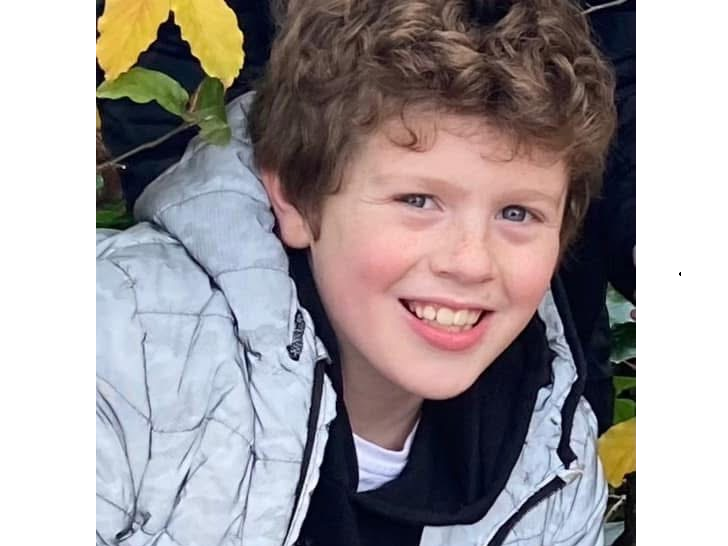
In December 2022 Dylan Cope, a 9 year old boy, died of sepsis after being discharged from hospital. A coroner found the boy's death “would have been avoided if he had not been erroneously discharged”, and said what happened "amounts to a gross failure of basic care”.
In this long-read article, Dylan’s mum Corinne draws parallels between her son’s care and the death of Ethan Hanson, who died last year from perforated appendicitis, generalised peritonitis and sepsis. She argues that GP referrals for urgent care need to be appropriately escalated and that widespread system learning from individual preventable deaths is critical to saving lives.
Content
A recent article in Pulse Today highlights concerns about the initial assessment of children with potentially serious illness in urgent care settings. It raises questions about whether children referred by a GP with a working diagnosis of a potentially life-threatening condition (such as appendicitis) should be reviewed by a clinician of equivalent seniority to a doctor, rather than undergoing repeated triage in which key diagnostic concerns may not be fully carried forward. It also emphasises that learning from such cases should be shared and embedded across NHS organisations, rather than remaining local. This is something I have also advocated since my son Dylan’s death.
Some striking parallels
Although I do not know the full circumstances of the tragedy referenced, some parallels with Dylan’s experience are striking in terms of system design, escalation, and reliance on prior clinical assessment. In Dylan’s case, a GP had already identified appendicitis as a working diagnosis and communicated this directly to the hospital. That concern was not reflected in the subsequent hospital assessment and discharge decision. His father who conveyed him to hospital on first attendance did not have sight of the GP referral until after Dylan’s death.
At inquest, it emerged that the GP referral had been available to clinicians but was not read. The Coroner described a “culture of not reading GP referrals” and stated there was “no good reason” for this practice. An advanced nurse practitioner (ANP) assessed Dylan, and a doctor stated she later agreed discharge without seeing him or reviewing the referral. A paediatric expert concluded that Dylan’s final observations should have resulted in admission.
These issues raise broader questions about whether current systems provide sufficient clarity and escalation when a GP has already identified a potentially serious diagnosis and referred a child for urgent assessment.
Although Dylan’s care took place in Wales and the recent case reported in Pulse Today relates to England, the underlying patient safety issues are cross system in nature.
Lessons from preventable deaths often don’t translate to action
I understand there are established mechanisms within the NHS intended to identify, investigate and share learning from serious incidents and preventable deaths. However, my experience, and that of many others, raises concerns about how consistently this learning is embedded in practice across organisations.
I fully recognise that healthcare is complex and that no system can eliminate every adverse outcome.
However, avoidable harm arising from known and preventable system failures should not persist where improvements are already understood and capable of being implemented.
One preventable death of a child, or indeed any individual, should be sufficient to drive determined learning across the wider NHS. Families should not discover that learning identified following one child’s death was not embedded before another child dies in similar circumstances.
Grieving families pushing for safety improvements
Throughout the investigation into Dylan's death, I was alarmed by how many improvements were only implemented after persistence from me. Several actions that were ultimately accepted into the Serious Incident (SI) action plan had initially been dismissed as unnecessary or impractical. These included checklists, IT prompts, improved recording and management of the hospital’s ‘open access’ system, retention of CCTV monitoring following patient safety incidents, and strengthened safety-netting processes. These were basic process improvements to not only safeguard patients but staff as well. It is difficult to understand why they were not identified and implemented from the outset through a robust patient safety investigation.
Perhaps most concerningly, identified learning did not always translate directly into proportionate action.
For example, the SI investigation concluded that a root cause of Dylan’s death was that his father had not received appropriate abdominal safety netting advice and that, had he done so, Dylan would likely have returned to hospital sooner. However, when I eventually obtained a copy of the “generic” safety netting leaflet introduced in response - more than a year after Dylan’s death, during which time I had been informed it was in routine use - it did not, in my view, contain the specific abdominal advice identified as missing in the investigation. “Red flags” had been selected with no clear rationale. From my perspective, this appeared not only to fall short of addressing the identified root cause, but to risk perpetuating the very problem the investigation had concluded had contributed to Dylan’s death.
After repeatedly raising these concerns, I ultimately undertook my own review of the evidence and drafted proposed safety-netting materials.
These were drafted or both children and adults and intended to address not only the investigation's findings but also wider patient safety considerations, including recognised human factors, pressures on staff, appropriate signposting to NHS services, and the hospital's open access arrangements. My intention was that these improvements should support greater consistency locally and, ultimately, across Wales. Whilst I was pleased that aspects of this work were taken forward, it should not have required a bereaved parent to identify and develop what were, in my view, fundamental patient safety improvements.
Patient safety investigations need more rigor to be effective
Patient safety investigations should not simply identify what happened; they should determine what safeguards are necessary to prevent the same or similar failures recurring. The improvements implemented should directly and comprehensively address the risks identified by the investigation, be evaluated to ensure they achieve their intended purpose, and, where appropriate, be shared across all other NHS organisations so that learning is translated into meaningful improvements in patient safety beyond the organisation in which the harm occurred.
I have no doubt that many responsible for investigating serious incidents are committed professionals with considerable expertise. My concern is not about individual capability, but about systems. Given that expertise, I struggle to understand why investigations do not consistently demonstrate the level of rigorous process analysis, implementation, and verification that preventable deaths demand.
My concern is that dedicated clinicians may often be working within systems that have not been strengthened by sufficiently robust safeguards, despite opportunities to do so having been identified previously. Where systems are not designed to reliably support safe practice, both patients and staff remain exposed to avoidable risk.
The independent paediatric expert at inquest identified shortcomings in the ANP’s assessment, including that she had a misunderstanding of one of the key manual tests to identify appendicitis (straight leg raise vs PSOAS). He was explicit in that these expectations were a standard for that of any nurse assessing children, not of himself as an expert. He also concluded that Dylan’s final observations should have resulted in hospital admission. The Coroner was critical that the final observations were omitted from the SI report, and that the nurse who recorded them did not provide a statement (despite repeated requests from me).
Safety systems and processes are a postcode lottery
Following Dylan’s death, I was informed that a requirement had been introduced at the hospital that cared for him for all children being discharged to be seen face to face by a doctor.
This raises an important question: if this is necessary in one setting, what is the expected standard across other acute paediatric services?
I feel it pertinent to highlight here there are also aspects of Dylan’s care where the identity of all clinicians involved has not been fully established; this includes reference to an unidentified male ‘doctor’ described in a text message from Dylan’s father to me that night as a “surgeon”, and another doctor (or possibly even the same individual) involved in discharge according to the senior male nurse that discharged Dylan. For the purpose of this piece, I am solely relying on named clinician evidence and formal findings when considering the care provided. However, this situation clearly also remains a concern in terms of transparency and learning.
More broadly, variation in practice between hospitals means families may receive different levels of protection depending on where they are treated. Core safety processes - particularly around GP referrals, escalation, senior review, and discharge decisions - should be consistent and evidence based. It should not be a postcode lottery.
We are left with three key questions…
I am not suggesting individual professional failings. The concern is system design. When a GP has assessed a child, identified a potentially serious condition, and communicated that directly to hospital services, there must be assurance that this information is reliably considered in decision making.
The recurrence of similar themes in serious incident reports across different organisations suggests that learning is not always being effectively shared or embedded. This raises a fundamental question about whether current arrangements are sufficient to prevent repetition of avoidable harm.
Ultimately, patient safety investigations should not only identify what happened, but ensure that resulting improvements are implemented, evaluated for effectiveness, and shared where relevant across the wider NHS.
This raises three key questions:
- whether there should be a consistent national standard for face-to-face medical review before discharge for all children referred with suspected serious illness; and
- how learning from preventable deaths can be more consistently embedded and shared across NHS organisations throughout the UK, so that improvements are implemented before similar harm recurs elsewhere, with clearer responsibility not only at organisational level but also through national bodies, regulators and government to ensure learning is actively led, coordinated and sustained; and
- a wider question about how we ensure that when a child dies, organisations consistently apply the level of depth, scrutiny and critical thinking that such events demand - so that learning is not only appropriately identified but fully translated into meaningful and sustained system change across the wider health system.
One avoidable death should be enough to prevent another.
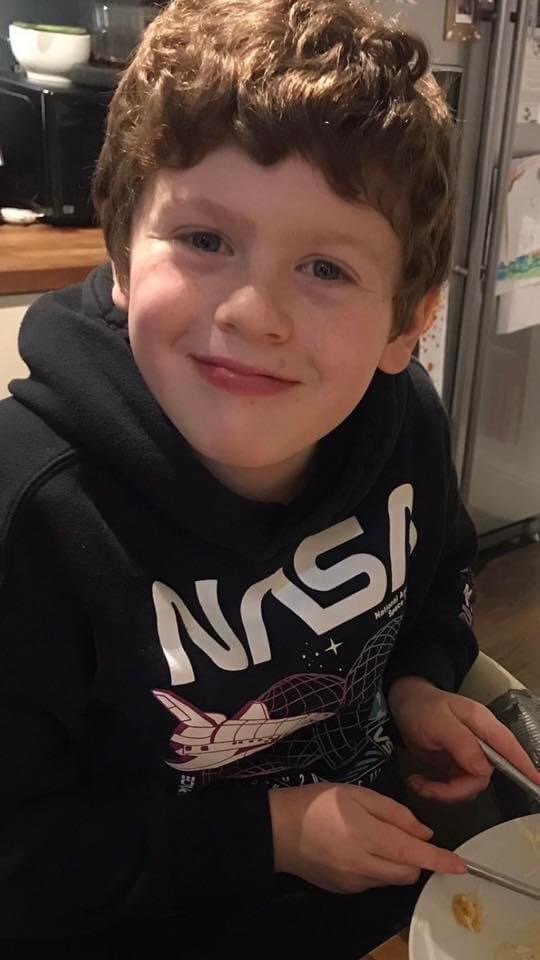
Photo is of Dylan Cope, Corinne's son.
Related content
- BMJ News: Deaths of two children prompt calls for patients referred to hospital by GPs to be assessed only by doctors
- Investigating harm with humanity - practical guidance for NHS investigators, clinical teams and legal representatives (by Corinne Cope)
- Destructive investigations: our experience of the investigation into our son's death
- Seeking better sepsis awareness in Wales (a film by Corinne and Laurence Cope)
- Dylan's Story (Welsh Ambulance Services University NHS Trust)

Recommended Comments
Create an account or sign in to comment