


Patient_Safety_Learning
PSL Moderators
-
Joined
-
Last visited
Everything posted by Patient_Safety_Learning
-
Content ArticleCOMPASS (Culture of Organisations and its iMPact on PAtientS’ Safety), a tool developed to help healthcare staff identity and address cultural factors affecting patient safety in maternity services, has had positive feedback in its first pilot study. The tool provides an evidence-based framework for documenting observations on organisational cultures within maternity and newborn services. COMPASS was developed in response to research which identified recurring cultural issues that were linked to patient safety concerns. Read more via the link below
-
Content ArticleNICE Talks podcast is joined by representatives from the Medicines and Healthcare products Regulatory Agency (MHRA) to discuss how NHS patients will be able to access medicines up to 6 months faster through an aligned MHRA and NICE pathway.
-
Content ArticlePatients with long term conditions (LTCs) and co-morbidities currently often experience fragmented and inefficiently co-ordinated care. Some 70% of healthcare spend is on managing patients with LTCs. By tackling these issues, we have a significant opportunity to improve patient experience and outcomes. The Complex Long Term Conditions programme is testing new models of care to improve management of LTCs, including fewer appointments, better decision making and easier access to services. The programme is being delivered by the NCL Health Alliance (all-in provider collaborative) working as part of the NCL ICS.
-
Content ArticleThis is a guide from the Chartered Institute of Ergonomics and Human Factors, for designers, developers and users of AI in healthcare. It outlines general principles health and social care professionals should consider, a case study drawn from clinical practice and a directory of resources to find out more. It includes key questions that clinicians and AI developers need to answer together to ensure the best possible outcomes. It follows on from the CIEHF's White Paper, Human Factors in Healthcare AI, which sets out a human factors perspective on the use of AI applications in healthcare.
-
Content ArticleThis study aimed to analyse characteristics of patients who committed homicide, their victims and inquiries published in England between 2010 and 2023.
-
Content ArticleThe National Guardian’s Office leads, trains and supports a network of Freedom to Speak Up guardians in England. There are more than 1,200 guardians in NHS and independent sector organisations, hospices and national bodies who provide an additional way for workers to speak up when they feel that they are unable to in other ways. The National Guardian’s Office conducts Speak Up reviews to identify learning and support improvement needs for the speaking up culture of the healthcare sector. This Annual Report is the seventh from the National Guardian’s Office, which is required to be laid before Parliament as a commitment made by the Government’s response to the Gosport Independent Panel: “To further increase transparency, accountability and to promote culture change, the Government has requested the National Guardian to produce an annual report to be laid before Parliament.”
-
Event
until
Please note the times are in Singapore Standard Time (SST). Register here -
Content Article
.png.a3fbb572bab7eb4acf77d178ac6c1676.png) Sepsis is a life-threatening condition that occurs when the body’s response to an infection causes damage to its own tissues and organs. Early recognition and treatment are vital to save lives. This series of short videos (each under two minutes), produced by Patient Safety Learning in collaboration with The UK Sepsis Trust, aims to raise awareness of the key signs and symptoms of sepsis. Featuring Dr Ron Daniels, Founder and Chief Medical Officer of The UK Sepsis Trust and Topic Leader for the hub, these videos outline what to look out for across different age groups. Videos include: Spotting the signs of sepsis in adults and young people (1 minute) Spotting the signs of sepsis in school-aged children (90 seconds) Spotting the signs of sepsis in children under five years old (2 minutes)
Sepsis is a life-threatening condition that occurs when the body’s response to an infection causes damage to its own tissues and organs. Early recognition and treatment are vital to save lives. This series of short videos (each under two minutes), produced by Patient Safety Learning in collaboration with The UK Sepsis Trust, aims to raise awareness of the key signs and symptoms of sepsis. Featuring Dr Ron Daniels, Founder and Chief Medical Officer of The UK Sepsis Trust and Topic Leader for the hub, these videos outline what to look out for across different age groups. Videos include: Spotting the signs of sepsis in adults and young people (1 minute) Spotting the signs of sepsis in school-aged children (90 seconds) Spotting the signs of sepsis in children under five years old (2 minutes) -
Content Article
.png.3a8f849a6419c7c186cabcef6d38ee4c.png) Sepsis is a life-threatening condition that occurs when the body’s response to an infection causes damage to its own tissues and organs. Early recognition and treatment are vital to save lives. This 5 minute video, produced by Patient Safety Learning in collaboration with The UK Sepsis Trust, explains the sepsis risks that need to be considered in rural communities. Featuring Dr Ron Daniels, Founder and Chief Medical Officer of The UK Sepsis Trust and Topic Leader for the hub, we look at: The factors that affect rural communities. How these can impact sepsis outcomes. What healthcare professionals can do to support good outcomes. What support there is for healthcare professionals. This is part of our wider sepsis awareness series which includes a series of short videos on spotting the signs of sepsis in adults and children.
Sepsis is a life-threatening condition that occurs when the body’s response to an infection causes damage to its own tissues and organs. Early recognition and treatment are vital to save lives. This 5 minute video, produced by Patient Safety Learning in collaboration with The UK Sepsis Trust, explains the sepsis risks that need to be considered in rural communities. Featuring Dr Ron Daniels, Founder and Chief Medical Officer of The UK Sepsis Trust and Topic Leader for the hub, we look at: The factors that affect rural communities. How these can impact sepsis outcomes. What healthcare professionals can do to support good outcomes. What support there is for healthcare professionals. This is part of our wider sepsis awareness series which includes a series of short videos on spotting the signs of sepsis in adults and children. -
Content ArticleThis study, published in Frontiers in Health Services, aimed to provide a deeper understanding of what persons with lived experience and professionals with experience of patient safety, suicide research, and investigations consider to be most important in investigations of healthcare before suicide to learn and improve the care of suicidal patients.
-
Content ArticleImproving productivity is integral to creating a high-performing and sustainable health service. Amid tight public finances and stalled progress in improving the nation’s health, the NHS in England needs to seize opportunities over the next decade to deliver more and better care to patients for every pound spent. To assist, the Health Foundation has launched the NHS Productivity Commission to develop practical, evidence-based and ambitious solutions to improve productivity. This report lays the groundwork, setting out: our understanding of NHS system productivity trends in key measures over the past two decades and diagnosing the reasons for the NHS’s recent stalling productivity our four-driver framework, which will guide future recommendations how you can get involved via our call for evidence.
-
Content ArticleOn this page from Medecins Sans Frontieres, you can find resources intended for educational and training purposes on various subjects: inclusive language, healthcare disparities, sexual orientation and gender identity, and more.
-
Content ArticlePatient_Safety_Learning posted an article in Human factors (improving human performance in care delivery)A door swinging open in the OR. A tiny defect in IV tubing. Both seem trivial—until you realize they expose how fragile our systems really are. In this episode of the Leading Quality podcast, Allie Muniak, Executive Director of Health System Improvement at Health Quality BC, shows how human factors turns everyday frustration into lifesaving insight. We follow her path from psychology to system redesign, uncovering how design, teamwork, and curiosity prevent harm long before checklists or policies do.
-
Content Article
 Pressure ulcers, or bed sores as they are often called, can affect people of all ages. They can lead to serious complications and immense pain for patients, so prevention and awareness is key. Patients with mobility difficulties, conditions affecting blood flow (such as Type 2 Diabetes), and those over 70 are particularly vulnerable. Stop Pressure Ulcer Day is organised annually by the European Pressure Ulcer Advisory Panel and aims to bring knowledge to a wider audience to reduce the harm caused by pressure ulcers. In support of the campaign, we're shining a spotlight on a selection of fantastic resources that have been shared with us via our patient safety platform - the hub.
 -
Content ArticleYou’ve probably heard of psychological safety, and you may also have heard of “psychosocial safety”. In this piece, we’re exploring what psychosocial safety actually is, and how it is different to psychological safety.
-
Content ArticlePatient_Safety_Learning posted an article in Human factors (improving human performance in care delivery)
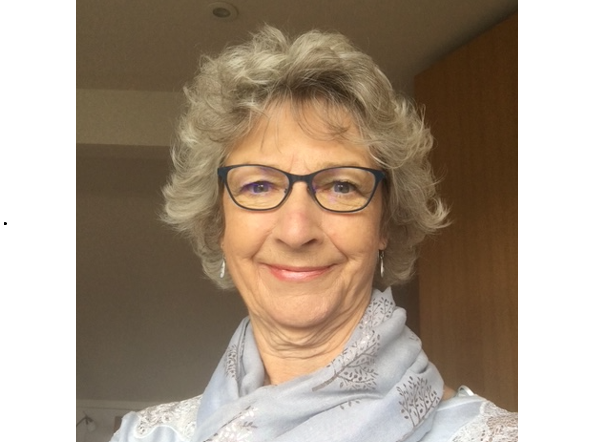 The Patient Safety Partners Network (PSPN) includes Patient Safety Partners, in both paid and voluntary roles within NHS organisations, whose role is to improve patient safety. Patient Safety Learning provides a monthly drop-in session for the PSPN, sometimes with guests, to talk through topical and relevant issues. This facilitates information sharing, peer support and safe space for discussion. The network met in October to discuss the topic of staff fatigue and its impact on patient safety, with an excellent presentation by Dr Laura Pickup. In this blog Sue Strudwick, the Patient Safety Partner who chaired that meeting, reflects on the session and some of the key points raised by Laura and the members.
 -
Content ArticleNHS England’s Medium-Term Planning Framework emphasises collaboration, innovation, and sustainability to meet evolving population needs and financial pressures. It builds on recent reforms and lessons learned from the pandemic, aiming to deliver better outcomes for patients, staff, and communities. CF Experts in Health have developed a visual overview of NHSE NHS England’s Medium-Term Planning Framework: Delivering Change Together (2026/27 to 2028/29). Download the visual on their website via the link at the bottom of this page.
-
Content Article
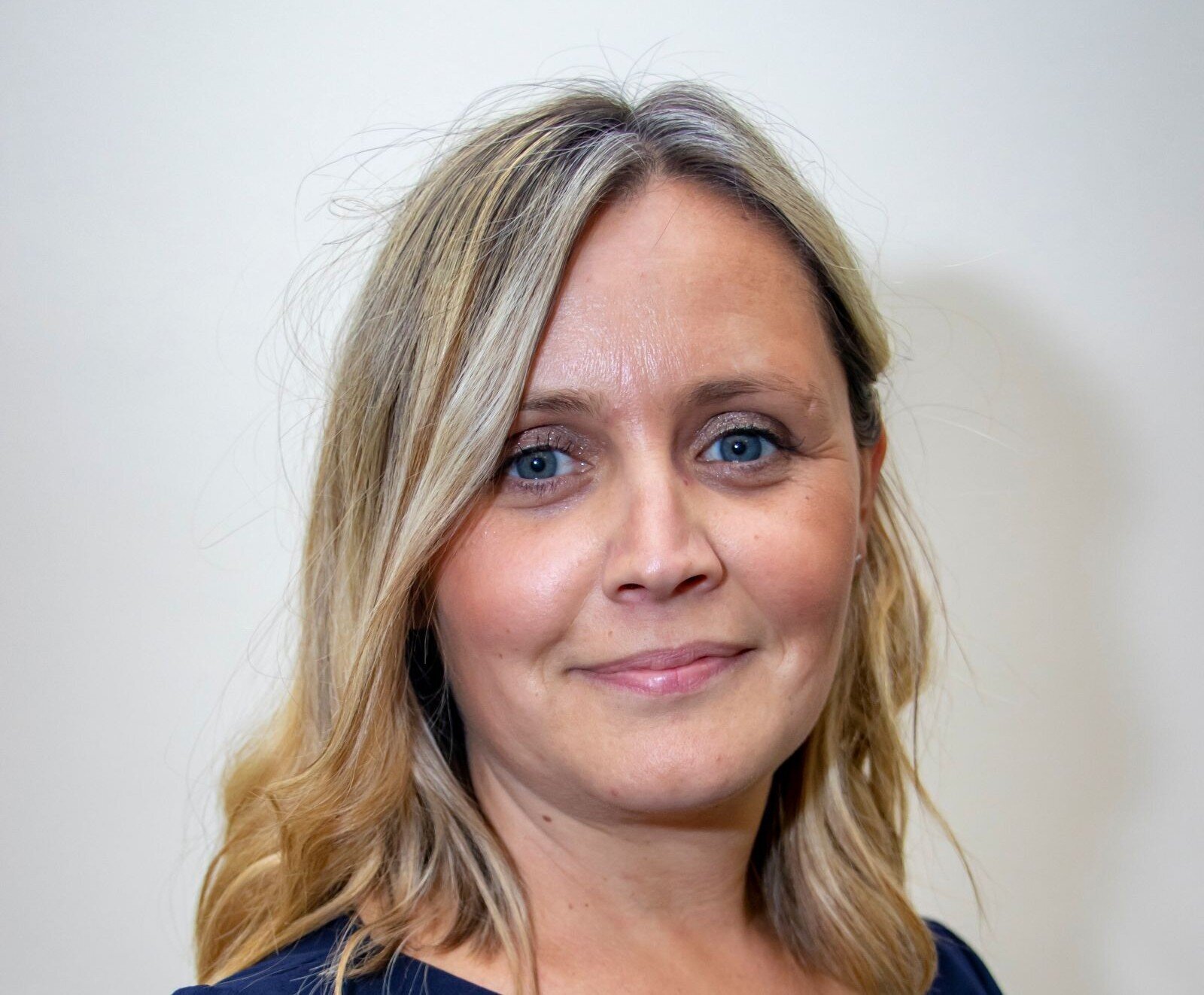 In this blog, Associate Director Claire Cox shares a video training resource developed for the Patient Safety Management Network Symposium. Claire explains how they used it to facilitate an interactive workshop, bringing SEIPS (Systems Engineering Initiative for Patient Safety) to life. It's now available as a resource for you to use in your own organisation. It is simple to set up, highly engaging, and encourages teams to think beyond individuals and see the wider system in action.
 -
Content Article
.png.3ce5ba1a318df80765a596d93946d358.png) This training guide was developed to help people facilitate an interactive workshop, bringing SEIPS (Systems Engineering Initiative for Patient Safety) to life. It is simple to set up, highly engaging, and encourages teams to think beyond individuals and see the wider system in action. If you'd like to use the video to run a workshop in your organisation, please see our helpful guide and templates below.
This training guide was developed to help people facilitate an interactive workshop, bringing SEIPS (Systems Engineering Initiative for Patient Safety) to life. It is simple to set up, highly engaging, and encourages teams to think beyond individuals and see the wider system in action. If you'd like to use the video to run a workshop in your organisation, please see our helpful guide and templates below. -
Content ArticleDecision support tools, also called patient decision aids, support shared decision making by making treatment, care and support options explicit. They provide evidence-based information about the associated benefits/harms and help patients to consider what matters most to them in relation to the possible outcomes, including doing nothing.
-
Content Article
 In December 2022 Dylan Cope, a 9 year old boy, died of sepsis after being discharged from hospital. A coroner found the boy's death “would have been avoided if he had not been erroneously discharged”, and said what happened "amounts to a gross failure of basic care”. In this short film, created by Dylan's parents Corinne and Laurence Cope, we hear more about Dylan and the deterioration they witnessed before he died. Corinne describes how they have been working with Aneurin Bevan University Health Board and UK Sepsis Trust on a sepsis awareness campaign, including the development of new discharge safety netting leaflets. She also talks about how they are now working with other Health Boards in Wales, with the ambition of creating a consistent All-Wales approach to these issues. Corinne and Laurence first presented the film at The Big Conversation for Sepsis 2025, organised by Aneurin Bevan University Health Board. *Trigger warning* Some people might find the content of this film upsetting.
 -
Content Article
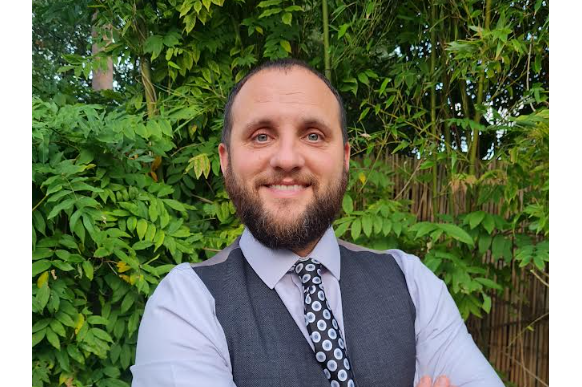 James Andrews is a pharmacist currently working as a Superintendent for multiple outpatient pharmacies, including specialist cancer care. He is also a Topic leader for the hub. In this blog, James explains the safety risks that come with handwritten prescriptions and the wider impact this has on patients, staff and the system. He highlights the importance of high-quality patient counselling and digitisation in reducing the risk of medication errors.
 -
Content ArticleDecision support tools, also called patient decision aids, support shared decision making by making treatment, care and support options explicit. They provide evidence-based information about the associated benefits/harms and help patients to consider what matters most to them in relation to the possible outcomes, including doing nothing.
-
Content Article
 In support of World Patient Safety Day 2025 and the theme, ‘Safe care for every newborn and child’, we published a series of specially commissioned guest blogs. These contributions have come from many different perspectives, including healthcare professionals, patients, public bodies and academics.
 -
Content ArticleDecision support tools, also called patient decision aids, support shared decision making by making treatment, care and support options explicit. They provide evidence-based information about the associated benefits/harms and help patients to consider what matters most to them in relation to the possible outcomes, including doing nothing. Cataracts: making a decision about cataracts - This decision support tool is to help with decisions about cataracts. It includes information about the condition and possible treatments. Open-angle glaucoma: making a decision about open-angle glaucoma - This decision support tool is to help with decisions about open-angle glaucoma. It includes information about the condition and possible treatments. Wet age-related macular degeneration: making a decision about wet age-related macular degeneration - This decision support tool is to help with decisions about wet age-related macular degeneration. It includes information about the condition and possible treatments.
.png.a3fbb572bab7eb4acf77d178ac6c1676.png)
.png.3a8f849a6419c7c186cabcef6d38ee4c.png)
.png.3ce5ba1a318df80765a596d93946d358.png)
