


Patient_Safety_Learning
PSL Moderators
-
Joined
-
Last visited
Everything posted by Patient_Safety_Learning
-
Content Article
 In this blog for National Voices, Helen Hughes, Chief Executive of the charity Patient Safety Learning, tells us more about World Patient Safety Day 2024 and why this year’s theme of ‘Improving diagnosis for patient safety'’ is so important. This blog has been published as part of a series for World Patient Safety Day 2024 and the theme of Improving diagnosis for patient safety. #WPSD24, World Patient Safety Day 2024, WPSD 2024.
 -
Content ArticleAn infographic produced in 2024 by the World Health Organization: 5 tips for patient's to help get an accurate diagnosis.
-
Content ArticleAn infographic produced in 2024 by the World Health Organization: 5 tips for health workers to remember during diagnosis.
-
Content Article
 The earlier cancer is diagnosed, the better the chances of successful treatment. Early diagnosis leads to: fewer side effects faster recovery, fewer long-term physical and psychological complications. In this blog, GP, Amelia Randle sets out a number of ways clinicians can develop their daily practice to improve cancer diagnosis at an early stage. This blog has been published as part of a series for World Patient Safety Day 2024 and the theme of Improving diagnosis for patient safety. #WPSD24, World Patient Safety Day 2024, WPSD 2024.
 -
-
Community PostRecent article published in the BMJ: Pain during gynaecological procedures: research and compassion are key to improving patients’ experiences (BMJ, 13 September 2024)
-
Content ArticlePatient Safety Bundles are a structured way of improving the processes of care and patient outcomes.Patient safety bundles are collections of evidence-informed best practices, developed by multidisciplinary experts, which address clinically specific conditions in pregnant and postpartum people. The goal of PSBs is to improve the way care is provided to improve outcomes. A bundle includes actionable steps that can be adapted to a variety of facilities and resource levels.
-
Content ArticleOn April 1st 2024, six months after the transition to being hosted by the Care Quality Commission, the Maternity and Newborn Safety Investigations (MNSI) made changes to their investigation reports and process. Zoë Munson, a maternity investigator, and co-chair of the investigation development group, sat down with MNSI’s editorial team to discuss the changes and how this will improve the investigations for trusts, families and the wider NHS.
-
Content ArticleIn partnership with the Royal College of Obstetricians and Gynaecologists and the Royal College of Midwives, The Tommy’s National Centre for Maternity Improvement is working to prevent stillbirths and premature births across the UK. It's vision is to make the UK the safest place in the world to give birth by making it easier for every woman to receive the right care at the right time and by reducing health inequalities across the country.
-
Content ArticleLeaders often have an inflated idea of how easy it is for others to speak honestly to them. A two-year research study, including interviews with over 60 senior executives, workshops, and case studies, illuminates a glaring blind spot. Many leaders simply don’t appreciate how risky it can feel for others to speak up. In this article for Harvard Business Review, Megan Reitz and John Higgins question how do you, as a leader, acknowledge power differences and genuinely encourage others to speak up to you? Are you honestly interested in others’ opinions? Have you considered how risky it feels for others to speak up to you? How aware are you of the political game being played? What labels do people apply to you and what labels do you apply to others that define the rules of what can be said? And finally, what specifically do you need to do and say to enable others to speak?
-
Content ArticleIn this article for LinkedIn, Dr Nadeem Moghal discusses the use of the patient story to start Board meetings and the possible reasons behind this,
-
Content ArticleThe objective of this study, published in the Journal of General Internal Medicine, was to examine near-miss events identified by primary care physicians in which taking additional time improved patient care or prevented harm. Authors conclude: Primary care physicians identify and address patient safety issues and high-risk situations by spending more time than allotted for a given patient encounter. Current quality metrics do not account for this critical aspect of primary care work. Current healthcare policy and organization create time scarcity. Interventions to address time scarcity and to measure its prevalence and implications for care quality and safety are urgently needed.
-
Event
until
Overview This webinar will give an overview of the safety & quality scene in the US with a focus on accreditation and regulation of healthcare organisations. Aims and Learning Objectives By the end of this webinar, attendees should be able to: Understand the regulatory and accreditation world of healthcare in the US Have a glimpse at the patient safety challenges faced in the US Understand diagnostic errors and bias in healthcare. Register here Panellists Haytham Kaafarani - MD, MPH, FACS, Professor of Surgery, Harvard Medical School, Hospital Director of Patient Safety & Quality, Massachusetts General Hospital, Medical Director, Trauma Center, Massachusetts General Hospital. Vicky Sharples - Chief Nurse and Executive Director of Quality at The Christie NHS Foundation Trust. Kunal Rajput - Deputy trainee lead for SSB general surgery, ST 4 trainee, NW London. Meera Patel - Academic trainee in the NW region. Mr Chelliah Selvasekar (Moderator) - Consultant Colorectal, Laparoscopic and Robotic Surgeon at the Christie NHS Foundation Trust in Manchester. Robotic T &F group RCSEd and Chair, SSB General surgery, RCSEd Prof Sanjay Pandanaboyana (Moderator) - Consultant HPB Surgeon, Freeman Hospital, Newcastle. Ms Anna Paisley (Moderator) - Consultant General and Upper GI Surgeon at the Royal Infirmary of Edinburgh. CPD 1 Hour To be eligible to receive CPD hours for webinar attendance you must connect for the full duration of the webinar AND complete the feedback survey. Visit the FAQs for further information relating to webinar CPD. Recording A recording of the webinar will be made available in the days following the live broadcast. -
Content ArticleThis study, published in the Journal of Patient Safety, aimed to explore how researchers operationalize the NASEM's definition of diagnostic error with relevance to accuracy, timeliness, and/or communication in peer-reviewed published literature.
-
Content ArticleAccurate and timely diagnosis relies on close collaboration between patients/families and clinicians. Just as patients have unique insights into diagnostic breakdowns, positive patient feedback may also generate broader perspectives on what constitutes a “good” diagnostic process (DxP). This Study, published in Diagnosis, concludes that patients/families valued relationships with clinicians above all else in the DxP, emphasizing the importance of supporting clinicians to nurture effective relationships and relationship-centered care in the DxP.
-
Content ArticleIn this article for the Guardian, Janice Morgan, a matron at Nottingham’s Queen’s Medical Centre hospital, says staff are facing more abuse and aggression.
-
Content Article
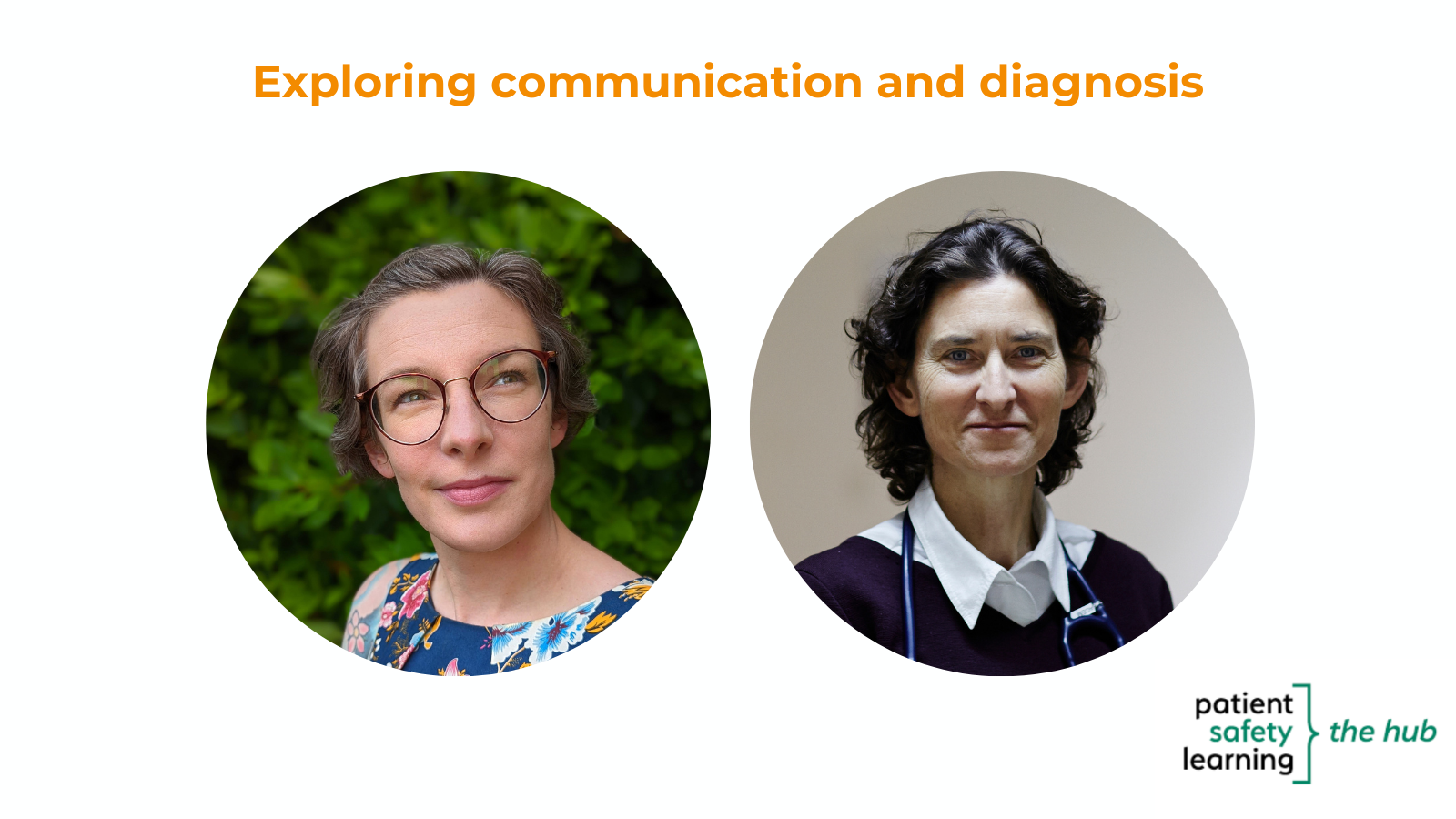 Mary Dahm is a Senior Research Fellow at the Australian National University. Carmel Crock is Director of the Emergency Department at the Royal Victorian Eye and Ear hospital Melbourne. Through their work, they aim to identify communication issues to improve diagnosis, patient safety and quality of care. In this blog, they tell us more about their research to explore the relationship between communication and diagnostic accuracy. The findings highlight how critical it is to spend time listening to the patient, and for doctors to communicate uncertainties well. This blog has been published as part of a series for World Patient Safety Day 2024 and the theme of Improving diagnosis for patient safety. #WPSD24, World Patient Safety Day 2024, WPSD 2024.
 -
Content Article
 Alfie Bailey-Bearfield is Head of Campaigns, Health Improvement, and Policy at Pancreatic Cancer UK. In this blog, Alfie explains the challenges associated with diagnosing pancreatic cancer, why fast and accurate diagnosis is so important, and why increased funding is vital to improving outcomes for patients. This blog has been published as part of a series for World Patient Safety Day 2024 and the theme of Improving diagnosis for patient safety. #WPSD24, World Patient Safety Day 2024, WPSD 2024.
 -
-
Event
until
Black Maternal Mental Health Week UK is an annual event led by the Motherhood Group. It is dedicated to raising awareness about the mental health challenges faced by Black mothers. Recognised nationally, this initiative aims to promote education, advocacy, and support for Black women during their pregnancy and postpartum journey. By shedding light on the unique mental health disparities experienced by this community, the week-long campaign strives to foster understanding and drive positive change in maternal healthcare practices. The 5th annual Black Maternal Mental Health Week UK 2024 addresses disparities, examines root causes, and develops targeted support for Black mothers' mental well-being. Through events, webinars, and solution-focused discussions, it will foster crucial conversations to drive meaningful change. Find out more about the events running throughout the week and how to register here. -
Content Article
.png.fe54aeb8a60f0a765f75ee9ed60e4f63.png) In this anonymous blog, a patient explains how her experiences of pain were dismissed after the birth of her first baby. Although her own research indicated she had rheumatoid arthritis, she had to battle misinformed and unhelpful doctors to get a referral to a specialist. This led to delays in her diagnosis, leaving her questioning whether life would be different had she been listened to sooner. This blog has been published as part of a series for World Patient Safety Day 2024 and the theme of Improving diagnosis for patient safety. #WPSD24, World Patient Safety Day 2024, WPSD 2024.
In this anonymous blog, a patient explains how her experiences of pain were dismissed after the birth of her first baby. Although her own research indicated she had rheumatoid arthritis, she had to battle misinformed and unhelpful doctors to get a referral to a specialist. This led to delays in her diagnosis, leaving her questioning whether life would be different had she been listened to sooner. This blog has been published as part of a series for World Patient Safety Day 2024 and the theme of Improving diagnosis for patient safety. #WPSD24, World Patient Safety Day 2024, WPSD 2024. -
Content ArticleIn this Commentary for National Health Executive magazine, Patient Safety Learning's Chief Executive Helen Hughes talks about our recent report Electronic patient record systems: Putting patient safety at the heart of implementation. Click on the link below to read the full commentary.
-
Content ArticleThis edition of National Health Executive magazine begins with an article from Helen Hughes, Chief Executive of Patient Safety Learning, on Electronic Patient Records. Helen talks about our recently published report Electronic patient record systems: Putting patient safety at the heart of implementation, to consider how patient safety can, and must, be put firmly at the heart of the design, development and rollout of Electronic Patient Record systems. Click on the link below to access this edition of the magazine in full.
-
Content ArticleA retrospective observational study has indicated a possible association between valproate use by men around the time of conception and an increased risk of neurodevelopmental disorders in their children. This Drug Safety Update advises to inform male patients who may father children of this possible increased risk and the recommendation to use effective contraception during valproate treatment and for at least 3 months after stopping valproate. Follow the link below to read the full Drug Safety Update issued on 5 September 2024 by the Medicines and Healthcare products Regulatory Agency.
-
Content Article
 Dan Cohen is an international consultant in patient safety and clinical risk management, and a Trustee for Patient Safety Learning. In this blog, Dan looks at the challenges around diagnostic error and delay, compounded by human factors, cognitive bias and the Covid-19 pandemic. Ending with a case study, he illustrates how high-quality investigations, that delve deeply into human factors and focus less on blame, are key to reducing harm. This blog has been published as part of a series for World Patient Safety Day 2024 and the theme of Improving diagnosis for patient safety. #WPSD24, World Patient Safety Day 2024, WPSD 2024.


.png.fe54aeb8a60f0a765f75ee9ed60e4f63.png)

