-
Posts
10 -
Joined
-
Last visited
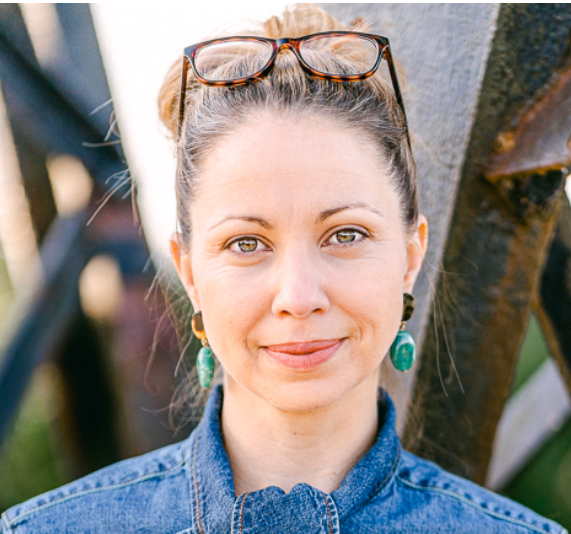
Stephanie O'Donohue
MembersReputation
8
Novice
Profile Information
-
First name
Stephanie
-
Last name
O'Donohue
-
Country
United Kingdom
About me
-
About me
Patient interested in safety, women's health, consent and patient engagement. Content and Engagement Manager for Patient Safety Learning.
-
Organisation
Patient Safety Learning
-
Role
Content and Engagement Manger
Recent Profile Visitors
The recent visitors block is disabled and is not being shown to other users.
-
Community Post
Medication supply issues: have you been affected?
Stephanie O'Donohue replied to Patient_Safety_Learning's topic in Medication
- Medication
- Pharmacy / chemist
-
(and 1 more)
Tagged with:
My toddler had croup and developed very strained breathing so, being a Sunday, we called 111 and were sent to an out of hours gp based in a hospital. They prescribed steroids, and told us we needed to start them straight away. We were told by the gp we couldn't get them from the hospital pharmacy because we had the wrong colour prescription. I'm assuming this was related to level of need but I don't know. After driving to one pharmacy we were told the medication wasn't available and there was a shortage. We then called, or drove to, another seven pharmacies, none of whom had it in stock. We were, however, told they had it in a slightly different form (can't remember the details) and that we would need to return to the gp to get a new prescription if we wanted that one. Three hours had past by this point. Aware my toddlers breathing could potentially worsen and that we'd been advised to start the steroids immediately, I was quite concerned. I called the hospital and luckily we just caught the gp whose shift was finishing at noon. We had to drive back to the hospital, collect the new prescription and travel back to the pharmacy to get his medication. I was very fortunate that I have a car, a phone with credit, English is my first language, could pay the extortionate hospital parking fees (twice) and could do this three hour trip without having to bring several other children with me. Many do not have these privileges. It's a huge safety and equity issue. And I was actually able to get the medication eventually that day, many others seem to be facing issues that are leaving them without their prescriptions for weeks.- Posted
- 21 replies
-
1
-
- Medication
- Pharmacy / chemist
-
(and 1 more)
Tagged with:
-
Content Article
“Almost every Gynecologic surgeon I know has a story about being told that they were wasting their talent". It was this tweet from US-based gynaecology surgeon Jocelyn Fitzgerald that caught my eye a few months ago. I’m passionate about women’s health and immediately wanted to find out more about how this translated in terms of patient safety. So, in August we met, and Dr. Fitzgerald explained some of the barriers and challenges she faces in delivering safe and equitable care. Hi Dr Fitzgerald, can you tell us a bit about yourself? I am a double board-certified obstetric gynaecologist, urogynaecologist and pelvic reconstructive surgeon at Magee Women’s Hospital in Pittsburgh. My work includes pelvic floor reconstruction, including vaginal prolapse and urinary incontinence. Other gynaecology surgical specialists include; gynae oncology for cancers of the female reproductive tract, and minimally invasive gynaecology surgery for the treatment of endometriosis and fibroids. What made you want to become a gynaecology surgeon? I knew this was a field that was rife with surgical challenges and inequality – we need the most motivated surgeons and brightest minds! There is so much taboo around what we do that I knew I had to lend my voice. What sort of comments did you get personally, or hear more widely, about gynaecology surgery as a specialty when you were in training? That we are not 'real' surgeons. I've heard that so many times. This definitely had an impact on me personally. All of my peers say the same, that they were told they were wasting their surgical and medical talent by going into Gynaecology. There have even been offensive memes created by anaesthetists and shared widely that imply our specialty is less skilled when in fact sub-specialist gynaecology surgeons have low complication rates, on par or superior to those of other surgical disciplines. How does pay impact talent acquisition? If you train in urogynaecology and want to specialise in surgery you are financially disincentivised to choose the gynaecology route. In the US, we are the lowest paid surgeons in medicine.[1,2] Statistics highlight a double layer of discrimination here, with the highest paid being male clinicians who opt to specialise in urology surgery and the lowest paid being female clinicians who specialise in gynaecology surgery.[3] It feels like we are discouraged from the start to look after women. Coupled with the condescending attitudes to our specialty, poor pay leads to skilled clinicians questioning whether they are too talented to treat women and often choosing a different route. Can you tell us about how clinical services are reimbursed in the US and how this impacts gynaecology surgery? The system here uses something called ‘relative value units’ (RVUs) to determine the amount of money reimbursed to the healthcare provider or organisation for each clinical service provided. A payment formula contains three RVUs, one for physician work, one for practice expense, and one for malpractice expense. Unfortunately, the gap between reimbursement for gynaecology surgeries and other types of surgery continues to widen.[4,5] This disincentivises the recruitment of talent into this high-demand field. In a profit-driven medical environment, it also disincentivises healthcare systems from providing gynaecology surgeons with necessary resources, such as: operating room time facilities staff allocation. It is worth mentioning that only three of the 32 people on the committee that determines RVUs are women.[6] How does this lead to patient harm? This low reimbursement leads to patient harm due to long wait times for surgery, inconsistent staffing, decreased surgeon volume and worse outcomes. Lower reimbursement for gynaecology services compared to obstetrics disincentivises generalist obs/gynaes from providing gynaecology care.[7] This leads them to the majority becoming ‘low volume’ surgeons. Surgeons who operate less are less efficient and have worse outcomes; they lack dedicated teams and repetition, increasing surgery time and subsequent patient harm. Can you give an example of how this plays out for patient care? Endometriosis is a good example. It is a complex disease where tissue similar to the uterine lining is found in the abdominal cavity. It causes significant abdominal and menstrual pain, scarring, and infertility. It takes on average 7-10 years to diagnose due to the vague nature of its symptoms, association with painful menses (which are largely dismissed in emergency settings) and lack of specialist training. Endometriosis surgery is extremely complex and requires fellowship training in advanced gynaecologic Surgery. Only one code exists to reimburse for endometriosis surgery and it makes no distinction between a 20 minute laparoscopy where a lesion was briefly ‘burned’ which typically will achieve minimal benefit, and a five hour excisional procedure.[8] Reimbursement for this complex disease is so low (due to lack of complexity codes and payment) that: patients continue to see unskilled providers some US providers who do have the skills to excise endometriosis will only take cash; bankrupting desperate patients in severe pain women are more likely to face long waits for surgery and/or cancelled operations. See the documentary Below the Belt for a more detailed expose on this topic. What needs to happen to make gynaecology surgery better supported so that all patients have access to safe care? In a profit-driven system here in the US, our procedures need to be coded and reimbursed based on the worth of our skill set. Sub-specialist gynaecology surgeons complete 2-4 years of additional fellowship training in advanced procedures. This is often more than their higher-paid surgeon colleagues, for example orthopaedics, which is 5-6 years of training or Urology, which is 5 years without a fellowship. There needs to be fundamental changes to the RVU system, the involvement of the department of Health and Human Services, and legal options citing gender discrimination, though this would be challenging. Ultimately the discrimination and lack of value for gynaecology surgery is ‘baked in’ to the system and is affecting the level of care women receive. This needs to be addressed at every level to value women and their providers and prevent harm. References Wilcox L. General surgery salary report 2022: Surgeon wages up 8%. Weatherby Healthcare, 2022. Accessed online 25/09/2023. Watson KL, King LP. Double Discrimination, the Pay Gap in Gynecologic Surgery, and Its Association With Quality of Care. Obstet Gynecol. 2021;137(4):657-661. Pelley E, Carnes M. When a Specialty Becomes "Women's Work": Trends in and Implications of Specialty Gender Segregation in Medicine. Acad Med. 2020 Oct;95(10):1499-1506. Polan RM, Barber EL. Reimbursement for Female-Specific Compared With Male-Specific Procedures Over Time. Obstet Gynecol. 2021;138(6):878-883. Benoit MF, Ma JF, Upperman BA. Comparison of 2015 Medicare relative value units for gender-specific procedures: Gynecologic and gynecologic-oncologic versus urologic CPT coding. Has time healed gender-worth? Gynecol Oncol. 2017;144(2):336-342. American Medical Association. Composition of the RVS Update Committee (RUC), 2023. Accessed online 25/09/2023. Watson KL, King LP. Double Discrimination, the Pay Gap in Gynecologic Surgery, and Its Association With Quality of Care. Obstet Gynecol. 2021 Apr 1;137(4):657-661. Seckin T. Historic Update to ICD-10 Endometriosis Diagnosis Codes. Seckin Endometriosis Center, 2022. Accessed 25/09/2023. Share your views Do you work in gynaecology or women’s health in the US or another country? Have you experienced comments or barriers similar to Jocelyn? Is your area of health well resourced and funded? What needs to change to help staff provide safe and equitable care? Please comment below (sign up first for free) or get in touch with us at [email protected] to share your insights.- Posted
- 1 comment
-
Content Article
I am passionate about women's health and have worked with campaigners, clinicians and patients for a number of years to look at the barriers that women face in receiving safe care and the challenges clinicians face in delivering it. We know the medical system has historically been based on the white, male patient which has led to huge gaps in knowledge and understanding around women's health. But we are not just playing catch up to address past racism and patriarchy that is embedded in the system, we are continuing to highlight and fight it where it still exists. On Saturday I attended the Women's Health Summit, organised by Five X More. It was a powerful event, designed to look at aspects of women's health throughout their life journey. Attended by mums, charity representatives, media, clinicians, patients, leaders and more, united by a desire to change things. I laughed, I talked and I cried. One of the final calls to action of the day was to find your skill, find your voice and do more. So, I start where I am most at home - in writing. "How could we have predicted this outcome better in you?" This was one question that has lingered with me since the Summit, raised by Dr Helen O'Neill. Why this question in particular? Because, if we are able to gain a deep understanding of the factors that contribute to good or bad outcomes, we will be better placed to assess individual risk and adapt practice to make sure all women receive safe, culturally sensitive and equitable care. In this blog, I look at this question in relation to four key themes that came up throughout the day: listening personalised care embracing digital solutions improving data and knowledge representation Listening Actively seeking and welcoming insights from those with lived experience or most affected by a healthcare service seems common sense, and yet it remains poorly embedded. Hearing and elevating the voices of patients and collaborating for safety was touched on many times throughout the day. Kate Brintworth, Chief Midwifery Officer for NHS England talked early on about the need to listen more to women, reflecting that maternity services had not done this well enough to date: "We need to step out of the space of being the 'expert' and become the partner." This was echoed by others, who also highlighted the negative responses women can get when speaking up or advocating for themselves and their body. A barrier often caused by bias, racism, stress and a paternalistic clinician-patient power imbalance. Seeking ways to involve yourself as a patient in research design, data collection and advocacy was strongly encouraged. Get yourself a seat at the table and bring others with you, one speaker said. Tokenism will not work. The only way to understand what makes women feel safe or unsafe is to ask them. The only way to understand the barriers they have faced in accessing safe care is to ask them. These insights are vital in understanding outcomes. Personalised care We heard many times throughout the day from people advocating personalised care. Holistic care that responds to need, vulnerability and the whole person. Care that enables deeper understanding and improved outcomes. Care that takes time and resource to get right. One midwife attendee questioned whether the medical model was meeting the needs in maternity services. She talked openly about how the current system stunts her ability to provide much needed personalised care. Dr Christine Ekechi talked about the rate of stillbirths and how it has increased for the first time in 8 years. She reflected that there is a growing anxiety in patients and staff about the care that can be provided. This, she said, is contributing to a fragmented relationship between the two. Embracing digital solutions Opportunities to use digital health solutions to improve outcomes and patient experience were also talked about. Professor Basky Thilaganathan spoke about a trial in 26 UK hospitals of a medical 'device' called Tommy’s Pathway which uses a dual-facing approach to engage both clinician and patient. The aim of this Clinical Decision Support Tool is to ensure that whatever your ethnicity, your outcome would be the same. We were asked by his fellow panellist to reflect on that for a few moments. To really let it sink in. Whatever your ethnicity. Your outcome would be the same. It could be a huge leap forward for maternity safety and health equity. But barriers to embedding tools like this, despite evidence of their success elsewhere, were noted. Largely being attributed to bureaucracy. The need for digital advances to be translated into healthcare provision faster was discussed. However, questions were raised around the feasibility of this when our day-to-day healthcare IT systems seem so woefully inefficient, outdated and a constant drain on staff time. If health tech solutions were found that could improve patient safety, questions also have to be asked about how accessible they are. If they are available to patients to buy privately, you are potentially widening disparities. We need to find a way to make digital solutions cheap and accessible to everyone... whilst protecting patient data. Improving data and knowledge After an in-depth discussion around menopause and menstruation, panellist Dr Nighat Arif summed it up beautifully, "We just don't know enough". This lack of knowledge around women's health is a reflection of a system that was built on the white, male body and it plays out in many ways. Gynaecology waiting lists are long, with 1/3 women waiting up to three years before getting a diagnosis. Women undergoing IUD and hysteroscopy procedures are too often enduring severe pain and left with long term trauma and there is little understanding as to why pain experiences differ so much. When asked what an abnormal period is, Dr Arif said, " We don't actually know what a normal period is". Staff need data, both qualitative and quantitative, to update and improve their practice. This requires funding. It means commissioning research that is co-designed with women. It means employing a critical eye over how statistics are presented to ensure the messaging is accurate and health inequalities are uncovered. Dr Mariya Kalgo talked about the dangers of 'correcting for race' when presenting data. How this can skew the findings to show that something is not a safety issue when in fact it is. Representation The importance of representation in healthcare and the role it can play in outcomes was a topic that came up throughout the day. Panellists Dr Arif and Dr Aziza Sesay talked about their public facing work and the positive responses they have had to seeing a woman in a hijab talking about menopause, or a woman sharing information on 'how to check your vulva' that includes images of a Black vulva. One woman had written to Dr Sesay having seen this, to thank her for the video as it had led to her getting diagnosed and treated for cancer. Representation can lead to better outcomes. We also heard about the value in being able to culturally relate to a patient as a clinician, to understand concerns, responses and needs within different contexts. To be able to deliver care in a culturally sensitive way that ensures the patient feels comfortable accessing the system to seek help and advice without judgement or bias. Final thoughts To understand the factors that contribute to good and bad outcomes we need to start by listening better to women. This is true of the GP's consultation room, research design and digital developments. Patients need to feel informed and empowered to question things. Staff need quality data, based on lived experience to evidence their practice. They also need the tools and resources to enable them to understand individualised risk and the time to provide personalised care. Women's health has been the poor relation for too long. The stark statistics showing poorer outcomes for Black women and their babies in maternity care highlight an urgent need to co-design research and policy with those most likely to experience baby loss and complications. Conversations shouldn't just include these voices, they should be led by them.- Posted
-
- Health inequalities
- Race
- (and 5 more)
-
Content Article
In this blog, Patient Safety Learning's Content and Engagement Manager, Stephanie O'Donohue highlights some of the common barriers to collaborating for safety. She argues that we need time and space to listen and build trust between different groups if we are to really harness the power of collective insight and make safety improvements. When I joined Patient Safety Learning in 2019 I was shocked to discover there are 11,000 preventable deaths each year in the UK due to unsafe care. And deaths of course are not the only measure of harm. Unsafe care can also leave patients with chronic pain, psychological trauma, permanent damage and life-limiting repercussions. My role includes proactively seeking opportunities to engage, collaborate, listen and create content that will help to influence positive change around key safety issues. I work with patients, researchers, clinicians, charities, healthcare leaders and families who have an interest in patient safety and reducing harm in healthcare. It is always a privilege speaking to such a range of people driven by a desire to improve outcomes. Comms people like me often focus on making sure their content connects with key stakeholders, but my work has increasingly become about connecting stakeholders with one another. I mean this in both the traditional sense of introductions and also in the way I facilitate and create content. Because when it comes to those involved in patient safety, it has become clear to me that you are destined to fail if you don’t collaborate. If key voices are missing from around the table, your solutions will never be as whole or effective as they could be. So why doesn’t it happen more? Why don’t patients, frontline staff, decision makers and researchers just work together to approach safety issues with combined wisdom and insight? 5 common barriers to collaborative working in patient safety Defensiveness When patients, relatives and campaigning organisations seek answers and to share their experiences and insights around safety, they are too often met by a wall of defensiveness. Most of the time, these people are reaching out trying to help the system prevent harm from occurring. They are offering their time and input; it should be welcomed. If the response to this is to dismiss, deny or shut them out, their desire to work with the system can be replaced by a new sense of anger, frustration and injustice. Anger If people are consistently shut out of key and central conversations around patient safety of course they will become distrusting of the system, of course they will want to advocate loudly given any opportunity, of course they will want to call out the treatment they have had. This can influence the ferocity with which people engage with leaders and clinicians via public channels like podcasts, online conferences and social media. Unfortunately, this can reinforce a fear of inviting people in, even among those clinicians who want to hear from patients and be informed by lived experience. Lack of time Even when patients, clinicians and others do manage to come together, time often constrains the effectiveness of conversation. There is little opportunity to provide background, introduce individuals fully, understand their experiences and motivations, and establish shared aims. Lack of time to communicate and connect at the start of a collaboration can create very rocky foundations for what should essentially become a ‘team’. Fear We know from the NHS survey that many staff still do not feel safe to speak up when they have concerns. While other industries actively promote and welcome individual insights and wider conversations around risk and system safety, healthcare lags behind with individuals fearful to talk openly about avoidable harm or to share learning when things have gone wrong. Leaders need to walk the walk when it comes to sharing failures with candour, taking action to prevent future harm and developing a culture where staff feel safe raising concerns that, if acted on, could be life-saving. Strong and respectful lines of communication between the frontline and leaders have to exist to make sure no one is frightened to speak up for safety, and valuable insights do not get ignored. Leaders should also be consistently modelling and evidencing the value of patient engagement for safety, so that frontline staff feel inspired and safe to follow their lead. Absence of proactive engagement At Patient Safety Learning we do a lot of proactive engagement work. Because we understand the value of the insights and knowledge that exist outside of our team. And honestly, it’s not difficult. People respond really well to being approached in this way – often commenting on how refreshing it is to be invited in and to be heard. It shouldn’t be refreshing though, reaching out to those who have expertise outside of your organisation should be a given. The healthcare system should be investing time in actively seeking out and contacting researchers, patients and campaigners who can help them understand the bigger picture when it comes to patient safety issues. And not just when harm or inequality has been highlighted. It needs to be interwoven as a preventative measure, a way to manage risk. 4 ways to support collaboration in patient safety Make space for each other We all know resources are stretched but collaborating for patient safety takes time. Making time to listen to a patient’s experience is important. You may need to listen several times because that is part of making space for people at the table and being reminded that the human impact should be core to any safety project. Listening will help you understand motivation and any anger present, and respond with compassion and hopefully a desire to make a difference. Listening to the clinical perspective is equally important, we need to allow time to ask questions, translate medical terminology into plain English and for clinicians to explain the challenges they face in delivering safe care. Keep an open mind Constantly being dismissed by the healthcare system as a patient or campaigner can take its toll on your trust of individuals. But to move forward, an open mind is needed because there are people who will share your aims, motivations and are equally driven to help. Just as the system needs to let people in, those who have been harmed by unacceptable past interactions need to be open to those who genuinely want to collaborate moving forward. Not always easy to rebuild that faith but it opens up more opportunity for progress. Be curious Asking questions is one of the most powerful communication tools. It shows respect, interest and a desire to learn from others - three key components of good collaboration. If you want to know what the barriers are to someone implementing change – ask. If you want to know how an experience made someone feel – ask. If you want to know what each person in the room wants to achieve – ask. If you want to know how you can help – ask. If you’re not asking anyone any questions – ask yourself why! Invite people Use your channels to start conversations and ask people to share their insights at the beginning of any project. You will never have all the answers (and be wary if you think you do), reaching out to others will give you more of a chance of finding them. My reflections come from a communication perspective and from witnessing the power of collaboration when people come together for safety. We need everyone to speak up for safety but, more importantly perhaps, we need to acknowledge the time and space that is needed to really listen to each other.- Posted
- 2 comments
-
1
-
- Patient engagement
- Staff engagement
-
(and 2 more)
Tagged with:
-
Community Post
Pain during IUD fitting
Stephanie O'Donohue replied to PatientSafetyLearning Team's topic in Women's health
I have personal experience of a very painful IUD fitting (Mirena Coil). I was told to take a couple of paracetamol beforehand. I had no forewarning of the possibility of high levels of pain and for me it was absolutely excruciating. I screamed and swore out loud (those poor patients who must have heard me as they sat in the GP waiting area). I was told to expect cramping but was totally uninformed about the impact afterwards in terms of feeling extremely shaky and tearful. I felt violated - due to the level of pain but also the fact no one had warned me of this possibility. I wasn't advised to bring someone with me. I actually had to go away for the weekend straight afterwards with friends but spent the whole time in bed, crying and genuinely traumatised by the event. This is very difficult for people to understand if they had a good experience. It's not about how well you 'cope' though, it's about different bodies having different physiological reactions. I have since requested my GP notes and there was no record or mention of my pain experience. I was never asked to rate it out of 10 or provide feedback. How can things improve of this feedback isn't being collected? Not all women experience this level of pain and IUDs can be an excellent choice of contraception for many, but there needs to be more data collected to understand the extent of the issue and how many women are feel their pain was not adequately managed or responded to. There needs to be more investment into research to inform practice and to make sure women are being told of all of the benefits, risks and alternatives. So they can make the right choices for them. Patients need to feel empowered to say no at any point - this should be made very clear from the start. I spent years terrified of having to go back and have it removed. There is so much opportunity for improvement in this area, and some wonderful clinicians trying to change things and advocate for patients. I can't imagine it's pleasant being a health worker witnessing the sort of reaction I had. Everyone needs to work together to change this.- Posted
- 67 replies
-
2
-
Content Article
Hidden wounds
Stephanie O'Donohue posted an article in Staff safety
In this short blog, Stephanie O'Donohue, Content and Engagement Manager for the hub, reflects on the inner turmoil many NHS staff are experiencing as they are having to spread themselves, and their care, thin. I spend much of my time researching the impact of COVID-19 on both patients and staff, speaking to people about their personal experiences. It's a privilege to be invited into that space and to be trusted to listen. Over the past year, I have often been hit by waves of sadness, at the stark realisation of what so many people are enduring. It hit me again recently when reading that critical care staff, who would usually give 1:1 care, were having to dramatically 'dilute' their ratios to cope with demand. Some are now attending to three or more patients who are desperately unwell and dependent on their clinical expertise. Statistics like this can be easily lost amid the crisis that currently faces our health service, but I haven't been able to stop thinking about it... about how this must feel for the human being asked to respond by diluting the care they deliver. To adjust by inevitably lowering their standards. To give far less than they feel is right. What is the impact on their wellbeing, to see patients desperately needing levels of care they can no longer provide? How are staff being supported to cope with the emotional toll, as their capacity is being stretched between more and more patients? Are they given any guidance on how to prioritise or is this left to interpretation, and risk of blame? Speaking to clinicians, many feel that they are letting patients down. They blame themselves for their inability to be superhuman, to achieve the impossible and maintain the previous standards of care they have always worked hard to provide. Standards that reflect their ethics and values. Just last week a respiratory physiotherapist, and friend, was in tears as he recounted his feelings of not doing "enough". These tears came as he arrived home from a voluntary shift helping with the vaccine roll out. It is devastating to see those who are giving so much of themselves, feeling such distress. There is a growing realisation that many frontline staff will face "moral injury" during this crisis. It's a term originally used in the military to describe profound psychological distress caused by actions or inactions that violate a person's moral code. There's no doubt an increasing number of NHS staff will experience this level of inner harm during the pandemic. How can this type of injury be eased? What will be the long term impact on individuals? Who will help repair their wounds? Healthcare staff are some of the most resilient people I know, but they are not invincible. They are human. They will need holding, just as they have held us. Further reading Keep your light shining bright – top tips from Sally Howard Why is staff safety a patient safety issue? Understanding moral injury: a short film Moral injury and the COVID-19 pandemic: reframing what it is, who it affects and how care leaders can manage it- Posted
-
4
-
- Staff support
- Psychological safety
-
(and 2 more)
Tagged with:
-
Community Post
This was a brilliant webinar, well worth watching. Clearly there is still a way to go but I think that identifying the gaps in clinical education and research will make a huge difference. For example, the lack of research into the pelvic nervous system in women. I am also really interested in how all women can be empowered to speak up when things aren't clear within their medical appointments, to ask questions and to report incidences where they feel they have been dismissed to the detriment of their care or pain management.- Posted
- 7 replies
-
Community Post
Some interesting stats in this news article. "The Royal College of GPs is calling for a national network of "post-Covid" clinics to help such people. But less than 12% of 86 NHS care commissioning groups asked by the BBC said they were running such services." https://www.pslhub.org/blogs/entry/1288-coronavirus-long-covid-patients-need-treatment-programme-doctors-say/- Posted
- 41 replies
-
Community Post
I worked in internal communications for many years and this involved a lot of work around change (both culturally and in response to enforced change). I believe that for positive change to happen within large organisations, the following elements are needed: The leaders need to have time to truly understand the need for change and feel informed You need people with the tools and skills to communicate that knowledge to others with passion and influence (identify those who do and those who don't) Champions need to be identified at all (clinical and other) levels One or two key objectives identified and prioritised to prevent it becoming an impossible task A very clear comms plan focusing on just a few repeated key messages that reach the right people in the right way at the right time (face-to-face is so important where possible) Regular check-ins with the champions and time allocated to this so that champions are not overwhelmed with an extra responsibility but instead feel inspired to act as an important driver in the change Admin and project management input I believe that a patient safety specialist could actually come from any of the above areas (clinical, project management, comms, senior manager etc). No one individual will have the capacity or skill to do all of those points alone, effectively. What is important is that they are the type of person who is able to listen and learn from others and identify the team they need around them to give real change for safety a chance. Obviously this requires resource.... bullet points one and two may help inspire others to allocate resource.- Posted
- 8 replies
-
- Patient safety strategy
- Safe staffing
- (and 11 more)