

Summary
At a Patient Safety Management Network meeting last year, Amy Wood gave a presentation on her experience of managing change in the NHS. Speaking about her time at Chase Farm Hospital, Amy presented to the Network how Chase Farm Hospital moved to a new hospital building and implemented a new Electronic Patient Record (EPR) system whilst ensuring patient safety was maintained.
We asked Amy to share her insights in a blog for the hub. Amy highlights the challenges she faced, how she engaged staff, the issues that came up and key takeaways from it.
Content
Background
Chase Farm Hospital, part of Royal Free London, is a small elective, surgical hospital. At the time, it was made up of old buildings, not fit for purpose, spread across a large area.
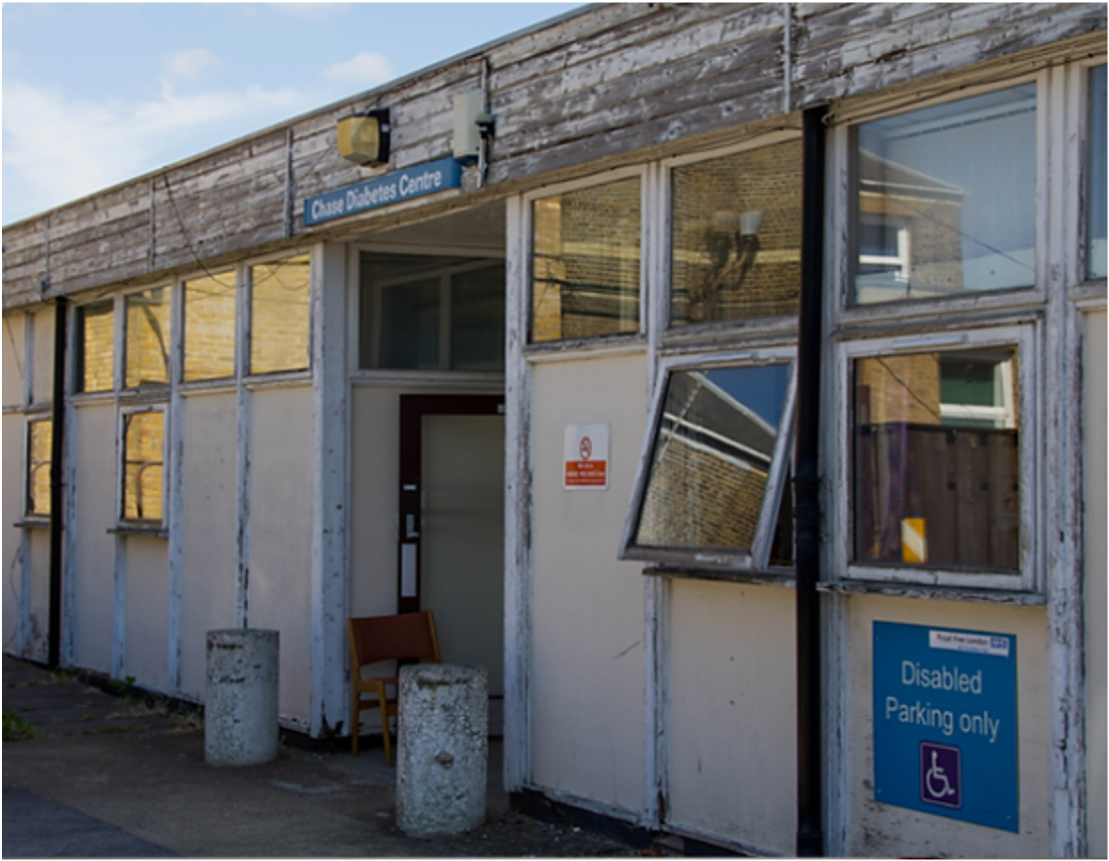
Example of the old building
From August to September 2018, we moved the hospital to a new building with theatres, including a barn theatre and a 50-bedded ward. The new hospital had been designed to be paperless and so we also had to implement a new EPR system at the same time.
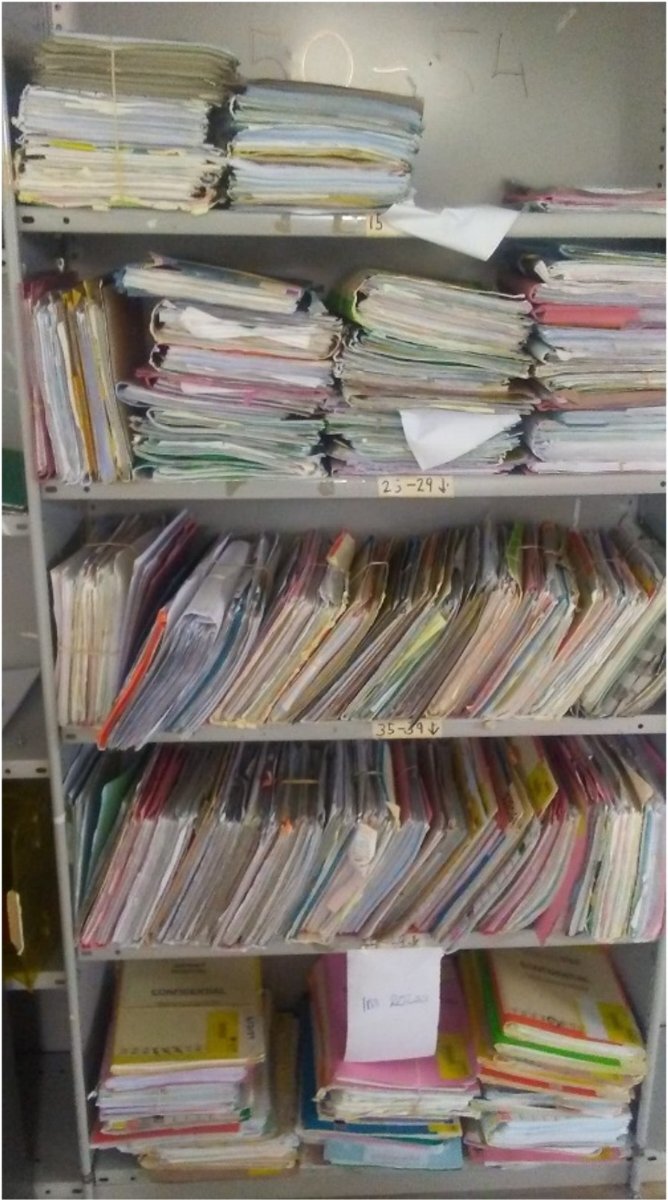
Example of the paper-based system before the move
The challenges
As with all big organisational changes, there was a lot of meetings held with various staff members. At the time, the Royal Free London was divided into business units, each with their own executive management teams. One of the challenges was that not all of the staff who worked at Chase Farm Hospital and who would be affected by the changes were managed by our business unit. This meant they weren’t always invited to meetings and they didn’t always hear the crucial information.
We had to find ways to ensure that these staff not only heard the key messages but that they felt included in the process.
The move meant there was going to be new ways of working required and, as expected, we encountered reluctance to change with some staff.
Naively we saw this change as two different projects, not one big change. However, when we spoke with staff we realised that they saw the projects as one big change and that we were going paperless because we were moving to the new hospital building. This became apparent when we began to engage with staff in small groups or one on one. We had to weigh up change fatigue with the benefits achieved of finishing the project.
Engaging staff
There was a long period of working with staff beforehand. It took 5 years to build the new hospital building, so we had time. We knew that for this to work well we needed to engage staff.
We made sure that we spent lots of time with staff preparing them and listening to their concerns. We recognised early on that most staff couldn't attend dedicated meetings as generally these are only attended by managers. This meant that messages were not always being conveyed to staff and that frontline staff were not given the opportunity to ask questions or raise concerns directly to the decision makers.
We needed to meet staff where they were, so the governance team were asked by the medical director to block out time to go to clinical departments and admin offices to speak with staff directly. Why the governance team? Because we were already well-known to many of the staff and had a reputation for being people that they could be open and honest with. We had the skills to listen to staff concerns, reassure them, and tactfully reiterate their concerns to senior leaders and decision makers. Through this engagement, we were able to adjust communications and identify areas or individuals who may benefit from additional at-the-elbow support.
There was involvement from staff in the design. The new building was designed to use space and resources more efficiently; some old workflows were not going to work in the new building. An example was that we moved to a ‘barn theatre’ with four surgeries going on at the same time in one operating theatre. In our old building, staff were used to single theatre rooms. We had to talk through the benefits of this with staff but also hear their concerns.
Some people didn’t want to move, they liked their current set up and there was some anxiety about the move and the digitisation.
We identified those who may struggle more and made plans to make additional support available to them if they wanted it. We found the influencers—those who were going to champion the move and the changes—and they helped us get their colleagues on board. For the EPR part of the project there were staff members who had a greater interest and underwent 'superuser' training to be able to support their colleagues. We provided additional at-the-elbow support to those that wanted it.
We took staff around for tours of the new building and the layout at different stages.
How did it go?
Not everything will go as planned or expected. How you respond to these issues is important. There were issues daily and we made sure we did huddles and had floor walkers to capture these issues quickly, escalate them to those that can resolve them. Importantly, our floor walkers fed-back to staff so that they knew the issues were being addressed.
The move occurred in a phased approach, with new services moving every few days. As each new service moved, their department leaders joined the huddles. There was shared learning between services, with early-moving departments helping those that moved in later. We continued to hold regular huddles until all initial snagging issues had been raised and resolved, just reducing frequency when it felt right. Department leaders were advised that they were welcome at all huddles but could stop attending when they felt it was no longer of benefit to them. We did the same thing when we went live with the new EPR system.
Once staff were in the new building, we asked them how it was working. On paper we had great pathways that would work well but in reality in some places the pathways were not working. Luckily the flexibility of the design of the hospital and the honesty of the staff in raising when workflows didn’t work meant that we were able to review and amend pathways. There were still things that we didn’t pick up on. Some staff weren’t happy. But we listened.
It was important that the leadership team listened and were responsive to the feedback. We had good relationships with the CEO and Medical Director and we were able to talk to them and feed back. They took this onboard really well and discussed how to address it. It’s important the leaders are visible to staff and do walkabouts. Even though the staff may not always tell them how they felt, it was still important they were seen.
Some staff were initially suspicious of the governance team being in their departments, particularly in clinical areas and with staff that did not know us previously. There was concern that we may be there to audit them or tell them off. We addressed this by introducing ourselves and explaining why we were there.
Something that really helped us gain trust was being able to fix something for staff, either in the moment or by raising it to the team that could fix it. Importantly, we always tried to feedback directly to staff so that they knew that we had listened and were trying to help them.
There were also patient facing elements. We had factored in the obvious changes that would affect the patients; for example, with the check-in process, and this was worked through. However, other factors had not been considered; we recognised early on after the move that more support was needed for patients to navigate the pathways and the changes that impacted them.
Key take aways
- Team approach – decision makers, experts and influencers.
- Staff engagement – do not expect staff to come to you, you need to go to them.
- Plan for issues – how are you going to pick up issues and feedback to staff.
- The project doesn’t end at implementation.
- To earn staff trust – listen and fix something for them.
Going live isn’t the end. There has to be continued conversations and observations. Find the truth.

The new Chase Farm Hospital
Patient Safety Management Network
You can apply to join any of our networks by signing up to the hub today. When you complete the registration form you’ll see a section called ‘Join a private group’, please tick the box by the relevant Network. If you are already a member of the hub, please email [email protected].
About the Author
Amy has a passion for clinical safety, with over 15 years’ experience in clinical governance and risk management across the NHS and out-of-hours GP services. She began her career as an Incident Coordinator, supporting incident reporting, investigation and management. Over the course of her career, she progressed through a range of governance roles, with her final NHS post as Head of Quality Governance and Patient Experience at Chase Farm Hospital. Now a Senior Innovation Consultant in healthcare technology, Amy works with multidisciplinary teams to develop digital products that address common healthcare challenges for NHS and private providers in the UK and internationally. She continues to apply her passion for patient safety by leading clinical safety and governance for the company’s digital products, ensuring the meet relevant regulatory and NHS digital safety standards.
1 Comment
Recommended Comments
Create an account or sign in to comment
You need to be a member in order to leave a comment
Create an account
Sign up for a new account in our community. It's easy!
Register a new accountSign in
Already have an account? Sign in here.
Sign In Now