


Summary
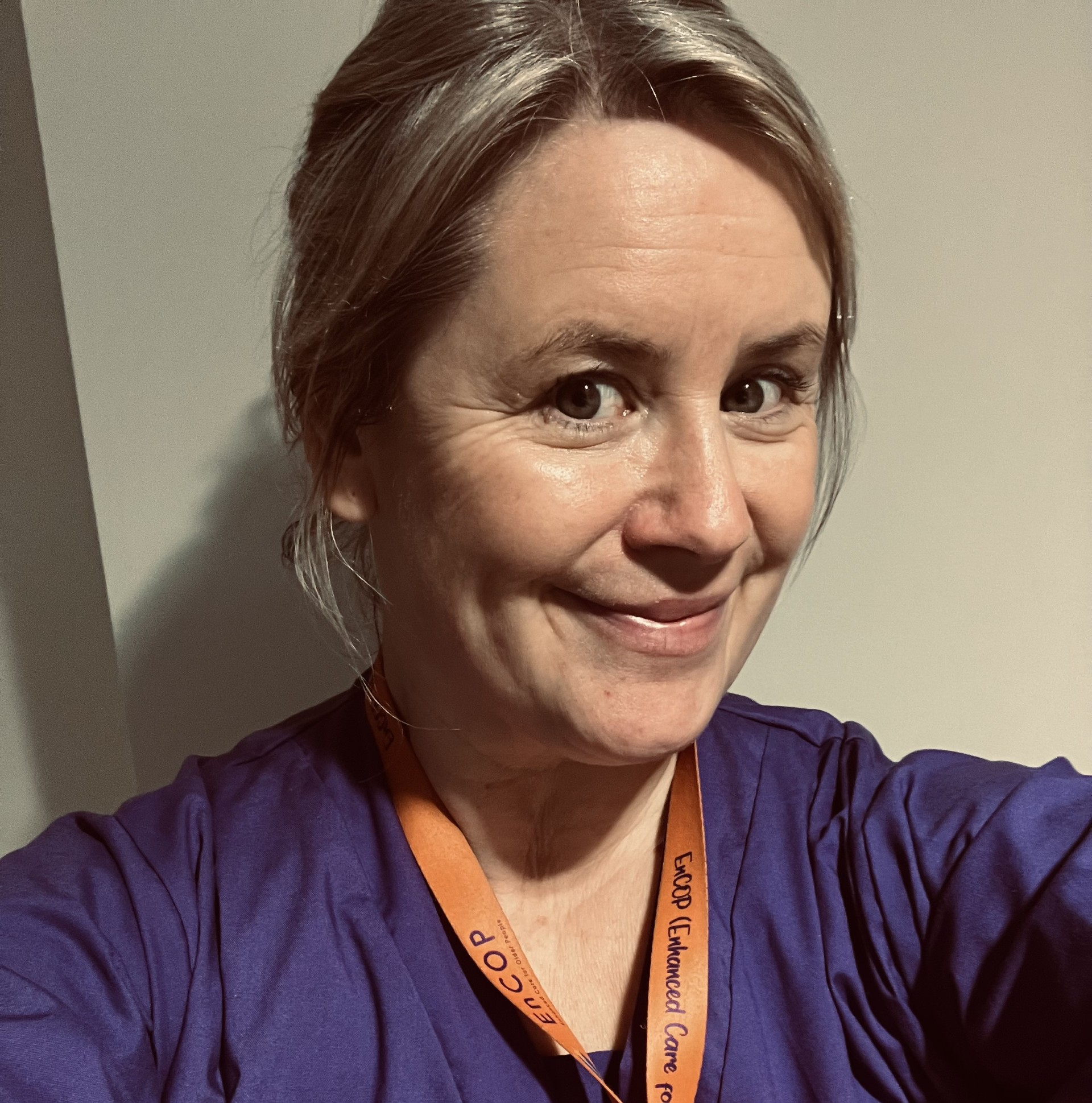
Earlier this year, Clare Collins from Northumbria Healthcare NHS Foundation Trust gave a presentation at the Patient Safety Management Network (PSMN) meeting on how their Trust has aimed to improve patient safety though a project to remove caffeinated drinks. In this blog, Clare shares their journey and what they have learned about implementation, engagement, organisational readiness and sustainability.
Content
From a practical idea to a patient safety movement
What started as a simple question: “Could changing the type of tea and coffee routinely served on our wards improve patient safety?”, has evolved into a growing quality improvement programme with local, regional and international interest.
As a team, we wanted to explore whether a small and practical change to everyday care could contribute to safer, calmer and more restorative ward environments.
At Northumbria Healthcare NHS Foundation Trust, we developed the Decaf by Default initiative to explore whether routinely offering decaffeinated tea and coffee to patients could help reduce toileting related falls, improve sleep and hydration, and support calmer, safer ward environments.
The project has since expanded across multiple inpatient settings, generated strong staff engagement, and prompted wider conversations around organisational readiness for cultural change in patient safety.
Why consider going decaf?
For many years, staff across our wards routinely offered caffeinated hot drinks to patients as the default option. While this was often seen as a normal part of care and comfort, emerging conversations within our Care for the Older Person community raised questions about whether this practice unintentionally contributed to avoidable harm.
Several factors prompted further exploration:
- NICE guidance recommends reducing caffeine intake in relation to urinary incontinence and pelvic organ prolapse in women.
- Caffeine can increase urinary urgency and frequency, potentially increasing the risk of toileting-related falls.
- Caffeine may negatively impact sleep and contribute to agitation.
- Non-caffeinated drinks can support hydration, rest, recovery and overall wellbeing.
A review of Datix reports also identified that approximately 25% of inpatient falls over a one-month period were related to toileting activities, particularly within older people’s services.
This led us to consider whether a relatively small environmental and behavioural change could contribute to safer care.
Building the foundations: organisational readiness and engagement
One of the strongest themes highlighted through discussions at the PSMN meeting was that success depended less on the decaf itself, and more on organisational readiness, staff engagement and shared ownership.
From the outset, we did not approach this as a top-down instruction. Instead, the project focused on creating curiosity, shared ownership and practical collaboration.
With senior nursing support, we established a quality improvement multidisciplinary community to explore the issue collectively. Staff from a range of professions and settings contributed ideas, concerns and learning throughout the process.
Importantly, we also connected with University Hospitals Leicester, who had previously undertaken similar work. This external collaboration provided valuable insight, reassurance and practical learning.
Several factors helped support implementation:
Clinical ownership
Ward teams were encouraged to shape how the initiative worked within their own environments rather than applying a rigid model. This helped improve engagement and sustainability.
Preserving patient choice
The initiative was never about removing patient choice. Patients could still request caffeinated drinks if preferred.
A Taste the Difference challenge helped staff and patients explore perceptions around decaffeinated drinks. While around 55% of participants noticed a taste difference, approximately 85% said they would be willing to switch once they understood the potential benefits.
Consistent messaging
Simple, practical education materials were developed for staff, patients and carers, including posters, conversations at ward level and patient information leaflets.
For example, digital teams looked at incorporating brief health promotion messaging into discharge documentation:
“While in hospital, you were given decaffeinated tea and coffee. It may help to continue this at home.”
This will reinforce the intervention beyond admission and encourage patients and carers to consider whether continuing reduced caffeine intake at home might support sleep, continence, anxiety management or falls prevention.
Communities of interest
One of the most important learning points was the value of building communities of staff who were genuinely interested in improving patient safety.
Enthusiasm and local leadership often became stronger drivers than formal instruction. As discussed during the PSMN presentation, staff ownership proved critical to successful implementation.
Challenges and learning
The project generated important discussions and learning.
Questions raised during the PSMN presentation included whether rapid caffeine withdrawal effects had been observed. While no specific reports had been identified, the team acknowledged that individual caffeine intake prior to admission is often unknown.
Alternative approaches, such as limiting caffeinated drinks to mornings only, were explored and trialled in one location by a member of the PSMN but were not found to be sustainable in practice.
Another PSMN member reported that in their care home, although they had adopted the change successfully, they had not seen a reduction in toileting-related falls. This highlighted the importance of local context, fall data and ongoing evaluation over a longer time period.
From local project to wider movement
Following pilot work in 2024-2025, Decaf by Default was adopted Trust-wide in December 2025. Since then, interest has continued to grow across the region and beyond. The project is now being explored more widely through collaboration with:
- the regional NHS Alliance
- the North East and North Cumbria Integrated Care Board
- patient safety networks and quality improvement communities.
There has also been increasing international interest in the concept as organisations look for low-cost, scalable interventions that may contribute to safer care environments.
Alongside the Trust-wide rollout, work has also begun to extend the learning into care homes across Northumberland and North Tyneside. This has created opportunities to explore how similar approaches may support resident wellbeing and reduce risks associated with continence, sleep disturbance, anxiety and falls within community-based settings.
A small community pilot project has been developed involving community nurses and Allied Health Professionals (AHPs). Participating staff carry supplies of decaffeinated tea and coffee within their clinical bags and are able to offer this as part of broader lifestyle conversations and personalised care interventions.
The aim is not simply to replace drinks, but to encourage wider discussion around hydration, sleep, continence, falls prevention and anxiety management in a practical and accessible way during routine community contacts.
What has perhaps resonated most strongly is that the project demonstrates how a relatively small cultural and environmental changes can stimulate wider conversations about patient safety, prevention and personalised care.
Key reflections
Looking back on the journey so far, several lessons stand out:
- Small changes can create meaningful conversations about patient safety.
- Organisational readiness matters as much as the intervention itself.
- Staff ownership and engagement are essential for sustainability.
- Preserving patient choice supports acceptability.
- Quality improvement requires curiosity, testing and adaptation.
- Simple interventions may have wider wellbeing benefits beyond their original aim.
Most importantly, the initiative has highlighted the value of frontline teams identifying opportunities to improve care through practical, evidence-informed innovation.
Related resources
- Go decaf! How a simple change on our wards could reduce falls, slips and trips
- What happened when we went decaf – the story so far
- How going decaf could boost patient safety by reducing falls in hospitals
- Patient flyer - go decaf
How to join the Patient Safety Management Network
You can join by signing up to the hub today. When putting in your details, please tick Patient Safety Management Network in the ‘Join a private group’ section. If you are already a member of the hub, please email [email protected].
Do you have a patient safety initiative you would like to share more widely. We'd love to hear from you and share it on the hub. Share here (you will need to be a member of the hub and signed in) or email [email protected].
About the author
Clare Collins is a registered pharmacy technician with years of experience across community pharmacy, GP practice, hospital services and care homes. This has given Clare a strong understanding of medicines management and the challenges of delivering safe, effective care across different healthcare settings, particularly during care transitions.
Clare is now an older people practitioner at Northumbria healthcare NHS Foundation Trust, bringing together her experience and passion for supporting older people across acute, community and care home environments. She has a particular interest in quality improvement and service development, and has led trust-wide QI work, including the Go Decaf project, which focused on improving patient safety.

Recommended Comments
Create an account or sign in to comment