


Summary
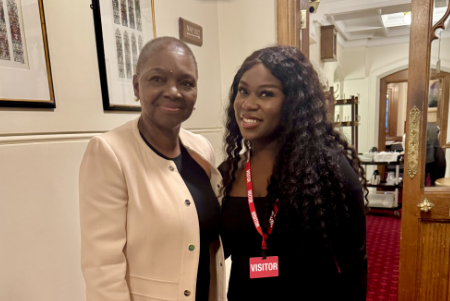
Sandra Igwe MBE is the Founder and CEO of The Motherhood Group and a Topic leader for the hub. In this blog, she talks about The Motherhood Group’s involvement in a recent roundtable event to discuss the Independent National Maternity and Neonatal Investigation.
Content
A pivotal conversation on maternal health equity
A recent roundtable at the House of Lords brought together leading voices in maternal health to discuss the Independent National Maternity and Neonatal Investigation. Chaired by Baroness Valerie Amos, the gathering assembled dedicated organisations, changemakers, and advocates working to create a safer, fairer future for all mothers and families across the United Kingdom. Among those invited was The Motherhood Group, who contributed vital insights and evidence-based solutions to the discussion.
The event highlighted the critical work being undertaken to address systemic failures in maternity care and the urgent need for comprehensive reform across England's healthcare system.
Understanding the national investigation
The national maternity and neonatal investigation is a UK-based review launched to examine the quality and safety of maternity and neonatal services across England. Led by Baroness Amos, it aims to identify how to reduce harm to mothers, babies, and families by focusing on a pattern of failings, such as ignored concerns and poor leadership. The investigation will review services at 14 specific NHS trusts and look at the entire system to produce national recommendations for improvement.
This comprehensive approach represents a watershed moment in addressing maternal health inequalities.
Rather than examining isolated incidents, the investigation takes a systemic view, recognising that patterns of poor care often stem from deeper organisational and cultural issues within healthcare settings.
Why this matters now
Inequalities within maternity and neonatal care remain one of the most pressing issues in the UK healthcare system. Black women are four times more likely to die during pregnancy or childbirth than white women, and women from Asian backgrounds face twice the risk. These aren't just statistics, they represent real mothers, real families, and real lives that could be saved with systemic change.
The roundtable discussion emphasised that investigation alone isn't enough. Action, advocacy, and sustained commitment to dismantling the barriers that create these disparities are essential.
The focus on ignored concerns and poor leadership within the national investigation directly addresses two of the most common factors contributing to preventable maternal harm.
Voices for change
The roundtable brought together a diverse array of perspectives and expertise. From grassroots community organisations supporting mothers on the front lines, to policy experts analysing data and trends, to healthcare professionals committed to reforming practices from within - each voice added essential insight to the collective understanding of the challenges ahead.
Among the invited participants was The Motherhood Group, who shared findings from their Black Maternal Health Report. Including the five clear steps for transformation:
- Community-led and culturally safe care
- Co-produced service standards with Black mothers
- Mandatory trauma-informed and culturally competent training
- Investment in grassroots and digital peer support
- Leadership and accountability across systems
This contribution was particularly valuable, as the report offers evidence-based solutions to improve maternity care in the UK. By bringing research-backed recommendations directly into the conversation with policymakers and healthcare leaders, The Motherhood Group ensured that the voices and experiences of Black mothers remained central to discussions about reform.
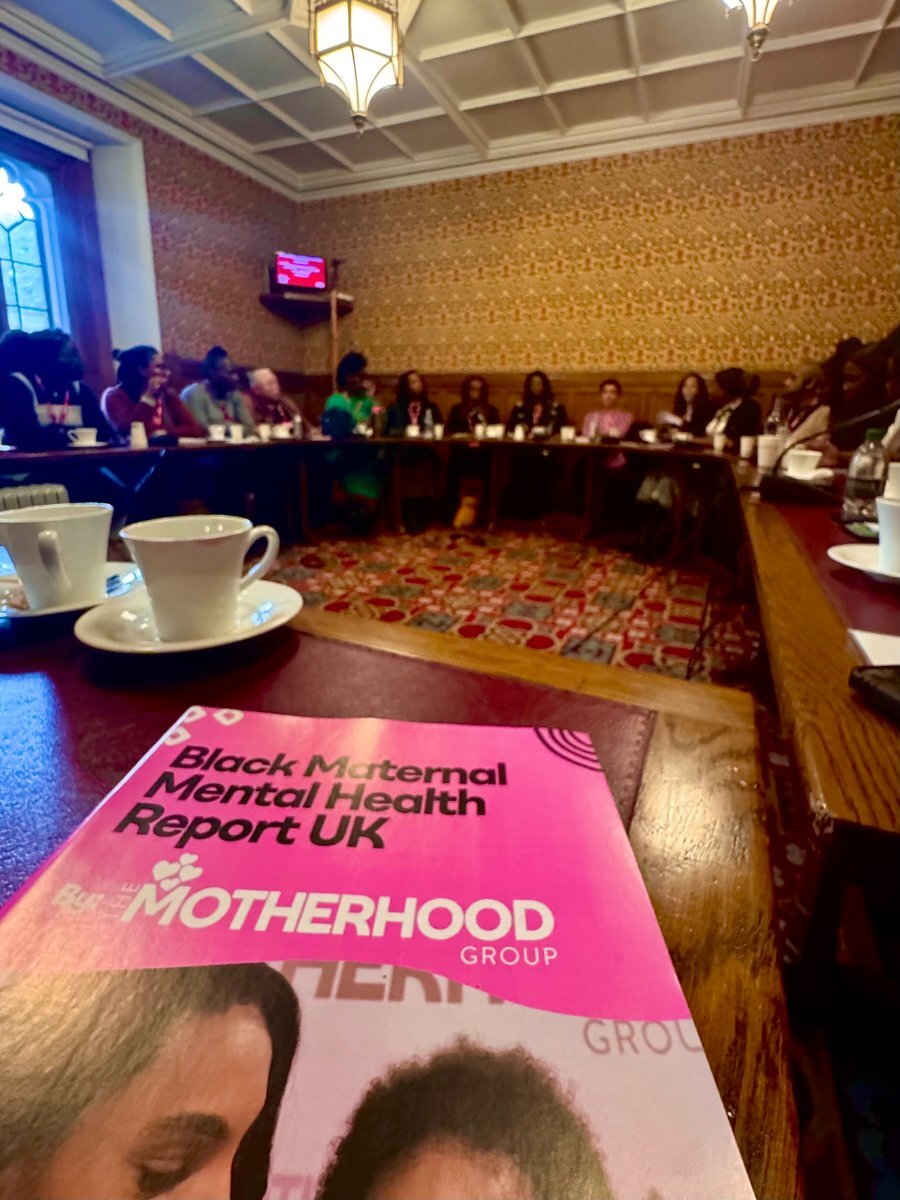
Baroness Amos's leadership created a space where difficult truths could be spoken and heard. Participants discussed not just the clinical aspects of care, but the social determinants of health, the impact of structural racism, communication barriers, and the importance of culturally competent care that respects and responds to diverse needs.
The path forward
The 14 NHS trusts under review represent an opportunity for deep, meaningful change. However, the lessons learned must extend far beyond these individual organisations.
The national recommendations produced by this investigation have the potential to reshape maternity and neonatal care across the entire country.
Events like this roundtable serve as vital catalysts for change, creating momentum and building networks of advocates who will ensure recommendations translate into real-world improvements. The real work happens in hospitals, clinics, and communities every single day - when healthcare providers listen to mothers' concerns without dismissal, when policies are designed with equity at their core, and when families are empowered as partners in their care.
Moving from dialogue to action
The inequalities discussed at the roundtable are solvable problems. The knowledge, expertise, and increasingly, the political will to make meaningful change exist. What's needed now is sustained commitment - from policymakers, healthcare institutions, and society as a whole - to prioritise maternal and neonatal health equity.
Every mother deserves to feel safe, heard, and respected throughout their pregnancy and birth journey. Every family deserves to bring their baby home. This isn't an aspiration - it's a fundamental right. Until this is achieved for all families, regardless of background, the work continues.
The House of Lords roundtable represented an important step forward in this journey, bringing together the voices, expertise, and commitment needed to ensure that the national investigation delivers lasting change for mothers and families across England.
Related content
- The Motherhood Group: Black maternal mental health report UK (23 September 2025)
- Time for action: The Black Maternal Mental Health Report
- Campaigning for safety as a patient, family member or advocate
- Healthy beginnings, hopeful futures: Black maternal mental health (7 April 2025)
- Addressing critical gaps in Black maternal mental healthcare: a new partnership project is launched (interview with Sandra Igwe)
About the author
Sandra Igwe is a Black maternal health advocate, TEDx speaker, and is the Founder of The Motherhood Group, a social enterprise that supports the Black maternal experience by delivering community-based events, training workshops, peer-to-peer support, national campaigns. Sandra is also a Trustee for Birthrights Charity and the co-chair of their National Inquiry into Racial Injustice in Maternity Care. Sandra is the author of My Black Motherhood: Mental Health, Stigma, Racism and the System.

Recommended Comments
Create an account or sign in to comment