


Summary
When Stuart Ball's wife Rachel passed away in August 2025, she was just 47 years old. Her death was not inevitable. It was the result of years of missed opportunities—signs that were there in plain sight but never joined together. What happened to Rachel should never happen to another family.
Stuart shares Rachel's story and tells us why he is campaigning for Rachel's Rule—a call for a system safeguard that ensures hereditary risks are not missed.
"Rachel’s Rule: Protecting Today, For Tomorrow"
Content
From childhood, Rachel faced several health challenges, including asthma, massive urticaria and recurring skin lesions.
In 2006, she was diagnosed with her first ovarian cancer. She was still young, and while her gynaecological care was appropriate for the time, there was no referral for genetic assessment. The key moment came in 2012, when a second ovarian cancer and multiple liver hamartomas were discovered—clear indicators of an inherited syndrome.
This was the point at which a referral to clinical genetics should have been made and early identification could have changed the course of her care.
By 2019, after more than a decade of fragmented treatment, Rachel was diagnosed with breast cancer. Only then was a referral finally made. Cowden Syndrome was confirmed. But by this stage, the damage was already done. Surveillance was started for some organs, but still not for others, including her liver—the very place her cancer would later return. In 2024, she developed advanced breast cancer recurrence with liver metastases. It was treatable, but not curable. Less than a year later, she was gone.
A caring, proactive patient failed by a fragmented system
Rachel did everything right. She attended every appointment, followed every piece of advice, and even chose preventative surgery to reduce her risk of further cancers. She trusted the system completely. But the system was not joined up.
At every stage, she was seen by good people working within a structure that divided her symptoms into separate boxes—each specialist treating their own part, without anyone looking at the whole picture.
The NHS has the expertise, the science and the technology to detect hereditary cancer risk early, but without an integrated approach, patients like Rachel fall through the gaps.
Her death is not just a personal loss but a case study in systemic fragmentation—how information sits in silos, how guidelines are inconsistently applied and how, without oversight, warning signs can go unnoticed until it’s too late.
From personal loss to systemic change
In the months following her death, I channelled my grief into something constructive: a campaign called Rachel’s Rule: Protecting Today, For Tomorrow. Its aim is simple—introduce annual hereditary risk reviews for patients with multiple red-flag cancers or associated health issues.
These reviews would act as a safety net within the NHS, ensuring that patterns like Rachel’s are recognised early. They would trigger automatic referrals to genetic services when warning signs appear, standardise practice across Trusts and raise public awareness so families know to ask for hereditary risk checks.
Around one in ten cancers have a hereditary component. NICE guidelines exist, but application is inconsistent. The NHS Genomic Medicine Service provides world-class infrastructure, but patients can only benefit if they are referred in the first place.
Rachel’s Rule would bridge that gap—turning awareness into action and preventing future tragedies.
The human story behind the campaign
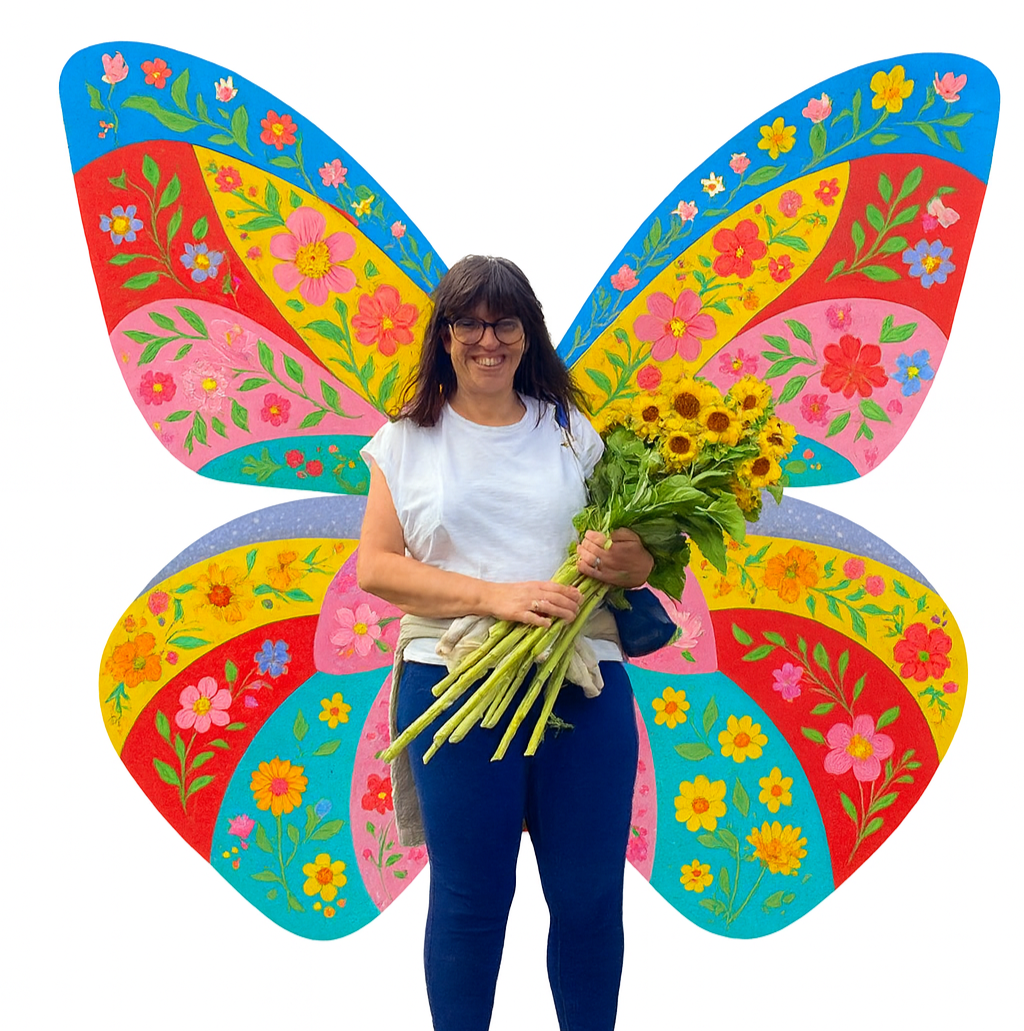
Rachel wasn’t a statistic—she was a wife, sister, daughter and aunt, as well as a much-loved teaching assistant known for her warmth and humour. Even through years of treatment, she never lost her ability to lift others.
At her school, Bishop Rawstorne, colleagues remember her laughter and empathy. At home, she made every season brighter: decorating for Christmas, photographing sunsets, planting marigolds in memory of her father. She found beauty in ordinary moments and shared it generously with others.
To everyone who knew her, Rachel was the heartbeat of the room. Losing her has left a silence that can’t be filled—but in that silence there is also purpose. Her life now speaks through the campaign that bears her name.
Learning from Rachel’s story
Patient safety begins with pattern recognition. Just as Martha’s Rule was created to empower families to call for a second opinion, Rachel’s Rule calls for a system safeguard that ensures hereditary risks are not missed.
It asks a simple question of our health system: when a patient has multiple serious illnesses or cancers under the age of 50, who is responsible for joining the dots?
Rachel’s story exposes what happens when that responsibility is no one’s job. She represents thousands who may be living with undiagnosed hereditary syndromes—people who trust the system, attend every appointment, yet are never given the full picture.
Protecting today, for tomorrow
The legacy of Rachel’s life is more than memory — it’s momentum. Her campaign is supported by her local MP who continues to raise the issue nationally, and by a number of organisations that have already pledged their support. The Change.org petition is steadily growing, each new signature representing another voice calling for change, another family determined to prevent future harm.
Earlier answers save lives. Genetic testing protects families. Structured hereditary risk reviews would turn hindsight into foresight, ensuring that what happened to Rachel will not happen again.
You can read more and support the campaign at www.change.org/RachelsRule and download the campaign poster attached below.
Because the best way to honour her story is to make sure it never needs repeating.
Further reading on the hub:
About the author
Stuart Ball is the Founder of Rachel's Rule.

Recommended Comments
Create an account or sign in to comment