

All news
Showing .
Today
-
 Community PostAnonymous posted a topic in Health inequalitiesAs healthcare software developers, the architectures we build directly influence clinical decision-making and patient safety. When engineering data layers, predictive models, or interoperability workflows, semantic drift and unrepresentative baseline datasets present severe technical and ethical risks that can actively widen health inequalities. For example, when clinical tools rely on historically biased data baselines—such as pulse oximetry data with high error rates for darker skin tones—simply streaming that data cleanly through an HL7 FHIR or legacy HL7 v2 pipeline isn't enough. Unchecked data ingestion can feed flawed inputs directly into automated clinical decision support (CDS) hooks and predictive AI models, creating critical safety hazards for marginalized communities. For software engineers, system architects, and technical teams developing in the digital health space: Data Bias Mitigation: What technical strategies or validation patterns are you implementing within your ETL pipelines to detect, flag, or normalize clinically biased data inputs before they reach predictive layers? Inclusive UI/UX Engineering: When designing patient engagement portals or mobile health applications, what architectural choices have effectively minimized barriers for digitally excluded or low-income populations (e.g., low-bandwidth optimization, multi-language data schemas)? Algorithmic Accountability: How are you structuring automated testing frameworks or continuous integration pipelines to perform explicit health equity and algorithmic bias assessments before code deployment? We want to build systems where equity and patient safety are engineered into the digital health infrastructure from day one. I would highly value hearing about the architectural patterns, data structures, or open-source validation libraries your teams utilize to audit healthcare data for systemic bias.
-
News article
 The first trust to establish a diverse “shadow board” to tackle poor ethnic diversity among directors has reported recruitment equality has worsened since its launch. Hertfordshire Community Trust’s “shadow board”, set up in 2023, comprises staff from Black, Asian and minority ethnic backgrounds, alongside those with disabilities, identify as LGBT+, and those with carer responsibilities. Trust chief executive Elliot Howard-Jones said at the time he had “borrowed the idea from Silicon Valley” following an admission that the trust had few directors from minority backgrounds. However, data in the trust’s October board papers show the trust recorded a substantial reduction in the proportion of non-white applicants appointed in 2025-26. The paper said: “White candidates were therefore 3.11 times more likely to be appointed from shortlisting and approximately nine times more likely to convert from application to appointment [according to the latest workforce race equality standard data]. “This is a significant deterioration from the previous two years and indicates potential bias or structural barriers at interview and selection stages.” Read full story (paywalled) Source: HSJ, 28 October 2026
-
News article
 Rishi Sunak has repeated demands for expanded prostate cancer screening, arguing that the decision to reject broader testing relied on a flawed model. The Conservative former prime minister, who stood down from Downing Street in 2024, stated he "dove" into data behind the UK’s National Screening Committee (NSC) recommendation and considered it to be incorrect. Mr Sunak, who acts as an ambassador for Prostate Cancer Research, said he was "disappointed" by the NSC's decision. Earlier this year, the committee decided against rolling out wider population screening for prostate cancer through prostate specific antigen (PSA) blood tests. The committee cautioned that screening is "more likely to cause more harm than good in the whole population", as subsequent treatments can trigger side effects including incontinence and impotence. Instead, men carrying BRCA2 genetic mutations – which place them at significantly elevated risk of prostate cancer – will undergo screening every two years between the ages of 45 and 61 if they have a family history of breast, ovarian, pancreatic or prostate cancers. Mr Sunak said: “I, like many other campaigners, was disappointed with the decision of the National Screening Committee. “Colleagues know I like numbers, and I dove into the model behind that decision. “I think there are a few issues which I hope the minister can go back and have a look at that.” He said the model’s assumption of treatment costs was wrong, and it had incorrectly understated how many men receive the most advanced drugs. Read full story Source: The Independent, 27 October 2026
-
News article
 An ambulance trust has commissioned an “independent” investigation into its patient transport service amid concerns that patients could be at risk of harm. East Midlands Ambulance Service Trust said it was carrying out an “independent internal service investigation” into its non-emergency patient transport services (NEPTS), which it runs in Northamptonshire, Lincolnshire and Derbyshire. It will look at complaints, missed appointments, patient safety incidents, safeguarding concerns, and the extent of avoidable harm, and will be overseen by the trust’s quality directorate. The trust has also raised the risk score for NEPTS on its board assurance framework from 12 to 20 out of a maximum of 25. It said it had received a number of complaints about delayed and missed appointments, particularly affecting renal, oncology, and other vulnerable patients. “A review of complaints found that affected patients generally had care and support needs and may meet the safeguarding threshold as vulnerable adults. Missed or late appointments could result in shortened or missed periods of treatment and potential clinical harm, as well as poor patient experience,” its board papers for this week said. It is now treating every missed appointment as a patient safety incident and considering whether a safeguarding referral is required. Read full story (paywalled) Source: HSJ, 28 October 2026
-
News article
 Yvette Cooper has abandoned plans to abolish the NHS’s independent patient champion after an outcry from MPs across the political spectrum. The health secretary has decided to keep and extend the role of Healthwatch England, which was due to be axed as part of the government’s reorganisation of the health service in England. The move is the latest in a series of U-turns by ministers on core elements of the health bill since Andy Burnham became prime minister in July. Sources at the Department of Health and Social Care (DHSC) said her decision to retain and strengthen Healthwatch and its network of branches illustrated her strong belief – which Burnham shares – in public and local accountability. Read full article. Source: 28 October 2026
-
Content Article
 The Medicines and Healthcare products Regulatory Agency (MHRA) regulates medicines, medical devices and blood components for transfusion in the UK. This roundup provides a summary of their latest safety advice for medicines and medical device users. It includes details of medicine recalls, medical device field safety notices and details of how to report drug reactions and device incidents.
Yesterday
-
News article
 A trust has apologised for a further delay to an independent review into potential harm to hundreds of patients, many of them children, treated by one of its surgeons. The review concerns hundreds of cases of patients who were operated on by Kuldeep Stohr, a children’s orthopaedic surgeon at Cambridge University Hospitals Foundation Trust, over a period of around a decade. Read full article (paywalled). Source: Health Service Journal, 27 October 2026
-
Content Article
 Gloria Monte died on 2 May 2025, at the City Hospital, Nottingham, as a result of cancer. There was a delay in diagnosing Gloria’s cancer of approximately one-year. She had initially attended the emergency department (ED) following a fall in February 2024, where a nodule was discovered on her lung which she was told could be a primary lung tumour. The nodule was not subsequently investigated. Gloria attended her GP in February 2025 with chest symptoms. She was treated with antibiotics but when she failed to improve, her GP arranged an admission to hospital. There, chest imaging showed findings suspicious of lung cancer and comparison with the February 2024 imaging led to the conclusion that the nodule noted the year prior probably was cancer. In their findings the Coroner states that if diagnosis had been achieved as expected in 2024, Gloria would have been counselled on the available treatment options. If she had accepted those options, it is possible that she may have lived for longer than she in fact did, but the Coroner has been unable to determine whether her life would probably have been extended because there are many variables to the success of, and side effects of, cancer treatment.
-
News article
 An NHS trust has been told it must take action after a woman's cancer diagnosis was delayed for about one year before she died. Gloria Monte, 79, died of lung cancer at Nottingham City Hospital on 2 May 2025. An inquest at Nottingham Coroner's Court, which concluded in August, heard a nodule was discovered on her lung in February 2024, and although she was told it "could be" a primary lung tumour, it was never investigated. She was diagnosed with cancer the following year. The inquest found there had been a delay in her diagnosis "due to individual and systemic omissions in her medical care" by Nottingham University Hospitals (NUH) NHS Trust, which has apologised to Monte's family. Coroner Laurinda Bower issued a prevention of future deaths report - a notice by coroners to highlight areas where action is needed to stop similar deaths - to NUH over concerns raised during the inquest. Read full article. Source: BBC News, 27 October 2026
-
News article
 New data released show that the government has hit its target to speed up clinical trials with delivery times cut by 35%. The average set-up time for commercial trials in the UK dropped to 100 days in the three months to March this year, down from 153 in the same period last year. All 24 commercial trials during those months were set up within 150 days, exceeding the goal of 95% of commercial trials set up within 150 days laid out in the Life Sciences Sector Plan, published in July 2025. Read full article. Source: Digital Health, 27 October 2026
-
Content Article
 In this short video, Chief Medical Officer for The UK Sepsis Trust, Ron Daniels explains how and why sepsis can have an disproportionate impact on vulnerable populations. Read the transcript
-
Content Article
 The NHS complaints system should provide answers, accountability, learning and resolution to all areas of service concern, including when care goes wrong. Avma supports people affected by avoidable medical harm and sees first-hand how an effective complaint response can meet patients’ needs and, in some cases, reduce the call for alternative, more complex and costly routes such as litigation. Too often, however, patients and families encounter delay, fragmentation, defensiveness, poor communication and complaint responses that do not answer their questions or show what has changed. The purpose of this paper is to use Avma’s unique insights to help improve complaints handling in support of those who are avoidably harmed. In summary, AVMA are calling for a remodified NHS complaints system based on eight key principles.
Last week
-
EventMeet the experts behind clear, consistent and consent-ready patient information. Join Radar Healthcare’s Content Director, Julie Smith, and clinician and EIDO Library contributor, from Mid & South Essex NHS Foundation Trust, Julie Godfrey. for a behind-the-scenes conversation about how trusted patient information is created. This 30-minute webinar is ideal for healthcare, clinical and governance teams. Patient information plays an important role in helping people understand their treatment options, ask informed questions and make decisions about their care. In this practical and open conversation, the session will explore how clinical expertise, peer review and editorial standards come together to create information that patients can understand and clinicians can rely on. Using the ‘Inserting a PICC Line’ information document as a practical example, they will discuss how patient information supports shared decision-making and informed consent, from the first draft through to clinical use. What you’ll learn How content is developed: Understand the submission process, author guidelines, expectations and support available to clinical contributors. How quality is assured: Explore the role of peer review, editorial queries, clinical accuracy checks and plain-English editing. How accessibility is considered: Discover how illustrations, document layout, accessibility and translations help make information more useful for patients. How information is used in practice: Learn how clinicians access and share patient information through digital platforms, PDFs and printed copies. How content stays current: Find out how patient information is reviewed, updated and maintained over time. How information supports consent: Explore how clear information about benefits, risks, alternatives and what happens without treatment supports better consent conversations. Register
-
Event
until
The online world is now a central part of childhood. Around eight in 10 UK children aged three to 17 are estimated to have at least one active social media profile, with research showing that this can have both positive and negative consequences for children and young people, including in terms of their health. Against a backdrop of worsening children’s mental health, this King's Fund event will explore what it will take to create a healthier online environment for children. Australia introduced world-first restrictions on access to social media for under-16s in December 2025, and the UK Government has announced plans to pursue a similar approach, due to come into force in Spring 2027. Hearing from those driving these changes in the UK and internationally, this event will consider what the UK can learn from Australia’s experience. We will also consider the role of government, technology companies, schools, health services, families and communities in supporting children and young people online. Looking beyond restrictions on access to social media alone, what action may be needed across society to create a healthy online environment, and how can children and young people themselves be involved in shaping the discussion? This event forms part of The King's Fund's Healthy childhoods: shared responsibility for growing up well project, which explores how the different people, organisations and sectors that shape children's health can work together to help children grow up as healthy as possible. The session will also include an opportunity for questions from the online audience. Register -
News article
 Consultant doctors in England are to stage a two-day strike next month in a dispute over pay and working conditions. The walkout will begin on 25 November at 06:59 GMT, with consultants providing emergency cover only. This is known as Christmas Day cover and is likely to have a major impact on most routine and elective services. The announcement comes after talks had taken place with the government over the past month following the vote in favour of strike action by British Medical Association members in July. Consultants – the most senior doctors in the NHS – were given a 3.5% pay increase this year. But the BMA argues pay has fallen by a quarter over the past 17 years, once inflation is taken into account. The union also wants a reduction in the standard working week from 40 to 35 hours and higher pay for out-of-hours work alongside changes to pensions. In a joint statement, BMA consultants committee co-chairs Dr Helen Neary and Dr Shanu Datta, said they had tried to negotiate with the government in "good faith", but "time-and-time again ministers have kicked the can down the road". "Unfortunately, that road has now run out, and we have been forced to announce strikes. "Consultants take their responsibilities incredibly seriously, and striking does not come naturally, but we are hearing loud and clear from the profession that they have had enough." Read full story Source: BBC News, 26 October 2026
Yesterday
-
Event
until
The 2027 Patient Safety Forum will bring together health system leaders, clinicians, patient representatives, policymakers, regulators and innovators at a pivotal moment for patient safety. Major changes to the health and care landscape are reshaping where responsibility for safety, quality and patient experience sits: the merger of NHS England into the Department of Health and Social Care and the creation of a new patient experience directorate. These changes create opportunities to simplify accountability and strengthen the connection between safety, quality, patient experience, oversight and improvement. They also raise important questions about how independent challenge will be maintained, how learning will translate into action and where responsibility for patient safety will sit within a more streamlined national architecture Against this backdrop, patient safety must remain a core purpose of health and care, rather than a standalone priority. The Forum will provide a platform for collaborative and challenging debate on how safety can be embedded within leadership, regulation, commissioning and frontline delivery, while keeping the experiences of patients, families and staff central to improvement. Organised in partnership with leading charity Patient Safety Learning, the Forum will convene the patient safety community to examine the implications of reform, share practical insight and consider how the health system can deliver safer care during a period of significant change. Benefits of attending Join high-level strategic conversations with patient safety industry leaders and NHS decision makers Unparalleled sector intelligence concerning patient safety from leading experts Shape the future of patient safety in the UK Gain key insights from our bespoke line-up of experts as they debate the health system’s biggest patient safety challenges Who you will meet at this event NHS Trust executive and board leadership Patient safety specialists Quality and governance leaders Industry innovators Patient and end-user representatives Clinical leadership and frontline professional groups Digital, data, technology and transformation leaders System, commissioning and improvement leadership Patient safety stakeholders, leaders, advocates, charities, research groups Register here. Last week
-
Community Post*Trigger warning. This post includes personal gynaecological experiences of a traumatic nature. Patient Safety Learning is clear that outpatient hysteroscopy is a valuable diagnostic procedure and that when patients are given all the available information, offered appropriate pain relief options and feel treated with respect and dignity, experiences of a hysteroscopy procedure can be good. However, in some cases women do experience severely painful and traumatic hysteroscopies and significant safety concerns persist. What is your experience of having a hysteroscopy? We would like to hear - good or bad so that we can help campaign for safer, harm free care. You can read Patient Safety Learning's blog about improving hysteroscopy safety here. You'll need to be a hub member to comment below, it's quick and easy to do. You can sign up here. You can read more about Patient Safety Learning's position here: Hysteroscopy: 6 calls for action to prevent avoidable harm Further resources you may find helpful: Outpatient hysteroscopy: RCOG patient leaflet
-
Community Posthub member Shaheen shares her experience: I have come across your publication around pain during a hysterocopy. I had one today because of post menopausal bleeding. It was a very painful experience . I had painkillers an hour before that didn’t even work . I had gas and air which just made me feel sick and worse . It had no impact on the pain . The smear and speculum was horrendous . After using a metal speculum the doctor changed to a plastic one which was no better. I was asked before the procedure if I wanted to have a general anaesthetic but I was reassured some women don’t have too much pain . Now I have not had a vaginal birth and the doctor said lack of sex would cause tightening and more pain . I should at that point been told they wouldn’t continue and to go on a waiting list for a general . I was traumatised and shaking after the procedure . I had severe cramping that lasted rest of the day . And I am still upset over the whole thing . Please stop offering these procedures with just a local anaesthetic into a Cervix on women with atrophy and no vaginal births . There must be lots of women same as me that have never been in so much pain as I was today and I have a high threshold for pain I would say. Having said that the consultant was very nice but I got the impression she just wanted to continue and get it over and done with . The nurse asked for feedback on the pain caused by the camera . I said 9 but she said wasn’t it less and were you thinking about the cervix wand ?? I was shaking from the gas and air and was surprised at the question . The whole thing was horrendous never mind just the camera ???
-
News article
 Senior staff at Wales' newest hospital insist it's safe - despite claims that it is dangerous and failing. Since it opened early in the pandemic, Grange University Hospital in Cwmbran, Torfaen, has been under fire over concerns about long delays, overcrowding, staff shortages and the quality of its care. Criticism has been especially intense on social media, with some in the comments even urging people to stay away. Bosses admit staff feel "devastated" that patient confidence could be dented but insist the hospital performs better than many others on patient safety, including survival rates. They are urging those who are seriously unwell not to be afraid to seek help. "We're currently over capacity," says Dr Zoe Morgan-Pittard, who is so busy that she's placed stickers on her arms to remind her who she's been assessing. "We've had to move three patients already who probably aren't well enough. "But the sickest patients have to take priority - we're having to make fluid decisions. "We're putting patients in any extra space we can find... but there's a lot of block and very little flow. "Everybody is working hard, but unfortunately the hospital isn't big enough." Read full story Source: BBC News, 25 October 2026
-
News article
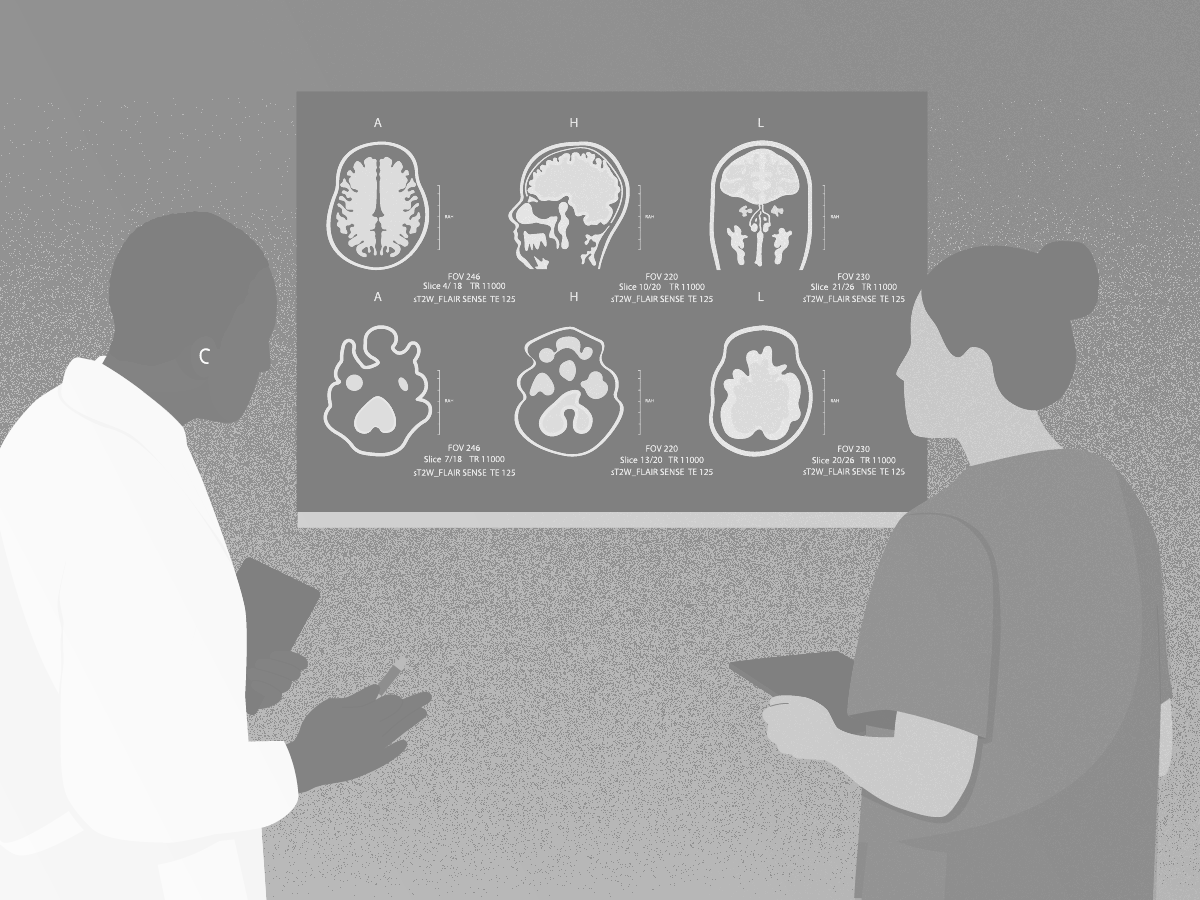 People from minority ethnic backgrounds in England are up to a third less likely to be diagnosed with breast cancer via routine screening, and are more likely to be diagnosed in an emergency setting, analysis has found. The research, carried out by academics at the University of Surrey and funded by the charity Breast Cancer Now, involved analysis of 86,564 adults diagnosed with the disease between 2009 and 2019, from the Clinical Practice Research Datalink and the Cancer Registration Tumour and Treatment datasets. The analysis found that people from Black, Asian and mixed backgrounds, alongside people from deprived backgrounds, were up to 33% less likely to be diagnosed with breast cancer via screening, while these groups were also up to 31% more likely to be diagnosed via urgent suspected cancer referral, and up to 37% more likely to be diagnosed via emergency presentation. Manveet Basra, the associate director of public health, inclusion and awareness at Breast Cancer Now, said the analysis revealed that people from marginalised groups “face inequalities at every stage of their breast cancer experience, and tragically this impacts their survival rates”. Basra added: “This research helps us understand who is less likely to be diagnosed with breast cancer via screening, [who] might wait longer to get diagnosed or experience delays in treatment, and knowing what barriers they face enables us to work towards eliminating them. “Determined to improve breast cancer care and survival rates outcomes, we’re funding world-class research that actively identifies and addresses inequities, working with policymakers to improve equal access to screening, and ensuring our information, campaigns and life-changing support services reflect the diverse needs of everyone affected by this devastating disease.” Read full story Source: The Guardian, 25 October 2026
-
News article
 Mental health trusts are under “daily relentless pressure” on their inpatient beds, the Care Quality Commission has warned. Most trusts the regulator spoke to said their beds were running “at, or near to” 100% occupancy, according to its annual State of Care report. The CQC interviewed mental health trust leaders after inspecting emergency departments over the winter. NHS England data in the report shows the average number of available overnight mental health beds fell from 18,139 in 2022-23 to 17,870 in 2025-26. Occupancy has stayed above the Royal College of Psychiatrists’ recommended 85% throughout. Demand is still rising. Monthly referrals to secondary mental health services rose 7% in 2025-26, to an average of 483,797. The number of people with severe mental illness in contact with community services rose 6%, to 681,149 per month. The CQC said long waits in EDs were “often linked to difficulties securing appropriate mental health inpatient beds”. Inspectors in London and the South East found some people with mental health needs waiting several days, one of them for six days. Read full story (paywalled) Source: HSJ, 23 October 2026
-
Content Article
 In this blog, Stephanie O’Donohue, patient advocate and Founder of TIGER UK, shares the findings from their recent survey on experiences of vaginal access procedures. She explains why patient experiences and insights are critical to service improvement, and how collaborative work can really make a difference moving forward.
-
Content Article
 At Patient Safety Learning we believe that sharing insights and learning is vital to improving outcomes and reducing harm. That’s why we created the hub; providing a space for people to come together and share their experiences, resources and good practice examples. We have collated 17 resources relating to men's health, including information about male cancers, men's mental health, how to engage men earlier and insights around the impact of traditional ideas of masculinity on patient safety.
-
Content Article
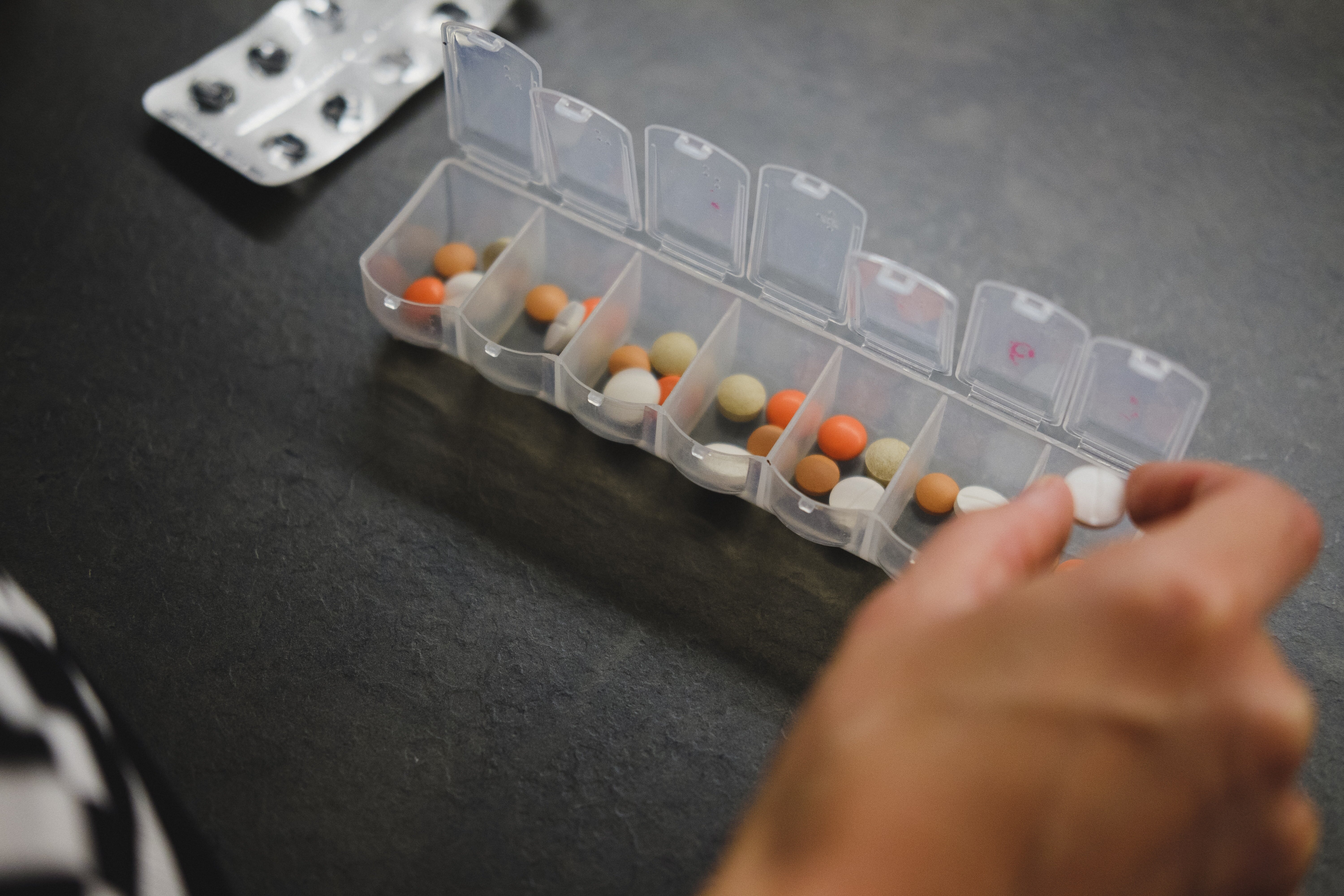 Unsafe medication practices and medication-related harm are one of the leading causes of avoidable harm in health and care. The Medicine and Healthcare products Regulatory Agency (MHRA) annual #MedSafetyWeek campaign is taking place from 2 to 8 November 2026 to promote the importance of reporting side effects from medicines and medical device incidents. This year's theme is ‘Side effects: don't ignore them, report them!’ We have collated patient interviews and blogs shared on the hub that raise awareness of medication adverse reactions, and resources on how you can report a problem.
-
Content Article
 This study examined the current fall prevention practices and implementation strategies used by the US hospitals. It found that there is substantial variation in US hospitals’ choice of fall prevention practices and a lack of implementation strategies to enhance staff adherence to the practices. The findings suggest a critical need for more standardised, evidence-based, and individualised approaches to effectively reduce falls.


