

All learn
Showing articles.
Past hour
-
Content Article
 Sandra Igwe MBE is the Founder and CEO of The Motherhood Group and Mumbrite, author of My Black Motherhood, and a Topic leader for Patient Safety Learning’s online platform, the hub. In this blog Sandra draws on her own personal and professional experiences to illustrate why Black maternal mental health is a patient safety issue.
 -
Content Article
 AI is already being introduced into workflows in the NHS, and in the coming years it will undoubtedly become part of the day-to-day practice of most doctors. But what happens when AI contributes to patient harm? Unlike doctors, an AI system cannot be sued under English law. Legal responsibility may instead fall on the clinician, healthcare provider, developer, or manufacturer, depending on what exactly went wrong and why. NHS Resolution, which handles clinical negligence claims involving NHS trusts and general practices, has already received its first cases in which “the use of AI in delivering patient care is a potential factor.” The General Medical Council (GMC) has also revealed that it has received referrals about doctors misusing AI systems. These claims and complaints are likely to increase in number. The decision to use AI should be a considered one, looking at the pros and cons of the technology. This BMJ articles gives doctors practical tips to use AI safely and responsibly.
 Yesterday
-
Content Article
 Almost every hospital in the United States has run a patient safety initiative in the past five years. Most have run several. High reliability training, safety huddles, event reporting refreshes, zero-harm campaigns, culture surveys, action learning collaboratives. If you are a hospital executive, you have almost certainly authorised more than one. Now ask a harder question. How many of those initiatives are still producing measurable improvement today? Not the ones with a completion date on the project plan. The ones with durable, verifiable change in the outcomes they were designed to move. For most hospitals, honestly answered, the number is smaller than the number of initiatives launched. That gap is the real patient safety problem in American healthcare. And no new framework will close it. This article in Becker's Hospital Review looks at the the pattern that repeats across new initiative launches.
 -
Content Article
 Despite having some of the highest death rates of any psychiatric condition, patients with eating disorders are being failed by a system that can’t cope with surging demand. In this BMJ feature, Emma Wilkinson looks at the state of services.
 -
Content Article
 The Maternity and Newborn Safety Investigations (MNSI) programme has published a new report setting out a number of areas in which care could be improved for women receiving intrapartum care at home. The report provides a series of safety observations and prompts for NHS trusts on topics such as staffing availability, training and guidance, and communications between different care professionals. The publication is based on learning and insights gained from the analysis of 59 maternity investigation reports (produced between 2018 and 2025) by both the Healthcare Safety Investigation Branch (HSIB) and MNSI. These investigations are carried out when they meet MNSI criteria and relate to early neonatal deaths, stillbirths and severe brain injury in babies born at term following labour and maternal deaths in England.
 -
Content Article
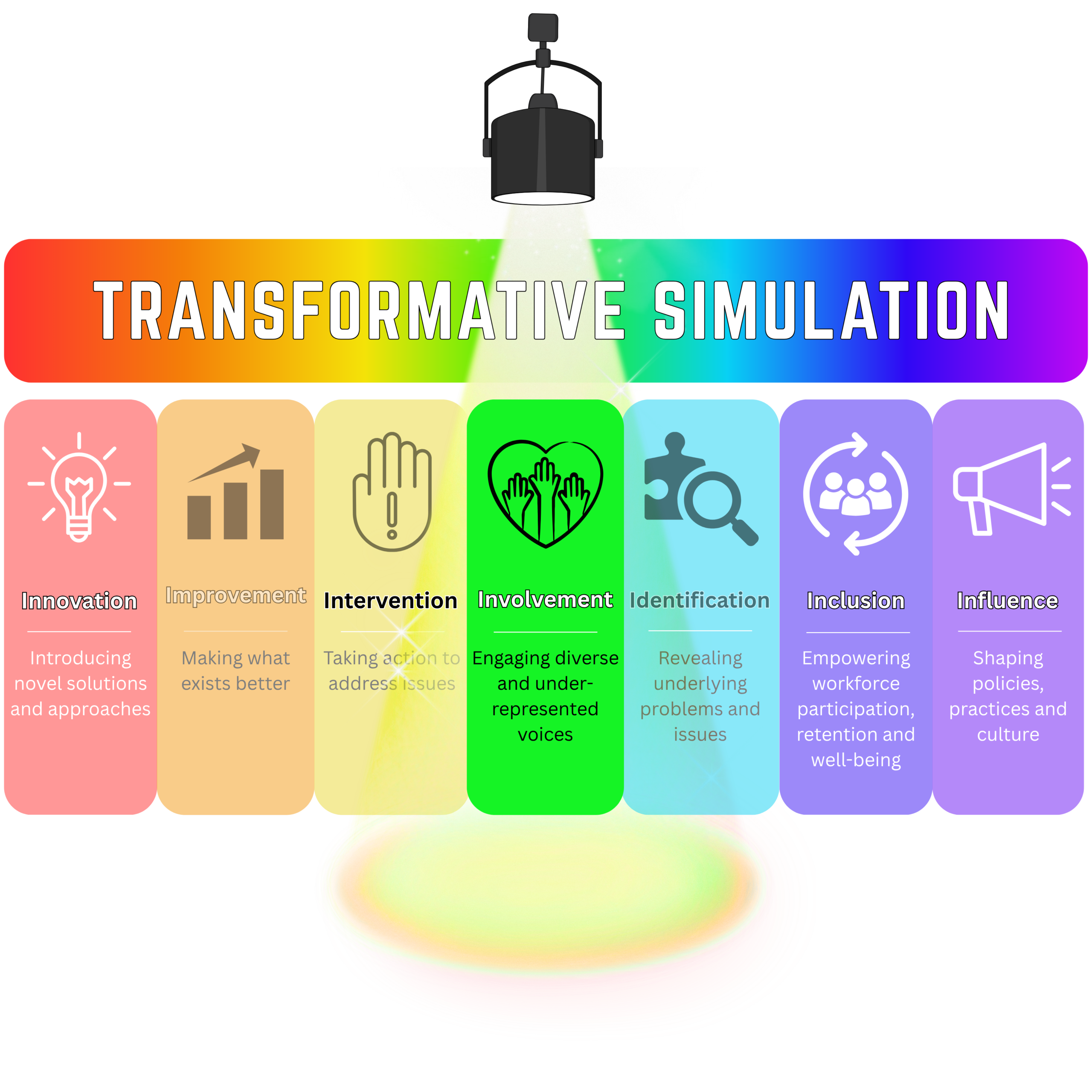 Transformative Simulation considers how simulation can be intentionally used beyond education to understand and contribute to change within healthcare systems. The Involvement Simulation-Based Intention focuses on using simulation to structurally involve patients, carers, communities and other diverse and under-represented groups in understanding healthcare culture and systems and shaping how care is designed and delivered. This resource from hub topic lead Sharon Weldon brings together a short Transformative Simulation thought piece, visual explainer and selected examples from the literature demonstrating how simulation has been used to bring different forms of knowledge and experience into patient safety and healthcare redesign. Further resources from Sharon on Transformative Simulation: Using simulation to improve patient safety and healthcare systems: The Improvement Intention Using simulation to strengthen workforce participation, belonging and wellbeing: The Inclusion Intention Using simulation to identify patient safety challenges: The Identification Intention
 Last week
-
Content Article
 The Uganda Alliance of Patients' Organizations has produced three videos for World Patient Safety Day 2026.
 -
Content Article
 SACCIA is not a set of communication rules to memorise. It is a framework for understanding, developing and applying the communicative competencies that enable people to build shared understanding together.
 -
Content Article
 Cyber incidents can have a major impact on care services. Systems may be unavailable, information may be difficult to access, and staff, people drawing on care, families and partners may need clear updates quickly. Good communication helps reduce uncertainty, supports safe care and makes sure the right people know what is happening, what they need to do and when they will be updated again. Digital Care Hub has developed editable communication checklists to help adult social care providers prepare before a cyber incident and communicate during one. There are separate versions for home care services and care homes. Each checklist should be used alongside your Business Continuity Plan.
 -
Content Article
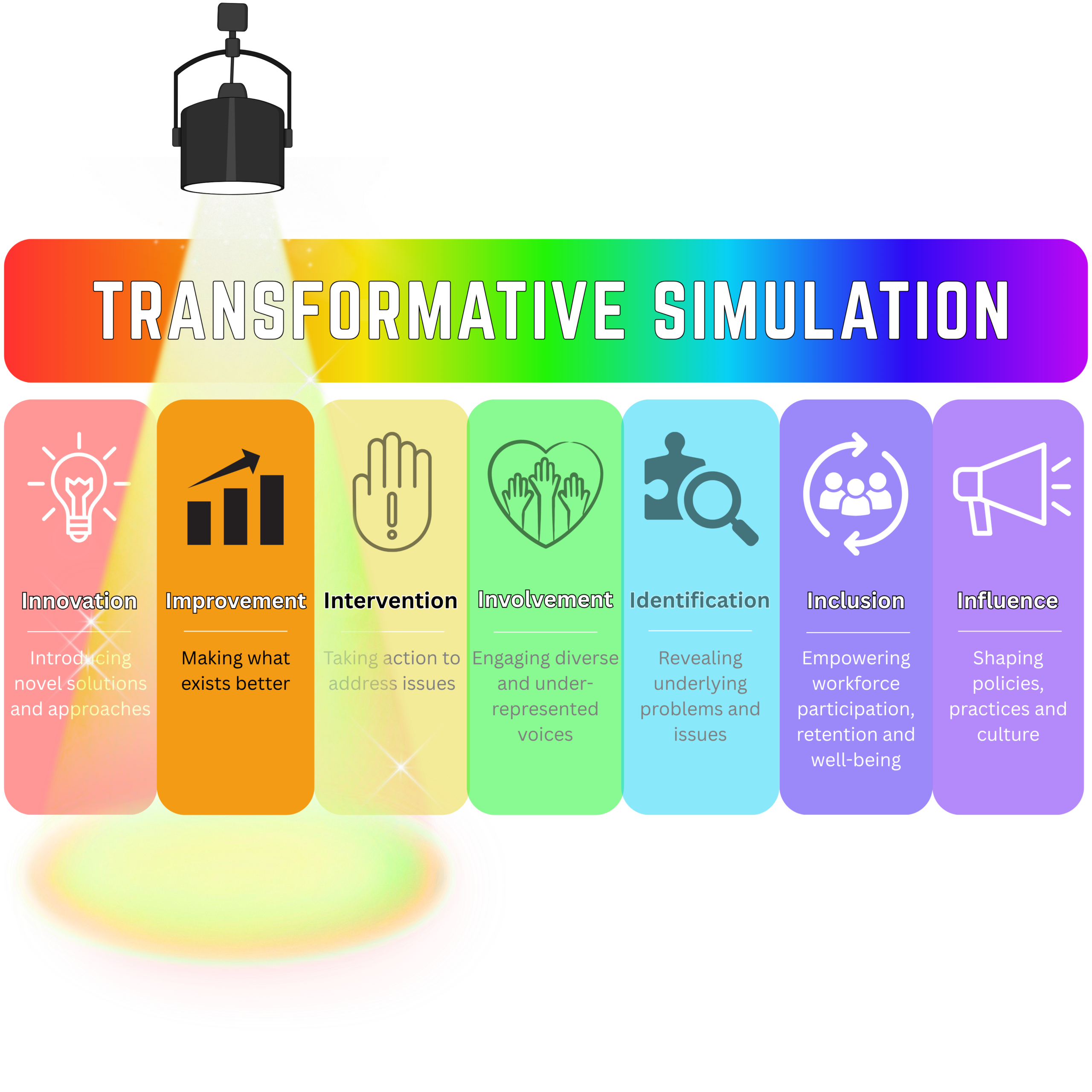 Transformative Simulation considers how simulation can be intentionally used beyond education to understand and contribute to change within healthcare systems. The Improvement Simulation-Based Intention focuses on using simulation to make what already exists better—testing and refining healthcare processes, pathways and systems where a problem or desired outcome has already been identified. This resource from hub topic lead Sharon Weldon brings together a short Transformative Simulation thought piece, visual explainer and selected examples from the literature demonstrating how simulation has been used to support patient safety and system improvement in practice. Further resources from Sharon on Transformative Simulation: Using simulation to strengthen workforce participation, belonging and wellbeing: The Inclusion Intention Using simulation to involve patients and communities in shaping safer care: The Involvement Intention Using simulation to identify patient safety challenges: The Identification Intention
 -
Content Article
 This is the second of two investigation reports into crisis care in emergency departments (EDs). An interim report was published in April 2026 following early identification of a significant legal, policy and safety gap in the care of people in mental health crisis in EDs. This report is part of the Health Services Safety Investigations Body (HSSIB)’s wider work on safety issues for people experiencing a mental health crisis who come into contact with urgent and emergency care services. A related investigation is examining the 999 and 111 response to mental health crisis and will report its findings in spring 2027. The two investigations consider different points in the same pathway. Wider health and care system issues are included where they directly affect ED care, and further themes may be brought together in a separate, final report drawing on evidence from both investigations. Around 3% of ED attendances are mental health-related. However, people experiencing mental health problems are twice as likely as other patients to remain in the ED for more than 12 hours.
 -
Content Article
 Richard Yates and Magdalene Plesa gave a presentation at a recent Safer Healthcare Biosafety Network meeting describing the issue of formalin and formaldehyde exposure in UK healthcare settings, with harmful side effects for healthcare workers and a lack of occupational protection or safety regulation.
 -
Content Article
.png.0f771b125cf244faa6f5338943f855b1.png) Transformative Simulation considers how simulation can be intentionally used beyond education to understand and contribute to change within healthcare systems. The Inclusion Simulation-Based Intention focuses on using simulation to strengthen workforce participation, belonging, empowerment and wellbeing, creating conditions in which people feel able to contribute meaningfully to healthcare systems and change. This resource from hub topic lead Sharon Weldon brings togethers a short Transformative Simulation thought piece, visual explainer and selected examples from the literature demonstrating how simulation can contribute to more inclusive, connected and psychologically safe healthcare workplaces. Further resources from Sharon on Transformative Simulation: Using simulation to improve patient safety and healthcare systems: The Improvement Intention Using simulation to involve patients and communities in shaping safer care: The Involvement Intention Using simulation to identify patient safety challenges: The Identification Intention
Transformative Simulation considers how simulation can be intentionally used beyond education to understand and contribute to change within healthcare systems. The Inclusion Simulation-Based Intention focuses on using simulation to strengthen workforce participation, belonging, empowerment and wellbeing, creating conditions in which people feel able to contribute meaningfully to healthcare systems and change. This resource from hub topic lead Sharon Weldon brings togethers a short Transformative Simulation thought piece, visual explainer and selected examples from the literature demonstrating how simulation can contribute to more inclusive, connected and psychologically safe healthcare workplaces. Further resources from Sharon on Transformative Simulation: Using simulation to improve patient safety and healthcare systems: The Improvement Intention Using simulation to involve patients and communities in shaping safer care: The Involvement Intention Using simulation to identify patient safety challenges: The Identification Intention -
Content ArticleTraditionally, patient experience has had less focus than safety and effectiveness, even though it tells us whether care is compassionate, inclusive, responsive and person-centred. How care feels matters because it shapes trust, confidence, equity and outcomes. This document defines what excellent experience looks and feels like across NHS-funded care. This means being clear about the behaviours, systems and culture that help people feel listened to, respected, involved and supported throughout their care.
-
Content ArticleAs quality depends on the decisions made every day, it should be part of daily planning, decision-making and operational delivery, not checked after the event or seen as a separate governance process. A quality management system (QMS) can help NHS organisations do this by providing a consistent approach, creating a clearer link between patient care, organisational priorities and board oversight. This guide explains how a QMS works and includes an example implementation plan that organisations can adapt to their local context.
-
Content Article
 In this blog to mark World Patient Safety Day 2026, Patient Safety Learning argues that we need a transformation in our approach to patient safety. We explore what this year’s theme, “Safe care for noncommunicable diseases,” means for patient safety and highlight the work Patient Safety Learning has been doing to support the campaign. This includes a downloadable poster and a series of related blogs on the hub, offering practical insights and resources to help drive action for safer care.
 -
Content Article
 World Patient Safety Day (WPSD 2026) offers an opportunity to rethink whose expertise shapes safer care. Learn why patients and families must be meaningfully engaged in designing care for noncommunicable diseases (NCDs) across the full journey in this blog from the Institute for Healthcare Improvement (IHI).
 -
Content Article
 Currently, around one in every ten patients globally are harmed by unintended or unexpected events during the provision of healthcare, and more than three million deaths occur annually due to unsafe care practices. In the past three years, 9.7% of British adults reported harm from NHS care or lack of access to care. To tackle this, there is ongoing work across the sector to improve safety by reducing avoidable harm and by minimising adverse events and medical errors. Thursday, 17 September marks World Patient Safety Day 2026, established by the World Health Organization (WHO) to bring together service users, providers, and governments in advocating for patient safety. To mark World Patient Safety Day, Molly Hopson, senior research associate at Picker, reflects on what available data on patient and staff experience tells us about patient safety in the NHS in England, and what the link is between patient safety and experience.
 -
Content Article
 Fatal and serious harm continues to occur when patients fall from hoists or slings during transfers and repositioning. A review of recent incidents with a fatal outcome and wider surveillance data shows an average of two deaths per year since 2015.
 -
Content ArticleNon-communicable diseases (NCDs) impose substantial costs on economies by reducing workforce participation and productivity, increasing healthcare expenditure and affecting public finances. Quantifying these costs helps policymakers assess the potential economic and fiscal gains from public health policies that reduce the burden of NCDs. The OECD Health Working Paper assesses how NCDs affect public expenditure, including healthcare, pensions and other age-related spending. Applied to four major NCDs across 49 OECD, EU and G20 countries, this enhanced framework provides a more comprehensive assessment of their burden on GDP and public finances. World Patient Safety Day on the 17 September 2026 is focused on the theme “Safe care for non-communicable diseases”.
-
Content Article
 David Osborn, formerly a member of CATA’s Executive Team (the Covid Airborne Transmission Alliance) provides his perspective on Baroness Hallett’s Module 3 report 'Impact of the Covid-19 pandemic on Healthcare Services' to the SHBN (the Safer Healthcare Biosafety Network).
 -
Content Article
 AI is already reshaping healthcare, from ambient voice scribes in GP practices to patients self-diagnosing through large language models before they reach a clinician. But the question of whether it is making care safer or introducing new risk is not being answered clearly enough. In this session from the Connected Health & Care Summit 2026, Mark Linggood of RLDatix and Clive Flashman, Chief Digital Officer at Patient Safety Learning, hold a frank discussion on the evidence, the regulatory gaps and the role AI could play in improving incident reporting itself. Watch a candid discussion between RLDatix and Patient Safety Learning on how AI is affecting patient safety, what the research shows, where the regulatory gaps exist and how AI could transform incident reporting.
 -
Content Article
 As part of their commitment to transparency and improvement, NHS England has published segmentation and league table figures for Quarter 1 (Q1), under the NHS oversight framework 26/27 and will continue to do so quarterly. The dashboards provide a view of how NHS trusts are performing in key services including urgent and emergency care, elective services, mental health and more.
 -
Content Article
 The Thirlwall Inquiry was set up to examine events at the Countess of Chester Hospital between 2015 and 2018 and their implications following the trial, and subsequent convictions, of former neonatal nurse Lucy Letby of murder and attempted murder of babies at the hospital. The report of the public inquiry has now been presented to Parliament.
 -
Content Article
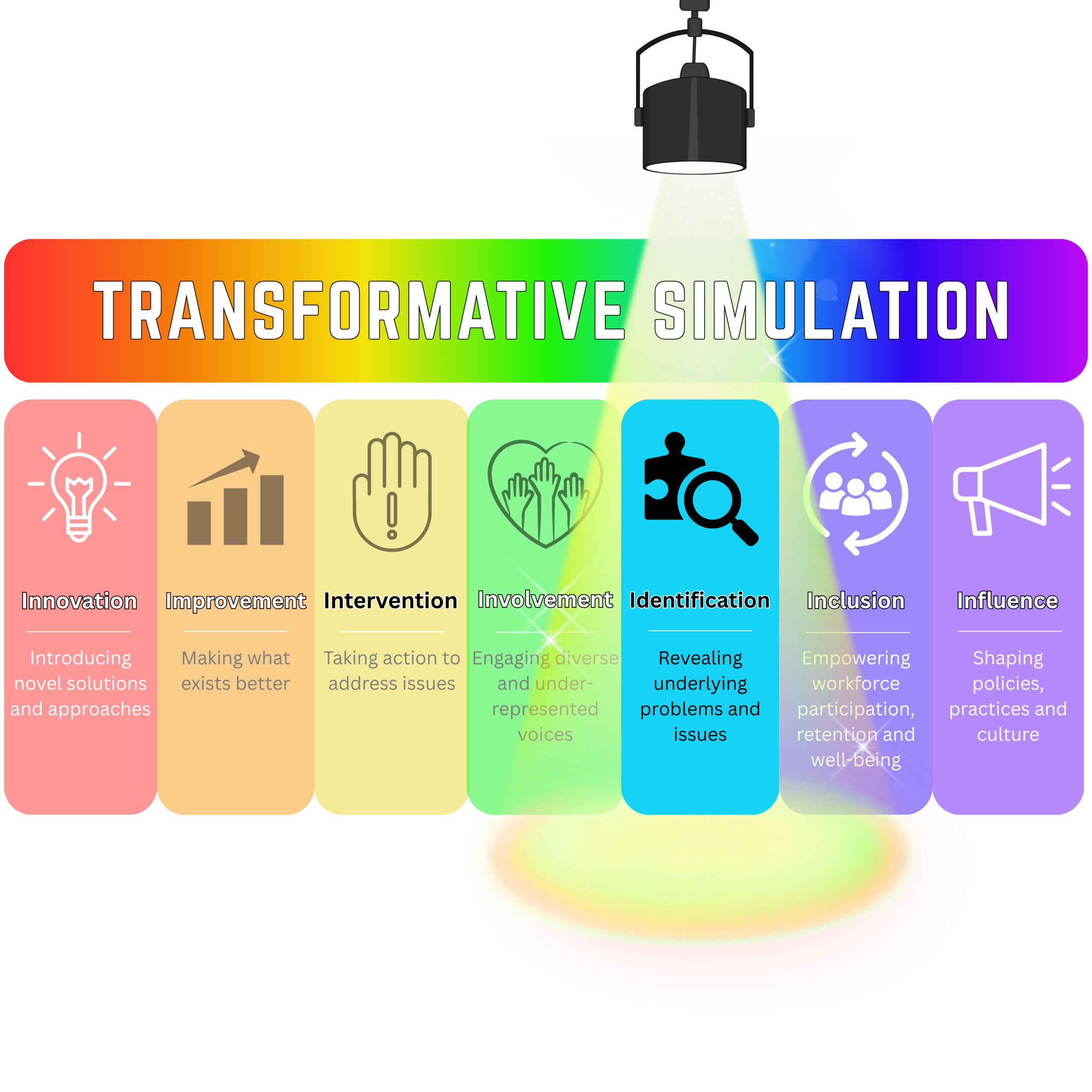 Transformative Simulation considers how simulation can be intentionally used beyond education to understand and contribute to change within healthcare systems. The Identification Simulation-Based Intention focuses on using simulation to uncover risks, vulnerabilities, unmet needs and other aspects of healthcare systems that may otherwise remain difficult to see. This resource from hub topic lead Sharon Weldon brings together a short Transformative Simulation thought piece, visual explainer and selected examples from the literature demonstrating how simulation has been used to identify patient safety and system challenges in practice. Further resources from Sharon on Transformative Simulation: Using simulation to improve patient safety and healthcare systems: The Improvement Intention Using simulation to strengthen workforce participation, belonging and wellbeing: The Inclusion Intention Using simulation to involve patients and communities in shaping safer care: The Involvement Intention


.png.0f771b125cf244faa6f5338943f855b1.png)

