


Patient Safety Learning
Administrators
-
Joined
-
Last visited
Everything posted by Patient Safety Learning
-
News article
 A crisis-hit NHS trust facing multiple probes over alleged harm to patients has been slapped with a fresh warning over the safety of those in its care. Northern Care Alliance NHS Foundation Trust, in Greater Manchester, has been given a formal sanction by the Care Quality Commission after the NHS watchdog identified "significant concerns” with its leadership. The warning, called a Section 29a notice, was issued on 13 August and highlighted “significant concerns about the trust’s management of risk, patient safety, complaints, freedom to speak up processes and workforce wellbeing and inclusion”. Such notices are given when the regulator believes there is a systemic issue within the trust, which could result in harm or the risk of harm. It comes after a series of investigations by The Independent exposing patient safety concerns and whistleblowers alleging that patients have been harmed or died due to poor care across the trust, which treats more than a million patients across Greater Manchester. A dozen whistleblowers came forward as part of a joint investigation with Channel 4 News last month, warning that failings at the trust could become the next major health scandal, amid allegations that patient deaths and harm were being overlooked. Read full story Source: The Independent, 8 September 2026
 -
News article
 The “Martha’s Rule for maternity services” was used just 13 times in a national pilot before being cited by government and adopted by ministers as a solution to the maternity crisis, HSJ can reveal. The finding has prompted a health leader to warn the policy risks becoming a “sticking plaster” that distracts from “deeper consideration of issues with working culture”. Following Donna Ockenden’s damning investigation into Nottingham University Hospitals Trust, the Department of Health and Social Care pledged to extend Martha’s Rule – which guarantees an urgent, independent review of care – into every English maternity service. DHSC described it as a “landmark patient safety measure” that would mean “mothers and newborns across the country will be better protected”. However, HSJ has learned that a seven-month pilot run by NHSE to assess its effectiveness across 15 maternity units recorded just 13 calls for a review between July 2025 and February 2026. NHS England, which ran the pilot, stressed that its objective “was not to assess whether to roll it out to maternity units, but how it could be used most effectively alongside existing safety protocols”. However, Nuffield Trust chief executive Thea Stein told HSJ the FOI data “casts further doubt on how transformative this new policy can really be”. Read full story (paywalled) HSJ, 9 September 2026
 -
Content Article
 Learning from safety incidents is one of the most common and widespread improvement strategies in healthcare. It is also one of the most problematic. Healthcare systems around the world expend enormous time and effort investigating large numbers of incidents, writing reports and issuing recommendations and a wide array of policies, frameworks, tools and methods surround and support these efforts. To take just two examples: the English NHS now collects around 3 million patient safety incident reports each year; and between just 2020 and 2023, England’s Maternity and Newborn Safety Investigation body conducted around 3000 incident investigations and issued over 4620 recommendations. The remarkable scale of these activities is increasingly matched by growing frustrations at the limited return on these investigative investments: patients continue to be harmed by the same types of incidents in the same ways, while investigations find the same problems and often repeatedly issue the same recommendations. Why is all this effort producing so little improvement? Why is learning from incidents so hard?
 -
Content Article
 The report from the Professional Standards Authority for Health and Social Care (PSA) explores how fitness to practise cases involving allegations of sexual misconduct can be handled fairly, sensitively and effectively. Drawing on the PSA’s reviews of final fitness to practise panel decisions, discussions and resources arising from the PSA's series of webinars on tackling and preventing sexual misconduct as well as expert insight, research and emerging practice. The report identifies key challenges for regulators and Accredited Registers and sets out practical measures to support better decision-making, witness participation and public protection in cases involving allegations of sexual misconduct.
 -
Content Article
 Every month, NHS England publishes waiting-time data for every trust and specialty in the country—hundreds of thousands of rows of it. For years that data has answered questions for planners and journalists while remaining, in practice, invisible to the people waiting. A patient referred for a hip replacement or cataract surgery has had no realistic way of knowing that the hospital 8 miles further away might treat them months sooner. In this blog, Mustafa Ghafouri discusses why he built HospitalWaits—a free tool for patients—and how it can help close the waiting gap. He also highlights the risks and limits of these types of comparison tools and why he welcomes critique from the patient safety community.
 -
Content Article
 This Health Services Safety Investigation Body (HSSIB) learning resource: Describe what is meant by a systems-based investigation. Justify the use of systems-based frameworks to support analysis. Discuss the principles of counterfactual reasoning and local rationality.
 -
News article
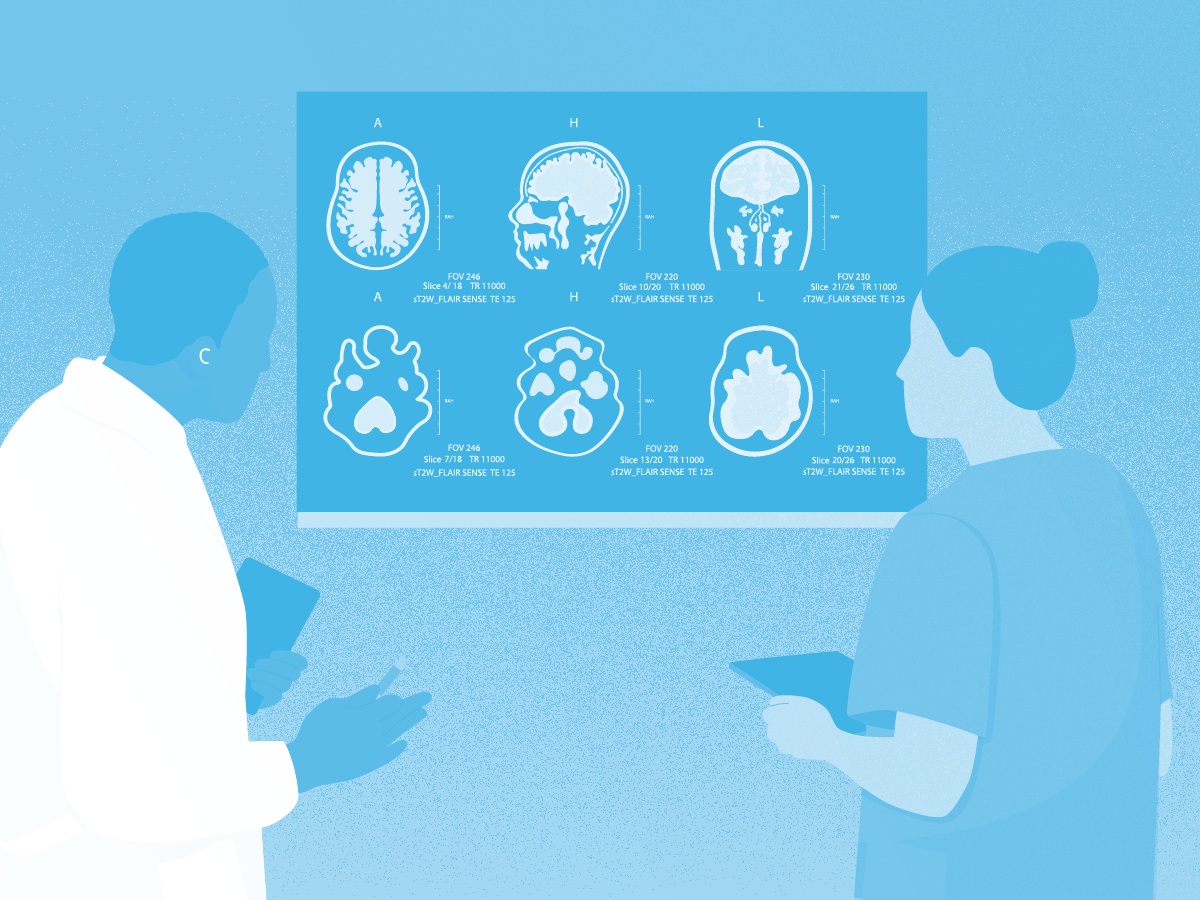 In May 2024, a few months after having treatment for a brain tumour, Oli Coppock went to Warrington Hospital's emergency department with bad headaches and dizziness. He underwent tests and assessments, but did not have a brain scan, before going home. It was a decision that ultimately ruined his life at the age of 32, his family says. A week later, with fluid building up on the brain, he suffered a cardiac arrest. He did not recover and now lives in almost complete paralysis. Oli's case is just one of a growing number of clinical negligence claims being made in England relating to A&E care. An analysis by the BBC shows there has been a 41% rise in cases over the past five years, with doctors linking it to the long delays and pressures being seen in emergency departments. Oli's father, Stephen, says he knows A&E staff are under pressure, but he cannot understand how a brain scan was not ordered, given his son's medical history. Stephen says the whole family has been left "angry and broken" by what happened to him. "The hospital didn't get the basics right and my son has paid a terrible price – it's ruined his life. It was an awful error. He trusted the health service and believed it was there to help him, not destroy him." Read full story Source: BBC News, 8 September 2026
 -
News article
 A coroner has taken the unusual step of issuing a call to take life-saving action following the death of a three-day-old baby in hospital. Nola-Reign Morgan died at Cwmbran's Grange University Hospital in February 2024 as a result of a brain injury caused by an infection found in her mother's placenta. At an inquest held in May this year the assistant coroner for Gwent, Martin Lanchester, found the main contributing causes of the death were likely to be the infant's mother not being immediately admitted to the labour ward of the hospital after being triaged upon arrival, and that for a period of some 88 minutes there was no foetal heartbeat monitoring while the mum was waiting for transfer to the high dependency unit. The coroner has now issued a "Prevention of Future Deaths" report to highlight concerns which emerged during the hearing of evidence at the inquest, and to call for action to address them. In the report the coroner says that in his opinion, unless action is taken to address the concerns he has raised "then there is a significant risk of future deaths". Four areas of concern are highlighted: The lack national guidance available concerning antenatal foetal monitoring, particularly in cases of suspected chorioamnionitis (the infection Nola-Reign Morgan's mother had). A lack of any reference to suspected chorioamnionitis or continuous foetal monitoring in recent guidance provided by the local health board. Insufficient evidence of the training in place locally following Nola-Reign’s death. Read full story Source: Wales Online, 6 September 2026
 -
Event
until
Medication-related harm is one of the most preventable yet under-recognised causes of death in Africa. It costs lives and undermines economies. It affects every part of the medicines ecosystem, and so, no single profession, institution or sector can solve it alone. Coordinated action is essential to keep the scale of preventable harm from outpacing our ability to prevent it. On 16–17 September 2026, invited leaders and experts will meet at the African Medicines Agency headquarters to examine urgent medicines-safety challenges and develop practical priorities. The Forum will inform a 90-day consultation and drafting process, strengthening the Summit platform and creating a clear foundation for its wider 2027 gathering. The first day builds a shared view of how medicines-related harm reaches patients, how it is recognised, and where safety information and coordinated response break down. The second day tests practical models, clarifies institutional roles and develops a focused route for consultation and follow-through. Find out more -
Content Article
 The mother of Nola-Reign Morgan waters broke on 28 January 2024 when she was 28 weeks pregnant. She attended triage on the morning of the 5 February 2024 with symptoms of fever and was suspected of suffering with chorioamnionitis. The witness evidence was that Nola-Reign’s mother was likely to need to deliver her baby that day. Despite this conclusion being reached she was not immediately transferred to the labour ward to administer magnesium sulphate to provide fetal neuroprotection in accordance with local and national guidance. Instead, Nola- Reign’s mother was transferred to the antenatal ward and this led to a delay in her starting on magnesium sulphate and having continuous fetal monitoring. A decision was taken later in the afternoon to transfer Nola-Reign’s mother from the antenatal ward to the High Dependency Unit (HDU) on the labour ward for provision of magnesium sulphate. Whilst waiting for transfer and despite the increased concerns over developing chorioamnionitis, the fetal monitoring was discontinued at 1607hrs and not recommenced until 1735hrs when Nola-Reign’s mother arrived on the HDU and by which time Nola-Reign’s condition had deteriorated to the extent that the CTG trace was noted to be pathological. Despite attempts to deliver Nola-Reign by emergency Category 1 caesarean section with trial of forceps, the fetal heartbeat was not detected on the CTG after 1801hrs and an ultrasound taken at 1818hrs confirmed she had no fetal heartbeat. Nola Reign was
 -
Event
until
Across the NHS, leaders are being asked to deliver more care in communities, strengthen neighbourhood services, improve population health and reduce reliance on hospital-based care. But achieving these ambitions requires fundamental changes to how services are organised, funded and delivered. Neighbourhood health is not just about where care is delivered, but how it is organised around people and communities. Delivering neighbourhood health also depends on strong partnerships across the NHS, local government, social care and the voluntary, community and social enterprise sector, with many of the most successful models built on collaboration rather than organisational change alone. Despite successive governments repeating a vision of health and care services focused on communities rather than hospitals, that vision is very far from being achieved. The arrival of a new Prime Minister and administration creates an opportunity to accelerate reform but also raises fresh questions about how the ambitions for neighbourhood health and care closer to home will be delivered in practice. This virtual King's Fund conference will focus on the infrastructure needed to make care closer to home a reality. Through practical case studies, detailed presentations and discussion, delegates will explore how organisations are redesigning services, supporting innovation, developing new funding approaches and building the digital foundations required to deliver neighbourhood health at scale. Sessions will explore: how funding and incentives can better support prevention and community-based care how innovation can be adopted and spread across primary and community care creating the conditions for successful partnership working to deliver neighbourhood health the digital infrastructure required to support integrated models of care. Register -
EventThe Picker Experience Network Awards are the first and only awards programme to recognise best practice in patient experience across all facets of health and social care in the UK and beyond. They celebrate projects, teams, individuals, and initiatives that have made exceptional contributions to care, engagement, service delivery, and wellbeing from the perspective of patients, carers, families, and staff. You don't need to have entered to join us at the event, tickets are available for non-entrants to come and listen to all the award winning best practice announced and shared live on the day. Whether you're looking for fresh ideas, practical solutions or new connections, the Picker Experience Network Awards offer a unique opportunity to learn from some of the most innovative organisations in health and social care. By attending, you'll: Hear directly from this year's award winners as they share outstanding examples of what is improving patient, service user and staff experience. Explore the shortlisted projects through our poster showcase, giving you the chance to discover ideas, ask questions and take inspiration back to your own organisation. Network with colleagues from across the NHS, social care, charities and the international and independent sector who are passionate about delivering person-centred care. Celebrate and recognise the people and teams making a real difference to the experiences of patients, carers, families and staff. Whether you're looking to improve services, generate new ideas or connect with others facing similar challenges, you'll leave with practical insights, valuable contacts and plenty of inspiration to take back to your organisation. Email [email protected] for more information.
-
News article
 An over-prescribing epidemic is leading to thousands of elderly people being admitted to hospital suffering reactions to cocktails of medicines. A Sunday Times investigation has found doctors are routinely giving out potentially harmful levels of medication to elderly patients, leading to falls, low blood pressure, dizziness and irregular heartbeats. Almost eight million people in the UK are at risk of medical side-effects because they are being prescribed five or more drugs to take daily. About 2.2 million take ten drugs a day, a study published earlier this year reveals. Taking more than five medicines is defined as “polypharmacy”, as this is the point at which the risk of side-effects increases. It is particularly dangerous in patients considered to be frail and often living with mobility issues. The Sunday Times is launching a campaign calling on the NHS and government to stop the prescription trap that is harming elderly patients. The three calls for action are: All medical students must learn the risks of mixing medicines and receive training for how and when to de-prescribe. The NHS should ensure that anyone over 65 who is considered frail and is taking 10 or more medications is invited for an annual review of their drug regimen. 1,850 more geriatricians must be trained by 2030 to ensure there is one doctor for every 500 patients aged 85 and over. Read full story (paywalled) Source: The Times, 5 September 2026
 -
News article
 More than 200 NHS staff have been sacked and around 2,000 others sanctioned for inappropriately viewing patient records over the past five years, HSJ can reveal. However, concerns have been raised that these recorded cases only represent the “tip of the iceberg” of snooping. A joint investigation by HSJ and Sky News found that at least 25% of trusts had no recent or proactive audits to check for such breaches. The investigation, which comprises data from 140 trusts, paints the first national picture of NHS staff record snooping, following revelations across multiple trusts in recent months. The audit has exposed: A staff member accessing their spouse’s records in a “potential domestic violence situation”. One employee’s dismissal after they viewed up to 179 patient records without legitimate reason. Staff sharing patient information on WhatsApp group chats. Commons health and social care committee chair Layla Moran told HSJ the figures painted a “stark picture” and “the security of personal and medical data is sacred”. Read full story (paywalled) Source: HSJ, 7 September 2026
 -
Content Article
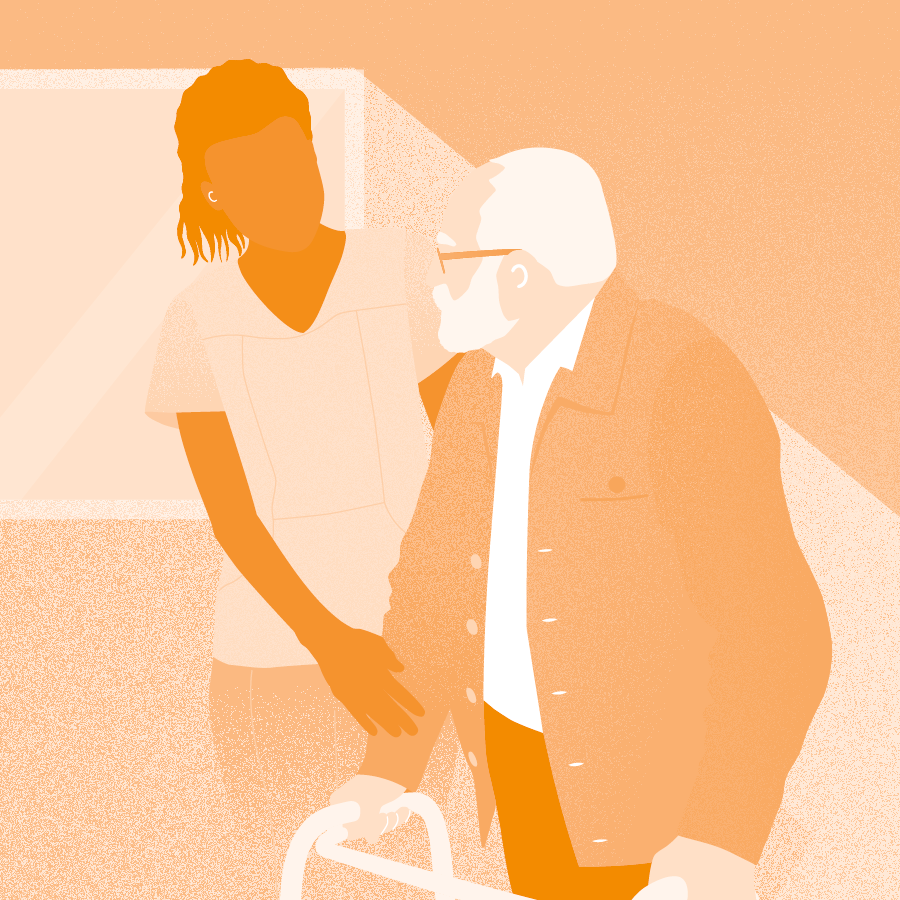 Dementia represents one of the most significant challenges to global public health, health systems and social care frameworks in the 21st century. Historically, clinical models heavily focussed on late-stage management, where the focus was entirely reactive. However, modern geriatric medicine is driving a profound paradigm shift. This new perspective frames cognitive decline not as an isolated, inevitable consequence of ageing, but as a complex, multifaceted trajectory shaped by lifestyle behaviours, systemic physiological stressors, clinical care environments and socio-geographical factors. The June 2026 issue of Age and Ageing beautifully highlights this comprehensive approach. Rather than evaluating dementia through a narrow lens, the recent literature offers an integrated view that spans the entire continuum of care. The selected papers for this month’s digest investigate early non-pharmacological interventions, cost-effectiveness models for prevention, novel digital screening methods and under-recognised systemic risk factors. Furthermore, they delve into the harsh clinical realities of managing medication safety, navigating systemic barriers in under-served communities and confronting the profound ethical dilemmas of advanced cognitive decline. Together, these articles challenge clinicians to transition from siloed care structures toward proactive, holistic and deeply empathetic models of geriatric practice.
 -
News article
 There is a “significant risk of future deaths” among doctors who are working too much without proper checks by their employers, a coroner has warned. The warning was issued in a recent prevention of future deaths report that focused on the death of Naeem Ahmed. Ahmed, aged 50, was a Consultant Anaesthetist who was working at Poole Hospital, Poole at the time of his death. He began a run of 9 nights work as the anaesthetist working in the hospital overnight, and due to staff illness agreed to cover a further two night shifts. He did not attend for the handover meeting and as he had not responded to attempts to contact him, staff entered his locked room and found him collapsed and unresponsive in the room. Ahmed was found slumped in a chair in the anaesthetists’ on-call room next to two syringes and a half empty bottle of whisky. The report follows an inquest into Ahmed’s death in June, during which it was reported that postmortem tests had shown that he had taken fentanyl and that his alcohol level was about half the drink-drive limit. The cause of death was combined alcohol and fentanyl toxicity, and the inquest, held in Bournemouth, ruled the death to be by “misadventure.” Read full story (paywalled) Source: BMJ, 4 September 2026
 -
News article
 Hundreds of orthopaedic patients - mostly children - suffered "harm" at an NHS hospital which is currently reviewing cases dealt with by a suspended surgeon. Kuldeep Stohr was suspended by Addenbrooke's Hospital in Cambridge last year, amid concerns about surgeries that were "below the expected standard". In a now-removed report to the hospital trust's board, it stated of the 924 patients reviewed so far, 209 "experienced harm", the majority of whom were children when they had elective surgery. Forty-seven were classed as severe, with one being fatal. Nicola Ayton, chief executive at Cambridge University Hospitals (CUH), said she was "deeply sorry" to patients and families affected. Stohr was suspended by the hospital and has not been at work since March 2024, initially for personal reasons. In her absence, her patients were seen by other doctors who discovered a "higher than expected level of complications", according to a letter to the parents from the hospital. An initial review in 2025, found operations involving nine children were below expected standards, including Darcey, whose parents previously told the BBC they feared problems with her hip operation were "brushed under the rug". A new report to the CUH board last week titled "orthopaedic review programme update" was removed by the trust after the BBC contacted it for comment. Read full story Source: BBC News, 7 September 2026
 -
News article
 Healthcare leaders continue to grapple with an expanding list of threats to the industry’s stability, from workforce shortages and reimbursement pressures to the growing role of artificial intelligence and the erosion of patient trust. Leaders from health systems across the US share with Becker's Hospital Review the trend they believe poses the greatest risk to healthcare today. Paul Hiltz, President and CEO of Naples Comprehensive Health said: "The most dangerous trend I see is losing our experienced caregivers to burnout." Joe Avelino, CEO of College Medical, said: " A dangerous trend I see is when leaders become too dependent on artificial intelligence. AI will undoubtedly become an increasingly important tool to help us identify patients at risk, improve access to care, streamline administrative burdens, and support better clinical decision-making. However, AI cannot replace the healing power of a compassionate physician, a reassuring nurse, a dedicated social worker, or a sitter who simply sits quietly with someone during their darkest moment. Think about this, our patients may not always remember their diagnosis or the medication we prescribed, but they will remember how we made them feel and whether they were treated with dignity, respect, and compassion. As we embrace innovation, let us ensure that AI enhances the human connection rather than replaces it." And Erik Mikaitis, CEO of Cook County Health (Chicago) thinks one of the most dangerous trends in healthcare today is growing disengagement from care, coupled with increasing mistrust in the medical community. Patients are being asked to navigate an increasingly complex system, from insurance coverage and referrals to prior authorizations and changing eligibility rules. Recent federal policy changes are making that even more difficult for individuals who rely on coverage through insurance marketplaces or Medicaid. Read full story Source: Becker's Hospital Review, 27 August 2026
 -
News article
 A nurse who was struck off from practicing after 10 years of defending herself has had her case overturned in the High Court. In a highly critical judgement the Nursing and Midwifery Council was told there were ‘serious irregularities’ in its handling of the case. Mildred Wylie, from Armagh, in Northern Ireland, had her name completely cleared. But this is the latest of what has been described as a ‘string of astounding failures’ by the nursing regulator including accusations of a toxic and bullying culture. Read full story Source: Channel 4 News, 2 September 2026
 -
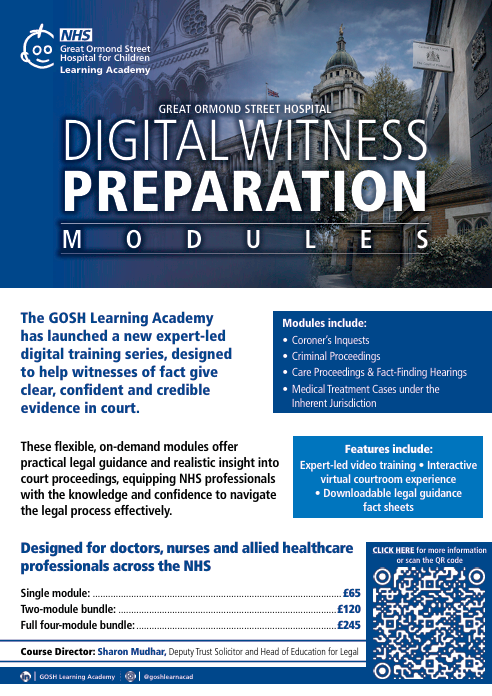
Community PostThe GOSH Learning Academy has launched a new expert-led digital training series, designed to help witnesses of fact give clear, confident and credible evidence in court. These flexible, on-demand modules offer practical legal guidance and realistic insight into court proceedings, equipping NHS professionals with the knowledge and confidence to navigate the legal process effectively. Download flyer: GOSH Digital Witness Preparation Modules-External.pdf
-
Content Article
 As the use of artificial intelligence in professional practice and everyday life continues to expand, there are increasing questions regarding the role of health professions' regulators in ensuring responsible adoption of this technology by practitioners. Ensuring safe and effective professional practice is a primary mandate for regulators; it is currently not clear how artificial intelligence may impact the work and role of professionals, particularly when human-out-of-the-loop artificial intelligence becomes more prevalent in professional work. This Commentary explores competing perspectives on what role—if any—health professions' regulators have in using regulatory tools and approaches to manage the proliferation of artificial intelligence in professional work. It examines the current regulatory ecosystem (of which professions' regulators are a part) and highlights opportunities for potential collaboration across different regulatory sectors to better safeguard interests of patients and practitioners alike.
 -
Content Article
 This blog shines a spotlight on ‘Transformative Simulation’ and the role it can play in healthcare quality and safety. Professor Sharon Weldon (Professor of Healthcare Simulation and Workforce Development at the University of Greenwich and President of the Association for Simulated Practice in Healthcare, ASPiH) and Dr Julie Mardon (Clinical Director of Integration and Director of the Scottish Centre for Simulation and Clinical Human Factors, NHS Forth Valley, Scotland) share their fascinating insights with Christopher Hatton in BMJ Quality & Safety.
 -
News article
 A power failure forced Great Ormond Street children’s hospital to close nine of its 15 operating theatres after crucial ventilation systems stopped working. The London hospital declared an incident on Thursday morning after the problem meant that operations on six children had to be stopped. Ventilating operating theatres is essential during surgery because it draws air up and away from the patient, reducing the risk of contamination and surgical wound infections. It is the latest incident linked to the hospital’s infrastructure. A week earlier, two nurses were given an electric shock by a light switch in an operating theatre before an operation. They did not suffer any serious injury. All theatres were back up and running by the end of the day, and the affected children have either had their procedures or are booked in for this week. Read full story (paywalled) Source: The Times, 5 September 2026
 -
News article
 Nearly three-quarters of A&E staff experience violence or aggression daily or weekly, according to a survey highlighting the “appalling” abuse of NHS workers. The Royal College of Emergency Medicine (RCEM) said understaffed and overcrowded emergency departments were contributing to increased targeting of medics. In a survey of more than 2,000 workers in the UK, 63% said they had suffered discrimination including racism, sexism and homophobia, while 73% said violence or aggression of all kinds was a daily or weekly occurrence. Almost all (96%) said they had experienced abuse from patients or members of the public. Dr Ian Higginson, the president of the RCEM, said: “No one should go to work fearing or, worse, expecting to be attacked, intimidated or abused. Nor should they lack confidence that their employers have their backs, or that the judicial system will kick in. “Yet that’s the reality faced by the majority of my colleagues in EDs [emergency departments] across the country. They often do not feel safe to care for patients. It is an appalling state of affairs which is contributing towards many people seriously considering whether emergency medicine – or even healthcare in general – is for them.” Senior nurses said in January that abuse of NHS staff had become a national crisis. Read full story Source: The Guardian, 7 September 2026
 -
News article
 Susan Cacciacarro was almost 37 weeks pregnant with her daughter Chiara when she woke up one morning in 2021, unable to feel her baby kicking. “My belly just didn’t feel right,” she said. “I didn’t feel any movements.” Chiara, her first child, had been diagnosed with a hole in her heart during a 20-week scan. Since then, Cacciacarro’s pregnancy had been classed as high risk and the growth of her baby had been regularly monitored in hospital. But when a 34-week scan revealed Chiara had lost weight over the previous two weeks, maternity staff at Worthing hospital in Sussex did not make a plan to expedite her birth, which was planned to take place at 39 weeks. On the day Cacciacarro woke up and realised Chiara was not moving, she rushed to the hospital, which is run by University hospitals Sussex NHS foundation trust. Staff were unable to find the baby’s heartbeat and Chiara was delivered stillborn. “I’ve never felt so devastated and so crushed,” Cacciacarro said. “Your world turns upside down and suddenly it’s black.” She is among the bereaved parents who will give evidence at a major independent review into maternity and neonatal services in Sussex, led by the senior midwife Donna Ockenden. The review launched on Saturday with a public meeting in Brighton after months of campaigning by bereaved Sussex families. In February, a joint investigation between the New Statesman and the BBC revealed the deaths of at least 55 babies might have been avoidable if they and their mothers had received better care from University hospitals Sussex. At the meeting on Saturday, Ockenden discussed the review’s terms of reference with the families who will be most affected by it. “We need to get the finer details right to make sure that no family is left behind,” said Cacciacarro, who is now a mother of two. “I felt robbed when we lost Chiara … I’m hoping this review will provide answers to all harmed and bereaved families.” Read full story Source: The Guardian, 7 September 2026
