


Summary
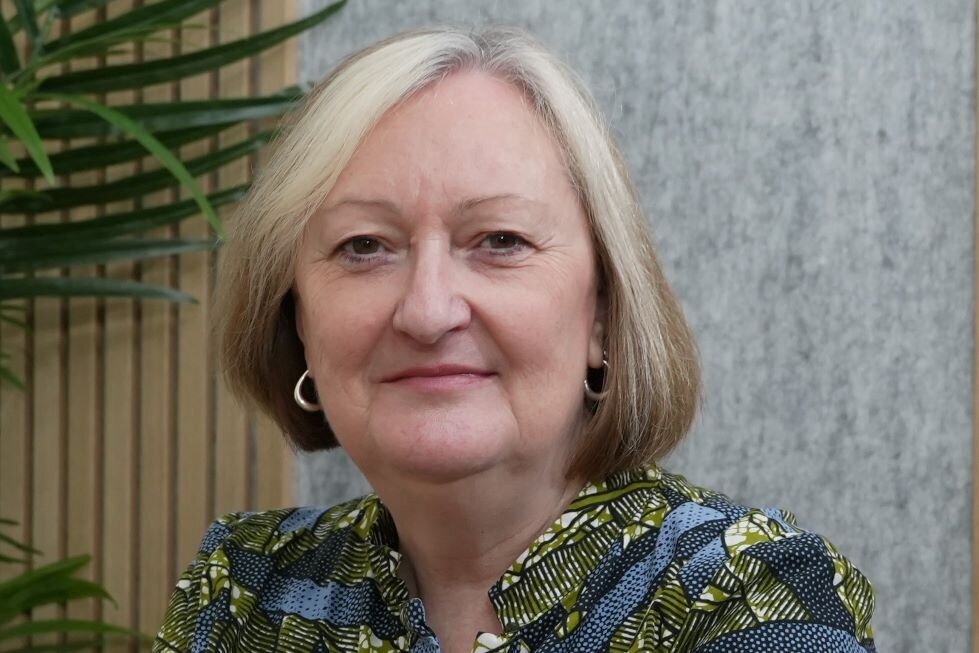
In this blog, Patient Safety Learning’s Chief Executive Helen Hughes reflects on the charity’s work and key patient safety policy developments in the past 12 months. She also looks to the year ahead, considering the forthcoming new NHS Quality Strategy and new Patient Safety Learning projects.
Content
The past year has seen several significant policy developments which have impacted both patient safety and health and care more widely.
We saw the unveiling of the new 10 Year Health Plan for England, alongside proposals to reduce and consolidate the number of bodies operating in the patient safety landscape. In Northern Ireland proposals were put forward to introduce new duty of candour regulations and revise their approach to patient safety investigations. Scotland appointed its first Patient Safety Commissioner.
We have continued to see new reports and inquiries exposing avoidable harm this year. Last month saw the publication of the final report of the Kingdon review, which highlighted serious service failures in children’s services. There are also ongoing concerns about failings in maternity services, with patients and families continuing to share harrowing personal experiences. These reports are now set against the backdrop of an ongoing national investigation.
Internationally, we have seen continued momentum to drive forward a global patient safety movement. Most notably, the 7th Global Ministerial Summit for Patient Safety took place in the Philippines in April. However, we are also seeing the serious consequences stemming from the US Government’s decision to pull back from the World Health Organization and the shutdown of the USAID.
In this often difficult context, now more than ever we need to continue to make the case that the persistence of avoidable harm at current levels is not acceptable. We need to transform our approach in healthcare, so that patient safety is not just seen as another priority, but as a core purpose of health and care.
the hub and its patient safety networks
Our platform to share learning for patient safety, the hub, has continued to grow in membership, content and impact this year. Since October 2019, the hub has had more than 1.7 million visits, 3.3 million page views and now has over 8,000 members.
A new homepage design was launched in June, which gave the site a fresh look while also increasing the accessibility of patient safety network pages to hub members. We have developed a short video guide that explains how you can make the most out of the hub, which you can watch below.
This month, we published three blogs highlighting some of the activity that took place on the hub throughout the year:
- The hub's top patient safety picks of 2025
- 2025: A turning point for digital patient safety
- “Another uplifting year of sharing learning, collaboration and development for the patient safety networks” Claire Cox reflects on 2025
If you are not yet a member of the hub, you can sign up for free today. You can also register an interest in and get involved with our patient safety networks when you complete the form.
Implementing the Patient Safety Incident Response Framework (PSIRF)
Introduced in Autumn 2023, PSIRF is the NHS’s new approach to investigating patient safety incidents, replacing the Serious Incident Framework. While this has now been rolled out across all NHS Trusts in England, much work is still needed to embed PSIRF, and crucially evaluate its impact on patient safety.
In May we published a new report analysing a sample of Patient Safety Incident Response Plans (PSIRPS) which highlighted significant variations between Trusts’ implementation of PSIRF. For example, some organisations had very different criteria for conducting formal incident investigations. The report also revealed some notable gaps. There was a lack of detail on compassionate engagement and involving the patients, families and staff affected by patient safety incidents.
Many of these findings were echoed in an investigation looking at the implementation of PSIRF, published by the Health Services Safety Investigations Body (HSSIB) in October. One key issue highlighted was the availability of training and support for PSIRF investigation methods. Going into 2026 we will be exploring how Patient Safety Learning can provide support in this area. We will seek to build on the range of PSIRF tools and resources we have collated on the hub, including the free SEIPS (Systems Engineering Initiative for Patient Safety) training resource we developed this year.
Reflections on the 10 Year Health Plan and Dash Review
As mentioned in the introduction, this year has seen some major announcements in healthcare. The 10 Year Health Plan for England, published on the 3 July, set out how the Government intends to create a modern health service designed to meet the changing needs of the population.
We were disappointed that this report did not recognise patient safety as one of its core themes. However, we welcomed that the Plan does set out an ambition to tackle some of the key underlying causes of avoidable harm. In our formal response to the Plan, we sought to elaborate, setting out why patient safety needs to be at the core of its delivery.
Dr Penny Dash’s review of the patient safety landscape in England was published shortly after the 10 Year Health Plan. This included a number of specific recommendations to alter, and in some cases abolish, existing organisations involved in assuring and contributing to the safety of care.
We agreed with the review’s overarching recognition of the need to coordinate and rationalise the patient safety landscape. However, we strongly contest its assertion that patient safety has been significantly over prioritised in the past 5 to 10 years at the expense of other aspects of quality.
In our response to the Review we also noted that:
- Significant questions remain about the impact of some of the proposed organisational changes, for example how the HSSIB will retain its operational independence and effectiveness within the Care Quality Commission.
- The need for further detail on how new roles for the National Quality Board and proposed National Director of Patient Experience will operate, and how they will be supported, before we can assess their likely impact.
One significant gap in the current patient safety landscape in England is the lack of structured systematic approaches to learning and solution development. In the absence of this, insights from good practice and investigation into patient safety incidents tend to be retained solely within individual organisations. Lessons learned need to be disseminated for rapidly resolved improvement, as recommended by the review.
In 2026 we should start to see what implementation of the 10 Year Health Plan looks like in practice, and the impact on patient safety. We also expect to see a new Quality Strategy for the NHS published in the Spring, followed by an update to the National Patient Safety Strategy.
Speaking up for patient safety
At the beginning of 2025 we launched a new video interview series, Speaking up for patient safety. The series is hosted by myself and Peter Duffy, NHS whistleblower and Chair of the Healthcare Working Group at WhistleblowersUK.
In each interview we hear from someone who has raised concerns about patient safety in healthcare, often at great cost to their own career and personal life. They share their story and their reflections on what needs to be done to improve organisational cultures, so that when staff raise patient safety issues, concerns are responded to appropriately and not dismissed because they are inconvenient to acknowledge and address.
Alongside the contributors’ bravery and tenacity, several common themes emerged as they each shared their experiences. These were highlighted in a blog by myself and Peter mid-way though the year.
One recurring issue we hear about is the set of tactics some organisations use when responding to people who speak up or blow the whistle. To highlight these tactics we have created The whistleblower playbook infographic, illustrating how some organisations respond to staff raising concerns about patient safety.
.thumb.png.f0f47ac0edde1715d4ac0479242c098b.png)
Collaborating for safety
At Patient Safety Learning, we believe listening and learning from different perspectives, expertise and experiences is essential in understanding the complexities, challenges and potential solutions around patient safety issues. We have been working with a range of different individuals and organisations this year to improve patient safety, including:
- Hosting a Patient Safety Forum in February 2025 at the Royal College of Physicians, in partnership with Public Policy Projects.
- Collaborating with #ThereForME to support their work in exploring the barriers that impact access to NHS care for people with ME (myalgic encephalomyelitis) and Long Covid.
- Working with the Royal College of Surgeons of Edinburgh to draw up top tips for patient safety in surgery series published on the hub.
- Commissioning a series of blogs from different individuals and organisations in support of this year’s World Patient Safety Day theme, ‘Safe care for every newborn and child’.
- Producing a series of short videos, in collaboration with The UK Sepsis Trust, to raise awareness of the key signs and symptoms of sepsis
- Working with the Association of British HealthTech Industries (ABHI) to develop their new report outlining how industry can work with partners across the system to reduce avoidable harm.
We have also continued to provide a platform for individual patients and staff members - the ‘patient safety frontline’ - to share their stories and experiences. There have been many examples of these over the year, but just to highlight a few:
- My experience of the 'Wait 45' policy
- Removing barriers to vital thyroid hormone (L-T3) could improve outcomes
- "Patient safety is not just a framework—it is a promise". Reflections from a patient safety investigator
- How one woman’s missed referrals exposed a systemic gap in hereditary cancer care: Why I'm campaigning for Rachel's Rule
Concluding thoughts
Heading into 2026, we will we continue to proactively seek opportunities to collaborate with others, share individual and collective insights through the hub, and influence key stakeholders and policies.
We are:
- Looking forward to holding our second Patient Safety Forum with Public Policy Projects early in the new year on the 25 February 2026.
- Developing more ‘how to’ resources to supplement our Standards and welcome feedback on what would be most valuable to those looking to make a real difference in reducing avoidable harm.
- Supporting NHS organisations, including undertaking reviews of various patient safety initiatives. Contact us at [email protected] if we can help.
- Inviting people to contact us directly, and/or through the patient safety networks, to share their experience of good practice on the hub for wide dissemination.
- Continuing to highlight issues of concern that we can explore and amplify. These may range from emerging patient safety risks to how the organisational changes flowing from the 10 Year Health Plan are impacting patient safety.
We look forward to continuing our collaboration with partners across the UK and international healthcare systems in the coming year. Together, we will continue to highlight the need for patient safety to be at the heart of all healthcare.

Recommended Comments
Create an account or sign in to comment