


Summary
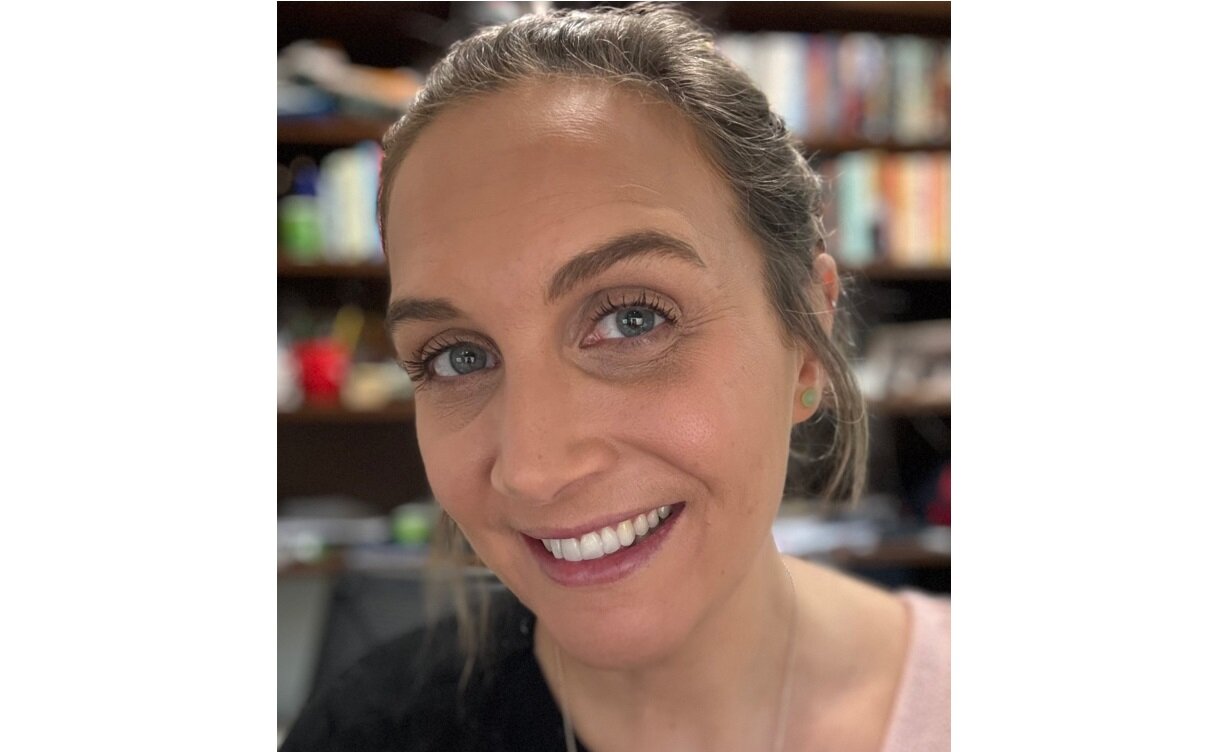
Julie Smith is a content director for a patient information library, and a Topic leader for the hub. In this blog she draws on recent research and her own expertise to explain why deprioritising patient education represents a failure to keep patients safe.
Content
Patient education and surgical outcomes: what the evidence shows
Last year, Caroline Kamau-Mitchell published her research findings for The Surgeon titled ‘Benefits of patient education in surgery’ [1]. Her work involved surveying 38,689 patients who underwent a procedure in the NHS in England.
Kamau-Mitchell found that around half of patients felt anxious before their procedure and this often correlated with outcomes, both in terms of patient satisfaction, but also post-procedure results.
She noted that patient education:
- can reduce preoperative anxiety
- increases satisfaction
- teaches people what to expect from surgery and when to seek help.
When patient education is rushed, safety is compromised
I am the content director for a patient information library so it’s no surprise that this paper piqued my interest. It is both reassuring and affirming to see in black and white just how much of a difference good patient education makes. Sadly, we do hear both from patients and clinicians that information sharing is sometimes limited and rushed.
In order for the patient to be truly educated and informed, they need time to digest the information, mull it over, discuss with loved ones, before deciding. Unfortunately, this is not always the case.
Healthcare providers are busy, overwhelmed and under pressure to deliver against tight targets and deadlines. This can result in cutting corners such as rushed consultations, very little time between information sharing and the procedure itself, and ultimately, unsafe care. The result of this could be catastrophic; symptoms of a serious complication may be ignored, important post-operative advice may be missed and, ultimately, the consent given will not be truly informed.
Anxiety, uncertainty and the patient experience of surgery
The point around anxiety is also an important one to consider. Hospitals may be second homes to our healthcare providers, but to most people they are overwhelming, alien and can carry negative connotations or memories.
There are strange smells and sounds, people walking around in scrubs and masks, not to mention the maze-like configuration of so many of them. This is all before you consider that the patient may have a life-threatening condition, an awful injury or unexplained symptoms that require a procedure.
If we have an opportunity to reduce their anxiety, especially given Kamau-Mitchell’s conclusion that this can be reduced with patient education, we absolutely have to take it.
Patient education is a core component of safe care
Kamau-Mitchell’s research shows that we cannot afford to cut corners when it comes to patient education. Deprioritising patient education represents a failure to keep patients safe. The evidence is there for all to see; properly educated patients are more satisfied, less anxious, have better outcomes and know what the warning signs are if anything goes wrong.
We want to make patients feel safe when they have surgery.
This isn’t just about having the right person with the right expertise providing their care, it’s also about them being prepared and knowing what to expect.
Patient education plays such an important part in this and so it is our duty to both get it right in terms of its content but also make sure it’s shared in a timely and accessible manner.
Making consent a meaningful process, not a formality
Accountability is key here – consent must be treated as a defined and prioritised part of the care pathway, supported by leadership and embedded in organisational processes. There is plenty of good-quality information and well-informed healthcare professionals able to deliver the information but if they are not given the time and resources to deliver it, the issue of poor consenting processes will persist.
It is the duty of clinical and safety leadership to ensure good patient education is prioritised and promoted so it becomes a part of the culture of their organisation.
Failing to prioritise patient education is a preventable patient safety risk and should be treated as such. Kamau-Mitchell’s study findings must be considered by any healthcare providers when it comes to how they much time and effort they put into providing education for their patients. If they don’t, they put their patients at risk of poor experience, poor outcomes and uninformed consent.
Reference
[1] C. Kamau-Mitchell, “Benefits of patient education in surgery,” The Surgeon, pp. 162-166, 2025.
About the author
Julie is Content Director of EIDO Patient Information at Radar Healthcare. She oversees a library of leaflets used to support patients in making informed decisions about their care, with a focus on medical procedures and operations. She is a healthcare editor by background and previously worked at MA Healthcare as Editorial Director. Julie is also a member of the PIF TICK steering group.

Recommended Comments
Create an account or sign in to comment