

All Activity
Today
-
D08eb9075e07feb19cca48af48d4b485An important perspective on the future of patient experience intelligence. From a quality and patient-safety perspective, technology alone is not enough—its value comes from integrating data, patient voice, clinical workflows, and continuous quality improvement. The real opportunity is to move from fragmented feedback to actionable intelligence that helps healthcare teams identify gaps, prioritize improvement, and measure whether changes are actually improving patient experience and outcomes. Good infrastructure enables the journey; good design and strong quality governance create the value.
-
PIxms joined the community
-
EventJoin THIS Space 2026 to explore what works in healthcare improvement and innovation, what doesn’t, and why. Discover the latest evidence, share learning and connect with others committed to improving the quality and safety of healthcare. Evaluating AI for the NHS is there a better way? Patient and public involvement in digital transformation. Transgressive behaviour as a patient safety challenge. Improving governance of evaluation. Improving healthcare inclusively. ...and much more! Register
-
News article
 The winners of the HSJ Patient Safety Awards 2026 were announced last night, recognising outstanding efforts to make care safer. This year’s event attracted 427 entries, with 217 shortlisted across 25 categories. Categories included the Improving Medicines Safety Award, the Urgent and Emergency Care Safety Initiative of the Year, the Maternity, Midwifery and Neonatal Safety Initiative of the Year, and Patient Safety Team of the Year. The 25 awards span three broad areas: clinical and specialist excellence, organisation-wide change, and service and system innovation. They also include awards for digital clinical safety, surgical care, the use of data and analytics, and patient involvement. Opening the event, HSJ editor Alastair McLellan said patient safety had returned to the top of the health agenda over the past year, but warned the debate had focused overwhelmingly on maternity services. He said safety in emergency departments and acute wards was receiving less attention, with debate instead dominated by access and waiting times. He noted that long accident and emergency department waits, particularly those of more than eight hours, were strongly associated with increased mortality. Mr McLellan also praised those shortlisted for achieving improvements despite the pressures facing the NHS. He said work to prevent patient harm was not always welcomed amid unprecedented demand and the drive to recover performance, adding that the finalists’ achievements showed “what is possible in even the most unpromising situations”. Read full story (paywalled) Source: HSJ, 29 September 2026
 -
News article
 Hospitals are being hit by shortages of key drugs used to provide pain relief, prevent blood clots and tackle high blood pressure. Dozens of NHS trusts in England have encountered scarcities of aspirin, the painkiller co-codamol – a combination of paracetamol and codeine – and ramipril, a blood pressure tablet. Nine trusts have had problems getting enough supplies of two of those three common medications, while one ran short of all three. The shortages underline how precarious the health service’s supply chains for basic medicines have become in recent years as a result of trade disputes, global conflict and manufacturing problems. Pharmacists have said supply problems have become a “national crisis” and in some cases have left patients unable to access their usual medications for weeks at a time. Hospitals’ drug supply problems have emerged in freedom of information requests by Dr Rodolfo Catena, an expert in global health supplies at University College London, about stock levels of the three drugs. Sixty of the 184 trusts from which he sought figures responded. The most widespread shortage involved aspirin, which is used to reduce pain and the risk of blood clots. Twenty-six (62%) of the 42 trusts that responded about it had experienced disruption to their supplies between last December and March this year. Thirteen (31%) of the 42 trusts that replied on co-codamol had run short of that drug, which helps relieve muscle pain, period pain and toothache. York and Scarborough NHS trust’s supplies had been disrupted since May 2025, and Royal Wolverhampton NHS trust had trouble getting enough co-codamol for the 10 months between October 2025 and August this year. Read full story Source: The Guardian, 29 September 2026 Related reading on the hub: Creon shortages: “It’s just another thing patients with cystic fibrosis could do without” Medication supply issues: A pharmacist’s perspective Medicines shortages: minimising the impact on patients (a blog by Catherine Picton)
 -
Content Article
 Healthcare professionals frequently collect patient safety data, but many lack the knowledge and structured processes needed to interpret these data and translate findings into meaningful improvement actions. This gap results in underutilised opportunities to identify risks, apply evidence-based interventions, engage interdisciplinary teams, and measure impact. Addressing this gap helps the healthcare team more effectively use data to guide patient safety and quality improvement efforts. In this recorded webinar from the Patient Safety Authority, Andrea Atkinson, BSHCA, RRT, director of quality management; Christy Kitta, BSN, RN, quality and patient safety officer; and Ziad Dimachkie, MD, chief medical officer, all from Uniontown Hospital: Describe how patient safety data could be transformed into actionable insights to improve patient safety outcomes. Identify key sources of patient safety data and explained how each contributed to understanding safety gaps. Recognize strategies for engaging interdisciplinary teams and leadership in data‑informed patient safety improvement efforts.
 -
Content Article
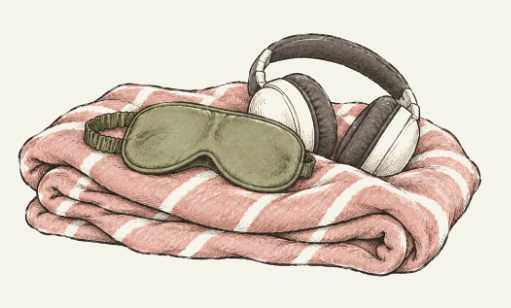 The Sick List is a range of practical guides, made by patients, to help hospital stays, treatment days and recovery at home more comfortable and less stressful. The guides covers things from what eye masks help to actually block out hospital lights, to toiletries that will protect your dignity, to the random things no one tells you to pack in your bag but make a huge difference. If you're a patient about to go into hospital, or you know someone who is and would like to support them practically, this resource can really help.
 -
Content Article
 In this blog for the Parliamentary and Health Service Ombudsman, Paula Sussex writes about World Patient Safety Day. She says it is an opportunity to reflect on how we can make healthcare safer for everyone, and the importance of meaningful engagement with patients and families throughout their healthcare journey.
 -
News article
 NHS England’s patient safety chief has said the service is having to “battle against a narrative” that it has not improved safety. Aidan Fowler, NHSE’s national director for patient safety, told HSJ’s Patient Safety Congress in Telford today that the narrative, which he described as “really challenging”, “sometimes says we haven’t made progress on patient safety when we know we have”. He said ministers had “understandably” wanted to suggest “everything that happened [during] the last government was terrible, and that includes some of the work that people here have done”. Dr Fowler said there “has been progress”, but this meant they “have to keep restating that, making the argument again”, which could “feel like quite hard work”. The NHS Patient Safety Strategy was launched in 2019, and the new NHS quality strategy published this summer suggested it would need another refresh in the near future. Dr Fowler admitted that some of this work, which has included changing the way the NHS responds to incidents through the Patient Safety Incident Response Framework, “is not very sexy”, so people have not heard about it. He added: “I get that if you try and explain to all our patients what PSIRF is, they’re going to struggle with [it], I understand that. “But I think that stuff has been foundational and important. We’ve created some bits of work that I think are really important, and we have made a difference.” The national director also stressed there was “of course much more to do”, and that improvement was a “continuous process”. Read full story (paywalled) Source: HSJ, 28 September 2026
 -
Content Article
 Is integrated patient experience intelligence finally possible in the NHS? Or will infrastructure without design leave us with expensive technology and limited value? For years, patient feedback has existed in frustrating fragmentation. Complaints sit in one system, surveys in another, Friends and Family Test (FFT) scores somewhere else entirely. All sit in a different system. None connected. No one recognises the patterns until harm has occurred. The infrastructure pieces needed to solve this are forming. The NHS Federated Data Platform (FDP) is operational. The NHS App is expanding. Patient Reported Experience Measures (PROMS) are being designed and validated. Large language models (LLMs) are proving capable of analysing unstructured feedback at scale. However, having these pieces available does not deliver integrated patient experience intelligence. That requires deliberate strategic design: decisions about what capabilities to build, data architecture purpose-fit for those outcomes, governance frameworks enabling appropriate uses, sophisticated analytical infrastructure, organisational change and sustained commitment. Ben Kenyon examines it all in this three-part series: Part 1 examines where we are today: the fragmentation challenge, why feedback sources don't connect and the safety signals we're losing as a result. Part 2 explores the infrastructure pieces now coming together: the FDP, NHS App and LLMs, and why deployment alone won't deliver integration. Part 3 shows
 -
Content Article
 This guide from Taluvu looks at how to prepare for a GP appointment when there is a lot to explain. It covers: choosing the three things you would hate to forget gathering what you already know writing it down before you go rather than in the waiting room what to say in the first minute what to do if the words go and what to ask before you leave the room.
 Yesterday
-
EventHealthcare is delivered through complex and constantly changing systems. Staff make difficult decisions while managing high workloads, interruptions, time pressures, new technology and competing demands. Human factors enables organisations to examine how these conditions interact with people, tasks, equipment, environments and organisational processes — and to redesign care so that safe practice is supported rather than dependent on individuals overcoming weaknesses within the system. The conference will also consider the growing human factors implications of electronic patient records, automation, ambient documentation and artificial intelligence. While digital technology can improve safety, productivity and access to information, poor usability, alert fatigue, automation bias and disrupted workflows can introduce new risks. Safe implementation requires technology to be designed around patients and staff, with frontline users involved in its design, testing and evaluation. For further information and to book your place visit https://www.healthcareconferencesuk.co.uk/virtual-online-courses/a-practical-guide-to-human-factors-in-healthcare or email [email protected]. Follow the conference on X @HCUK_Clare #HumanFactors hub members receive a 20% discount. Email [email protected] for discount code.
-
EventThis National Summit focuses on improving NHS complaints handling and supporting services to implement, embed and evidence adherence to the PHSO NHS Complaint Standards. The conference takes place at a critical time for complaints reform. The 10 Year Health Plan for England is clear that the NHS complaints procedure is far from where it needs to be, and commits to updating complaints regulations, setting clearer standards for the timeliness and quality of responses, improving response times, and increasing the use of AI tools to support faster collection and response to complaints data. For more information https://www.healthcareconferencesuk.co.uk/virtual-online-courses/nhs-complaints-summit or email [email protected]. hub member receive a 20% discount. Email [email protected] for discount code. Follow the conference on X @HCUK_Clare #NHSComplaints
-
Content Article
 People living with non-communicable diseases (NCDs) often require continuous, long-term care. However, in humanitarian contexts, conflict, displacement and other obstacles can disrupt access to healthcare. This complicates chronic disease management and compromises patient safety. In 2025, Doctors Without Borders/Médecins Sans Frontières (MSF) conducted 264,711 medical consultations for people with hypertension and 219,982 consultations for people with diabetes. In this blog we hear more about this work.
 -
News article
 A coroner has issued an urgent warning that the failure to implement an emergency cardiac pathway could result in more deaths. Malcolm Budd, aged 65, was admitted to Royal Derby Hospital, part of University Hospitals of Derby and Burton Trust, in February with a suspected aortic dissection. This is a medical emergency in which a tear happens in the inner layer of the aorta, the body’s main artery. For a severe ‘Type A’ dissection – which requires emergency surgery – mortality increases by up to 2 per cent each hour without treatment. However, Mr Budd was not transferred to the specialist cardiac centre at Glenfield Hospital, part of University Hospitals of Leicester Trust, until almost 8.30pm, eight hours after he was first admitted to Royal Derby. NHS England published a Standard Operating Procedure and a toolkit which aimed to standardise and improve aortic dissection pathways in 2022. This has been implemented in other parts of the country but not the East Midlands. Dianne Hocking, assistant coroner for Leicester City and South Leicestershire, has now issued a Prevention of Future Deaths (PFD) notice in relation to this issue. The PFD was issued before the inquest into Mr Budd’s death begins next month due to the urgency of the coroner’s concerns. Read full story (paywalled) Source: HSJ, 28 September 2026
 -
Content Article
 A Pre-Inquest Review Hearing took place on the 21 July 2026 which heard that Mr Budd died on the 24 February 2026 aged 65 years. He was admitted to the Royal Derby Hospital on the 24 February 2026 at 12:26. He presented with sudden onset left sided jaw pain which radiated to the occipital region and thoracic spine. Suspecting aortic dissection or subarachnoid haemorrhage a CT scan was requested along with a D Dimer at 15:55. He was diagnosed with an aortic dissection following CT scan at 17:45 (reported at 18:03). There was discussion between the Year Two Foundation doctor and the on call cardiac surgeon in Derby. University of Hospital Nottingham cardiac team were contacted who confirmed that they were unable to deal with this type of surgery and Derby was advised to contact Glenfield who agreed to have Mr B admitted for surgery. Adult Critical Care Co-Ordination and Transfer Service (ACCOTS) was contacted and transferred Mr B to Glenfield Hospital, Leicester, arriving at 20:26 in ventricular fibrillation from which he could not be recovered and died at 20:45 despite resuscitation attempts.
 -
Prashant joined the community
-
Content Article
 This report explores the experiences of Black women who experienced mental health difficulties during pregnancy and after birth, and what happened when they needed support. These findings come from the mental health questions included in the 2025 Five X More Black Maternity Experiences Survey. It looked specifically at the experiences of 527 Black women who reported experiencing mental health difficulties, to better understand their experiences of accessing support and receiving care. Free registration required to access this report.
 -
News article
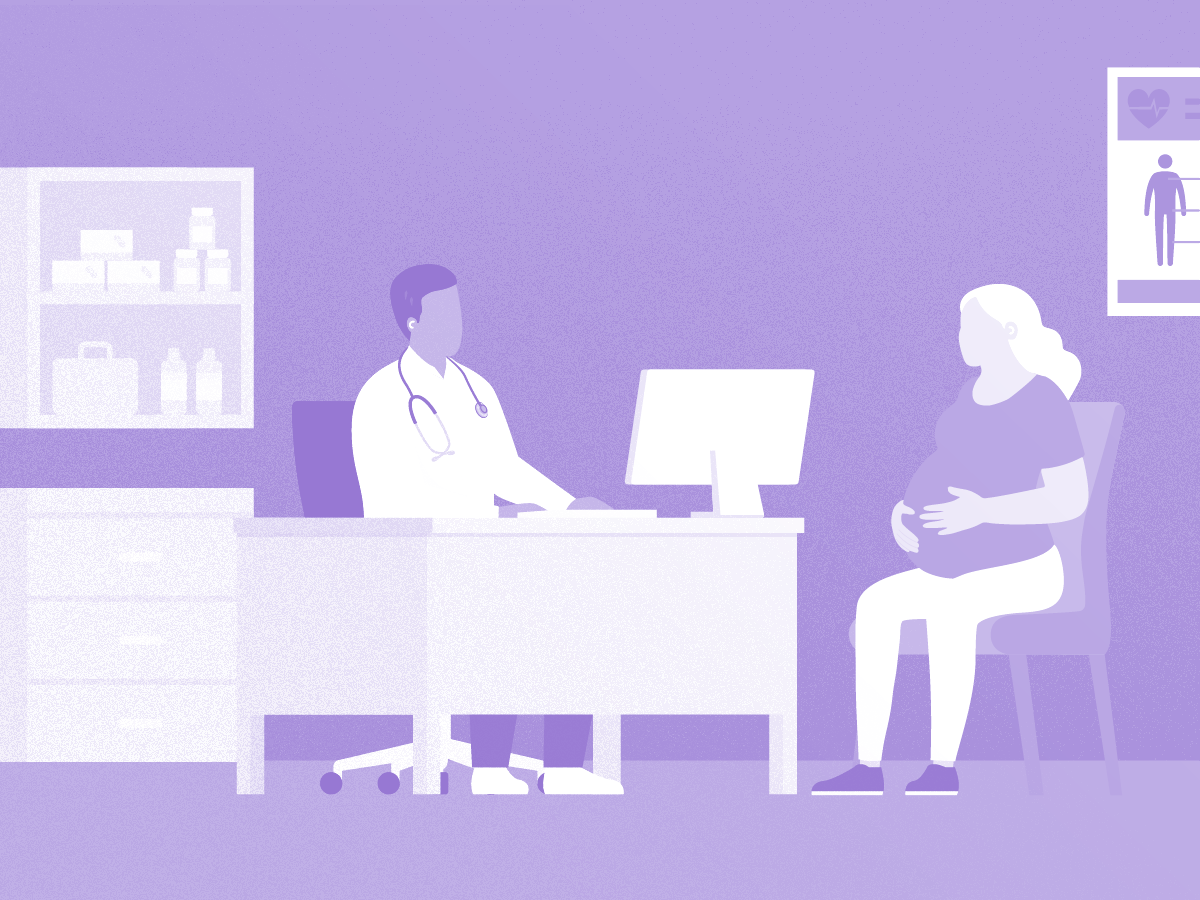 A friendly chat with your GP about your life, health and happiness was once a key part of the UK’s family doctor service. But most GPs no longer have time to have pastoral conversations, because they are too busy dealing with the country’s rising tide of illness, research reveals. Three out of four family doctors are now too time-pressed to talk to patients in depth about how they might stop smoking, lose weight or get more sleep, the Royal College of GPs has found. Intense demands and 10-minute appointment slots mean they also miss opportunities to discuss taking more exercise or review their medications to see if they still need to be on them. An RCGP survey of 2,316 GPs across the UK found that 75% had too little time to offer preventative healthcare, such as offering lifestyle advice and giving advice on vaccinations. The results have raised concern about the government’s drive for the NHS – especially GPs – to do more to prevent people getting ill in the first place. One health expert called them alarming. The college’s president, Prof Victoria Tzortziou Brown, who is a GP in east London, said: “General practice is dealing with enormous demand, so in a busy consultation we inevitably have to prioritise the problems that most need our attention that day. “We will always act on symptoms or findings that need investigation or treatment. What can be squeezed out is the time to step back and look more holistically at how we can help that patient stay well in the long term. “That might mean having a proper conversation with someone who smokes. We will of course advise patients about stopping smoking. But in a busy consultation there may not be enough time to explore in depth whether they want to stop, what has made it difficult in the past, what concerns they have and what support or treatment might work best for them. “It is often the depth of those conversations, rather than simply identifying a risk and giving brief advice, that requires time.” Read full story Source: The Guardian, 27 September 2026
 -
News article
 Ten NHS staff have been removed from duty or suspended after a data breach involving the digital medical records of three-year-old Noah Woods. Launching an "urgent" investigation, Dr Martin Mansfield, deputy chief medical officer at East Suffolk and North Essex NHS Foundation Trust, said that any unauthorised access of patient data was "completely unacceptable". The trust has apologised "unreservedly" to Noah's family and said disciplinary action would be taken if needed. A major search for Noah was carried out in the village of Brantham, Suffolk, after the child went missing on 15 September. His body was found the next day in a nearby pond by police divers. A spokesperson for the trust said 10 employees had been "removed from active duty or suspended whilst investigations are concluded". It comes after Sir Jim Mackey, the chief executive of NHS England, wrote to every trust on Friday, ordering stronger measures to tackle data breaches. "We have seen too many cases of people abusing that trust, and enough is enough," said Sir Jim. "Anyone who thinks they can satisfy their curiosity by looking at a patient's record should know this: they will be found out, they may lose their career and could end up with a criminal record." Read full story Source: BBC News, 27 September 2026
 -
Content Article
 Angela Hayes is a Nurse Fellow and Project lead at the Centre for Sustainable Healthcare, she is also a hub Topic leader. In this 2-minute video Angela explains what climate change has to do with patient safety and how it is putting pressure on healthcare systems around the world. Read the transcript
 -
Content Article
 The General Optical Council (GOC) commissioned Shift Insight to carry out research to explore how commercial practices in primary eye care may affect patient safety, patient experience and the working lives of individual registrants. This work forms part of the GOC’s wider thematic review of commercial practices and patient safety. The research focused on four areas identified by earlier GOC work: booking practices (including overbooking, rolling clinics and ‘ghost clinics’) short sight test times sales targets and incentives price transparency. Fieldwork involved in-depth interviews with four stakeholder groups: Individual registrants – optometrists and dispensing opticians Business registrants – owners, directors and practice managers of GOC-registered optical businesses Non-registered eye care staff – for example, optical assistants Patient representative organisations – Healthwatch, Royal National Institute of Blind People (RNIB), Thomas Pocklington Trust, SeeAbility and Glaucoma UK.
 Last week
-
Philip Korsah joined the community
-
Phoebe Jordan-Walker joined the community
-
Jonny Acheson joined the community
-
Ross Belle joined the community
-
Content Article
 This HSJ article argues that the key lesson from the Thirlwall Inquiry is not simply about accountability for individuals, but about the NHS's repeated failure to properly investigate patient harm when warning signs emerge. The Thirlwall Inquiry exposes a fatal failure to investigate harm. Rebuilding patient safety requires truth, not scapegoating.
 -
Ola Mousa joined the community
-
Community PostThis Human Rights Day (10 December), INQUEST wants to deliver 100 handwritten letters to the Prime Minister calling for an urgent action plan to establish a National Oversight Mechanism. The families we work with all have different journeys in the search for truth and accountability. But they agree: the most important thing is to stop what happened to them happening to anyone else. Too often lessons identified after deaths and disasters do not result in necessary, life-saving change. INQUEST need your help to write, post or hand-deliver 100 letters that make that show why this campaign cannot be ignored. Find out more about how to get involved: https://lnkd.in/e4Xx92DY
-
News article
 The BMA has published a series of “disturbing” reports warning that patient safety is being repeatedly put at risk when those patients are looked after by less-qualified advanced practitioners (APs,) rather than doctors. Earlier this year the BMA revealed that nearly three quarters of doctors reported that advanced practitioners, staff who originally trained as nurses, paramedics, pharmacists, midwives or other professional roles, are routinely replacing doctors in their workplaces. In FOI responses to the BMA, half of hospitals in the UK admitted to using advanced practitioners to cover doctor rota gaps and including these staff on doctors’ rotas. The BMA believes this places staff without the necessary medical training in difficult and inappropriate positions with clear risks to patient safety. With concerns rising over the deployment of advanced practitioner roles, the BMA launched a new tool in January for doctors to share their experiences directly. Doctors have since reported hundreds of patient safety incidents. These include a case where an advanced practitioner failed to arrange vital testing and referral for a child with meningitis and another in which advanced practitioners missed a cancer diagnosis, resulting in a patient “losing out on 6 weeks of time to get her affairs in order before dying.” Responding to the accounts now made public, Dr Tom Dolphin, chair of BMA council, said: “These are shocking accounts of patients being let down by the system. Patients are being put at risk of harm or even death because hospital managers are putting advanced practitioners and others into roles that should be filled by doctors, as this report and multiple inquests suggest. "We have made clear, over and over, that there are times when patients must be seen by a doctor and this testimony lays out why in extensive, excruciating detail. Patients with missed diagnoses, patients with severe conditions given nothing but mild pain relief and sent on their way, and patients facing end of life conditions being offered totally substandard care: they all deserved so much better Read full story Source: BMA, 22 September 2026
 -
Content Article
 Advanced Practitioners (APs) are healthcare professionals deployed in a variety of heterogeneous roles around the NHS; they bring skills and knowledge from their various background professions to their work, and patients can benefit from that experience in the right role. The healthcare team benefits from different perspectives and skill sets being present. However, around the NHS there is wide variation in how AP roles are designed and deployed, what the staff in those roles are expected to do, and who regulates them. The medical profession is increasingly concerned that some APs are being asked to do things that only doctors should be doing. This blurring of roles is often driven by understaffing of medical rotas or misunderstanding of what different professions are for. It leads to risks to patients where critical decisions and interventions that should be made by a doctor are made by others. In response to growing concerns within the medical profession about how NHS employers are utilising and deploying advanced practitioners, the BMA launched a new reporting system in January 2026 to understand its depth and breadth. In April a series of Freedom of Information requests by the BMA revealed that half of hospitals in the UK deployed advanced practitioners to cover doctor rota gaps and included these staff on medical rotas. Those who admitted to directly replacing doctors with differently qualified staff told the BMA, in a series of admissions, that this practice should no
 -
ClaireS joined the community
-
Lisa White joined the community
-
News article
 NHS bodies are forcing people with suspected attention deficit hyperactivity disorder and autism to wait at least two years before they can be assessed as they struggle to meet surging demand for diagnoses of neurodiversity. Four NHS integrated care boards (ICBs) covering large regions of England have adopted the approach because they cannot afford the cost of the number of assessments that people are seeking. Patient groups are warning that the “scandalous” delays such policies involve may damage children’s chances of succeeding at school, deny people the help they need to manage their lives, and increase the risk of suicide. The charity ADHD UK denounced minimum waits as “heartless and dangerous”. In all, 15 ICBs, which between them cover 19 million people, have brought in various ways of rationing assessments for ADHD and autism to try to balance their books. These include limiting the number of assessments the ICBs will pay for in any given year and using “clinical prioritisation” criteria to restrict assessment to those with the most serious signs of neurodiversity. Read full article. Source: The Guardian, 25 September 2026


