

All Activity
Today
-
Przemyslaw Jaczun joined the community
-
Julia Levy joined the community
-
Reshania Naidoo joined the community
-
Stephanie Deane joined the community
-
PaulS joined the community
-
kev shah joined the community
-
Shayma joined the community
-
Adrian Wei Ern Cheang joined the community
-
mzez joined the community
-
News article
.png.0e8485a88df16366d5fab5230e47296c.png) The UK Government has confirmed it will accept all 44 recommendations made by the National Commission into the Regulation of AI in Healthcare, published 10 September, and has set out how they will be delivered across the UK. Alongside the response, the Medicines and Healthcare products Regulatory Agency (MHRA) is opening the call for applications for the third phase of AI Airlock, its regulatory sandbox for AI-enabled medical devices, with testing themes directly informed by the Commission’s recommendations. The Commission concluded that the current regulatory approach must evolve for AI technologies by designing a more proportionate, lifecycle-based framework. The Government's response commits the UK to developing a world-leading agile approach to AI device regulation that supports innovation while maintaining patient safety and public trust. The reforms aim to ensure patients can benefit from safe, effective and trusted AI more quickly, while maintaining robust safeguards as technologies evolve. Among the first steps set out in today’s response, the MHRA is also committed to issue draft guidance by December 2026 on a new approach to managing changes to AI-enabled medical devices as they adapt and improve over time, moving towards a regulatory system that is designed to maintain safety while supporting timely access to innovative devices. The MHRA will also begin next year by consulting on how to qualify and classify AI-enabled devices, the first recommendation of the National Commission. Other commitments include exploring new staged authorisation pathways, allowing promising AI tools to be used in the NHS earlier under close supervision while further real-world evidence is gathered. A full implementation roadmap, setting out timelines and responsibilities across all 44 recommendations, will be published by Spring 2027, with regular progress updates to follow. Read full article. Source: MHRA, 6 October 2026 Related Reading Patient safety and the regulation of AI in healthcare (Patient Safety Learning) Reflections on the National Commission into the Regulation of AI in Healthcare recommendations (Clive Flashman)
The UK Government has confirmed it will accept all 44 recommendations made by the National Commission into the Regulation of AI in Healthcare, published 10 September, and has set out how they will be delivered across the UK. Alongside the response, the Medicines and Healthcare products Regulatory Agency (MHRA) is opening the call for applications for the third phase of AI Airlock, its regulatory sandbox for AI-enabled medical devices, with testing themes directly informed by the Commission’s recommendations. The Commission concluded that the current regulatory approach must evolve for AI technologies by designing a more proportionate, lifecycle-based framework. The Government's response commits the UK to developing a world-leading agile approach to AI device regulation that supports innovation while maintaining patient safety and public trust. The reforms aim to ensure patients can benefit from safe, effective and trusted AI more quickly, while maintaining robust safeguards as technologies evolve. Among the first steps set out in today’s response, the MHRA is also committed to issue draft guidance by December 2026 on a new approach to managing changes to AI-enabled medical devices as they adapt and improve over time, moving towards a regulatory system that is designed to maintain safety while supporting timely access to innovative devices. The MHRA will also begin next year by consulting on how to qualify and classify AI-enabled devices, the first recommendation of the National Commission. Other commitments include exploring new staged authorisation pathways, allowing promising AI tools to be used in the NHS earlier under close supervision while further real-world evidence is gathered. A full implementation roadmap, setting out timelines and responsibilities across all 44 recommendations, will be published by Spring 2027, with regular progress updates to follow. Read full article. Source: MHRA, 6 October 2026 Related Reading Patient safety and the regulation of AI in healthcare (Patient Safety Learning) Reflections on the National Commission into the Regulation of AI in Healthcare recommendations (Clive Flashman) -
News article
 Staff at a trust subject to a statutory inquiry are paralysed by fear, a review has discovered. Essex Partnership University Foundation Trust is under scrutiny by the Lampard Inquiry, which is examining the deaths of over 2,000 services users in the organisation’s care. It began in 2023 and is expected to report by 2028. An external review of how the trust is coping has been undertaken by the King’s Fund and charity brap. This has revealed the impact of the Lampard Inquiry, service pressure, and financial constraints on senior managers, middle managers, and frontline staff. Read full article (paywalled). Source: Health Service Journal, 6 October 2026
 -
News article
 Women across the country will be better supported to spot the signs of breast cancer and know where to turn for help as the UK Government announces its first partnership to help deliver its renewed Women’s Health Strategy. Marking Breast Cancer Awareness Month, the Department of Health and Social Care will partner with the UK’s largest breast cancer charity, Breast Cancer Now, over the next 3 years, giving women practical information to build confidence in checking their breasts, recognising changes, and seeking advice sooner - particularly in underserved areas. It comes as new research from Breast Cancer Now reveals almost a third (29%) of women in England who regularly check their breasts do not feel confident to notice a change, while just over one in 10 (11%) of those checking less than once a month say it’s because they do not know what to look out for. One in 5 (20%) UK adults also say they are not confident they would know where to find trusted information about breast cancer if they had concerns. Women will also be provided with better support after their treatment, including clear information to understand the possible signs of breast cancer returning or spreading and how to live a healthy lifestyle post breast cancer treatment. Healthcare professionals will receive additional training, alongside a practical toolkit for healthcare teams, so they can provide the best possible advice to women adapting post-treatment. Read full article. Source: Department of Health and Social Care, 5 October 2026
 -
News article
 Women report suffering more pain than men, a major new global study has found. That was true for all types of pain the researchers measured, and comes amid continuing concern about the gender pain gap, which means women are less likely to be prescribed the pain relief they need. Researchers from all over the world carried out “one of the largest harmonisation efforts in pain epidemiology to date”. Data was collected from more than 6 million people from 118 countries from 1990 to 2025, and included people from aged five years to more than 100. The research, published in Nature Medicine, looked at how pain, as the leading global cause of disability, was distributed both around the world and across the human lifespan. It found women’s self-reported pain across 11 bodily sites – head, face, neck or shoulder, foot or ankle, hand or wrist, elbow, chest, back, stomach or abdomen, hip and knee – was higher than for men. Read full article. Source: The Guardian, 5 October 2026
 -
News article
 Ten mental health trusts have been reported to the health regulator after problems with patient consent procedures when monitoring patients using camera technology. The issue emerged during the latest hearings of the Lampard Inquiry, which is examining the deaths of more than 2,000 people who spent time in mental health units in Essex between 2000 and the end of 2023. The infrared technology is used in patients' bedrooms and can monitor breathing and pulse without staff having to enter the room. NHS England told the inquiry it had passed information to the Care Quality Commission (CQC) after reviewing the use of digital monitoring systems, including Oxevision. Read full article. Source: BBC News, 6 October 2026
 -
Content Article
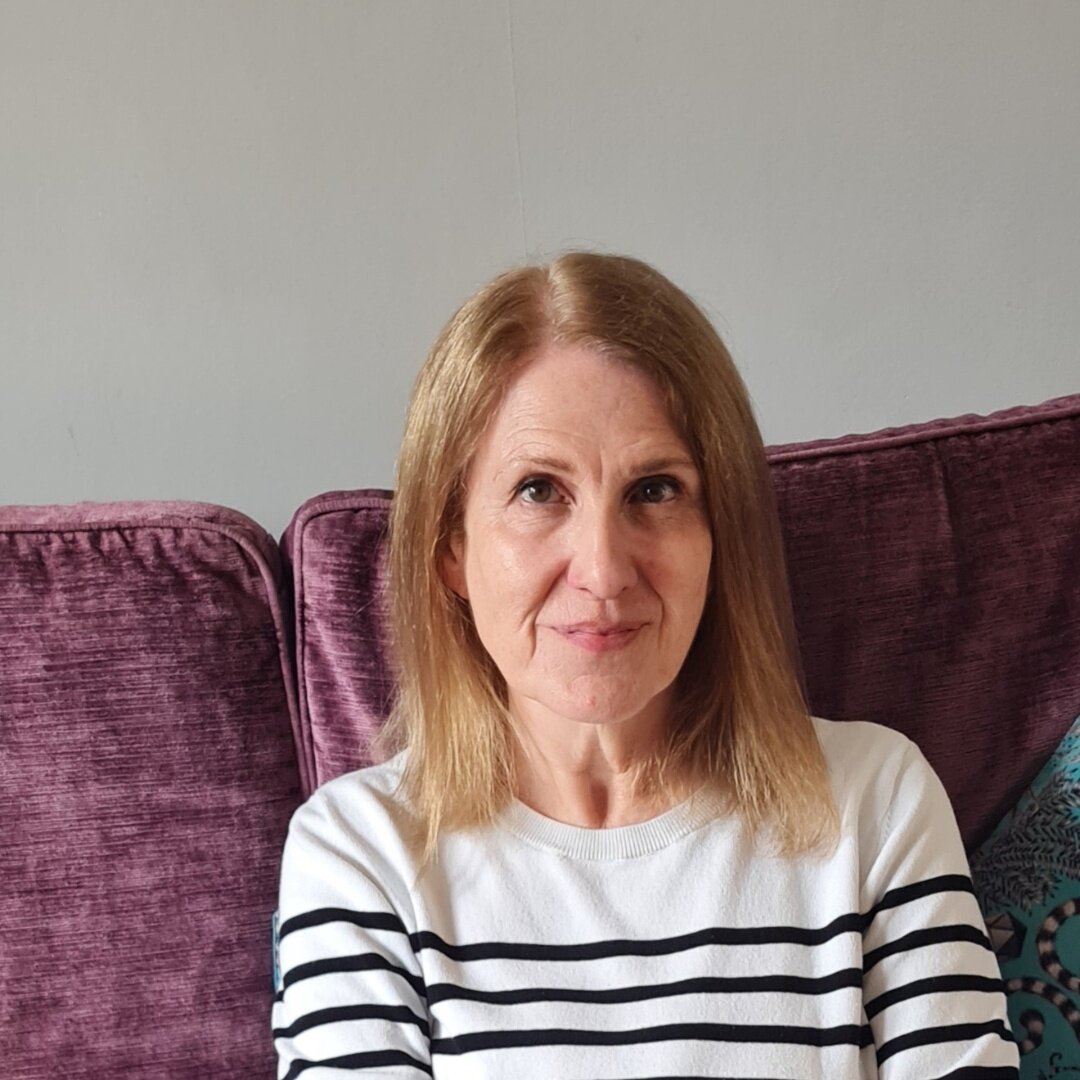 In this opinion piece, Julie Gould draws attention to the side effects of the dopamine agonists she was prescribed for restless legs syndrome. She says that GPs are failing to warn and monitor patients about the serious and often under-recognised behavioural and psychological side effects of dopamine agonists, including augmentation and impulsive control disorder. Julie has set up the Dopamine Agonist Action Group with three fellow activists whose lives have been affected by dopamine agonists, calling for improved communication around the risks and better support for sufferers.
 -
Content Article
 World Patient Safety Day 2026, celebrated on 17 September, focused on safe care for non-communicable diseases, encouraging communities, healthcare practitioners, organisational leaders and policymakers to work together to tackle patient safety challenges and reduce harm for people living with long-term conditions. The six NIHR Patient Safety Research Collaborations are committed to improving patient safety and addressing health inequalities, including the challenges faced by people living with non-communicable diseases. Explore some of the ways in which NIHR PSRCs are helping to improve patient safety and health outcomes for people living with non-communicable diseases.
 -
Content Article
 Artificial intelligence (AI) technologies are being rapidly adopted in healthcare, yet organisational governance often lacks the processes needed to oversee their safe and responsible use. Previous AI governance frameworks largely focus on high-level AI ethics principles, leaving healthcare organisations struggling to translate these principles into practice, assess risk and embed AI oversight into existing processes. This study published in BMJ Digital Health and AI aimed to develop and validate a practice-oriented AI governance framework for healthcare organisations. The framework provides healthcare organisations with a structured approach to assessing, governing and monitoring AI systems throughout their life cycle and may support the safe and responsible adoption of AI in practice. Further research is needed to evaluate the framework across diverse healthcare settings and emerging AI technologies, including generative and agentic AI.
 Yesterday
-
Content ArticlePatient Safety Learning posted an article in Australian Commission on Safety and Quality in Health Care
 Posters are an effective infection prevention and control (IPC) education tool, particularly in resource- limited healthcare settings without dedicated IPC teams, such as aged care settings. The Australian Commission on Safety and Quality in Health Care has released new standard and transmission-based precautions posters to support infection prevention and control (IPC) within aged care.
 -
News article
 US Health Secretary Robert F. Kennedy Jr. last week told attendees at the Make America Healthy Again Summit that artificial intelligence could help address key health issues and can offer a “better-informed” second opinion than doctors, as the prominent vaccine sceptic once again railed against public health experts and COVID-era response strategies. Speaking to Vice President JD Vance in a “fireside chat” to close out the MAHA summit, Kennedy argued AI offers the capacity to solve the “most daunting public health problems that are otherwise existential.” Touting AI’s ability to digest thousands-page-long medical records, Kennedy claimed it can give you “a second opinion that is much better informed than any doctor in the country.” Kennedy said another change he expects AI to bring is that health policymaking will never again be dominated by public officials “who tell us ‘Trust the experts.’” Kennedy said every American will be able to check their own medical advice and argued that AI had the capacity to “free us from medical tyranny.” “If somebody tells you, ‘Masks work, trust the experts,’ A.I. may tell you otherwise. If somebody tells you, ‘Social distancing works, trust the experts,’ A.I. may correct that. And if somebody tells you that a vaccine will prevent transmission and infection, or you need to take it to protect your grandmother, A.I. may say it actually doesn’t do that,” Kennedy said. Read full story Source: Forbes, 1 October 2026
 -
News article
 The “concentration” of electronic patient record systems under a relatively small number of suppliers has increased the risk of highly damaging cyber attack, a government review has concluded. The Department of Health and Social Care’s Gateway review of NHS England’s Frontline Productivity programme reported “EPRs and their hosting/supplier dependencies present concentration and cyber risks”, and this “may warrant” their designation as “critical national infrastructure”. The review, which has been seen by HSJ, says responsibility for the cyber risks posed by EPR concentration was “fragmented” and that there was “material uncertainty” over how an attack might be prevented and responded to. The gateway review said it was “essential” that NHSE “publish minimum cyber security requirements for EPRs and clarify cyber risk ownership”. Read full story (paywalled) Source: HSJ, 5 October 2026
 -
News article
 The chair of a public inquiry into mental health deaths said she would make interim recommendations if she identified issues that "might pose an urgent risk to patient safety". Baroness Kate Lampard is examining the deaths of more than 2,000 people who died while under the care of Essex mental health services between 2000 and the end of 2023. The Lampard Inquiry will hear further evidence during hearings beginning on 5 October before deciding whether recommendations were needed ahead of a final report, Baroness Lampard said. Any recommendations were expected to focus on inpatient safety, including resuscitation procedures and monitoring technology used to detect patients in distress. "Those two matters are not specific to Essex and therefore the evidence the inquiry hears will be of relevance to service providers across the entire country," Baroness Lampard said. "It may carry implications for the care and treatment provided on all mental health units." One system under examination as part of the inquiry is Oxevision, which can take footage, record breathing and pulse rates and is used by a number of NHS mental health trusts in England. Concerns have been raised about privacy, dignity and whether the technology could be used as a substitute for face-to-face care. Tammy Smith, whose daughter Sophie Alderman died in 2022, previously told the inquiry: "It actually takes away human interaction. They are at their most vulnerable. "They need those conversations. They need someone to ask, 'Are you OK? Do you need anything?' We all need that." Read full story Source: BBC News, 5 October 2026
 -
News article
 Every ambulance trust in the south of England is missing the national category 2 response target so far this year, while all three northern trusts are inside it after a more sustained recovery. The national target for 2026-27 is an average response of 25 minutes for category 2 calls, which include suspected strokes and heart attacks. NHS England data for April to August shows a national average of 29 minutes, almost a minute slower than in the same months last year. North East Ambulance Service Foundation Trust (19m 13s), West Midlands Ambulance Service University FT (20m 42s), Yorkshire Ambulance Service Trust (24m 13s), and North West Ambulance Service Trust (24m 22s) are all under 25 minutes for the year to date. However, those figures do not yet include winter. NWAS was at 24m 26s at the same point last year and finished 2025-26 on 27m. South Western Ambulance Service FT (38m 41s), South Central Ambulance Service FT (32m 8s), London Ambulance Service Trust (31m 24s), and South East Coast Ambulance Service FT (27m 26s) are all outside the target, as are East Midlands Ambulance Service Trust (33m 59s) and East of England Ambulance Service Trust (32m 47s). The gap has widened over the past year. South Central, South Western, and London were slower in April to August than in the same months of 2025, by 4m 40s, 4m 14s, and 1m 52s respectively, while NEAS and Yorkshire both improved by more than a minute. Read full story (paywalled) Source: HSJ, 5 October 2026
 -
Content Article
 Maximising the value of AAR means getting answers to both parts of the fourth AAR question: “What have we learned?” and “What might we do with this learning? Yet the list of actions arising from an AAR can become needlessly long and this can both reduce the likelihood of the actions being completed and could add meaningless activity into an already over burdened system. In edition 16 of her newsletter, Judy Walker reflects on how the last part of an After Action Review (AAR) should not be to add more unnecessary steps on the patient pathway or commit to new activities that have little evidence for their efficacy. It should instead focus on a few actions that will have real impact and to make recommendations for others higher up the chain of command to be responsible for assessing.
 -
Content Article
 In this blog, hub topic lead Aditi Desai considers whether retrospective inquiries alone are enough to improve maternity safety, arguing that individual errors rarely explain the full picture. Aditi explores how systems thinking and human factors expertise can reveal the pressures, interactions and everyday working practices that create hidden risks across maternity services. She calls for the considerable energy currently devoted to investigating harm to go towards designing safer maternity systems before the next incident occurs.
 -
Content Article
 Over 100,000 women in England were implanted with pelvic mesh. Thousands were left with life-changing injuries. The company now selling it says its mission is to reach one million women by 2027. Kath Sansom has spent a decade fighting for the women mesh harmed. Her friend Gail is one of them. This is their story, and the story of a device that was never designed to come out. If you have been affected by mesh, fSling the Mesh is a support and campaign group run by women who have been through it: https://slingthemesh.co.uk/
 Last week
-
Content Article
 Mental Health Awareness Week is an annual event which aims to raise awareness and promote open conversations about mental health. In this Top picks, we’ve pulled together resources, blogs and reports from the hub that focus on improving patient safety across different aspects of mental health services and also supporting staff with their own mental health and wellbeing.
 -
Content Article
 To celebrate World Patient Safety Day’s 2026 theme “Safe care for noncommunicable diseases”, the BMJ Quality & Safety Journal speak with Professor Jose Valderas about the importance of patient engagement in delivering safer care. Professor Valderas is an academic family physician and Director of the Centre for Research in Health Systems Performance at the National University of Singapore. He is also the current lead for research at the World Organisation of Family Doctors (WONCA). He has led the development of tools to measure patient experience and outcomes, such as PREOS-PC and PaRIS-PQ, and has co-ordinated work with the World Health Organization (WHO) on patient engagement to promote safer care in primary care.
 -
Content Article
 Every clinical leader knows that healthcare depends on communication. We can diagnose accurately, prescribe appropriately, and design the best possible care plan – but if the patient cannot read, understand or act on the information we give them, our care has fallen at the first hurdle. Accessible communication isn’t an administrative bonus – it is a core clinical duty that directly impacts patient safety, dignity and NHS efficiency. Using the example of appointment letters arriving in standard print, with faded font making it difficult for blind and partially sighted patients to read. Medication instructions too small . Crucial information about treatment and care, sometimes in life-or-death moments, being handed to people in a way they can’t read. Dr Oscar Duke shares steps healthcare leaders can take right now which would go a long way in improving patient experiences and outcomes.
 -
Content Article
 In this HSJ article, Jaymit Patel argues that the crisis in NHS dentistry is not simply a funding problem but a consequence of a capped system that already rations care through geography and persistence rather than need. He suggests moving away from repeated tweaks to the dental contract and instead adopting a phased package of reforms, including risk-based recall intervals, greater use of pharmacies, therapists and hygienists, automatic charge exemptions, water fluoridation and, potentially, a regulated dental insurance model for higher earners.
 -
News article
 A mental health trust in east London, where a man was killed by a fellow patient, has been warned further deaths may occur unless staff issues are addressed. Hugo Flint Cahan, 34, was strangled by 22-year-old Rolando Torres-Pena at Newham Mental Health Centre, which provides care for acutely mentally ill men, in January 2023. The coroner has sent a report to the Trust and NHS England raising serious concerns about the care the two men received. It follows a six-day inquest in September during which the senior coroner for east London, Graeme Irvine, concluded that neglect had more than trivially contributed to Cahan's death. On the night of Cahan's death, staff on the ward were found to have been asleep on the job and on their phones for long periods. East London NHS Foundation Trust (ELFT) says the failings identified were "wholly unacceptable" and that it has undertaken a "significant programme of work" to improve inpatient services. The coroner's Prevention of Future Deaths report highlights 14 concerns. These include failing to carry out "timely and thorough observations" of patients, then falsifying records "in the safe knowledge that staff on duty would not report or escalate the deception". The document also says there were delays in starting CPR on Cahan when he was discovered, that staff misled the police as to what the patients had been doing on the night of the incident, and that staff colluded with each other to take two-hour unauthorised breaks. Read full story Source: BBC News, 2 October 2026
 -
News article
 NHS England intends to “improve operational grip” on GP performance and has warned it may lead to “contractual action”. NHSE board papers reveal it is introducing “a range of actions” designed to “strengthen” its confidence in improved primary care performance. The actions include: “Agreeing local improvement trajectories and recovery plans where required; [and] disseminating best practice from high performers.” Individual practices will receive “tailored letters” detailing their performance and stressing the “potential for contractual action” should they fail to meet required standards. The 2026-27 GP contract requires practices to deal with all patients they identify as being clinically urgent on the same day. NHSE has set a national target of 90%, first announced in the medium-term planning framework in October 2025. The subsequent neighbourhood health framework said the NHS aimed to achieve this by March 2027. No integrated care board area is currently reaching the target. Practices themselves decide which patients are clinically urgent. NHSE guidance says this is “a prospective judgement made on the basis of the information available at the point of first assessment”, rather than a retrospective one. Read full story (paywalled) Source: HSJ, 2 October 2026
 -
Content Article
 The Patients Association hear often from patients and their loved ones that the care they receive is not what they had hoped for, that something has gone wrong, or that they are now unsure where to go from there. In this blog the Patients Association reflects on the slogan ‘Safe care for life’ for this year's World Patient Safety Day.
 -
Content Article
 Doug Woodcock and Marieke Emonts share Newcastle upon Tyne Hospitals' Family Health Board governance improvement journey.
 -
News article
 NHS England’s internal whistleblowing champions have raised concerns that the organisation is bringing in staff “without due process”. The body’s Freedom To Speak Up annual report, to be discussed at its board meeting today, highlighted concerns that individuals were being appointed “without any formal process or job description, which the [FTSU] panel escalated to HR for investigation and response”. It added: “The panel remained concerned about the level of corporate assurance relating to awareness of these workers, and the impact on existing teams of bringing them into NHSE without due process. As such, the panel viewed this as a governance matter that should be visible to the board.” NHSE introduced a “consistent route” for recording new joiner details in summer, the report said. The FTSU report for 2025-26, by chief operating officer and FTSU lead Sarah-Jane Marsh, also found: Staff facing “bullying, harassment, or psychological abuse” from their managers and a “lack of support” from leaders when they speak up. Concerns raised about “adherence to HR policies”. Leaders’ engagement with FTSU had “notably reduced” following the announcement NHSE would be abolished. Read full story (paywalled) Source: HSJ, 1 October 2026 Further reading on the hub: Speaking up for patient safety: A new interview series about raising concerns and whistleblowing Key themes emerging from our ‘Speaking up for patient safety’ interview series


.png.0e8485a88df16366d5fab5230e47296c.png)


