

All learn
Showing articles.
Today
-
Content Article
 Medical assistance in dying (MAID) is a process where cognitively competent adults, suffering from a terminal illness, yet alive in the final six months of life expectancy and capable of making their own healthcare decisions, may choose to end their lives with assistance from their doctors. In the first of two commentaries, Dan Cohen, an international consultant in patient safety and clinical risk management, and a Trustee for Patient Safety Learning, considers whether MAID aligns with the goals of healthcare and the foundational principles of biomedical ethics. *Content warning* Some of the themes included in this blog people might find upsetting.
-
Content Article
 What does it really feel like to try to make healthcare better? 100 Voices: How Better Feels shares honest conversations about the human side of improving healthcare and the things we don't talk about often enough. These aren't polished success stories. They're real experiences of trying to improve care: making healthcare safer, improving people's experiences, challenging how things are done and learning what really helps change happen. You'll hear about the doubts and courage, mistakes and learning, setbacks and moments of hope that sit behind healthcare improvement, quality improvement, patient safety, patient experience, healthcare leadership and change. If you care about making healthcare better, these stories are for you. You might work in the NHS or another health system, be involved in quality improvement, patient safety or healthcare leadership, bring your own experience as a patient, carer or family member, or simply be curious about how change really happens. Because improvement isn't only something we measure. It's something we experience.
-
Content Article
 Consent is a process of communication and shared decision-making, where patients should have the information they need to make a genuine and informed choice about their care. Patient consent is given, not taken. And is much more than just signing forms and saying yes. This webinar from the Patients Association in partnership with Radar Healthcare explored what meaningful consent looks like in practice, for both patients and healthcare professionals. It considered the difference between simply agreeing to something and giving informed consent, what information patients should expect to receive, and how healthcare professionals can support people to ask questions, express concerns and make choices that are right for them. It also explored consent as an ongoing process rather than a one-off event, including what happens when circumstances or preferences change. The webinar considered how we can move away from consent being treated as a form or tick-box exercise and towards a culture where patients feel able to speak up and where healthcare professionals genuinely listen.
Yesterday
-
Content Article
 The General Optical Council (GOC) is undertaking a series of thematic reviews to support delivery of their strategic objective to ‘prevent harm through agile regulation’. The first thematic review, carried out during 2025-26, looked at commercial practices and patient safety in eye care services.
-
Content Article
 Natasha Swinscoe, Network Chief Officer Lead for Patient Safety, explores how Patient Safety Collaboratives are supporting maternity and neonatal teams to help strengthen safety culture through the Perinatal Culture and Leadership Programme.
-
Content Article
 This blog provides an overview of a discussion at a Patient Safety Management Network (PSMN) meeting on Friday 23 October 2026. At this session members shared their views and experiences on the implementation of the Patient Safety Incident Response Framework (PSIRF). The PSMN is an innovative voluntary network for patient safety managers and everyone working in patient safety. It has over 2,500 members from more than 650 different organisations. Created by and for people working in patient safety, it provides a weekly drop-in session with guests to talk through issues of importance, offers peer support and creates a safe space for discussion. You can find out more about the network here.
-
Content Article
 This is the fourth and final Health Services Safety Investigations Body (HSSIB) report in a series considering the self-administration of insulin by people with diabetes mellitus (diabetes) in community settings. This report focuses on the availability and design of diabetes technologies and insulin pen devices. It also shares findings from across the series of investigations and identifies learning to inform strategic plans for supporting patients in community settings. Many people with diabetes administer their own insulin to manage their blood sugar levels, either by injection or using an insulin pump. However, a disability or impairment may affect someone’s ability to safely administer their own insulin if they are not supported. This can lead to short-term and long-term health problems, which can be life threatening. Across this series of investigations, HSSIB identified patient safety incidents in which people with diabetes requiring insulin, who also had disabilities or impairments, were harmed when they were not supported to administer their insulin safely.
Last week
-
Content Article
 This paper, published in Advances in Simulation, describes how a single site used simulation-based clinical systems testing during pre-opening operational-readiness work for a newly expanded emergency department, integrating quality improvement methods and human factors frameworks to find problems before real patients encountered them.
-
Content Article
 In a blog to mark Learning Disability Nurses' Day on 1 November, Professor Ben Thomas highlights why this specialist profession is safety-critical. He sets out how Learning disability nurses are indispensable to safe, equitable and person-centred care and why sustained investment is needed to secure the roles future.
-
Content Article
 The Patient and Client Council (PCC) is an independent statutory body in Northern Ireland that represents the interests of patients, service users, carers and communities in relation to health and social care. This Casebook showcases the work of PCC Support Service and demonstrates the range of issues they supported in 2026. It highlights how independent, professional advocacy can positively impact on people’s lives; helping them to have their voice heard, uphold their rights and address inequalities.
-
Content Article
 This annual report contains information on: NHS England’s work this year and their achievements and challenges how they have performed against their priorities board members and governance financial statements for 2025 to 2026
-
Content Article
 The Maternity and Newborn Safety Investigations (MNSI) programme annual report highlights a year of activity aimed at improving maternity and newborn safety for women, babies, and families across England. Between April 2025 and March 2026, MNSI completed 618 investigations and made more than 1,300 safety recommendations.
-
Content Article
 This report by the UCL Institute of Health Equity (IHE), based on the Collaboration for Health Equity in Scotland (CHES), explains why progressive policies have not closed the country’s large health gap and makes recommendations about what needs to change covering the structural drivers of poor health and the implementation landscape. CHES is a partnership between Public Health Scotland, the IEH and three collaborating places: Aberdeen City, North Ayrshire and South Lanarkshire.
-
Content Article
 With the NHS App set to become the “digital front door” to the NHS by 2028, this report from the All Party Parliamentary Group (APPG) on Eye Health and Visual Impairment considers how accessible the NHS App and wider digital health services are for people who are blind or partially sighted. It draws on a stakeholder survey carried out earlier this year and the parliamentary Oral Evidence Session on 30th June, chaired by Marsha De Cordova MP. It shows that when health information is not accessible, blind and partially sighted people are put at risk, making this a patient safety issue.
-
Content Article
 The Medicines and Healthcare products Regulatory Agency (MHRA) regulates medicines, medical devices and blood components for transfusion in the UK. This five-year strategy sets out how they are seeking to modernise regulation in response to rapid advances in science, technology and global healthcare.
-
Content Article
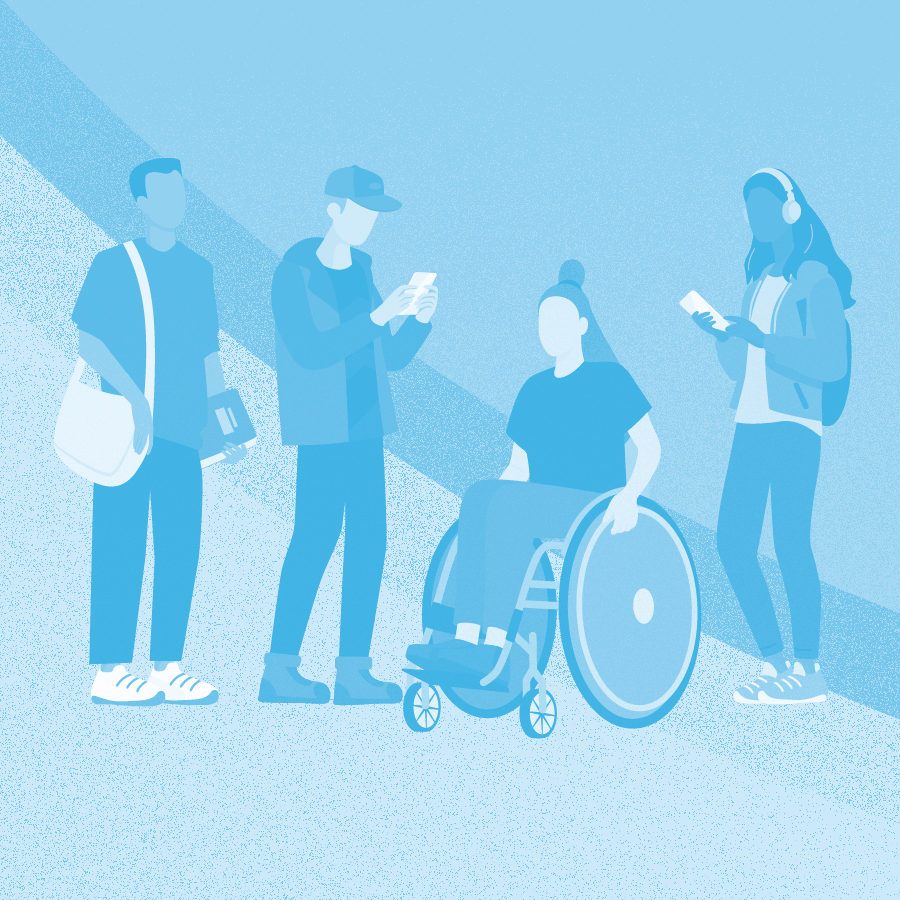 This article explores the importance of language in healthcare as a matter of patient safety, highlighting the work of Fundació Puigvert, a hospital in Barcelona, to promote the use of Catalan through its 2026–2030 Language Management Plan. It makes the case that patients need to be able to communicate in their preferred language to ensure they are properly understood and receive appropriate care. The Language Management Plan will create a network of language advocates and record the patient’s preferred language in their medical record.
-
Content Article
 The UK Government is proposing that high-risk cosmetic and wellbeing procedures, including cosmetic surgery and certain injectable and laser treatments, should only be carried out by specified, qualified healthcare professionals. Under the proposals, such procedures could only be performed by doctors, dentists and independent prescribing nurses, midwives or pharmacists. Cosmetic surgery, including the liquid Brazilian butt lift, would be restricted to doctors only. Procedures would also be restricted to people aged 18 and over, with exceptions for NHS provision or where a healthcare professional is treating a medical condition. They are consulting on: whether you agree or disagree with these proposals which procedures and professional groups should be included what effect the changes would have on you, your business or the people you work with This consultation closes at 11:59pm on 13 January 2027.
-
Content Article
 Dr Joe Farmer tells us how an encounter with a rude consultant led to him and Dr Chris Turner in 2016 setting up Civility Saves Lives. He explains how they have created a movement that is evidence based, people focused and dynamic, with one thing in mind—improving workplace behaviours in a way that ultimately improves patient outcomes.
Earlier
-
Content Article
 The Medicines and Healthcare products Regulatory Agency (MHRA) regulates medicines, medical devices and blood components for transfusion in the UK. This roundup provides a summary of their latest safety advice for medicines and medical device users. It includes details of medicine recalls, medical device field safety notices and details of how to report drug reactions and device incidents.
-
Content Article
 Gloria Monte died on 2 May 2025, at the City Hospital, Nottingham, as a result of cancer. There was a delay in diagnosing Gloria’s cancer of approximately one-year. She had initially attended the emergency department (ED) following a fall in February 2024, where a nodule was discovered on her lung which she was told could be a primary lung tumour. The nodule was not subsequently investigated. Gloria attended her GP in February 2025 with chest symptoms. She was treated with antibiotics but when she failed to improve, her GP arranged an admission to hospital. There, chest imaging showed findings suspicious of lung cancer and comparison with the February 2024 imaging led to the conclusion that the nodule noted the year prior probably was cancer. In their findings the Coroner states that if diagnosis had been achieved as expected in 2024, Gloria would have been counselled on the available treatment options. If she had accepted those options, it is possible that she may have lived for longer than she in fact did, but the Coroner has been unable to determine whether her life would probably have been extended because there are many variables to the success of, and side effects of, cancer treatment.
-
Content Article
 In this short video, Chief Medical Officer for The UK Sepsis Trust, Ron Daniels explains how and why sepsis can have an disproportionate impact on vulnerable populations. Read the transcript
-
Content Article
 The NHS complaints system should provide answers, accountability, learning and resolution to all areas of service concern, including when care goes wrong. Avma supports people affected by avoidable medical harm and sees first-hand how an effective complaint response can meet patients’ needs and, in some cases, reduce the call for alternative, more complex and costly routes such as litigation. Too often, however, patients and families encounter delay, fragmentation, defensiveness, poor communication and complaint responses that do not answer their questions or show what has changed. The purpose of this paper is to use Avma’s unique insights to help improve complaints handling in support of those who are avoidably harmed. In summary, AVMA are calling for a remodified NHS complaints system based on eight key principles.
-
Content Article
 In this blog, Stephanie O’Donohue, patient advocate and Founder of TIGER UK, shares the findings from their recent survey on experiences of vaginal access procedures. She explains why patient experiences and insights are critical to service improvement, and how collaborative work can really make a difference moving forward.
-
Content Article
 At Patient Safety Learning we believe that sharing insights and learning is vital to improving outcomes and reducing harm. That’s why we created the hub; providing a space for people to come together and share their experiences, resources and good practice examples. We have collated 17 resources relating to men's health, including information about male cancers, men's mental health, how to engage men earlier and insights around the impact of traditional ideas of masculinity on patient safety.
-
Content Article
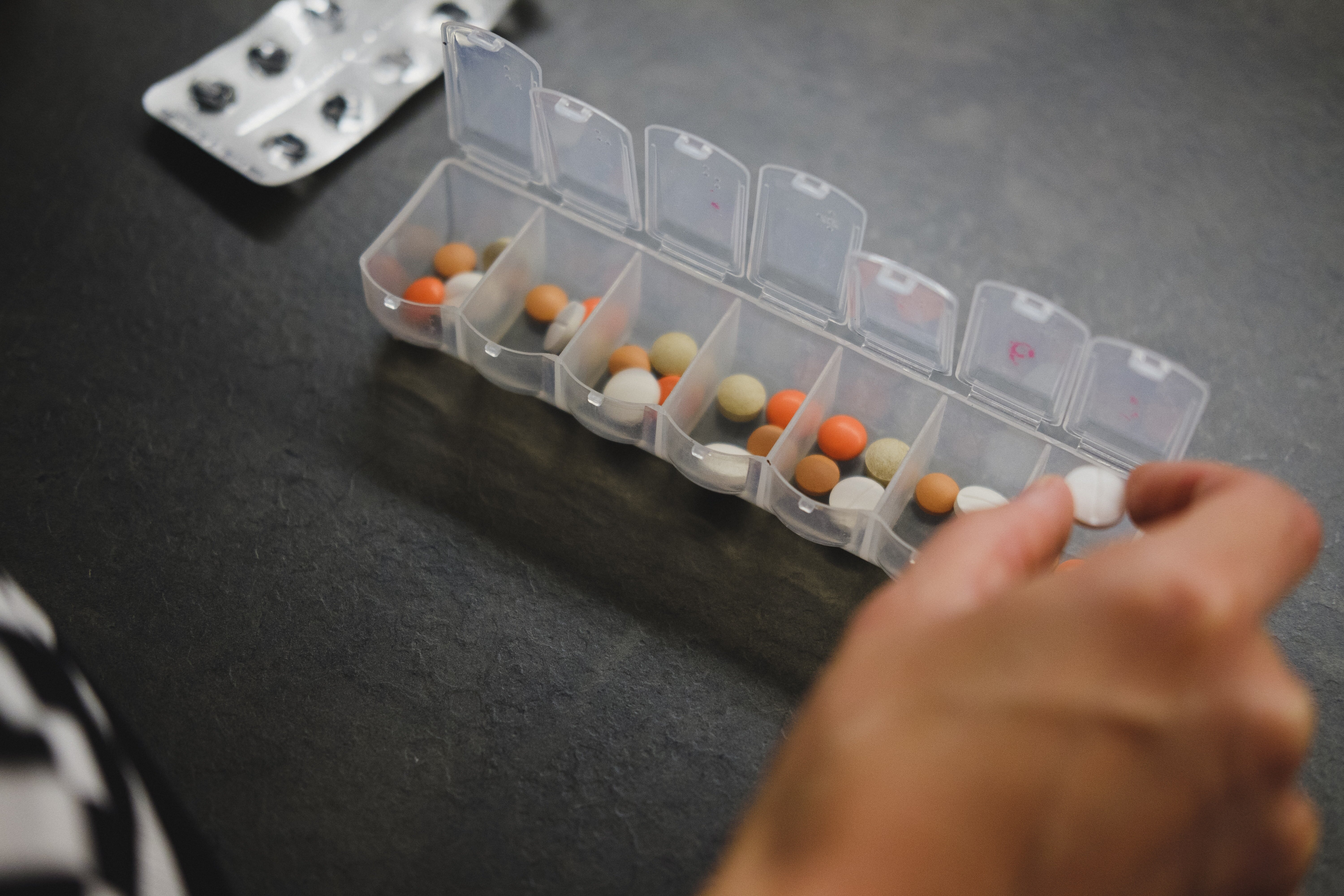 Unsafe medication practices and medication-related harm are one of the leading causes of avoidable harm in health and care. The Medicine and Healthcare products Regulatory Agency (MHRA) annual #MedSafetyWeek campaign is taking place from 2 to 8 November 2026 to promote the importance of reporting side effects from medicines and medical device incidents. This year's theme is ‘Side effects: don't ignore them, report them!’ We have collated patient interviews and blogs shared on the hub that raise awareness of medication adverse reactions, and resources on how you can report a problem.


