


Patient_Safety_Learning
PSL Moderators
-
Joined
-
Last visited
-
Content Article
 In this 2 minute video, Chief Medical Officer for The UK Sepsis Trust, Ron Daniels explains how antibiotics can enter your food chain, and how this is having an impact on sepsis and antimicrobial resistance. Read the transcript
 -
Content Article
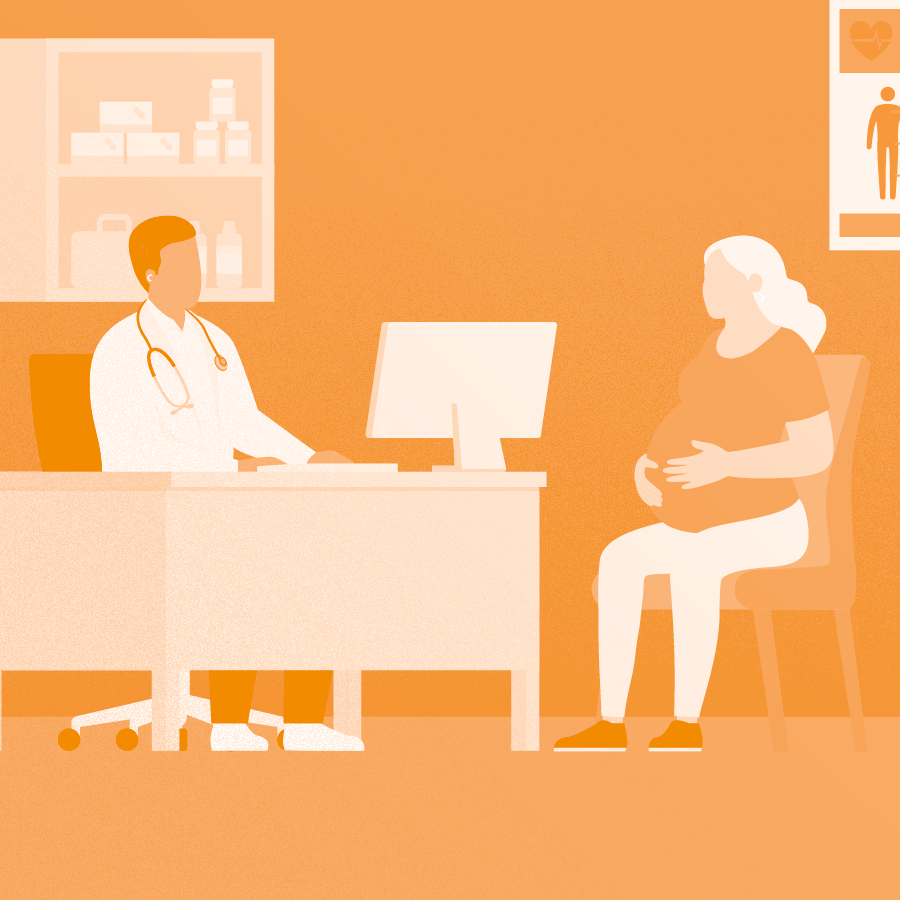 The Patients Association hear often from patients and their loved ones that the care they receive is not what they had hoped for, that something has gone wrong, or that they are now unsure where to go from there. In this blog the Patients Association reflects on the slogan ‘Safe care for life’ for this year's World Patient Safety Day.
 -
Content Article
 In this blog for World Patient Safety Day 2026, Kim Ball, Jane Ball and Rose Gallagher share what this year's theme means to nursing from their perspective, through the lens of prevention, safe staffing, and sustainability.
 -
Content Article
 To mark World Patient Safety Day and the 2026 theme of ‘Safe care for noncommunicable diseases’, the Royal College of Surgeons of Edinburgh (RCSEd) has produced a series of blogs. Operating as One to Deliver Safe Care for Life Focus on Rare Congenital Conditions Transforming Transition & Lifelong Outcomes Safety Hurdles of the Head and Neck Cancer Pathway - Safe Care Strategy Safe Surveillance is a Systems Issue Patient Safety in Cardiac Surgery is a Team Game Patient Safety in Major Joint Replacement Surgery How Could You Have Forgotten My Catheter Doctor, I Haven't How Metabolic Bariatric Surgery is Changing How We Can Prevent, Repair and Learn
 -
Content Article
 In this blog for the Parliamentary and Health Service Ombudsman, Paula Sussex writes about World Patient Safety Day. She says it is an opportunity to reflect on how we can make healthcare safer for everyone, and the importance of meaningful engagement with patients and families throughout their healthcare journey.
 -
Content Article
 This guide from Taluvu looks at how to prepare for a GP appointment when there is a lot to explain. It covers: choosing the three things you would hate to forget gathering what you already know writing it down before you go rather than in the waiting room what to say in the first minute what to do if the words go and what to ask before you leave the room.
 -
Content Article
 People living with non-communicable diseases (NCDs) often require continuous, long-term care. However, in humanitarian contexts, conflict, displacement and other obstacles can disrupt access to healthcare. This complicates chronic disease management and compromises patient safety. In 2025, Doctors Without Borders/Médecins Sans Frontières (MSF) conducted 264,711 medical consultations for people with hypertension and 219,982 consultations for people with diabetes. In this blog we hear more about this work.
 -
Content Article
 TIGER UK is a not-for-profit community interest company (CIC) set up to help improve experiences of gynaecological care and procedures. It stands for Together Improving Gynaecology Experiences and Research. This report shares the first findings from TIGER UK’s community survey on experiences of vaginal access procedures. More than 700 people responded, providing valuable lived experience insight. Key findings Pain and support 59% of respondents had experienced severe pain (7/10 or above) during a vaginal access procedure. Experiences of severe pain were reported for all but one of the 21 procedures listed. Prevalence of severe pain was highest in hysteroscopy, endometrial biopsy and IUD insertion. Nearly half (47%) of those who experienced severe pain said they did not feel appropriately supported by healthcare staff. Preparation and consent 44% of respondents who had experienced severe pain said staff had explained beforehand that they might experience pain, while more than a third (35%) said they had not been prewarned. Among those who had experienced severe pain and had been warned about the possibility of pain, 62% said the description they received did not reflect the intensity of the pain they actually experienced. Half of the respondents (50%) said that something unexpected had happened during a vaginal access procedure. 44% said they had always felt able to stop a procedure at any point, while more than a third (36%) said they had not. Emotional impact, adjust
 -
Content Article
 This video learning resource from from the Health Services Safety Investigation Body (HSSIB) resource is aimed at people with roles in healthcare safety investigation, including investigation, commissioning, oversight and involvement. By the end of this resource, you will be able to: Describe the skills, knowledge and attributes of a professional healthcare safety investigator. Identify a competency framework for healthcare safety investigators. Evaluate the enablers and barriers to professionalising the role of healthcare safety investigators.
 -
Content Article
 This video learning resource from the Health Services Safety Investigation Body (HSSIB) is aimed at people with roles in healthcare safety investigation, including investigation, commissioning, oversight and involvement. By the end of this resource, you will be able to: Explain why effective involvement is fundamental for a high-quality safety investigation. Discuss barriers and enablers for the effective involvement of all those affected. Evaluate organisational readiness to support effective involvement.
 -
Event
until
A national week of campaigns, conversations, community, learning and action focused on the mental health and wellbeing of Black mothers across the UK. Join mothers, grassroots organisations, charities, healthcare professionals, researchers, policymakers and communities throughout the week. Organised by The Motherhood Group. Read the full programme and register for events -
Content Article
 Pregnancy and the weeks after birth are often portrayed as exciting and joyful. While that is true for many families, it's also a time when serious health complications can occur. One of the most dangerous—but least talked about—is maternal sepsis. Although maternal sepsis is a leading cause of maternal death worldwide, many people have never heard of it. Amy Breslin is a Manchester-based midwife and Maternity Consultant for the UK Sepsis Trust. In this interview, she explains what maternal sepsis is, the huge impact it has both globally and for the individuals affected, and how we can improve outcomes.
 -
Content Article
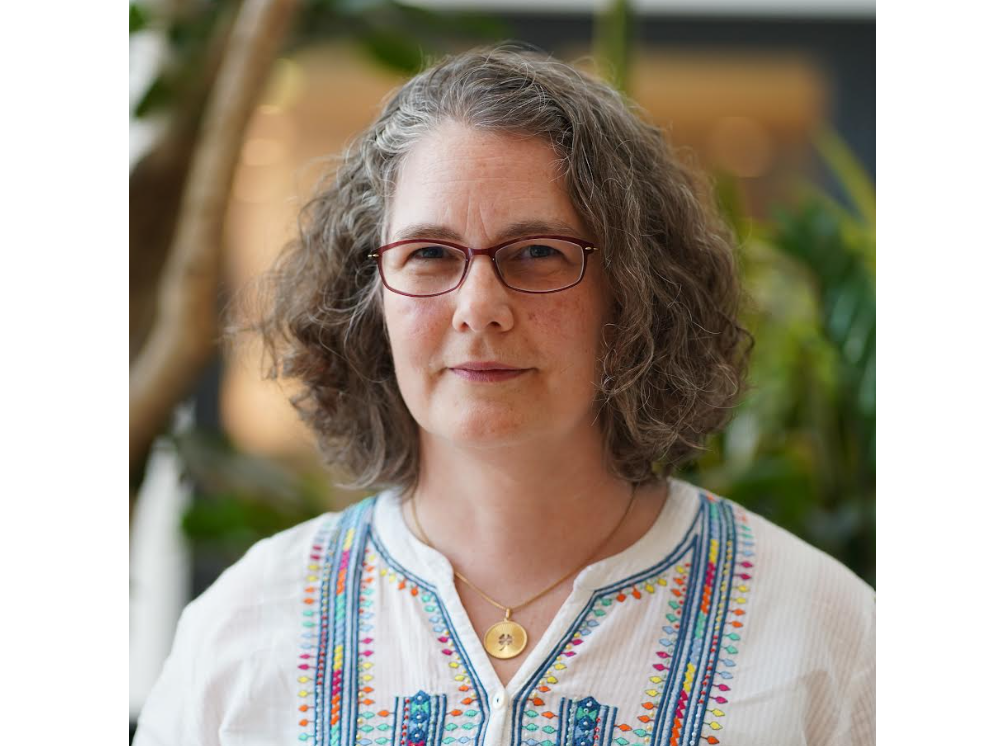 In this blog, Michele Peters, Associate Professor from the University of Oxford, shares findings from a research project that focused on patient harm in the NHS.
 -
News article
.png.3b56e319c551429673f274420cf0231a.png) Scotland’s patient safety watchdog privately urged ministers to scrap their maternity taskforce over concerns it was failing to act with sufficient urgency, The Herald can reveal. Karen Titchener, the Patient Safety Commissioner for Scotland, wrote to Health Secretary Angela Constance in June recommending the Scottish Maternity and Neonatal Taskforce be discontinued and replaced with an independent, nationwide assessment of services. Read full story Source: The Herald, 5 August 2026
Scotland’s patient safety watchdog privately urged ministers to scrap their maternity taskforce over concerns it was failing to act with sufficient urgency, The Herald can reveal. Karen Titchener, the Patient Safety Commissioner for Scotland, wrote to Health Secretary Angela Constance in June recommending the Scottish Maternity and Neonatal Taskforce be discontinued and replaced with an independent, nationwide assessment of services. Read full story Source: The Herald, 5 August 2026 -
Content Article
 Digital interventions are increasingly used in primary care to improve patient safety, targeting errors and preventing patient safety incidents. This review looked at the effectiveness of digital patient safety interventions in primary care, finding that they can significantly improve patient safety by reducing medication errors, supporting earlier diagnosis and helping prevent patient harm.
.png.3b56e319c551429673f274420cf0231a.png)
