


Summary
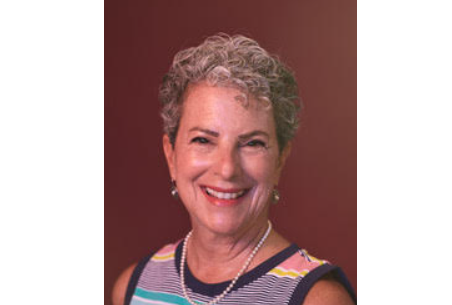
Risa Mallory is a retired psychotherapist from Canada. After a serious cardiovascular event in 2018 she became a patient advocate, collaborating with organisations across the globe.
In this blog, Risa talks about the importance of listening in healthcare, and how patient voices play a critical role in ensuring safety, quality and fairness.
Content
When I first became a patient with a chronic condition, I never imagined how much of my journey would be shaped by whether or not I felt truly heard. I assumed the hardest part would be the illness itself. Instead, I quickly learned that navigating a healthcare system that doesn’t always listen could be just as challenging—and sometimes even more painful—than the medical condition I was facing.
A moment can change everything
I remember when I first learned that women’s cardiac symptoms were often questioned or dismissed. While recovering as an inpatient from a massive heart attack caused by a triple spontaneous coronary artery dissection, I read the 2018 report entitled Ms. Understood. A paper published by Heart and Stroke Canada identifies that women are also under-aware, under-researched, mis-diagnosed and under supported when it comes to cardiac health and care.
I realised then that the physical event was only part of our story. The emotional impact of not being believed, not being diagnosed and not being offered rehabilitation can leave a lasting mark. This experience is not unique. Many patients—especially women and those with conditions that don’t fit a standard textbook description—have similar stories.
Why patient voices matter
After my diagnosis, I found comfort and validation in patient communities. I realised that talking to others who had been through the same thing helped me understand that my story wasn’t an isolated case—it was part of a larger pattern. And that realisation led me to the most rewarding healthcare advocacy ‘career’ I could have imagined.
Patient stories aren’t just personal accounts; they’re essential insights. They reveal blind spots in care, highlight safety risks and show where systems need to change. A medical chart can list symptoms, but it can’t capture the fear, the frustration, or the daily challenges of living with an illness. That’s why listening to patients isn’t just a courtesy—it’s a vital part of delivering safe, effective, compassionate care.
The barriers patients face
Despite this, there are still many barriers to being heard:
- Power imbalances in the examination room, where patients feel they have little authority.
- Bias and assumptions that lead to certain groups being taken less seriously.
- Token involvement in research or policy, where patients are invited but their voices don’t carry real influence.
For patients already coping with illness, these barriers add another layer of burden. Feeling overlooked or dismissed compounds the stress of navigating a health crisis or chronic condition.
A shared responsibility
What I’ve learned is that creating a culture of listening requires effort from everyone—patients, clinicians, researchers and policymakers alike.
For patients, speaking up can feel intimidating, but it’s important. Become an engaged patient. In the clinical setting, turning vulnerability into empowerment means coming prepared with research findings, writing down questions and asking for clarifications. Parlaying your lived experience into collaboration with healthcare institutions and organisations provides a bridge for what’s important to patients, families and healthcare systems. Each time a patient speaks, it helps shift the culture toward one that values lived experience.
For healthcare providers, listening should be recognised as a core part of care, not an optional extra. Taking time to hear a patient’s full story, without judgment or interruption, can change outcomes. It can also build the trust that makes treatments more effective. A win/win!
For researchers and policymakers, patient engagement should go beyond consultation. Patients need to be at the table from the start, shaping priorities and outcomes. This isn’t just about representation; it’s about creating systems that work in the real world.
What change could look like
Imagine a healthcare system where every patient felt their concerns were taken seriously. Where research questions reflected not only what scientists found interesting and publishable, but what patients found most urgent. Where policies were designed with direct input from the people they affect.
This isn’t an impossible vision. In small ways, I’ve already seen it happening—clinicians who ask open-ended questions, research teams that partner with patients from day one, programmes shaped by community voices. These examples give me hope that listening can become the rule, not the exception.
Why I continue to speak
I started writing, speaking and sharing my experiential expertise simply because I didn’t want others to feel misunderstood or ignored.
I believe that each patient voice adds something valuable. When combined, our voices create momentum for change. And that change is not just about comfort or reassurance—it’s about safety, quality and fairness in care.
I continue to advocate because I know that listening saves lives. My hope is that every patient, regardless of age, gender or diagnosis, feels that their voice matters. Because being heard is more than validation—it’s the foundation of better healthcare for all of us.
More blogs by Risa
About the author
Risa Mallory, a retired psychotherapist from Canada, became an advocate for patient healthcare following a serious cardiovascular event in 2018. Through her collaboration with local, national, and international healthcare organisations and institutions, she contributes the perspectives, priorities, and feedback of patients to healthcare decision-making at all levels, from individual care to organisational policymaking. She firmly believes that knowledge is power and that every individual can impact their health, and the health of their communities, through increased literacy, open dialogue, and advocacy.

Recommended Comments
Create an account or sign in to comment