


Summary
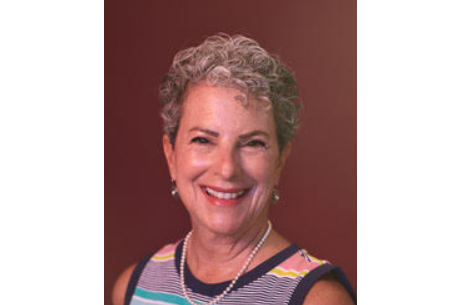
Risa Mallory is a retired psychotherapist from Canada. After a serious cardiovascular event in 2018 she became a patient advocate, collaborating with organisations across the globe.
In this blog Risa talks about her experience and the patient safety issues she's observed as a woman with a heart condition.
Content
When I think about patient safety, I don’t just think about hospital infections or medication errors. For me, patient safety means something much more personal: whether my heart symptoms are taken seriously, and whether my care reflects the realities of being a woman.
The female experience
Many women never think heart disease will touch our lives, until we get our diagnosis. Often we are active, busy, and not the “typical” patient you see in brochures.
When the first symptoms come — such as exhaustion, a strange pressure, waves of nausea — we tell ourselves it is stress. When we finally seek help, we are surprised by how quickly our concerns are being dismissed.
We get told it might be anxiety. Maybe indigestion. Maybe just overworking. Deep down, we know something is wrong, but it feels like we have to convince others of that truth. Those delays and doubts put our safety at risk. They could cost women their lives.
The safety gaps lived by many
Speaking to my peers in support groups and my community, I see clearly where the system has failed far too many women:
- Symptoms overlooked. Women’s warning signs don’t fit the “classic” heart attack picture taught in medical school, so they are easy to dismiss.
- Bias in care. Women feel minimised, as if their voices do not carry the same weight as male voices.
- One-size-fits-all protocols. Much of women’s cardiac care is based on research done with men, which leaves us feeling that our needs are not considered.
- Recovery without support. Afterward, we face not only physical healing but also fear of recurrence, emotional trauma, and questions about how to rebuild our identity. These aspects are barely acknowledged.
These aren’t just “gaps.” They are patient safety risks that make an already terrifying experience even more dangerous.
What we need and deserve
What could make us feel safer?
- To have our symptoms taken seriously the first time.
- To know that healthcare professional trainees are being taught about women-specific signs, symptoms and risks for chronic diseases.
- To be seen and heard as a whole person, not dismissed as “just anxious.”
- To have care and rehabilitation designed with women in mind — not borrowed from male-focused studies.
- To have space for emotional recovery, not just physical treatment.
Why I speak up
I’m alive today because I refused to stay silent when something felt wrong. But I know not every woman is believed, and not every woman gets the chance to push back. That’s why I share my story: because women’s heart health isn’t just a medical issue. It’s a patient safety issue.
Every time a woman is sent home undiagnosed, every time her symptoms are minimised, every time research excludes her reality — safety is compromised.
My call to action
To the healthcare providers, research scientists and policy makers: listen when women speak. Recognise that our symptoms may look different, but they are no less urgent. Build research that not only includes women but recognises our uniqueness and design protocols that reflect our bodies and our lives, not just men’s.
To women reading this: trust your instincts. You know your body better than anyone else. Speak up, and don’t be afraid to use your voice until you’re heard.
For me, patient safety isn’t abstract. It’s personal. It’s survival. Protecting women’s hearts is protecting women’s lives — and that makes it one of the most important patient safety priorities of all.
Share your insights
Do you work with cardiac patients or have lived-experience of a cardiac condition? What makes a difference to patient safety in cardiac care and why? Share your thoughts by commenting below (sign up for free first) or contact our editorial team at [email protected].
More blogs by Risa
About the author
Risa Mallory, a retired psychotherapist from Canada, became an advocate for patient healthcare following a serious cardiovascular event in 2018. Through her collaboration with local, national, and international healthcare organisations and institutions, she contributes the perspectives, priorities, and feedback of patients to healthcare decision-making at all levels, from individual care to organisational policymaking. She firmly believes that knowledge is power and that every individual can impact their health, and the health of their communities, through increased literacy, open dialogue, and advocacy.

Recommended Comments
Create an account or sign in to comment