


Summary
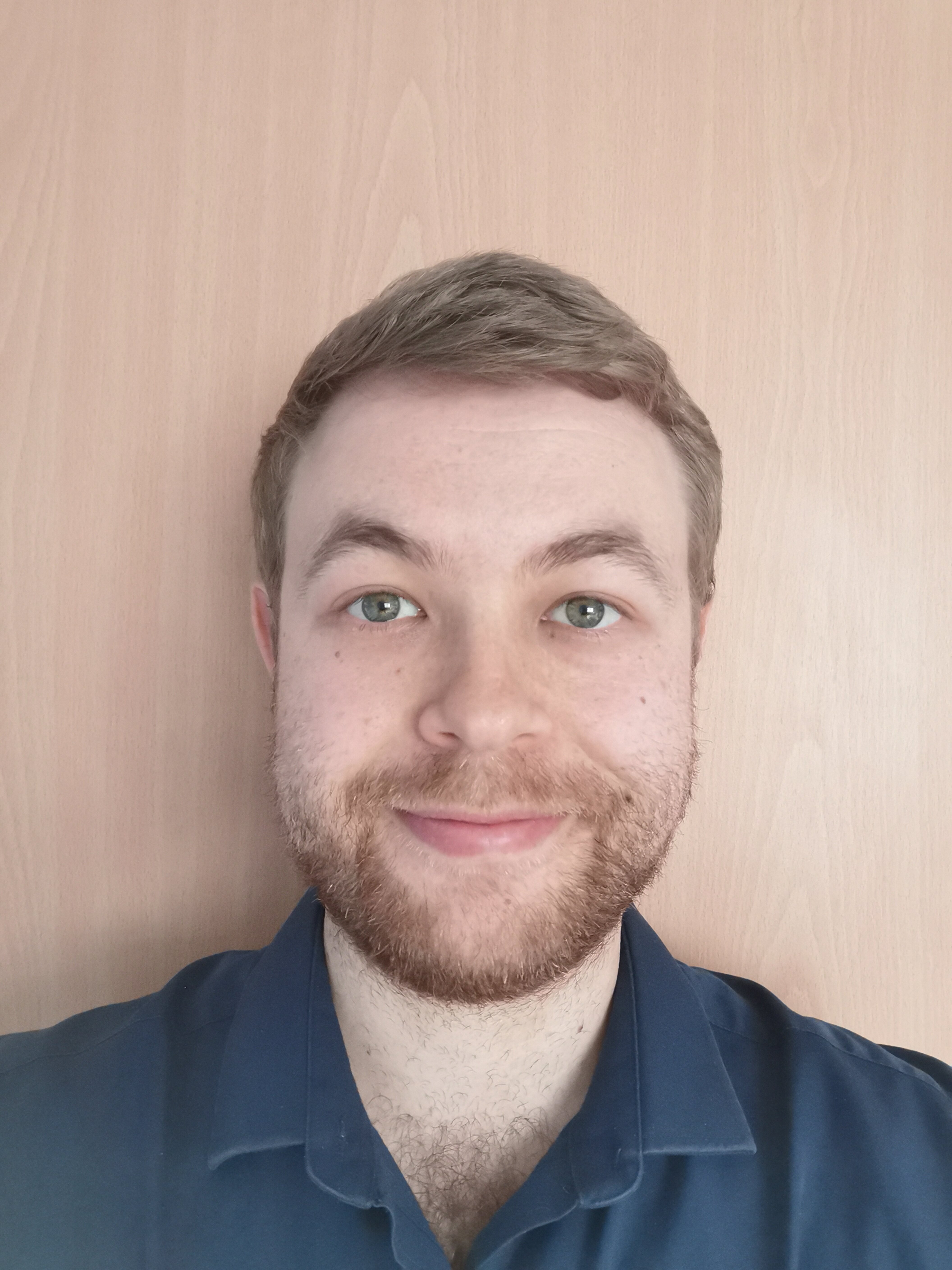
Dr Joe Farmer tells us how an encounter with a rude consultant led to him and Dr Chris Turner in 2016 setting up Civility Saves Lives. He explains how they have created a movement that is evidence based, people focused and dynamic, with one thing in mind—improving workplace behaviours in a way that ultimately improves patient outcomes.
Content
“Hurry up, what’s taking so long?” was what the consultant demanded of a senior registrar as they struggled to site a laparoscopic port at the start of a complex surgical procedure.
I watched on as the senior registrar became more flustered and shrank into themselves. Less than 30 seconds went past with the port still not sited, before the consultant said “get out of the way, you clearly don’t know what you are doing. Swap with me now”.
It was incredibly difficult to witness a competent, senior trainee be treated this way in front of a room full of people. Those very people who were expected to help that consultant for the rest of the busy day. I could see the panic in their eyes whenever they were asked to do something. The thought of “not me next” was clear. It weighed heavy in that room all day. I couldn’t wait to escape that room and get far away. I regret not saying something, but how could I? I was just foundation year 2 doctor after all.
The impact of rudeness
The next day, by chance, I was due to meet with Dr Chris Turner, an emergency department (ED) consultant I had previously worked with, for a cup of coffee. As we got talking, and he asked how I was, my experience from the day before dominated the conversation—I was clearly not over it. And again, by chance, Chris had just been reading some research by Christine Porath looking at the impact of rudeness.[1] How it reduces cognitive ability, increases time lost worrying and replaying the interaction and avoiding that individual. How it impacts all the onlookers too and reduces their cognitive ability, while making them hugely less willing to help others. How on earth can we do our jobs well in these conditions?
It got us talking and thinking; this has to be the same in healthcare, right? It suddenly felt very big and very important and not something either of us could leave or walk away from. A quick research search agreed—rudeness impacts performance in a healthcare setting. Even after only a quick look, we had found research identifying impacts on individual performance, team performance and at organisational level.[2] [3] All of which ultimately carried the risk of poorer outcomes on patients.
The Civility Saves Lives movement
Our recollection of the subsequent conversation differs whether I tell it, or Chris does, but ultimately, over that very first cup of coffee, in that very first conversation, we knew we had to figure out a way to tell as many people as possible about this information. We couldn’t just focus locally, it felt bigger than that. Whether it was the caffeine kicking in, or egos getting the better of us, we decided we needed an identity that people could use and take forward, so we settled on Civility Saves Lives.
Since that day in 2016, we have created a movement that is evidence based, people focused and dynamic, with one thing in mind—improving workplace behaviours in a way that ultimately improves patient outcomes.
It has felt like a bit of a whirlwind for me. Over the initial few years I felt like I was clinging on to the coattails of Chris as he poured his heart, soul and, ultimately, valuable time and effort into telling as many people as he could about Civility Saves Lives; through informal conversations, to talks at conferences, to working directly with organisations like the BMA, NHS England and Scotland, and even taking it to parliament.
He was asked to do a TEDx talk which really catapulted the awareness to new levels. I focused on trying to keep track of things, creating the Civility Saves Lives website to give people a way to find us and the ever-evolving evidence in this field. Gradually building up my direct involvement as demand for Chris exceeded his ability to physically meet with people and give sessions on this.
The need and desire for this information was clear. So many people saw the issue but didn’t know what to do. Chris and I being the spark for the movement is one of the proudest achievements in my professional career. The spark that has created a worldwide community of incredible people who have taken the information and done exactly what me and Chris hoped at the start, and used it in a way to make a change. Across the UK and the world.
One of the important first steps we can take in response to this is to reflect. Have you been in a situation that has been seen as rude, and what was the impact? Could, in fact, your behaviour ever be seen to be impacting others?
Once we understand our experience of this, we can start to think about what can be done next.
Please add your comments below. You will need to be a hub member (sign up is free) and signed in.
References
About the author
Dr Joe Farmer is co-founder of Civility Saves Lives.

Recommended Comments
Create an account or sign in to comment