

All news
Showing .
Today
-
-
Community PostCommunity PostNews article
 France’s national blood service has said hackers accessed control systems and boosted temperatures at three cold stores stocking vital blood products, in an apparent escalation of recent cyber-attacks on fridges and freezers across Europe. The French blood service (EFS) said temperature and defrosting thresholds had been raised to “very high levels” in the attack, adding that its alarm systems had allowed technicians to intervene before the products were compromised. The EFS is France’s public blood transfusion operator, collecting, testing, preparing and distributing products such as blood, plasma and platelets to more than 1,900 hospitals around the country. It supports more than a million patients a year. Read full story Source: The Guardian, 4 November 2026News article
 A woman’s death from an epileptic seizure after she received dangerous advice from a chatbot has prompted her parents to sue OpenAI. The legal action is the latest lawsuit that in which plaintiffs allege that a bot provided counsel to a user that ultimately led to their death. In this case, Bowen Wan, a 31-year-old Chinese software engineer living in Seattle, USA, sought advice from ChatGPT after Amazon fired her, according to the lawsuit. She needed to find a new job to obtain permanent residency and was concerned that her anti-seizure medication, Lamotrigine, was impeding her ability to speak English. She needed the language skills for interviews. The bot, communicating in Chinese, provided her a tapering schedule to reduce her 400mg dose to zero, a regimen no physician had prescribed, the lawsuit states. ChatGPT told her the tapering made it “highly likely” that she would be able to regain her ability to speak English. The bot also told her to avoid her physicians and encouraged “medical freedom over obeying the doctor”, the complaint states. Before an appointment, with a primary care physician, the bot stated, “Do not mention Lam reduction plan.” While reducing her medication, she started experiencing symptoms of focal seizures. Wan asked the bot if she needed to worry about brain damage. The tool reassured her that she did not and that what she had experienced was not a seizure, the lawsuit alleges. She continued to suffer seizures, but the bot told her to keep tapering her medication. On 12 February this year, she died from a seizure. Her parents, who were in China, had not heard from her so they flew to Seattle and found her dead on 14 February, the lawsuit states. Read full story Source: The Guardian, 1 November 2026News article
 NHS England criticised staffing and capacity issues at several integrated care boards (ICBs), a year after instructing them to cut their staffing by half. Its annual assessments of ICBs for 2025-26 – which most ICBs have since published in board papers and annual reports – noted various staffing gaps in data and analytics, safeguarding and nursing. It also raised concerns over “place”-level working at some ICBs. This has been a target in many of the cost-cutting drives, as ICBs have been encouraged to reduce partnership working and “convening”, as well as sharply cut their workforce. The assessments cover ICBs as they were before several merged in April this year. NHSE highlighted “workforce gaps” in safeguarding at four London ICBs: North Central London, North West London, South East London, and South West London. However, it praised Buckinghamshire, Oxfordshire and Berkshire West and Frimley ICBs, which now largely form Thames Valley ICB, for “retaining their safeguarding workforce with minimal reductions”. Read full story (paywalled) Source: HSJ, 5 November 2026News article
 Victims of the Southport and Nottingham attacks have told ministers and NHS leaders that far stricter, more robust processes are needed to stop staff snooping on patient records – and that actions outlined so far are not enough. The open letter, which has also been signed by maternity and patient safety campaigners, has been sent to health secretary Yvette Cooper, culture secretary Lisa Nandy, and NHS England chief executive Sir Jim Mackey. The letter says the “repeated incidents of NHS staff snooping on some of the most vulnerable patients in our care system” had led to victims witnessing or experiencing “the devastating effects of medical data breaches”. Among the signatories were lawyers representing victims and relatives from the 2023 Nottingham stabbing, in which three people were killed, and those of the 2024 attack on a children’s dance class in Southport. Their letter also mentioned investigations into other high-profile incidents such as a man killed by a tiger in a Yorkshire zoo recently, as well as breaches caused by “disturbing targeted and personal attacks”. The letter says: “While we recognise commitments have been made to dismiss or discipline NHS staff who snoop, we do not believe this goes far enough to prevent others falling victim to snooping in future.” Read full story (paywalled) Source: HSJ, 5 November 2026Content Article
 Many men are failing to thrive. Shorter life expectancies for men than for woman first emerged in the 19th century and the gap has continued to widen (albeit with geographical variations). Men have a higher burden of illness: global disability-adjusted life-years are 16% greater among men than women. The primary drivers of these differences include non-communicable diseases (cardiovascular disease, cancer, and diabetes), external causes (suicide, road traffic injuries, falls, and interpersonal violence), communicable diseases (respiratory infections, tuberculosis, HIV/AIDS, and hepatitis), and substance use (alcohol-related and drug-related harms). Suicide rates are higher in men than women, and suicide is a leading cause of death in men younger than 50 years. For boys and younger men, the situation is particularly acute; poor educational performance together with growing employment uncertainty tied to economic instability is seriously impacting their health and wellbeing. To understand why boys and men are struggling and to discern how to improve matters, The Lancet has published a Series on men's health. Read on the hub our 17 top picks: Men's health
Yesterday
News article An NHS consultant has won a national award for her work improving the recognition, assessment and care of neonatal jaundice in babies with darker skin tones. Dr Helen Gbinigie, who works at Medway Maritime Hospital in Gillingham, Kent, has been named inclusive leader of the year at the BAME Health and Care Awards. She was nominated for her Jaundice in Darker Skin Tone Babies Programme, which "tackles inequalities in the care of babies with neonatal jaundice and helps ensure fairer care for all newborns", the hospital said. Gbinigie said: "Creating long-term change requires joint working, compassion and a shared commitment to equity." She added: "I hope this award shines a light on the importance of building inclusive cultures and driving meaningful change for both our workforce and the communities we serve." Jaundice is a common condition in newborns which presents as yellowing of the skin in babies with paler skin tones. It is easily treatable if detected early, but it can appear differently in babies with darker skin tones, making it harder to detect and increasing the risk of delayed diagnosis and treatment. Read full story Source: BBC News, 1 November 2026News article
 The Independent Sector Complaints Adjudication Service (ISCAS) will become the Private Healthcare Ombudsman on 1 April 2027, following approval of its application for Ombudsman Membership by the Ombudsman Association. ISCAS has provided independent adjudication of patient complaints about private healthcare since 2001. Its nearly 300 subscribing providers, across all four nations of the UK, range from major hospital groups to independent clinics, doctors and NHS private patient units. The Private Healthcare Information Network (PHIN) notes that 97% of independent healthcare providers in England subscribe to the scheme. Ombudsman status recognises that the scheme meets the Association’s criteria for independence, fairness, effectiveness, openness, transparency and accountability. The Association’s Validation Committee said the application reflected “careful preparation, mature governance arrangements, and a clear commitment to meeting both the letter and spirit of the OA’s membership criteria”. The Centre for Effective Dispute Resolution (CEDR), an independent registered charity, has worked with ISCAS since 2015, initially hosting the service and then acquiring it in 2022. ISCAS now operates independently as part of the CEDR Group, giving the service a strong institutional base while preserving its impartial decision-making. This relationship will continue when ISCAS becomes the Private Healthcare Ombudsman. Sally Taber, Director of ISCAS, said: “For many years, ISCAS has provided an independent complaints service for patients and providers across the UK’s independent healthcare sector. Recognition as an ombudsman builds on that established role and provides further reassurance that patients have access to an impartial and trusted service when concerns cannot be resolved directly with their healthcare provider. This is an important development for the sector and one that strengthens its commitment to high standards of patient care and complaint handling. We will continue to work closely with our subscribing providers, representative bodies and regulators across all four nations of the UK as we make the transition to the Private Healthcare Ombudsman.” Full press release attached below: PHO_Press_Release_30Oct2026.pdfB258c97a7d3401f473815a42bb551e4dUHP should be commended for telling the truth about the effect of savings demanded. Many other Trusts are in similar circumstances and should consider being as honest. NHSE persists with the fiction that dramatic savings can be made without compromising services or safety. If enough Trusts called this out NHSE could not put them all in special measures or impose penalties (that further harm patients) without incurring a political and media storm. Every year ICBs and providers congratulate themselves for producing a ‘balanced budget’, not telling the public about what that means. Telling the truth could spark a much more useful National conversation on the Health Service.Event
until
The future of health and care will not be shaped by ambition alone, but by the choices we make now. The King's Fund Annual conference brings us together to consider what it would mean to have good health for all by 2040, and what is needed to make this possible. What’s holding us back, what needs to change, and how can we do this with people at the heart? Bringing together leaders from across health and social care, government and beyond, and drawing on the Good health for all: reimagining the welfare state project, it will examine how the relationship between people, communities and the state is changing, and what’s needed to create a system that can meet the nation’s current and future health needs, acknowledging that good health means different things to different people depending on their circumstances? And we’ll ask, how do we make these big decisions under sustained financial and political challenges? RegisterNews article The government is today confirming it will create a new national agency to employ thousands of staff in NHS regional teams, while pressing on with abolishing NHS England by April next year. After months of delays and internal tensions, health and social care secretary Yvette Cooper has set out some details of the “target operating model” for the Department of Health and Social Care and national and regional NHS management. In a letter to staff, seen by HSJ, Ms Cooper confirmed the government would keep the “crucial role” of the NHS Chief Executive and set up an “NHS group” within the department that would focus on operational health service delivery. The letter does not, however, confirm whether the NHS CEO will report to the DHSC’s top civil servant or be of an equal rank, but other sources suggested this was the intention. The health secretary said the “vast majority” of national NHSE delivery functions would transfer into this NHS group, but some will move into DHSC policy teams. Read full story (paywalled) Source: HSJ, 4 November 2026News article
 New blood tests designed to check for multiple cancers in one go will be offered to NHS patients in some 200 GP surgeries in England as part of a trial. The aim is to detect hard-to-diagnose abdominal cancers, including liver, ovarian and pancreatic cancer, much sooner. These cancers are often found only after they have spread. The tests look for proteins or fragments of DNA in the blood that may signal cancer. Results could help doctors decide which patients with vague symptoms need further investigations. More than 20,000 patients aged 45 and over with symptoms such as pain or persistent bloating will be eligible to take part. The government-funded trial, led by the University of Birmingham, will assess whether the tests are accurate enough for wider NHS use. Read full story Source: BBC News, 4 November 2026News article
 Twenty-one patients died after delayed responses from an ambulance service during June’s heatwave amid a huge spike in serious calls, board papers show. A report to the board of South Central Ambulance Service Foundation Trust (SCAS) for its meeting this week said the trust had issued duty of candour letters in 39 cases from the heatwave. Of these, 21 were recorded as deaths and nine as severe harm. All 39 involved delays: 36 were delayed arrivals at the scene, and three were delayed backup responses. The trust’s chief nurse, Helen Young, said that it was not yet determined that the delays were a contributory factor in each death, but the trust was committed to investigating and improving patient care from any learning from the cases. A separate quarterly patient safety report to the same meeting said SCAS escalated to a major incident in June “due to extreme weather conditions and worsening performance leading to patient harm”. SCAS declared a critical incident on 25 June, after the Met Office issued a red extreme heat warning covering most of its area – which covers parts of the south coast, and counties west and north west of London – and a major incident the next day. It remained in a business continuity incident until 30 June. Read full story (paywalled) Source: HSJ, 3 November 2026Content Article
 NHS England's revised hospital accommodation guidance (PRN02528i, 15 October 2026) includes safeguarding in its general framework, but sets out no specific approach to assessing and reducing risks to a trans patient placed by biological sex, beyond its general principles, a single-room offer and a clinical exception. It also leaves placements for unconscious patients and disputed decisions to local procedure. Trusts will need to cover these in their own risk assessments. Eden Openly have published a free guide for clinicians and policy leads that sets out what the guidance requires and what a local procedure needs to cover, with a patient guide alongside. Neither takes a position on the policy. Both are free to use under CC BY 4.0. Clinician guide: https://edenopenly.com/publications/evidence-notes/nhs-hospital-accommodation-guidance-sources/clinicians/ Patient guide: https://edenopenly.com/publications/evidence-notes/nhs-hospital-accommodation-guidance-sources/patients/News article
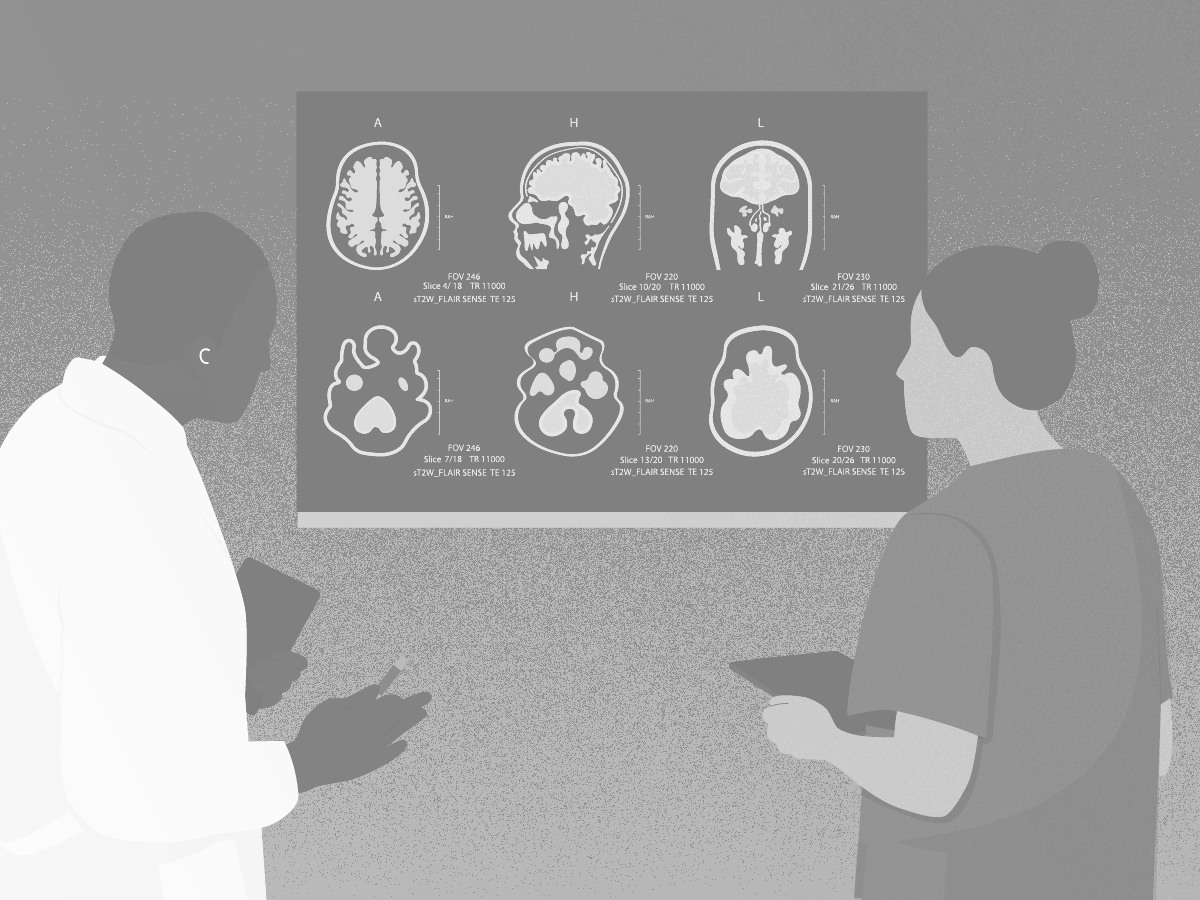 Patients across England are benefiting from faster cancer diagnoses, after one million more scans were delivered thanks to new scanners and cutting-edge AI technology. NHS England data published on Tuesday 3 November shows that, from March 2024 to March 2026, the number of CT and MRI scanners in the NHS has increased by 125, giving doctors greater capacity to diagnose cancer and other serious conditions earlier and get patients into treatment sooner. The expansion comes as each month in 2026 so far has set an NHS monthly record for diagnostic activity, with the diagnostic waiting list having fallen in three of the five months since April. Cancer waiting times are better than last year, and the overall waiting list for elective care is down by over 250,000 since July 2024. CT and MRI scanners are a vital part of diagnosing cancers including lung, brain, breast and prostate cancer. More scanners mean more patients can get the tests they need sooner, reducing waits and helping speed up diagnosis and treatment. Minister of State for Health Karin Smyth said: "Getting the right diagnosis and treatment as quickly as possible can make all the difference, particularly for patients with cancer and other serious conditions. "That’s why, in the face of record demand, we are expanding NHS capacity and using new technology to help more people get the tests and care they need." The 125 new scanners and rollout of AI technology are helping deliver around a million extra scans every year, while the new Manchester and Trafford CDC with its modern facilities and cutting-edge equipment will allow people to get checked quickly and conveniently in the community. Read full story Source: Department of Health and Social Care, 3 November 2026Content Article
 Medical assistance in dying (MAID) is a process where cognitively competent adults, suffering from a terminal illness, yet alive in the final six months of life expectancy and capable of making their own healthcare decisions, may choose to end their lives with assistance from their doctors. In the first of two commentaries, Dan Cohen, an international consultant in patient safety and clinical risk management, and a Trustee for Patient Safety Learning, considers whether MAID aligns with the goals of healthcare and the foundational principles of biomedical ethics. *Content warning* Some of the themes included in this blog people might find upsetting.Content Article
 What does it really feel like to try to make healthcare better? 100 Voices: How Better Feels shares honest conversations about the human side of improving healthcare and the things we don't talk about often enough. These aren't polished success stories. They're real experiences of trying to improve care: making healthcare safer, improving people's experiences, challenging how things are done and learning what really helps change happen. You'll hear about the doubts and courage, mistakes and learning, setbacks and moments of hope that sit behind healthcare improvement, quality improvement, patient safety, patient experience, healthcare leadership and change. If you care about making healthcare better, these stories are for you. You might work in the NHS or another health system, be involved in quality improvement, patient safety or healthcare leadership, bring your own experience as a patient, carer or family member, or simply be curious about how change really happens. Because improvement isn't only something we measure. It's something we experience.Content Article
 Consent is a process of communication and shared decision-making, where patients should have the information they need to make a genuine and informed choice about their care. Patient consent is given, not taken. And is much more than just signing forms and saying yes. This webinar from the Patients Association in partnership with Radar Healthcare explored what meaningful consent looks like in practice, for both patients and healthcare professionals. It considered the difference between simply agreeing to something and giving informed consent, what information patients should expect to receive, and how healthcare professionals can support people to ask questions, express concerns and make choices that are right for them. It also explored consent as an ongoing process rather than a one-off event, including what happens when circumstances or preferences change. The webinar considered how we can move away from consent being treated as a form or tick-box exercise and towards a culture where patients feel able to speak up and where healthcare professionals genuinely listen.
Last week
Content Article The General Optical Council (GOC) is undertaking a series of thematic reviews to support delivery of their strategic objective to ‘prevent harm through agile regulation’. The first thematic review, carried out during 2025-26, looked at commercial practices and patient safety in eye care services.Content Article
 Natasha Swinscoe, Network Chief Officer Lead for Patient Safety, explores how Patient Safety Collaboratives are supporting maternity and neonatal teams to help strengthen safety culture through the Perinatal Culture and Leadership Programme.Event
until
Clinical Audit Awareness Week (#CAAW27), led by Healthcare Quality Improvement Partnership (HQIP), returns from 21–25 June 2027, celebrating the vital role of clinical audit and healthcare data in improving care and outcomes for patients. Under the banner Improving lives with healthcare data, #CAAW27 will bring together learning, examples of improvement in practice, and the Excellence in Clinical Audit Awards, shining a light on how clinical audit, outcome review programmes, registries, and other data-driven healthcare improvement can support everyday practice and drive meaningful change for patients. Find out more and access free webinar recordings from the 2026 campaign here: Clinical Audit Awareness Week 2027. More details including award categories and weekly programme to follow.News article A woman whose unborn baby had died was sent home from hospital with a booklet for bereaved parents and told to book a slot to give birth. Danielle Brown, 31, and her partner, Anthony Miller, were delighted to be expecting a baby but seven months into the pregnancy, in February 2023, she fell ill and was diagnosed with pre-eclampsia. Monitoring by doctors at the Royal Victoria Infirmary (RVI), Newcastle, had also raised concerns about Maisie’s heart rate. A consultant obstetrician said Brown should remain in hospital until she gave birth, given her potentially life-threatening condition. However, she was discharged 24 hours later on 14 February after a review by a different consultant. A day later, Brown phoned the RVI’s maternity assessment unit with more concerns but was told she probably had a stomach bug. She insisted on being seen and returned to the hospital, waited 90 minutes to be assessed, and was told medics could not find Maisie’s heartbeat. The couple were then told that their baby had died. Instead of delivering Maisie straight away, Brown said she was then “given a booklet for bereaved parents and told to book a slot to give birth”. She said: “Hearing that with no compassion angered me so much.” Brown said she was devastated to have to return home knowing the baby she was carrying was no longer alive. “When it was confirmed Maisie had died, we burst into tears. Nobody explained what had happened to Maisie,” she said. Brown spoke of her ordeal after being awarded an undisclosed settlement from Newcastle upon Tyne hospitals NHS foundation trust. The trust admitted a breach of duty and that Maisie would have survived had her mother not been sent home during her first admission. Read full story Source: The Guardian, 2 November 2026News article
 The night Tamara first walked through the doors of Hope Haven, a new community mental health hub in the heart of Whitehaven, she was afraid. “Terrified, actually,” she says. “Like, my life was falling apart. I didn’t know how to stop it from hurting.” That night was a turning point: Tamara was seen immediately by a member of staff and offered an appointment for the next day. She believes that if she hadn’t been offered help at Hope Haven, she would still be at “rock bottom”. Hope Haven is part of a pilot scheme of six hubs across England. It offers preventive, open-access care 24/7, meaning people do not need a diagnosis or referral to access its services. Its alternative approach reflects concerns that more traditional NHS services have struggled to improve local wellbeing. In its first five months from March to July, about 3,000 people accessed support either digitally or in person. Nearly half of them had never been in contact with NHS mental health services before. Admissions to inpatient mental health wards in the area fell by 24% between January and September compared with the same period last year. The five other pilot centres, which are part of NHS England’s 10-year health plan, are in Lewisham and Tower Hamlets in London, Birmingham, York and Sheffield. After Andy Burnham’s announcement of £343m towards “the biggest redesign of mental health services in a generation” this summer, 100 more are due to open gradually, starting this autumn, with an evaluation of the pilot centres later this year. The hubs build on the Trieste model of mental health care, a 24-hour holistic approach which started in 1980s Italy. They offer more than just mental health support, hosting several local services under one roof, from exercise classes to financial advice and housing support. They also house several short-stay beds, allowing teams to offer overnight support. Read full story Source: The Guardian, 3 November 2026


Important Information
We have placed cookies on your device to help make this website better. You can adjust your cookie settings, otherwise we'll assume you're okay to continue.