


Patient_Safety_Learning
PSL Moderators
-
Joined
-
Last visited
Everything posted by Patient_Safety_Learning
-
Content ArticleThe American Hospital Association's (AHA) insights report series features learnings gained in collaboration with data partners to better analyse hospital and health system progress on patient safety. In September 2024, AHA partnered with Vizient to release a report showing that numerous outcome measures of health care quality and patient safety — including mortality and healthcare-associated infections — are improving while hospitals care for more patients with significant health care needs. The latest insights report, created in collaboration with Press Ganey, highlights progress on additional outcome measures of patient safety including some that reflect the ongoing work nurses lead to protect patients. In addition, Press Ganey’s comprehensive data shows clear improvement on the experience of both patients and the health care workforce. It also shows improvements in safety culture, which is a leading indicator of better safety outcomes and better experiences for patients and staff.
-
Content Article
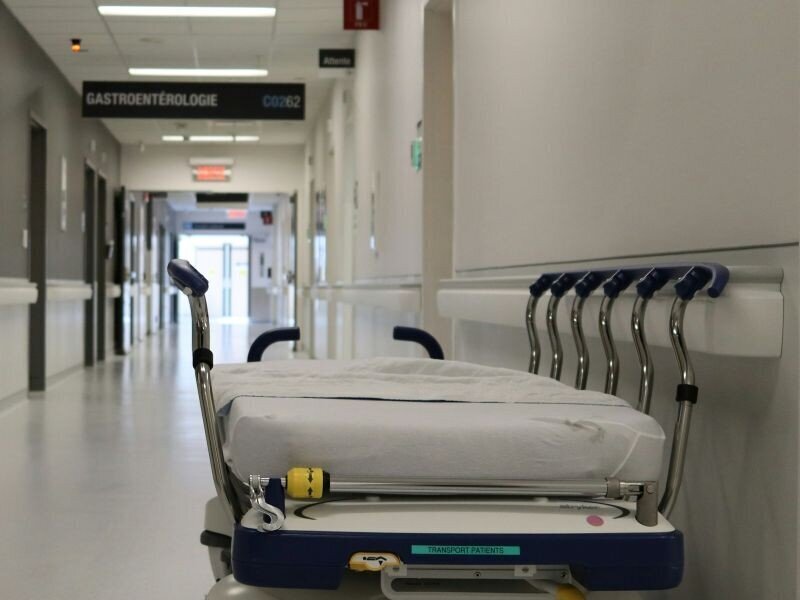 Corridor care is a term used to describe the practice of providing medical attention to patients in hallways or other non-designated clinical areas due to overcrowding or resource shortages. In a series of blogs on the hub, we have been highlighting some of the key patient safety issues surrounding corridor care. On the 11 December 2025, NHS England published new guidance Principles for providing patient care in corridors. This replaced the previous guidance published last September, which spoke about providing safe and good quality care in “temporary escalation spaces”. The new guidance aims to support point-of-care staff in delivering the safest possible care when corridor care has been deemed unavoidable. In this blog, Patient Safety Learning’s Associate Director and nurse, Claire Cox reflects on this guidance and sets out the need for national action to tackle this persistent problem.
 -
Content ArticleThis Review, published in the Lancet, considers the impact of AI applications on different domains of health-care quality–effectiveness, safety, timeliness, efficiency, patient-centred care, health-care provider experience, equity, and planetary health—and on the primary care-specific attributes of accessibility, comprehensiveness, coordination, and continuity.
-
Content Article
 In this blog, Patient Safety Learning’s Chief Executive Helen Hughes reflects on the charity’s work and key patient safety policy developments in the past 12 months. She also looks to the year ahead, considering the forthcoming new NHS Quality Strategy and new Patient Safety Learning projects.
 -
Content ArticleThe letter is a response by Stephanie O'Donohue, Founder of TIGER UK, to another letter submitted to the BMJ by Adele Waters - Medical misogyny and “harrowing” experiences: what are doctors doing to improve outpatient gynaecological procedures? You can read the response by Stephanie via the link below (paywalled).
-
Content ArticleThe Harmed Patient Pathway has been designed to help healthcare providers respond compassionately to patients and families’ needs when there has been harm. It sets out the most important things that are required to support their healing journey and avoid the possibility of “second” or “compounded” harm. This document has been jointly developed by Action against Medical Accidents (AvMA) and the Harmed Patients Alliance.
-
Content ArticleThis podcast from the Specialist Pharmacy Service, discusses 5 moments to tackle problematic polypharmacy, using examples from community pharmacy practice and expert advice. The five moments Returned Medicines Significant Changes Repeat dispensing and supply Persistent non-adherence Frailty: when less is more Listen to the series via the link below.
-
Content ArticleIn this article for Health Tech World, Chris Hamilton and Mike Drew explain why cyber security leadership is now paramount for most healthcare providers.
-
Content ArticleIn this editorial for the Journal of Patient Safety and Risk Management, Peter Hambly argues that it should be obvious that current practice in intravenous medication therapy, particularly in acute specialties, fails the most basic Human Factors analysis.
-
Content ArticleThe Specialist Pharmacy Service (SPS) are a team of pharmacy professionals and support staff, commissioned by NHS England, to provide advice and guidance on Medicines Optimisation. They deliver direct benefits to patients and teams across the NHS.
-
Content ArticleNHS Specialist Pharmacy Service serves healthcare professionals across the NHS who are involved in all aspects of buying, making and using medicines. They publish regular podcast episodes, all of which can be found via the link below.
-
Content ArticleIn this joint blog by the Patient Association, Sarah one of their callers and Debs, the helpline advisor who took her call, explore what safe discharge from hospital looks like, and what might help should anyone find themselves in an unsafe situation.
-
Content ArticleThe Safe and Sound podcast is produced by the Royal College of Surgeons in Ireland and explores the world of human factors in healthcare and patient safety. This episode features an interview with surgeon and airline pilot Niall Downey.
-
Content ArticleThis animation was created for the Sling The Mesh campaign by creatives at Falmouth University. The video aims to raise awareness of the harm caused by surgical mesh.
-
Content ArticleWriting for HSJ, Shirley O’Keeffe says hundreds of mental health patients are still sent far from home despite national targets. NHS trusts show that reducing out-of-area placements hinges on data, partnerships and patient voice
-
Content ArticleA review of the quality of care provided to adults with acute limb ischaemia (ALI) published by the National Confidential Enquiry into Patient Outcome and Death.
-
Content ArticleA review of the quality of care provided to adults in hospital identified as having hyponatraemia (low blood sodium levels) or hypernatraemia (high blood sodium levels). from the National Confidential Enquiry into Patient Outcome and Death (NCEPOD).
-
Content ArticleOn 13 March 2025, Prime Minister Sir Keir Starmer announced the abolition of NHS England, the arm’s-length body responsible for overseeing, planning, funding and delivering the health service – with its functions to be merged back into the Department of Health and Social Care (DHSC). In response, the Nuffield Trust and the Institute for Government have come together to examine how this change can be used to create a more effective centre for the health service – and how such a complex transition can be managed well. While recognising the expertise and experience of those leading the process within government, our work seeks to draw out wider lessons from history and other sectors to give the reform of the DHSC the best chance at success.
-
Content ArticleWhen Dr Kudzai Kanyepi qualified as Zimbabwe’s first female cardiothoracic surgeon four years ago, she was filled with pride and anticipation after succeeding in an area long dominated by men. She was only the 12th woman in Africa to qualify in the field – four more have joined her since. Even now, with 100 operations under her belt, the reality of working in a role in which she confronts misogyny and discrimination daily has not dented Kanyepi’s love of the surgical theatre. Read the full article, published in The Guardian, via the link below
-
Content ArticleSoon-to-be parents hired a woman they believed would act as a licensed midwife. But she in fact belonged to a radical society that was linked to baby deaths around the world. Read more of the Guardian’s investigations into the Free Birth Society via the link below.
-
Content Article
 the hub is home to a growing number of networks for people involved in patient safety. These communities of interest provide forums to share knowledge and good practice. Members include people who work in patient safety such as patient safety specialists, patient safety partners, clinicians, organisational leaders with responsibility for patient safety, governance or risk. In this blog Claire Cox, Associate Director at Patient Safety Learning, reflects on key highlights and achievements from the networks throughout 2025.
 -
Content ArticleThis article, published on About Lawsuits website, says Women are still filing transvaginal mesh lawsuits, as older implants continue to fail long after the products were removed from the market.
-
Content ArticleNHS Resolution share a number of Case Stories on their website. These are illustrative based on a range of examples of real events. NHS Resolution is sharing the experience of those involved to help prevent a similar occurrence happening to patients, families and staff. You can access the case stories via the link below.
-
Content ArticleInternational medical graduates (IMGs) make up a significant proportion of general practitioners (GPs) in high-income countries such as the United Kingdom (UK), the United States of America (USA), Australia, and Canada. This paper published in International Medical Education, compares views about IMGs with their own views in relation to the timing of GP placements in GP specialty training programs in the UK. It presents an inductive thematic analysis of focus groups with GP specialty trainers and trainees (149 participants across 32 focus groups), examining opinions about the ideal timing of GP placements
-
Content ArticleThis resource helps healthcare professionals in taking actions to reduce medication safety inequalities across the system. Through sharing innovative practices, it aims to inspire healthcare professionals (HCPs), and supports the translation and replication of improvement initiatives across the system.
