


Summary
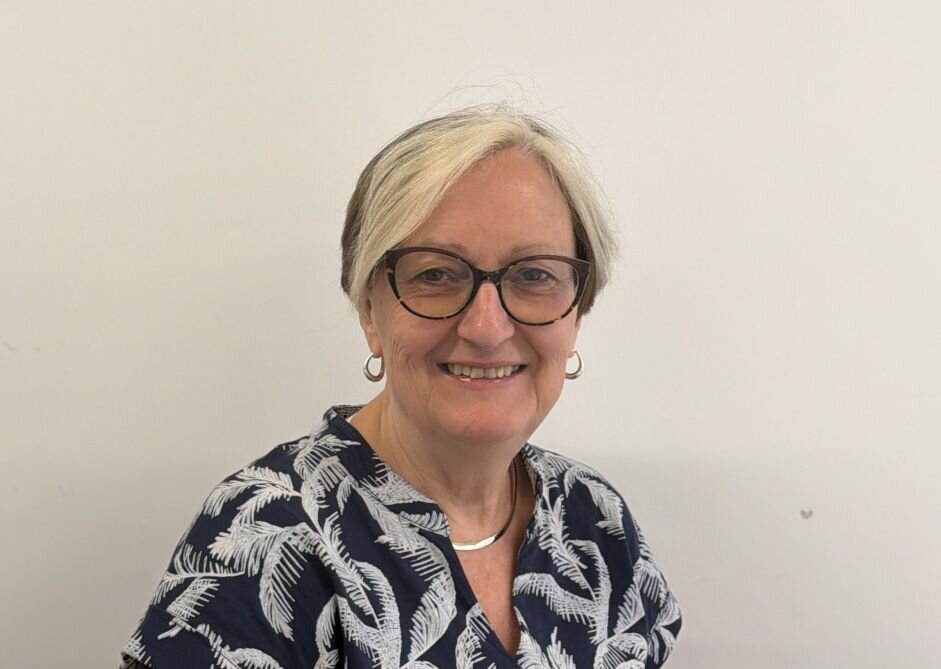
In this blog, Patient Safety Learning’s Chief Executive Helen Hughes introduces the new Patient Safety and AI Networks hosted on the hub.
Content
AI is arriving in health and care faster than the guidance and assurance around it. You only have to walk into almost any NHS organisation and you’ll find it somewhere, whether in a tool drafting clinical notes, something helping to manage demand or a pilot that someone is quietly running on their own initiative. The ambition is real, and so is the pressure to adopt to help deliver improvements and productivity.
At Patient Safety Learning, what concerns us is that too often the same problems are being solved separately, in isolation, whether within organisations or across systems of care. That is why we have set up our Patient Safety and AI Networks, because people have been talking to us about AI and we have been speaking to them about how best to share knowledge, raise issues, better understand risks, spread good practice and look at AI from a safety perspective.
There’s a great deal of work happening in the AI space, but not all of it is being looked at from a patient safety or system safety point of view. Sharing knowledge is what we do at Patient Safety Learning, and we already run several well used patient safety networks using the hub, our knowledge sharing platform. So, our Chief Digital Officer, Clive Flashman, and I began talking with our team and stakeholders about how we could take this further. We had written blogs, published policy pieces and responded to consultations, but we felt there was more to do.
We decided to propose an AI network to the people in industry building AI and the people in the NHS buying it. We wanted to draw attention to the issues coming out of the National Commission into the Regulation of AI in Healthcare and the government's response to it. We wanted to offer the chance to collaborate, share knowledge, influence policy and talk openly in a safe space.
Last month we held our first Patient Safety and AI roundtable in London, and around 70 people joined us across two workshops. Shane Tickell, Chair of techUK's Health and Social Care Council, gave the morning session an industry perspective, and in the afternoon Rob Harrison, policy lead in the National Commission secretariat at the MHRA, set out the Commission's recommendations. I shared our perspective on patient safety, as a systems not just clinical safety issue. The cultural and leadership context for delivering safe and effective care is as important as having the right expertise, resources and capacity to inform and apply good practice.
What struck me most was that both rooms reached much the same conclusions from opposite sides of the market. Public discourse at the moment centres on regulation and digital clinical safety. Patient safety, by which I mean looking at the healthcare system as a whole, human factors, safety in day-to-day use and learning when things go wrong, gets far less attention than it should.
Buyers told us they worry about ethics, governance, bias and whether their people have the capability they need. Vendors are frustrated by risk aversion, by small pilots that never scale, by unclear ownership of risk and by customers who have not defined the problem that they are hoping digital technology and AI can solve. Both groups pointed to the same root causes, among them too few clinical safety officers, weak links between patient safety and clinical safety, poor data, fragmented procurement and accountability that nobody can quite place. As one delegate put it afterwards, digital risk is clinical risk, and the two need to work together.
People ask me what I hope the network will achieve, and my honest answer is that what I want matters less than what its members want. We set up patient safety networks so that people can talk to each other, share knowledge, inspire and inform each other, challenge and help shape policy for impact.
We asked both workshops what they wanted from it, and they said all of that and more. They want a safe space to raise issues and challenge convention, and to demonstrate the value of AI and the positive impact it can have on patients. They want to discuss the hidden issues too, the shadow AI use going on quietly and what that means for safety. Both groups asked for somewhere practical and non-commercial that shares resources, captures risk and evidence, and gives its members a collective voice.
How to join our new communities
The two communities are built around that. Community 1 is for people in health and care organisations and regulators who buy, implement, use, assure or oversee AI, with vendors kept out so that nobody is approached with a sales pitch and conversations can stay candid. Community 2 is for the organisations that develop, supply, research or support AI, from suppliers and professional services firms to academics, consultants and the media. We will run them separately to enable open and safe conversation, members joining one community only, keeping each set of conversations focused. However, we all agreed that a structured exchange between the networks is essential, and we will make space for that collaboration and knowledge sharing.
If that sounds like the conversation you have been wanting to have, you would be very welcome to join the network. They’re free to join. Register on the hub at www.pslhub.org/register, log in, click 'Networks' and choose your community. The next online roundtable will be on 10 December, and we would be delighted to see you there. To join the waiting list, sign up using the links below:
Community 1: Join the wait list
Community 2: Join the wait list
Further reading
Notes from the Patient Safety and AI Roundtable workshops that took place on 6 October.

Recommended Comments
Create an account or sign in to comment