


Summary
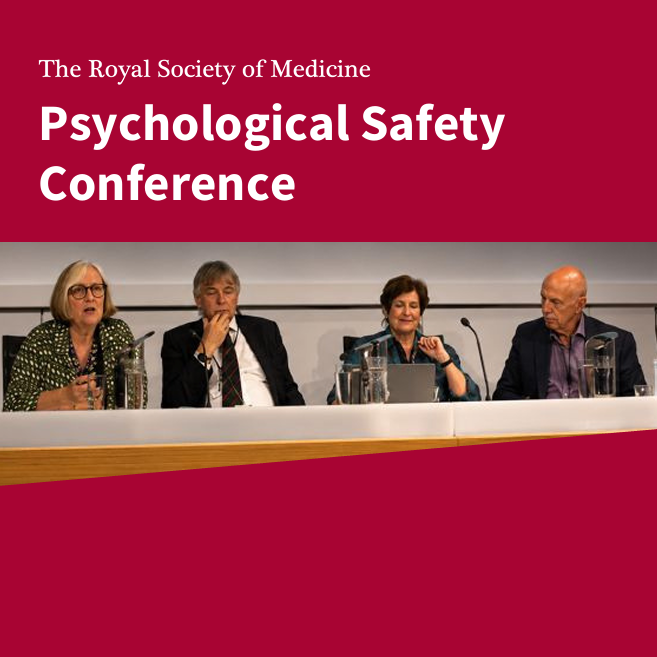
Psychological safety is a core condition for learning, staff wellbeing, innovation and patient safety. This report provides an overview of a conference hosted by the Royal Society of Medicine’s Patient Safety Section on Tuesday 9 June 2026, which featured keynote presentations, panel discussions and personal testimony on psychological safety.
Held against the backdrop of the 10 Year Health Plan for England and the NHS Patient Safety Strategy, the conference explored one central question: not whether NHS staff raise concerns, but whether organisations reliably hear, investigate and act on them when they do. Sessions ranged from the academic foundations of psychological safety through to lived experience of whistleblowing, prison healthcare and organisational redesign, closing with a session on personal commitments delegates could take back into their own workplaces.
Content
The report highlights the following key takeaways from the event:
NHS staff already raise concerns – the recurring failure is in how, or whether, organisations hear, investigate and act on them.
Leadership behaviour and board culture shape psychological safety more than any policy statement; boards need informal intelligence as well as formal metrics to catch cultural deterioration early.
Hierarchy, professional power and exclusion continue to silence non-medical, minority and less powerful voices, particularly within multidisciplinary teams.
Whistleblowing remains high-risk: employment law, tribunals and even professional regulators can end up protecting the system rather than examining the original safety concern.
Psychological safety protects staff as well as patients burnout, moral injury and long-term harm follow when it is absent.
Practical tools exist – reflective practice, psychologically safe supervision, better board development and stronger whistleblower protection – but need sustained commitment rather than one-off attention after a scandal.

Recommended Comments
Create an account or sign in to comment