

All Activity
Today
-
-
Event
until
The WHO Quality of Care and Patient Safety Education and Training (QPSET) Network, in collaboration with Imperial College London, is pleased to launch a four-part webinar series on education and training in clinical risk management (CRM). The series will explore the role of education and training in strengthening CRM practice, from establishing a common understanding of CRM and identifying competencies and training needs to examining educational approaches and the institutionalization of CRM education and training within health-care organizations and academic institutions. You are invited to join the first webinar, ‘Education and training in clinical risk management: Laying the foundation’, which will introduce foundational concepts of CRM, explore the role of education and training in supporting its practice and examine how different health system contexts influence approaches to education and training. The session will bring together experts and stakeholders from different countries and health system settings to share their perspectives and experiences. See attached flyer for more information. Webinar flyer_CRM education and training_Laying the foundation.pdf Register -
Jo Gibson joined the community
-
News article
 Cosmetic tourism is often sold as a package of sun, sea and surgery, but experts have said travelling overseas for procedures can end in infections, disfigurement and death. Nora Nugent, a consultant plastic surgeon and former president of the British Association of Aesthetic Plastic Surgeons, said travelling to countries such as Turkey for surgery came with myriad risks – and not just on the operating table. “Actually, the risks start from the moment you step on the plane to after you return home, and until you’re fully healed and you’re out of the clotting risk time,” she said, noting that travel itself could increase the risks of clots. A lack of in-person aftercare is also a concern. The British College of Aesthetic Medicine has launched a checklist as part of its “vet it before you get it” campaign, intended to help potential patients make better and safer choices about overseas cosmetic surgery. As well as setting out red flags to look out for, the campaign suggests those seeking cosmetic surgery independently verify a surgeon’s qualifications, determine what emergency facilities are available near the chosen clinic and find out what insurance the practitioner has in place. Read full story Source: The Guardian, 5 November 2026
-
News article
 Cancer diagnoses in England have hit record highs, with more than 1,000 people a day diagnosed, NHS figures show. But experts warned that although the health service was identifying more cases, it was still failing to meet timescale targets on diagnosis and treatment. According to the latest cancer registration statistics, more than 373,000 people were diagnosed with cancer in England in 2024, the highest figure on record. On average, NHS England diagnosed 1,021 people a day with cancer in 2024, up from 972 a day in 2023. Prostate, breast, lung and bowel cancers accounted for half of all new diagnoses. The figures showed improvements in stage at diagnosis: 56.7% of first new cancers were diagnosed at stage 1 and 2 in 2024 compared with 55.8% in 2023. Prof Peter Johnson, the NHS national clinical director for cancer, said the figures showed the health service was “moving in the right direction” and were testimony to NHS staff’s hard work. He said: “NHS teams across the country are taking tests and checks closer to the people who need them, and with new treatments being developed all the time, we will continue to do all we can to get people seen and treated for cancer as early as possible.” Experts urged caution, however, given the NHS is failing to meet its timescale targets. The latest monthly NHS figures show that 78.6% of patients in England urgently referred for suspected cancer were diagnosed or had cancer ruled out within 28 days in August – below the target of 80%. Read full story Source: The Guardian, 5 November 2026
-
News article
 NHS England has been accused of continuing to “bury” evidence of the very long waits for dental treatment endured by people with complex needs, the British Dental Association has said. Children and adults with special care needs, such as significant learning disabilities, can often only have teeth extracted under general anaesthetic in hospital, and some wait years for treatment. NHSE vowed to publish waiting list data for community dental services (CDS), which treat these groups, for the first time from October 2025, but now does not expect to do so until early 2027. Refusing a freedom of information request from HSJ for the data, it blamed “data quality concerns”, adding: “As we need to allow time to assess the impact of ICB and provider actions on data quality and return rates, it is likely that the data will be published in early 2027.” BDA chair Eddie Crouch told HSJ the “waiting times these patients face have been buried”, adding that “Parliamentary questions have gone unanswered, freedom of information requests deftly dodged”. In July, ministers answered a written question asking how many patients were waiting longer than 18, 26 and 52 weeks, but refused to give figures. Read full story (paywalled) Source: HSJ, 5 November 2026
-
News article
 The rate of women readmitted to hospital within six weeks of giving birth has risen by more than a third in less than three years, HSJ analysis of unpublished data suggests. New figures from the Care Quality Commission show maternal readmissions rose from 85 per 1,000 women (equivalent to one in 12) between October and December 2022 to 117 per 1,000 (more than one in nine) between July and September 2025, the latest data available. The data, derived from hospital episode statistics and used to inform its State of Care report, shows the rate rose in 10 of the 11 quarters after October to December 2022, and is the highest since the series began. The Royal College of Midwives and the Royal College of Obstetricians and Gynaecologists said the recent surge in caesarean sections may play a role, as they can carry a higher risk of postnatal complications. They also pointed to staffing gaps in postnatal services, alongside capacity pressures in community and primary care services. Read full story (paywalled) Source: HSJ, 5 November 2026
-
Content Article
 Lynne and Stephen's mother, Joan, aged 87, was admitted to hospital as an inpatient on the 22 August 2025. On the 28 August Joan fell and, following a complex, multi-ward admission and progressive deterioration over several weeks which went unrecognised, Joan died on 28 September 2025. A formal complaint process was completed at Trust level in June 2026. The Trust's own investigation response, signed by the Chief Executive, contained a set of findings that Lynne and Stephen believe are of broader patient safety interest. They share their mother's story here, not as a complaint, but as intelligence that may connect to concerns others have encountered.
-
Content Article
 In the October edition of the newsletter, Judy Walker argues that effective After Action Reviews (AAR) conductors should do only minimal preparation before a review, focusing on understanding the broad context rather than conducting detailed pre-investigation research. Drawing on ideas from Rod Naquin, Vygotsky and Mikhail Bakhtin, she suggests that meaningful learning happens through open dialogue with participants, allowing collective understanding of events to emerge rather than being shaped by preconceived assumptions.
-
Content Article
 With the growing popularity of injectables, skin rejuvenation, and longevity treatments such as IV drips and energy-based devices, the British College of Aesthetic Medicine (BCAM) urges the public to pause and ask key safety questions before booking their first appointment. At the core of the campaign is the BCAM Pre-Consultation Safety Questionnaire — a free, downloadable checklist designed to help patients verify essential safety standards. The questionnaire focuses on six critical areas: professional credentials, clinical supervision, insurance, product safety, emergency protocols, and clinic governance. Before you book, ask: Is the practitioner medically qualified and registered (GMC, GDC, NMC, or GPhC)? Is the clinic/practioner fully insured? Are the injectable products CE- or UKCA-marked? What is the clinic’s protocol for managing complications and out-of-hours emergencies? If a practitioner cannot clearly answer or provide evidence for these questions, BCAM strongly advises against proceeding.
Yesterday
-
Kateclark joined the community
-
Community PostCommunity PostCarlos joined the communityContent Article
 This plan sets out the Medicines and Healthcare products Regulatory Agency (MHRA) approach to patient and public involvement and engagement from 2026 to 2030. It explains how they will involve patients, carers and the wider public in regulatory decisions. This includes medicines safety, medical devices and emerging technologies. It outlines their principles for inclusive engagement, transparency and collaboration, and how they will seek to ensure a broader range of voices and experiences inform their work.JordanHawkings joined the communityNushara Abey joined the communityNews article
 France’s national blood service has said hackers accessed control systems and boosted temperatures at three cold stores stocking vital blood products, in an apparent escalation of recent cyber-attacks on fridges and freezers across Europe. The French blood service (EFS) said temperature and defrosting thresholds had been raised to “very high levels” in the attack, adding that its alarm systems had allowed technicians to intervene before the products were compromised. The EFS is France’s public blood transfusion operator, collecting, testing, preparing and distributing products such as blood, plasma and platelets to more than 1,900 hospitals around the country. It supports more than a million patients a year. Read full story Source: The Guardian, 4 November 2026Matt G joined the communityNews article
 A woman’s death from an epileptic seizure after she received dangerous advice from a chatbot has prompted her parents to sue OpenAI. The legal action is the latest lawsuit that in which plaintiffs allege that a bot provided counsel to a user that ultimately led to their death. In this case, Bowen Wan, a 31-year-old Chinese software engineer living in Seattle, USA, sought advice from ChatGPT after Amazon fired her, according to the lawsuit. She needed to find a new job to obtain permanent residency and was concerned that her anti-seizure medication, Lamotrigine, was impeding her ability to speak English. She needed the language skills for interviews. The bot, communicating in Chinese, provided her a tapering schedule to reduce her 400mg dose to zero, a regimen no physician had prescribed, the lawsuit states. ChatGPT told her the tapering made it “highly likely” that she would be able to regain her ability to speak English. The bot also told her to avoid her physicians and encouraged “medical freedom over obeying the doctor”, the complaint states. Before an appointment, with a primary care physician, the bot stated, “Do not mention Lam reduction plan.” While reducing her medication, she started experiencing symptoms of focal seizures. Wan asked the bot if she needed to worry about brain damage. The tool reassured her that she did not and that what she had experienced was not a seizure, the lawsuit alleges. She continued to suffer seizures, but the bot told her to keep tapering her medication. On 12 February this year, she died from a seizure. Her parents, who were in China, had not heard from her so they flew to Seattle and found her dead on 14 February, the lawsuit states. Read full story Source: The Guardian, 1 November 2026News article
 NHS England criticised staffing and capacity issues at several integrated care boards (ICBs), a year after instructing them to cut their staffing by half. Its annual assessments of ICBs for 2025-26 – which most ICBs have since published in board papers and annual reports – noted various staffing gaps in data and analytics, safeguarding and nursing. It also raised concerns over “place”-level working at some ICBs. This has been a target in many of the cost-cutting drives, as ICBs have been encouraged to reduce partnership working and “convening”, as well as sharply cut their workforce. The assessments cover ICBs as they were before several merged in April this year. NHSE highlighted “workforce gaps” in safeguarding at four London ICBs: North Central London, North West London, South East London, and South West London. However, it praised Buckinghamshire, Oxfordshire and Berkshire West and Frimley ICBs, which now largely form Thames Valley ICB, for “retaining their safeguarding workforce with minimal reductions”. Read full story (paywalled) Source: HSJ, 5 November 2026News article
 Victims of the Southport and Nottingham attacks have told ministers and NHS leaders that far stricter, more robust processes are needed to stop staff snooping on patient records – and that actions outlined so far are not enough. The open letter, which has also been signed by maternity and patient safety campaigners, has been sent to health secretary Yvette Cooper, culture secretary Lisa Nandy, and NHS England chief executive Sir Jim Mackey. The letter says the “repeated incidents of NHS staff snooping on some of the most vulnerable patients in our care system” had led to victims witnessing or experiencing “the devastating effects of medical data breaches”. Among the signatories were lawyers representing victims and relatives from the 2023 Nottingham stabbing, in which three people were killed, and those of the 2024 attack on a children’s dance class in Southport. Their letter also mentioned investigations into other high-profile incidents such as a man killed by a tiger in a Yorkshire zoo recently, as well as breaches caused by “disturbing targeted and personal attacks”. The letter says: “While we recognise commitments have been made to dismiss or discipline NHS staff who snoop, we do not believe this goes far enough to prevent others falling victim to snooping in future.” Read full story (paywalled) Source: HSJ, 5 November 2026Content Article
 Many men are failing to thrive. Shorter life expectancies for men than for woman first emerged in the 19th century and the gap has continued to widen (albeit with geographical variations). Men have a higher burden of illness: global disability-adjusted life-years are 16% greater among men than women. The primary drivers of these differences include non-communicable diseases (cardiovascular disease, cancer, and diabetes), external causes (suicide, road traffic injuries, falls, and interpersonal violence), communicable diseases (respiratory infections, tuberculosis, HIV/AIDS, and hepatitis), and substance use (alcohol-related and drug-related harms). Suicide rates are higher in men than women, and suicide is a leading cause of death in men younger than 50 years. For boys and younger men, the situation is particularly acute; poor educational performance together with growing employment uncertainty tied to economic instability is seriously impacting their health and wellbeing. To understand why boys and men are struggling and to discern how to improve matters, The Lancet has published a Series on men's health. Read on the hub our 17 top picks: Men's health
Last week
News article An NHS consultant has won a national award for her work improving the recognition, assessment and care of neonatal jaundice in babies with darker skin tones. Dr Helen Gbinigie, who works at Medway Maritime Hospital in Gillingham, Kent, has been named inclusive leader of the year at the BAME Health and Care Awards. She was nominated for her Jaundice in Darker Skin Tone Babies Programme, which "tackles inequalities in the care of babies with neonatal jaundice and helps ensure fairer care for all newborns", the hospital said. Gbinigie said: "Creating long-term change requires joint working, compassion and a shared commitment to equity." She added: "I hope this award shines a light on the importance of building inclusive cultures and driving meaningful change for both our workforce and the communities we serve." Jaundice is a common condition in newborns which presents as yellowing of the skin in babies with paler skin tones. It is easily treatable if detected early, but it can appear differently in babies with darker skin tones, making it harder to detect and increasing the risk of delayed diagnosis and treatment. Read full story Source: BBC News, 1 November 2026News article
 The Independent Sector Complaints Adjudication Service (ISCAS) will become the Private Healthcare Ombudsman on 1 April 2027, following approval of its application for Ombudsman Membership by the Ombudsman Association. ISCAS has provided independent adjudication of patient complaints about private healthcare since 2001. Its nearly 300 subscribing providers, across all four nations of the UK, range from major hospital groups to independent clinics, doctors and NHS private patient units. The Private Healthcare Information Network (PHIN) notes that 97% of independent healthcare providers in England subscribe to the scheme. Ombudsman status recognises that the scheme meets the Association’s criteria for independence, fairness, effectiveness, openness, transparency and accountability. The Association’s Validation Committee said the application reflected “careful preparation, mature governance arrangements, and a clear commitment to meeting both the letter and spirit of the OA’s membership criteria”. The Centre for Effective Dispute Resolution (CEDR), an independent registered charity, has worked with ISCAS since 2015, initially hosting the service and then acquiring it in 2022. ISCAS now operates independently as part of the CEDR Group, giving the service a strong institutional base while preserving its impartial decision-making. This relationship will continue when ISCAS becomes the Private Healthcare Ombudsman. Sally Taber, Director of ISCAS, said: “For many years, ISCAS has provided an independent complaints service for patients and providers across the UK’s independent healthcare sector. Recognition as an ombudsman builds on that established role and provides further reassurance that patients have access to an impartial and trusted service when concerns cannot be resolved directly with their healthcare provider. This is an important development for the sector and one that strengthens its commitment to high standards of patient care and complaint handling. We will continue to work closely with our subscribing providers, representative bodies and regulators across all four nations of the UK as we make the transition to the Private Healthcare Ombudsman.” Full press release attached below: PHO_Press_Release_30Oct2026.pdfF762b7c11862dc6f24e805adf521ca78UHP should be commended for telling the truth about the effect of savings demanded. Many other Trusts are in similar circumstances and should consider being as honest. NHSE persists with the fiction that dramatic savings can be made without compromising services or safety. If enough Trusts called this out NHSE could not put them all in special measures or impose penalties (that further harm patients) without incurring a political and media storm. Every year ICBs and providers congratulate themselves for producing a ‘balanced budget’, not telling the public about what that means. Telling the truth could spark a much more useful National conversation on the Health Service.Event
until
The future of health and care will not be shaped by ambition alone, but by the choices we make now. The King's Fund Annual conference brings us together to consider what it would mean to have good health for all by 2040, and what is needed to make this possible. What’s holding us back, what needs to change, and how can we do this with people at the heart? Bringing together leaders from across health and social care, government and beyond, and drawing on the Good health for all: reimagining the welfare state project, it will examine how the relationship between people, communities and the state is changing, and what’s needed to create a system that can meet the nation’s current and future health needs, acknowledging that good health means different things to different people depending on their circumstances? And we’ll ask, how do we make these big decisions under sustained financial and political challenges? RegisterNews article The government is today confirming it will create a new national agency to employ thousands of staff in NHS regional teams, while pressing on with abolishing NHS England by April next year. After months of delays and internal tensions, health and social care secretary Yvette Cooper has set out some details of the “target operating model” for the Department of Health and Social Care and national and regional NHS management. In a letter to staff, seen by HSJ, Ms Cooper confirmed the government would keep the “crucial role” of the NHS Chief Executive and set up an “NHS group” within the department that would focus on operational health service delivery. The letter does not, however, confirm whether the NHS CEO will report to the DHSC’s top civil servant or be of an equal rank, but other sources suggested this was the intention. The health secretary said the “vast majority” of national NHSE delivery functions would transfer into this NHS group, but some will move into DHSC policy teams. Read full story (paywalled) Source: HSJ, 4 November 2026News article
 New blood tests designed to check for multiple cancers in one go will be offered to NHS patients in some 200 GP surgeries in England as part of a trial. The aim is to detect hard-to-diagnose abdominal cancers, including liver, ovarian and pancreatic cancer, much sooner. These cancers are often found only after they have spread. The tests look for proteins or fragments of DNA in the blood that may signal cancer. Results could help doctors decide which patients with vague symptoms need further investigations. More than 20,000 patients aged 45 and over with symptoms such as pain or persistent bloating will be eligible to take part. The government-funded trial, led by the University of Birmingham, will assess whether the tests are accurate enough for wider NHS use. Read full story Source: BBC News, 4 November 2026News article
 Twenty-one patients died after delayed responses from an ambulance service during June’s heatwave amid a huge spike in serious calls, board papers show. A report to the board of South Central Ambulance Service Foundation Trust (SCAS) for its meeting this week said the trust had issued duty of candour letters in 39 cases from the heatwave. Of these, 21 were recorded as deaths and nine as severe harm. All 39 involved delays: 36 were delayed arrivals at the scene, and three were delayed backup responses. The trust’s chief nurse, Helen Young, said that it was not yet determined that the delays were a contributory factor in each death, but the trust was committed to investigating and improving patient care from any learning from the cases. A separate quarterly patient safety report to the same meeting said SCAS escalated to a major incident in June “due to extreme weather conditions and worsening performance leading to patient harm”. SCAS declared a critical incident on 25 June, after the Met Office issued a red extreme heat warning covering most of its area – which covers parts of the south coast, and counties west and north west of London – and a major incident the next day. It remained in a business continuity incident until 30 June. Read full story (paywalled) Source: HSJ, 3 November 2026News article
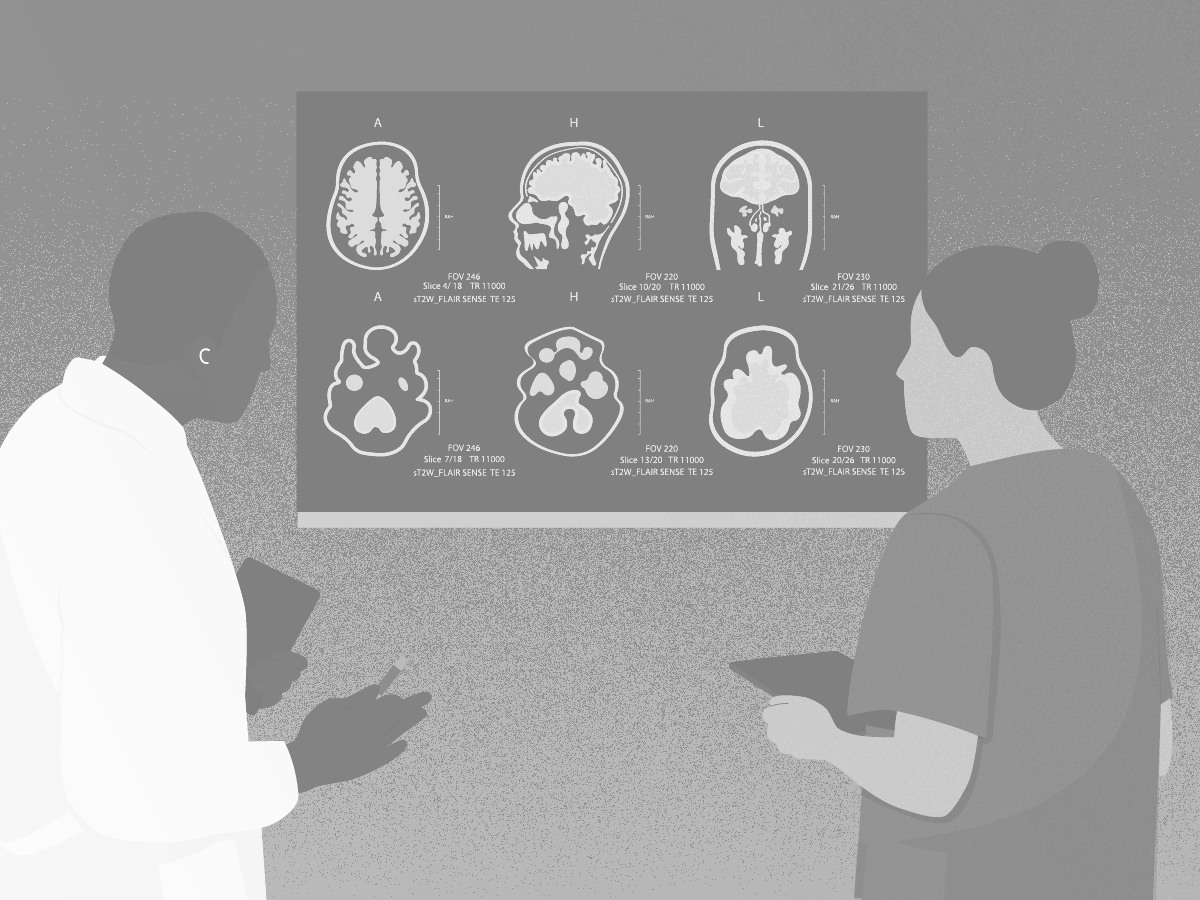 Patients across England are benefiting from faster cancer diagnoses, after one million more scans were delivered thanks to new scanners and cutting-edge AI technology. NHS England data published on Tuesday 3 November shows that, from March 2024 to March 2026, the number of CT and MRI scanners in the NHS has increased by 125, giving doctors greater capacity to diagnose cancer and other serious conditions earlier and get patients into treatment sooner. The expansion comes as each month in 2026 so far has set an NHS monthly record for diagnostic activity, with the diagnostic waiting list having fallen in three of the five months since April. Cancer waiting times are better than last year, and the overall waiting list for elective care is down by over 250,000 since July 2024. CT and MRI scanners are a vital part of diagnosing cancers including lung, brain, breast and prostate cancer. More scanners mean more patients can get the tests they need sooner, reducing waits and helping speed up diagnosis and treatment. Minister of State for Health Karin Smyth said: "Getting the right diagnosis and treatment as quickly as possible can make all the difference, particularly for patients with cancer and other serious conditions. "That’s why, in the face of record demand, we are expanding NHS capacity and using new technology to help more people get the tests and care they need." The 125 new scanners and rollout of AI technology are helping deliver around a million extra scans every year, while the new Manchester and Trafford CDC with its modern facilities and cutting-edge equipment will allow people to get checked quickly and conveniently in the community. Read full story Source: Department of Health and Social Care, 3 November 2026


Important Information
We have placed cookies on your device to help make this website better. You can adjust your cookie settings, otherwise we'll assume you're okay to continue.