

All Activity
Past hour
-
Nicola Avery joined the community
Today
-
Content Article
 The sixth module of the UK Covid-19 Inquiry examines the impact of the pandemic on the adult social care sector in England, Scotland, Wales and Northern Ireland. The module includes care provided in adult care and residential homes, in people’s own homes by professional carers and unpaid care provided by family members or friends. It looks at the decisions made by each nation’s government and considers: what happened to people living and working in the care sector during the pandemic how limiting visits to care homes affected residents and their loved ones how decisions to discharge patients to free up hospital beds affected those living and working in care homes. The module also examines the steps taken in care homes to stop the virus spreading and the care sector’s capacity to respond to the pandemic. Related reading on the hub: UK Covid-19 Inquiry Module 1: The resilience and preparedness of the United Kingdom Covid-19 Inquiry: Module 2, 2A, 2B, 2C Report – Core decision-making and political governance Covid-19 Inquiry: Module 3 Report – The impact of the Covid-19 pandemic on the healthcare systems of the United Kingdom UK Covid-19 Inquiry: Module 4 -Vaccines and therapeutics (16 April 2026) UK Covid-19 Inquiry: Module 5 – Procurement (14 July 2026) Questions around Government governance
-
News article
 Utah has become the first state in the US to allow artificial intelligence to issue new prescriptions and will soon do so without any initial medical involvement. US healthcare startup Nolla Health was authorised by the state to prescribe acne drugs earlier this month. The authorisation allows Nolla’s AI to prescribe drugs to adults in Utah who have mild to moderate acne after they have submitted their facial scans and medical information for the algorithm to review through the company’s Nolla Derm app. While every prescription will initially require a doctor’s approval, the AI will issue drugs independently in later phases of the trial. A company spokesperson told The BMJ, “Nolla remains in phase 1, requiring two Utah licensed doctors to review every prescription before it is issued. “The agreement lays out performance requirements and safeguards that must be met before we would consider progression to later phases.” The spokesperson added, “Nolla retains liability for its operations, participating doctors remain subject to applicable professional obligations, and patients retain their traditional legal remedies. The agreement with the state government requires adverse event reporting, immediate pauses for serious safety incidents, and ongoing state oversight. “Our office retains authority to terminate the pilot.” Read full story Source: BMJ, 19 October 2026
-
Alba joined the community
-
Sarah Harper joined the community
-
News article
 An NHS trust is being prosecuted over the deaths of two children who had sepsis, the BBC has learned. Two charges relate to Zadie Ajetunmobi, three, who died within hours of being taken to Broomfield Hospital, Essex, with a temperature of 40C (104F) in November 2022. A third regards two-year-old Selina Samarina, who was sent home by a doctor at Broomfield in April 2024, only to die two days later. Mid and South Essex NHS Foundation Trust (MSE), which runs the hospital, said it was "working closely" with investigators. It is due before Chelmsford Magistrates' Court in December. Care and treatment was allegedly "not provided in a safe way" to the girls, court documents revealed. The prosecution is being brought by the Care Quality Commission under the Health and Social Care Act. Zadie died within 10 hours of being taken to Broomfield on 10 November 2022, having suffered a cardiac arrest. A post-mortem examination showed her death arose from complications associated with sepsis, external. She was not given a potentially life-saving dose of intravenous antibiotics for more than seven hours. Zadie's family were previously told by MSE that staff had not updated local sepsis guidance since 2017. Read full story Source: BBC News, 20 October 2026
-
News article
 Emergency care doctors have warned the NHS is not ready for the colder months, with overcrowding, corridor care and a looming surge in demand “creating perfect conditions for a terrible winter”. A new survey of 163 doctors in charge of A&E departments across the UK, conducted by the Royal College of Emergency Medicine (RCEM), found that more than nine in 10 (92%) described current pressure as either high or very high, while 88 per cent said they are under greater strain now than this time a year ago. Around nine in 10 (91%) told the poll they were very or extremely worried about pressures in the coming months. And after A&Es in England saw a record 7.3 million people attending hospital for emergency care this summer, leading accident and emergency (A&E) doctors have said the NHS is at the point “where we can’t tell where one crisis ends and the next begins”. Three in five doctors have warned their A&E departments are currently unsafe for patients, with conditions expected to worsen after the UK experienced higher levels of flu last month compared with the previous four years. The RCEM also warned the NHS is entering this winter with almost a thousand fewer beds in English hospitals compared to last year. Read full story Source: The Independent, 20 October 2026
-
News article
 Doctors have developed an artificial intelligence tool that can predict a cancer patient’s chances of survival from a single photograph of their face. The AI system was custom-built by experts at Mass General Brigham, a nonprofit, integrated academic healthcare system in Massachusetts, to estimate biological age and directly predict survival outcomes in patients diagnosed with cancer. It is one of the most comprehensive demonstrations to date of how AI analysis of a selfie could help assess a patient’s health and potentially guide their medical care, and was trained on data from more than 40 million facial photographs across a range of ethnicities and ages. Details of the breakthrough were published in the Lancet Digital Health journal. The system can estimate a person’s biological age – the age a person looks, rather than their actual, chronological age – and predict the chances of survival for cancer patients from an ordinary photograph of their face, according to the results of a study that examined the model. “FAHR-FaceSurvival advances the field of facial health recognition AI a step further by learning survival risk directly from facial photographs of patients with cancer,” said Hugo Aerts, a co-senior author of the study. “To our knowledge, this is the first demonstration that an AI model can directly predict cancer survival from a simple photograph.” Read full story Source: The Guardian, 19 October 2026
-
News article
 The death of a man being cared for on a virtual ward was the result of a “catalogue of failings” by two trusts, a coroner has ruled. Tony Hornby died from pneumonia on 21 December last year while under the care of a virtual ward service from Mersey Care Foundation Trust and East Cheshire Trust. Coroner Victoria Davies found that the “catalogue of failings” which contributed to the death of 71-year-old Mr Hornby could “be summarised as: an abject failure to recognise a deteriorating patient despite clear objective evidence from observations, a complete lack of professional curiosity by those who were aware of the observations… a breakdown in communication of the abnormal results, a failure to make a plan when considering the abnormal results, and a failure to escalate for action to be taken”. The inquest ruled that readings recorded while he was on the virtual ward showed he should have been brought back to hospital days before his death. Ms Davies concluded that Mr Hornby had experienced a “series of gross failures to provide basic medical care” and his death was “due to natural causes contributed to by neglect”. Read full story (paywalled) Source: HSJ, 19 October 2026
-
Content Article
 Patient Safety Partners (PSPs) can be patients, relatives, carers or other members of the public who want to support and contribute to a healthcare organisation’s governance and management processes for patient safety. In this blog, Lea Tiernan, Patient safety engagement & involvement lead at Imperial College Healthcare NHS Trust, shares their approach to evaluating the impact of PSPs alongside a suite of related resources for others to adapt and use.
-
Mary Robinson joined the community
-
Content Article
 The Health Bill will shape how patients’ voices are heard in health and social care for years to come. On 8 October 2026, the Patients Association brought together patients, carers and representatives from national, local and community organisations to explore what independent patient voice needs to look like in practice. Participants were clear that being listened to is not enough. Patients need an independent voice that reaches decision-makers, leads to action and holds the system to account. This report sets out what independent patient voice means, seven principles that future arrangements must meet, and the messages decision-makers need to hear to ensure patients can influence decisions and see meaningful change.
-
Content Article
 New research commissioned by the Professional Standards Authority for Health and Social Care (PSA) reveals consumers spend almost as long researching a hotel stay as they do a private baby scan clinic, with 1 in 4 not considering safety checks when booking appointments. 'Look Before You Book’ is a PSA public awareness campaign, encouraging people to look for the Quality Mark to check that their practitioner is on an Accredited Register. It focuses on counselling and psychotherapy, private baby scans (sonography) and non-surgical cosmetic procedures, helping consumers recognise the PSA Quality Mark and make safer choices when booking private health and wellbeing services. Their dedicated Look Before You Book campaign landing pages provide tailored information for people considering counselling and psychotherapy, private baby scans or non-surgical cosmetic procedures. Each page explains why it is important to check who you are booking and how the PSA Quality Mark can help you make a safer, more informed choice.
Yesterday
-
Laura Grist joined the community
-
Tristan Hulbert joined the community
-
Jasmin Khanom joined the community
-
Event
until
The Professional Standards Authority is holding its 11th annual research conference in partnership with Professor Ann Gallagher, Brunel University, and Professor Robert Jago, Royal Holloway, University of London. This year's theme is regulation, education and the health and care workforce. The conference will bring together researchers, policy professionals, regulators, Accredited Registers, educators, health and social care leaders, public and professional representative bodies, and others interested in improving regulation and registration for public safety, protection and confidence. This collaborative event will explore where academic research has produced actionable knowledge for positive impact on regulatory and policy practice. It will provide an opportunity to share insights, strengthen collaboration, inform improvements in regulatory practice and help shape future research priorities, particularly where regulation can contribute to safer care. Email for more information: [email protected] -
Content Article
 New safety measures are now being implemented for all patients taking antidepressant medications. This follows completion of a detailed review, involving patients and their families, into how the risks of suicidal thoughts and behaviours, and persistent sexual dysfunction are communicated in the patient information leaflets (PILs) that accompany antidepressant medications. These changes involve a new boxed warning in the PIL, a new patient card and a supporting safety (ancillary) leaflet. The term post SSRI sexual dysfunction ('PSSD') is also being added to the PIL for some antidepressant medications.
-
Required25 joined the community
-
Sophie Valentine joined the community
-
News article
 Trans people could face delays and a greater risk of “corridor care” under new NHS England guidance that means they will no longer be able to use same-sex wards, according to an internal report. An NHS England impact assessment, seen by the Guardian, stated that trans people may also potentially experience discrimination and this could lead to them “avoiding accessing healthcare at all”. The document considered the impact of new NHS guidance on single-sex spaces across all protected characteristics, including age, disability and sex. It said the policy’s focus on “privacy, dignity and safety for men and women” would have a positive impact, as would the legal accuracy in guidance on single-sex spaces. But it said there were a “number of potential adverse impacts for trans people”, adding: “There may be delays and a greater risk of ‘corridor care’ for trans people with a negative impact on their physical and mental health and wellbeing if side rooms are not available. “Trans people may fear and potentially experience discrimination by being ‘outed’ as trans through not being accommodated in a ward that aligns with their lived gender or being placed in a side room.” It said there was a risk that hospitals would not have the capacity to provide side rooms when needed, “forcing trans people into the potentially distressing situation of being accommodated on wards aligned with their biological sex”. Read full story Source: The Guardian, 18 October 2026
-
News article
 Up to 20 maternity units in England will have to shut to ensure mothers and babies receive safe care amid shortages of doctors and rising caesarean section rates, an NHS leader has warned. Matthew Hopkins, the NHS Alliance’s director for acute care, said centralising childbirth services into fewer hospitals was “inevitable” and the “right thing”, but would lead to a political backlash against unpopular changes. Ministers must “grasp the nettle” that as many as 20 of England’s 155 NHS units that are led by consultant obstetricians will need to shut or change their role, he added. Smaller maternity units that deliver only 1,500 to 2,000 babies a year are becoming increasingly unsustainable because of a widespread lack of obstetricians and a sharp rise in recent years in the number of women having either a planned or emergency caesarean section, he added. Many of the units most at risk are in rural or coastal areas, where staffing is particularly challenging, he told the Guardian. “We are calling for a thorough appraisal of maternity services and where they need to be located because the current configuration is not fit for purpose,” Hopkins said. “Difficult decisions lie ahead, consolidating maternity services to support safer, more sustainable care. “If politicians … are keen to see safe maternity services in their area, it is going to need courage to grasp the nettle that needs to be grasped in order to improve maternity services.” Read full story Source: The Guardian, 19 October 2026
-
News article
 A national review’s poor use of AI to analyse evidence contributed to the downplaying of a key factor in the deaths of mothers and babies, according to one of its leading members. Bill Kirkup has told the House of Commons Health and Social Care Select Committee that the national review of maternity and neonatal services led by Baroness Amos heard “repeated” evidence of “normal birth ideology” contributing to harm, including fatalities. Despite this, the review concluded it was not “widespread” Normal birth ideology prioritises spontaneous vaginal birth with minimal medical intervention as the ideal outcome, sometimes at the expense of clinical risk assessment. Dr Kirkup has previously warned that its misuse should not be “airbrushed away”. Dr Kirkup quit Baroness Amos’ national maternity and neonatal investigation eight days before its final report was published in June in a dispute over its conclusions on normal birth ideology, as revealed at the time by HSJ. He has now outlined serious concerns about the review in letters to ministers and MPs seen by HSJ, including about flawed use of an AI process to search evidence. In his letter to the Commons’ health and social care committee, Dr Kirkup said he was writing to confirm on record that the investigation heard and saw evidence that was “strongly suggestive of ‘normal birth ideology’”. He said seven members of the investigation, including him, confirmed that observation, and that this related to at least two of the sites reviewed by the probe, possibly more. Read full story (paywalled) Source: HSJ, 17 October 2026
-
News article
 The health secretary has asked the NHS to draw up urgent plans to speed up ending hospital "corridor care" for children. Yvette Cooper told the BBC there would be new standards for caring for children in A&E in England, with figures collected on corridor care by age for the first time. She was speaking on Sunday with Laura Kuenssberg where the programme highlighted the case of two-year-old Finlay Roberts who died in 2024 after spending hours in a hospital corridor before being discharged. The health secretary has announced £140m to improve urgent care in England ahead of what she said would be a "more difficult" winter than usual. The government has already pledged to end corridor care for all patients by the end of this parliament, and now Cooper has said eradicating it for children would be prioritised. Corridor care refers to patients receiving treatment or waiting in corridors, waiting rooms or other hospital areas due to a lack of appropriate space. The health secretary was also asked if the government would meet a key manifesto pledge that 92% of patients would start treatment within 18 weeks of booking a hospital appointment by 2029. "That remains our manifesto commitment and of course we're going to keep working towards it," Cooper said. Read full story Source: BBC News, 18 October 2026
-
Content Article
 Significant event analysis can help general practices understand why something went wrong, identify risks and improve patient safety. However, recording an event or discussing it at a meeting does not automatically produce meaningful learning. Practices need an open reporting culture, a proportionate method of review, and a reliable process for implementing and monitoring improvements. In this blog, Liam Stratton, a former Care Quality Commission (CQC) inspector, outlines six ways practices can improve their approach. These include making reporting accessible to every member of staff, examining reporting systems, involving patients where appropriate, turning findings into measurable actions and sharing learning across the organisation.
Last week
-
Content Article
 Discover how one Pennsylvania facility strengthened breast milk-handling safety in its NICU after identifying preventable errors. This article reviews recent breast milk–related events reported statewide; outlines risks across collection, storage, and administration; and shares practical strategies hospitals can use to reduce harm. You’ll also learn how this facility sought guidance from the Patient Safety Authority as it implemented targeted improvements to close process gaps and enhance reliability. Explore these insights, lessons learned, and supportive resources designed to help facilities promote safer, more consistent care for infants and their families.
-
News article
 GPs are now legally required to proactively share information about children with other safeguarding organisations where there are concerns about their welfare, even if they are not yet at risk of harm. New Government guidance, which came into effect 30 September, said the common law duty of confidentiality does not apply for sharing this information – and parental consent does not need to be sought or obtained. Government guidance on the changes said safeguarding organisations had been ‘unsure about when they can share information, particularly where concerns relate to a child’s welfare or emerging need, rather than harm’. The guidance said: ‘To address this the Children’s Wellbeing and Schools Act 2026 amended the Children Act 2004 to make clear that there is no requirement for a child to meet a particular statutory threshold before information can be shared. ‘Under the information sharing duty, information must be shared where it is relevant to safeguarding and promoting a child’s welfare, including where concerns relate to early help, prevention and unmet need.’ GP practices can request relevant information from other organisations and professionals covered by the scope of the duty, and vice versa. Some GP leaders welcomed earlier recognition of potential risks but warned the changes could impact patients’ disclosure of potential risk behaviours as well as create an increase to unfunded GP workload. Read full story Source: Pulse, 14 October 2026
-
News article
 Two NHS staff may have accessed or tried to access medical information about a man killed by a tiger at a wildlife park “without a legitimate reason”, a trust has said. Yorkshire Ambulance Service Trust said it had identified “two instances involving two members of staff” following the death of William Chapman at Yorkshire Wildlife Park, near Doncaster, on 10 October. In response to a request from HSJ, a spokeswoman for YAS said: “First and foremost, our thoughts are with William Chapman’s family at this distressing time. “The trust has identified an information governance concern in relation to this tragic incident at Yorkshire Wildlife Park, and William’s family has been informed of our ongoing investigation into this. “We believe there may have been two instances involving two members of staff accessing or attempting to access incident/medical information following this incident without a legitimate reason to do so. “We take the confidentiality and security of patient information extremely seriously and have robust systems in place to protect information, and this concern has been identified as a result of our proactive audits.” Read full story (paywalled) Source: HSJ, 16 October 2026
-
YASIR AHMED joined the community
-
News article
 Trans women will no longer be placed on female-only wards under new NHS England guidance on single-sex spaces. The new rules, published on Thursday, mean single-sex wards, toilets and changing rooms will be used by people based on their biological sex, not their gender identity. The guidance states that trans people should be “accommodated in line with their biological sex” while ensuring their clinical needs are met and their “privacy, dignity and safety are maintained”, along with other patients sharing their accommodation. It adds that in cases where clinical needs and same-sex accommodation requirements cannot both be met, clinical needs are the priority. Updated guidance for NHS England staff has also been published, stating that all organisations should carry out an audit of their provision to ensure it protects the “privacy, dignity and safety of all staff”. It states that in NHS trusts with mainly single-sex facilities, “suitable and accessible alternatives, such as single‑occupancy or mixed-sex facilities with individual lockable rooms, can be provided”. In a joint statement, TransActual and Trans+ Solidarity Alliance said the guidance would “not survive contact with reality in resource-strapped hospitals and will create unworkable operational challenges”. “This NHS guidance emphasises clinical judgment as the priority over blanket exclusion, but leaves individual healthcare professionals unclear on how to safely look after trans patients,” they said. “Forcing trans people into spaces for our sex assigned at birth will never be the most clinically appropriate decision, and would push trans people away from accessing care.” Read full story Source: The Guardian, 15 October 2026
-
News article
 Integrated care boards will have to carry out more than a dozen functions earmarked for transfer to other bodies for at least another year despite huge cuts in their workforce, HSJ has learned. NHS England’s Model ICB blueprint, published in May 2025, said that the rationalised ICBs would no longer be responsible for 18 functions. However, HSJ understands only four of these will be transferred in 2026-27, and that there is no firm date for the reallocation of the remainder. NHSE had already backtracked on the transfer of special educational needs and disabilities (SEND), safeguarding and continuing healthcare functions, as well as emergency preparedness, resilience, and response planning, and the management of “system coordination centres”. It has now decided to keep a further nine functions within the ICB remit. These include digital and technology leadership and transformation, medicines optimisation, and pathway and service development programmes – all of which were due to transfer to providers. Read full story (pawalled) Source: HSJ, 16 October 2026
-
Content Article
 The NHS’s productivity problem is much bigger than top-down analysis suggests, with real patient journeys revealing how poorly designed processes can waste vast amounts of staff time and resources, writes Steve Black in this HSJ opinion piece. He says that analysing the patient journeys to identify the waste and chaos could drive far more improvement than the top-down analysis might suggest. And it could make the needed improvements far more concrete and convincing for the staff who need to implement them and far more convincing for the patients who need to support them.
-
EventThis workshop runs over TWO dates. This booking includes both workshop sessions. One ticket covers both parts. Part 1: Tuesday 2nd March 2027, 09:30-13:00 Part 2: Monday 15th March 2027, 09:30-13:00 Help develop the foundations, behaviours, and systems needed for effective patient and family involvement in the most frequently used of the PSIRF Learning Response Tools, After Action Review. This is a practical, interactive workshop for healthcare staff with existing AAR knowledge, who want to build confidence and consistency in involving patients and families. Across two half-day online workshops, and a structured audit to be undertaken between the two, participants will learn how to set AARs up for success, create psychologically safe conditions, manage challenges in real time, and support patients and staff after the review. The programme focuses on embedding meaningful patient involvement as part of everyday PSIRF learning. Suitable for: People who lead AARs in healthcare settings, and those who help guide and advise their organisation in implementing Patient Safety Incident Response Framework and the required patient engagement About the organisers: Advancing Quality Alliance and Judy Walker Associates have joined forces to create and deliver this unique workshop because both organisations are committed to enabling healthcare providers to make progress in fully embedding the Patient Safety Incident Response Framework and its principles of compassionate and proportionate learning responses. Outcomes: To know the key components for setting up the AARs for success for the individual patients, and staff as well as the organisation. To know what your individual organisations’ strengths and weaknesses are in creating the conditions for successfully using AAR with patients. To know how to create psychologically safe conditions for learning in an AAR. To know how to respond when challenges arise during an AAR. To know when best to use AAR (including Duty of Candour) and when not. To know what to do after the AAR is completed – navigating challenges and supporting patients and staff. To know how other health providers are working to involve patients and their families in AAR. Register AAR with Patients October 2026 Flyer A4.pdf
-
Event
until
This workshop runs over TWO dates. Part 1: Tuesday 3rd November 9.30 to 13.00 Part 2: Wednesday 11th November 9.30 to 13.00 One ticket covers both sessions. Help develop the foundations, behaviours, and systems needed for effective patient and family involvement in the most frequently used of the PSIRF Learning Response Tools, After Action Review. This is a practical, interactive workshop for healthcare staff with existing AAR knowledge, who want to build confidence and consistency in involving patients and families. Across two half-day online workshops, and a structured audit to be undertaken between the two, participants will learn how to set AARs up for success, create psychologically safe conditions, manage challenges in real time, and support patients and staff after the review. The programme focuses on embedding meaningful patient involvement as part of everyday PSIRF learning. Suitable for: People who lead AARs in healthcare settings, and those who help guide and advise their organisation in implementing Patient Safety Incident Response Framework and the required patient engagement About the organisers: Advancing Quality Alliance and Judy Walker Associates have joined forces to create and deliver this unique workshop because both organisations are committed to enabling healthcare providers to make progress in fully embedding the Patient Safety Incident Response Framework and its principles of compassionate and proportionate learning responses. Outcomes: To know the key components for setting up the AARs for success for the individual patients, and staff as well as the organisation. To know what your individual organisations’ strengths and weaknesses are in creating the conditions for successfully using AAR with patients. To know how to create psychologically safe conditions for learning in an AAR. To know how to respond when challenges arise during an AAR. To know when best to use AAR (including Duty of Candour) and when not. To know what to do after the AAR is completed – navigating challenges and supporting patients and staff. To know how other health providers are working to involve patients and their families in AAR. Register AAR with Patients October 2026 Flyer A4.pdf -
News article
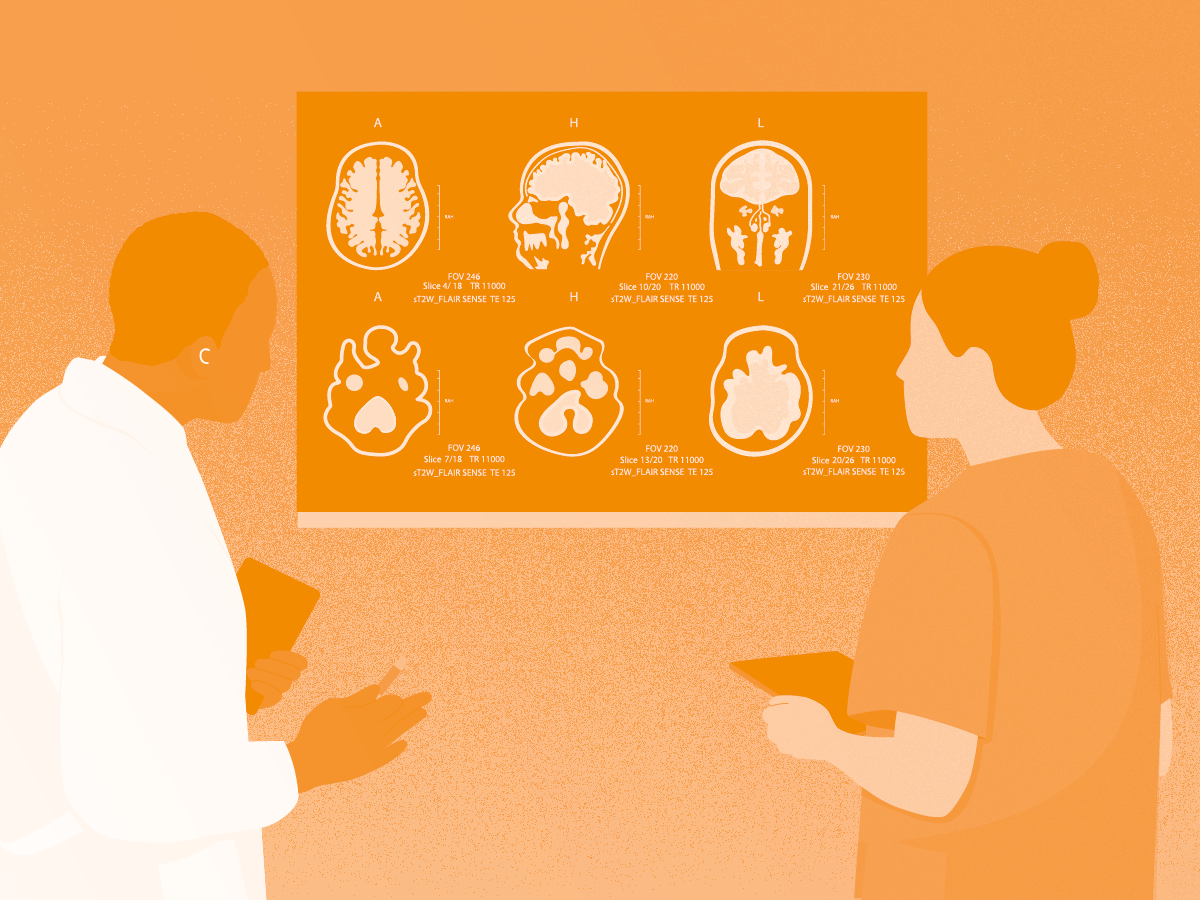 People living with brain cancer will get a faster route from research to treatment, under four steps set out by the Prime Minister. This follows the Prime Minister and Health Secretary’s meeting in Downing Street with Archie Goodburn today, the 25-year-old swimmer with inoperable brain cancer who made an emotional plea to the Prime Minister on BBC Breakfast. Archie has campaigned for faster progress on brain cancer, and today’s steps build on the issues raised: An immediate expert review, led by Professor Anthony Chalmers, Chair of the Brain Tumour Group within the UK Collaborative for Cancer Clinical Research, reporting within three months. Leading brain cancer experts will assess what has changed for patients since a 2018 government review, and what is still holding progress back. A national action plan to follow. The review’s findings will shape a plan to get new treatments out of the lab and to patients faster. A new national brain cancer clinical lead to drive this work forward, appointed by the Department of Health and Social Care. The Prime Minister has asked the MHRA to complete its review of the rules for medicines that treat rare conditions - known as orphan drugs - in two years rather than three. Bringing forward any changes to these rules could help patients get promising new treatments sooner. Alongside this, patients, families and charities will help design a drive to get more people onto clinical trials. Read full story Source: Gov.UK, 14 October 2026


