

All news
Showing .
Past hour
-
News article
 People from minority ethnic backgrounds in England are up to a third less likely to be diagnosed with breast cancer via routine screening, and are more likely to be diagnosed in an emergency setting, analysis has found. The research, carried out by academics at the University of Surrey and funded by the charity Breast Cancer Now, involved analysis of 86,564 adults diagnosed with the disease between 2009 and 2019, from the Clinical Practice Research Datalink and the Cancer Registration Tumour and Treatment datasets. The analysis found that people from Black, Asian and mixed backgrounds, alongside people from deprived backgrounds, were up to 33% less likely to be diagnosed with breast cancer via screening, while these groups were also up to 31% more likely to be diagnosed via urgent suspected cancer referral, and up to 37% more likely to be diagnosed via emergency presentation. Manveet Basra, the associate director of public health, inclusion and awareness at Breast Cancer Now, said the analysis revealed that people from marginalised groups “face inequalities at every stage of their breast cancer experience, and tragically this impacts their survival rates”. Basra added: “This research helps us understand who is less likely to be diagnosed with breast cancer via screening, [who] might wait longer to get diagnosed or experience delays in treatment, and knowing what barriers they face enables us to work towards eliminating them. “Determined to improve breast cancer care and survival rates outcomes, we’re funding world-class research that actively identifies and addresses inequities, working with policymakers to improve equal access to screening, and ensuring our information, campaigns and life-changing support services reflect the diverse needs of everyone affected by this devastating disease.” Read full story Source: The Guardian, 25 October 2026
-
News article
 Mental health trusts are under “daily relentless pressure” on their inpatient beds, the Care Quality Commission has warned. Most trusts the regulator spoke to said their beds were running “at, or near to” 100% occupancy, according to its annual State of Care report. The CQC interviewed mental health trust leaders after inspecting emergency departments over the winter. NHS England data in the report shows the average number of available overnight mental health beds fell from 18,139 in 2022-23 to 17,870 in 2025-26. Occupancy has stayed above the Royal College of Psychiatrists’ recommended 85% throughout. Demand is still rising. Monthly referrals to secondary mental health services rose 7% in 2025-26, to an average of 483,797. The number of people with severe mental illness in contact with community services rose 6%, to 681,149 per month. The CQC said long waits in EDs were “often linked to difficulties securing appropriate mental health inpatient beds”. Inspectors in London and the South East found some people with mental health needs waiting several days, one of them for six days. Read full story (paywalled) Source: HSJ, 23 October 2026
Today
-
Content Article
 In this blog, Stephanie O’Donohue, patient advocate and Founder of TIGER UK, shares the findings from their recent survey on experiences of vaginal access procedures. She explains why patient experiences and insights are critical to service improvement, and how collaborative work can really make a difference moving forward.
Last week
-
Content Article
 This study examined the current fall prevention practices and implementation strategies used by the US hospitals. It found that there is substantial variation in US hospitals’ choice of fall prevention practices and a lack of implementation strategies to enhance staff adherence to the practices. The findings suggest a critical need for more standardised, evidence-based, and individualised approaches to effectively reduce falls.
-
Content Article
 Several hospitals in India face challenges in establishing a strong patient safety culture, which is crucial for quality health care. This study aimed to evaluate and benchmark the patient safety cultures across various Indian hospitals. An analysis of the data on patient safety culture obtained using a questionnaire showed that 62 (79%) hospitals used the Agency for Healthcare Research and Quality tool. Analysis of the composite positive response score of safety culture dimensions highlighted strengths in organisational learning and teamwork, but weaknesses in staffing and work conditions . This study highlights the current patient safety culture in Indian hospitals and identifies its strengths and gaps. These findings serve as a basis for benchmarking and targeted improvements, particularly in staffing and communication, to enhance the overall patient safety.
-
News article
 Adults with Attention Deficit Hyperactivity Disorder (ADHD) are demanding urgent action over a lack of funded services in Northern Ireland, with some revealing they pay thousands of pounds a year for private treatment. Northern Ireland doesn't have a formally commissioned, publicly funded adult ADHD pathway like in other parts of the UK. One woman has described the situation as "wildly unfair and inhumane", saying she and her husband spend about £4,000 a year on private treatment and care. The Department of Health acknowledges increasing demand but said decisions must be taken in the context of overall affordability. Read full article. Source: BBC News, 23 October 2026
-
Content ArticleSafety listening, responses to voice acts aimed at preventing harm, can avert organizational failures like airplane crashes. Using directed and summative content analysis, in this study the authors analysed 45 transcripts of flightdeck communication before crashes and near misses to develop a framework of safety listening behaviour in risky contexts. Their analysis illustrates that engaging with voice enables teams to develop shared and accurate situation awareness of emerging risks, thus potentially averting accidents. The authors state that their findings also demonstrate the importance of a behavioural approach to safety listening, illustrating that assessing listener engagement with safety voice—rather than attitudes—can provide an accurate and practical explanation for how safety listening influences organisational safety outcomes.
-
Content ArticleHealthcare research increasingly observes that patients and families can be highly active in trying to prevent medical accidents. However, the safety literature lacks a model of these behaviours. This study aimed to establish a model of the behaviours used by patients and families to prevent accidents and ensure safety whilst in hospital. Using a mixed qualitative-quantitative research design, the authors analyzed 1,857 healthcare complaints submitted by patients and families to UK hospitals reporting poor treatment experiences. Their analysis focused upon reports within the complaints of healthcare users engaging in (1) voicing behaviors to raise concerns about safety with staff and (2) correcting behaviors to directly resolve safety issues.
-
Content ArticleSafety communication is crucial for accident aversion across industries. While researchers often focus on encouraging concern-raising (‘safety voice’), responses to these concerns (‘safety listening’) remain underexplored. In this article, the authors discuss how they developed and tested the Ecological Assessment of Responses to Speaking-up (EARS) tool to code safety listening behaviours in flightdeck conversations. The EARS tool allows researchers to assess safety listening in naturalistic conversations, facilitating analysis of its antecedents, its interplay with safety voice, and the impact of interventions on outcomes.
-
Content Article
 For too long, women’s experiences, symptoms and outcomes have not been adequately reflected in the evidence and systems that shape their care. Artificial Intelligence (AI) presents an enormous opportunity to do things differently. But if it is developed using data and approaches that reproduce existing inequalities, we risk carrying those same problems into the future. In this blog the Patient Safety Commissioner for England, Henrietta Hughes, explores why women’s health could be a defining test for AI in healthcare and why safety, transparency and patient voice need to be built in from the start.
-
Content Article
 National patient safety investigation bodies conduct system-level investigations and produce recommendations intended to improve patient safety. However, evidence that such recommendations translate into meaningful improvement is often weak. This study examined how recommendations produced by the Health Services Safety Investigations Body (HSSIB) are produced by investigators and received by the national organizations to whom they are directed. HSSIB investigates patient safety concerns across the NHS in England and in independent healthcare settings where safety learning could help to improve NHS care. Funded by the NIHR Patient Safety Research Collaboration: Greater Manchester, this study analysed 22 published investigation reports, ran two focus groups with 12 HSSIB investigators, and carried out interviews with 11 senior representatives from national bodies including NHS England, the Care Quality Commission, the General Medical Council, and several medical royal colleges.
-
Content Article
 State of Care is the annual assessment of health care and social care in England by the Care Quality Commission (CQC), the independent regulator of health and adult social care in England. The report looks at the trends, shares examples of good and outstanding care, and highlights where care needs to improve.
-
News article
 England’s largest integrated care board (ICB) expects to need almost a tenth fewer hospital beds within a decade as it tries to close a projected financial gap that could reach £4bn. West and North London ICB’s strategy, presented to its board this week, said its modelling suggests the system will need to move to around 5,700 beds by 2035-36 – 9.2 per cent below its current bed base of 6,279. Read full article (paywalled). Source: Health Service Journal, 23 October 2026
-
News article
 New AI tools could help doctors spot prostate cancer more accurately on MRI scans, the National Institute for Health and Care Excellence (NICE) has said. It is recommending that five AI technologies can be used in the NHS to highlight areas on a prostate MRI scan where cancer might be present, making it easier to spot and report. AI-Rad Companion Prostate MR, DeepHealth Prostate, ProstatID, Prostate Intelligence (Pi), and QP-Prostate were recommended in the draft guidance for NHS use during a two-year evidence-generation period. The independent NICE committee concluded that the technologies have the potential to improve the accuracy and consistency of prostate MRI interpretation, particularly in settings without specialist expertise. However, further evidence is needed to understand how they perform in routine NHS practice. Read full article. Source: Digital Health, 23 October 2026
-
News article
 A new personalised cancer vaccine given alongside a widely used immunotherapy drug has cut the risk of patients dying or their skin cancer returning by 42% in a major clinical trial. The researchers involved say the results could mark a turning point in cancer treatment, bringing personalised medicine a step closer. The trial also found that the new drug combination reduced the risk of melanoma, a type of skin cancer, spreading by 38% over two years compared to immunotherapy alone. The drug manufacturers MSD and Moderna say the same approach is already being tested against other tumours, including kidney, bladder and lung cancer. Independent cancer experts described the results as impressive but said longer-term studies were still needed to establish whether the treatment really helps most patients live longer, on average. Read full article. Source: BBC News, 23 October 2026
-
Content Article
 In this HSJ article, Dr Aaliya Goyal argues that the NHS’s new staff standards are hampered by their reliance on annual NHS Staff Survey results, which provide delayed and retrospective insights into workforce problems. Instead, she advocates using real-time, anonymised occupational health (OH) data as an early-warning system for issues such as bullying, discrimination, racism, sexual harassment, burnout and poor management, arguing that these problems often surface in OH consultations long before they appear in surveys, grievances or formal reports.
-
News article
 An independent review into 10 child fatalities has identified fundamental governance and sepsis care failings at an embattled trust, HSJ has discovered. The news comes just days after it was reported that Mid and South Essex Foundation Trust is facing prosecution, brought by the Care Quality Commission, over the deaths of two young children who had sepsis. Documents obtained by HSJ under the Freedom of Information Act show an independent review examined the deaths of 10 children between November 2022 and February 2025 across Southend, Basildon, and Broomfield Hospitals. HSJ understands that the two deaths the trust is facing prosecution over were among the 10 deaths investigated as part of the review. The trust declined to comment. The documents include a summary of the findings of the independent thematic “deep dive” review, although it does not name the author of the review. The summary said the review had identified care failures such as delayed recognition and escalation of deteriorating children, and delayed treatment of sepsis. Read full story (paywalled) Source: HSJ, 21 October 2026
-
News article
 Andy Burnham has backed mandatory suicide prevention training for social workers after the “devastating” death of Matilda Davis, a parent-carer who killed herself minutes after meeting professionals. The Guardian revealed in August how the “absolutely inspirational” 36-year-old had taken her life after feeling “completely exhausted” and failed by England’s social care system. Davis, a former art teacher, had told multiple professionals she was struggling to cope with the significant care for her seven-year-old son and “paralysed with anxiety” about her looming divorce from her estranged husband. She died on 3 October last year, minutes after an emotional meeting with social workers who had not received suicide prevention training. Burnham was asked about Davis’s case at prime minister’s questions on Wednesday and said he supported the extension of this training to all local authorities in England. Manuela Perteghella, the Liberal Democrat MP for Stratford-upon-Avon, highlighted University of Birmingham research showing that 41% of parent-carers have contemplated suicide, and asked Burnham to meet her and Matilda’s family to discuss “mandatory suicide prevention training for local authorities and other measures so that no more normal families suffer such a devastating loss”. Read full story Source: The Guardian, 21 October 2026
-
Content Article
 This is the second interim report in Health Services Safety Investigations Body (HSSIB)s investigation into electronic patient record systems and electronic referrals for ongoing care. It has been published to highlight a risk to patient safety associated with the electronic referral service (e-RS), where referrals may be removed from healthcare provider organisation worklists without warning or recognition. The e-RS system generates digital worklists, which are used by provider organisations to manage patient referral processes. Referrals are automatically removed from a provider’s worklist within e-RS when a user performs an action, like accepting a referral or booking a patient appointment, or when 180 days pass with no action since the unique booking reference number (the patient referral) entered a worklist. The 180-day function was designed into e-RS to reduce the risk of large worklists affecting the performance of the service. However, the investigation found that the function also creates a hazard to patients.
-
News article
 This week the UK Government has dropped its plans to abolish the Health Services Safety Investigations Body (HSSIB) and transfer its functions to the Care Quality Commission (CQC). BackgroundLast summer the Department of Health and Social Care (DHSC) published the findings of its review of patient safety across England, chaired by Dr Penny Dash.[1] This review proposed several changes which sought to coordinate and rationalise patient safety roles and responsibilities. One of those recommendations was that the functions of HSSIB should be transferred to the CQC. HSSIB investigates patient safety concerns across the NHS in England and in independent healthcare settings where safety learning could help to improve NHS care. It is currently an executive non-departmental public body sponsored by DHSC. The proposal to abolish HSSIB and transfer its functions to the CQC was included in the new Health Bill which is currently progressing through Parliament. Concerns about the changeThe Patient Safety Management Network (PSMN), hosted on the hub, held a discussion about this proposed change earlier this year. The PSMN is an innovative voluntary network for patient safety managers and everyone working in patient safety. They highlighted several concerns about this proposal, most notably: Concerns about combining HSSIB’s investigative role with the CQC’s regulatory and inspection functions, including potential conflicts of interest and reduced staff confidence in sharing information openly. Despite assurances that existing ‘safe space’ legal protections would be retained, members questioned whether these protections would remain secure in the long term and whether staff would continue to perceive them as trustworthy. Similar concerns had also been highlighted by Professor Carl Macrae, Sir Bernard Jenkin MP and the All Party Parliamentary Group on Patient Safety. New amendments in the House of LordsThe Health Bill is currently being scrutinised by the House of Lords. Yesterday, Health Service Journal reported that Baroness Merron, the DHSC minister in the Lords, had sent a letter stating that the government, after listening to concerns about this proposal, has decided not to proceed with this. This has been confirmed in the latest running list of amendments to the Bill, which now includes the Minister’s intention to leave out Schedule 9 of the legislation, which transfers the Health Services Safety Investigations Body’s functions to the Care Quality Commission. Patient Safety Learning's responseIn our response to the Dash Review, Patient Safety Learning stated our belief that HSSIB has an important independent role in the health system which should be retained. We subsequently expressed our view that the provisions included in the Health Bill did not effectively address the concerns about this proposal raised by MPs, members of the Patient Safety Management Network and patient safety campaigners. We therefore welcome this decision to retain HSSIB's independent investigative function and to not proceed with plans to move this into the Care Quality Commission.
-
News article
 The government has U-turned on its plan to abolish an independent health service investigations body after opposition in the House of Lords, HSJ has learned. Ministers told peers on Wednesday that they would be dropping proposals in the Health Bill to merge the Health Services Safety Investigations Body (HSSIB) into the Care Quality Commission. It followed concern that clinicians would be less willing to speak candidly to HSSIB investigators, who work under a legally protected “safe space” and a “no blame” approach, if it became part of a regulator. Several parliamentarians have criticised the proposal, including the all-party parliamentary group for patient safety. The government’s health minister in the Lords, Baroness Merron, said in a letter seen by HSJ: “I am grateful to colleagues across the House for their constructive engagement on the future of HSSIB. Noble Lords have raised important questions, in particular about the independence of its learning-focused investigation capability from within the CQC. “We have listened carefully to those representations in considering the best way forward and decided not to proceed with the provisions in the Bill as drafted, and have tabled amendments today that would preserve HSSIB’s current status in legislation.” Read full story (paywalled) Source: HSJ, 22 October 2026
-
News article
 Andy Burnham has pledged his support for compensation for those families affected by Primodos. Their tireless campaigning since 1978 was instrumental in securing the First Do No Harm Review led by Baroness Cumberlege. Originally, former Prime Minister Theresa May wanted a public inquiry into Primodos. But in 2018 it was decided that an independent review would examine three major healthcare scandals affecting women: Primodos, pelvic mesh and sodium valproate. In 2021, the Independent Medicines and Medical Devices Safety review, led by Baroness Cumberlege, conducted a comprehensive review of historic documents and found that Hormone Pregnancy Tests had caused avoidable harm, that they should have been withdrawn by the regulator after the first warnings in 1967 and that this failure to act meant that women were exposed unnecessarily to a potential risk. Sadly, although Baroness Cumberlege recommended compensation for all three patient groups, the Primodos families were omitted from the recommendations made by Henrietta Hughes in 2024. Burnham paid tribute to campaigners, who have suffered harm from hormone pregnancy tests between the 1950s and 1970s. Read full story Source: Sky News, 21 October 2026
-
Content Article
 An integrated quality report (IQR or IQPR) connects clinical quality, experience, workforce, operations, risk and improvement. It is not every metric in one pack; it helps teams and boards judge whether services are safe, effective, caring, responsive and well-led, where assurance is limited and what must happen next. In this article, GGi senior consultant James Avery asks what constitutes a good integrated quality report. The article explores how: Good quality reports turn data into insight that drives change. Triangulated evidence explains not just what changed, but why. Insight must reach the frontline teams who can act. A seven-step test and maturity matrix shows where to improve.
-
News article
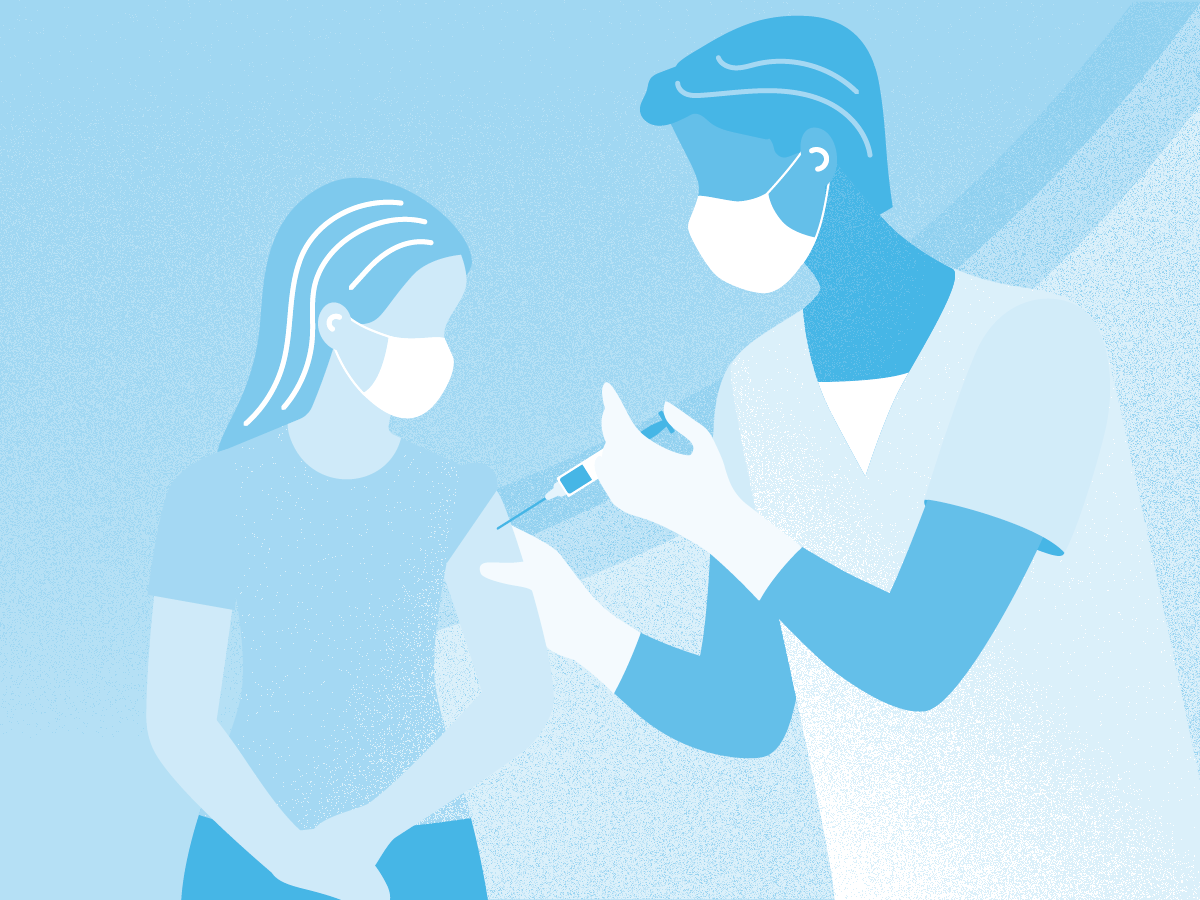 The government has committed to reform of the scheme that provides financial support for those injured or bereaved by vaccines. It was a key recommendation of the UK Covid Inquiry, and has been a focus for campaigners. One campaign group has welcomed the recognition that vaccine injury and bereavement is real and that the current scheme is not fit for purpose. But it says it wants a clear commitment to action by ministers, rather than simply saying they will look further at what needs to be done. The benefits of vaccination are well documented. The AstraZeneca Covid jab is credited with saving millions of lives worldwide. But some people have experienced harm. In her fourth report, the chair of the Covid Inquiry, Baroness Hallett, called for better support for those affected. More than 24,000 people have made Covid-related claims to the Vaccine Damage Payment Scheme (VDPS), a form of financial support paid by the government, but just over 1% have resulted in one-off tax-free awards of £120,000. The report called for "urgent" reform of the scheme, saying that it is "not sufficiently supportive". One of the main campaign groups for those who were injured by the Covid vaccine is Vaccine Injured and Bereaved UK. The group welcomed the government's acknowledgement that vaccine injury and bereavement were real and that the VDPS is not fit for purpose. But in a statement it said that was not the same as committing to action. "After more than five years of campaigning, and with the Covid-19 Inquiry explicitly calling for reform as soon as possible, we had hoped the Government would finally come forward with a clear commitment to action, not simply say it would look further at what needs to be done. "We understand that work may be needed to develop the reforms, but there is a real difference between saying you will look at something and committing to deliver it. "Today, we have no clear timetable, no certainty about what will change and no assurance about when families will finally see meaningful progress." Read full story Source: BBC News, 16 October 2026 Related reading on the hub: UK Covid-19 Inquiry: Module 4 -Vaccines and therapeutics Adverse reactions to Covid-19 vaccination - are adverse reactions adequately understood and are patients affected provided for in your area? Interview with Charlet Crichton, founder of UKCVFamily
-
News article
 Bosses at a trust being investigated for corporate manslaughter have been criticised by a regulator, which found care and patient dignity failings, and a “disconnect” between senior leaders and frontline staff at its high-secure hospital. Rampton High-Secure Hospital, run by Nottinghamshire Healthcare Foundation Trust, was rated “requires improvement” again, following four inspections in April 2026 by the Care Quality Commission. The news follows a criminal inquiry being launched this summer into the trust’s care and treatment of Valdo Calocane, who killed Barnaby Webber, Grace O’Malley-Kumar, and Ian Coates in June 2023. The CQC said that while inspectors found some improvements had been made, they uncovered a series of managerial and care failings in staffing, safe care and treatment, dignity and respect, person-centred care, and in premises and overall management at the hospital. The report said: “We identified a disconnect between senior leaders and frontline staff regarding the rationale for some operational decisions and the day-to-day reality of staffing pressures.” The CQC was “not assured that senior leaders had acted effectively on feedback from previous assessments, as many of the concerns remained”, and staff who spoke up “had not seen meaningful changes as a result”. Read full story (paywalled) Source: HSJ, 21 October 2026


