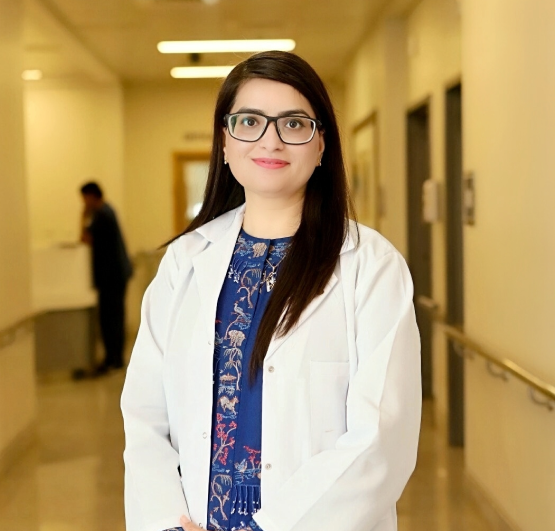
Dr Tazeen Ashraf
Members
-
Joined
-
Last visited
-
Community PostEndometriosis is a common gynecological condition in which tissue similar to the lining of the uterus grows outside the uterus. It can cause significant pain and may affect daily activities, relationships, and fertility. One important concern is that severe period or pelvic pain can sometimes be considered “normal,” which may delay proper medical evaluation. Women experiencing persistent or worsening symptoms should feel comfortable discussing them with a healthcare professional. Symptoms that may need medical assessmentSome symptoms associated with endometriosis can include: Severe or worsening menstrual pain Chronic pelvic pain Pain during or after sexual intercourse Pain during bowel movements or urination, particularly around menstruation Heavy or irregular menstrual bleeding Difficulty becoming pregnant Persistent fatigue or symptoms that interfere with daily activities However, these symptoms can have several possible causes, so they should not automatically be assumed to indicate endometriosis. Why early assessment mattersThere is no single symptom that confirms endometriosis, and diagnosis can require a detailed medical history, physical examination, and appropriate investigations. A healthcare professional can help determine whether further evaluation is needed and discuss treatment options according to the individual's symptoms, fertility plans, and overall health. Patients should also be encouraged to describe how their pain affects their everyday life, rather than simply reporting that they have “painful periods.” Keeping a record of menstrual symptoms, pain severity, bleeding patterns, and other related symptoms can make conversations with healthcare professionals more productive. When to seek urgent careSevere or sudden pelvic pain, fainting, very heavy bleeding, fever, or other concerning symptoms should receive prompt medical attention, as these may have causes other than endometriosis that require urgent assessment. As healthcare professionals, we can contribute to safer women's healthcare by listening carefully to patients, taking persistent pain seriously, explaining diagnostic and treatment options clearly, and encouraging patients to seek further assessment when symptoms continue. I’m Dr. Tazeen Ashraf, a gynecologist, and I’m interested in contributing to discussions that improve awareness and patient-centered care for women's health conditions, including endometriosis.